Plain Answers
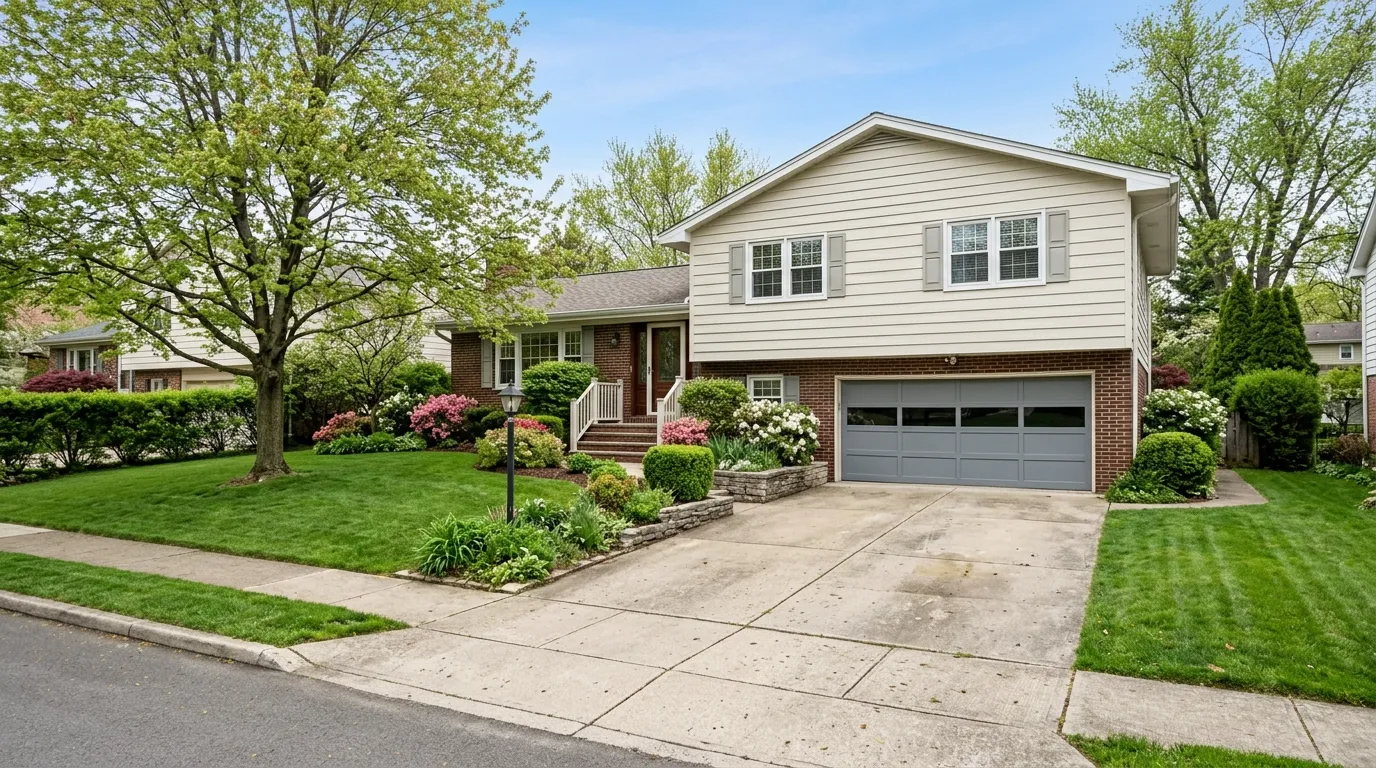
Most of the doors we get called on sit on houses built somewhere between 1956 and 2010, with a lot of that stock going up through the 1960s and 70s across the ten areas we work in. That spread matters because a door from a 1968 build and a door from a 2005 build don't share hardware. Older torsion setups often use parts that newer track systems don't, and openers from different decades don't always take the same replacement logic boards.
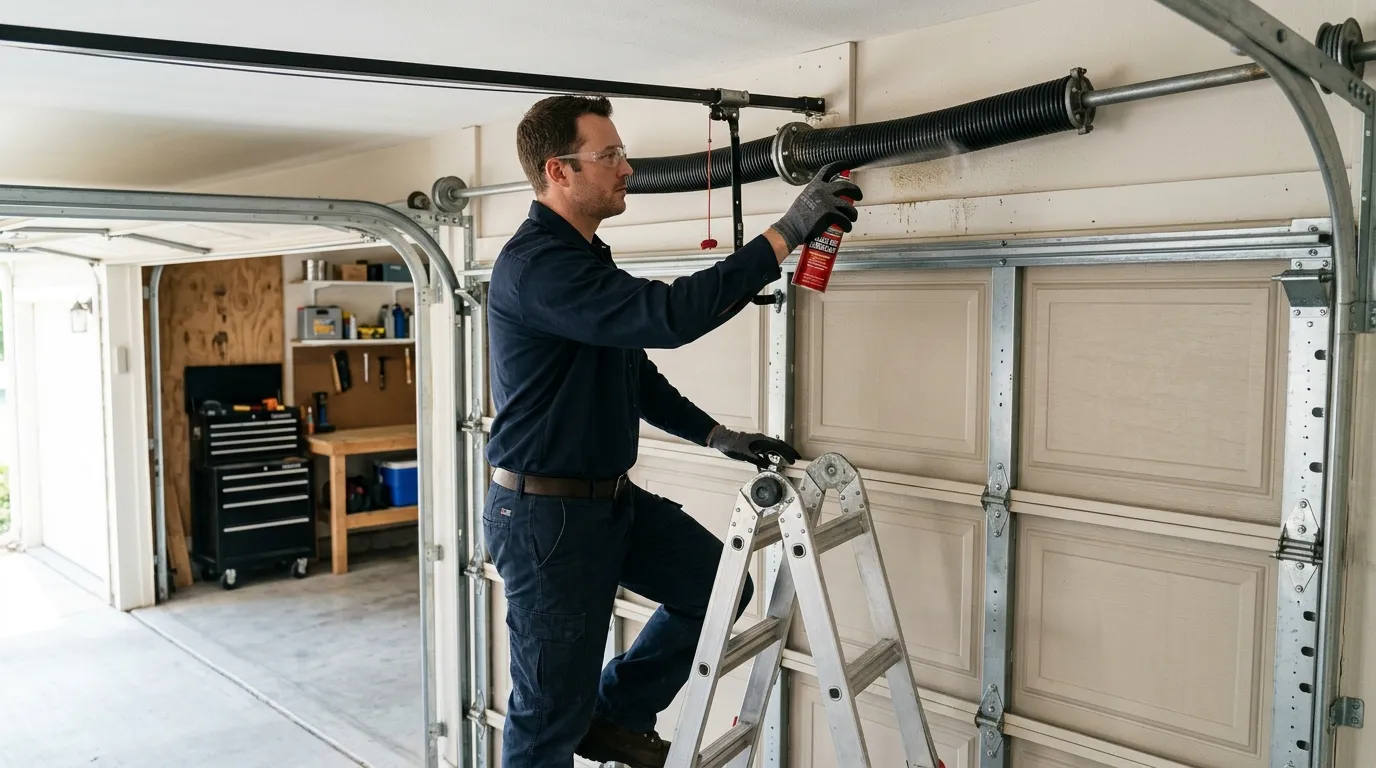
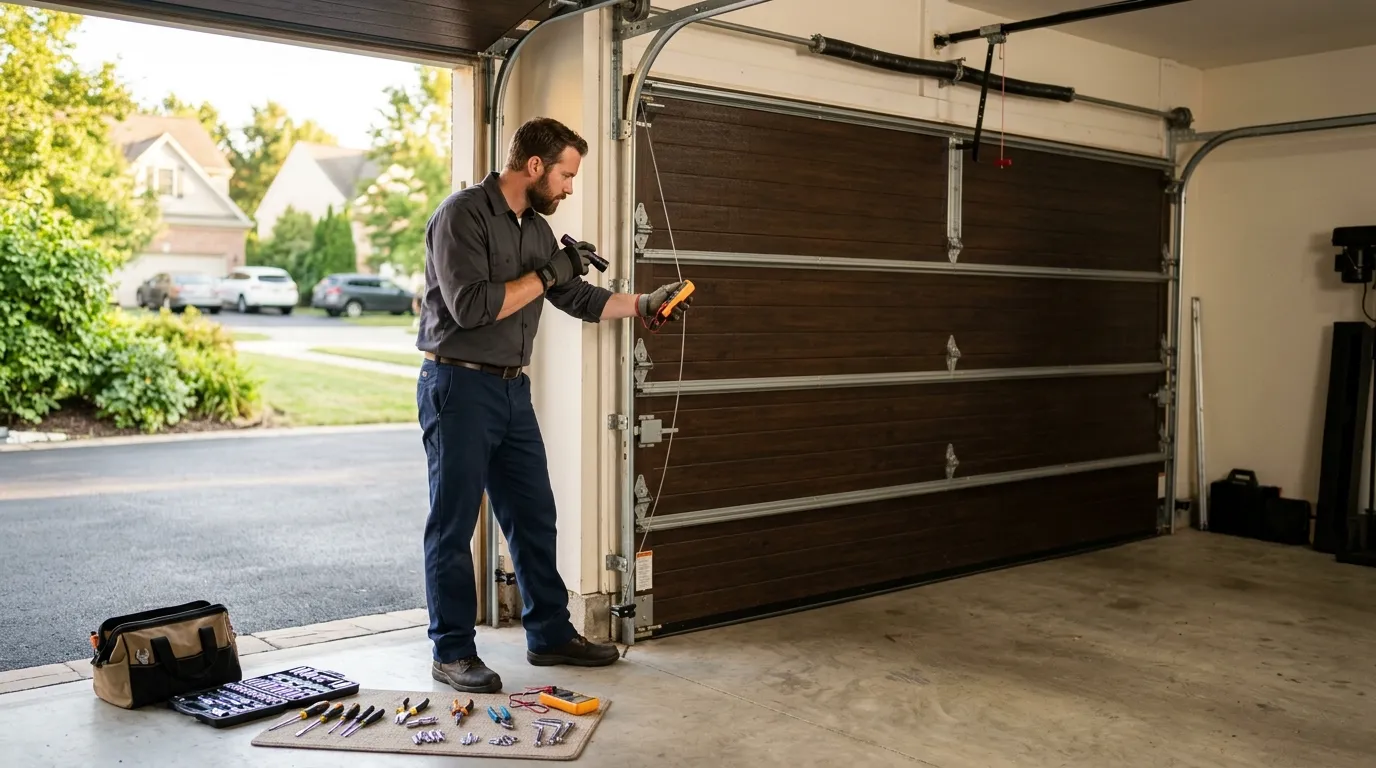
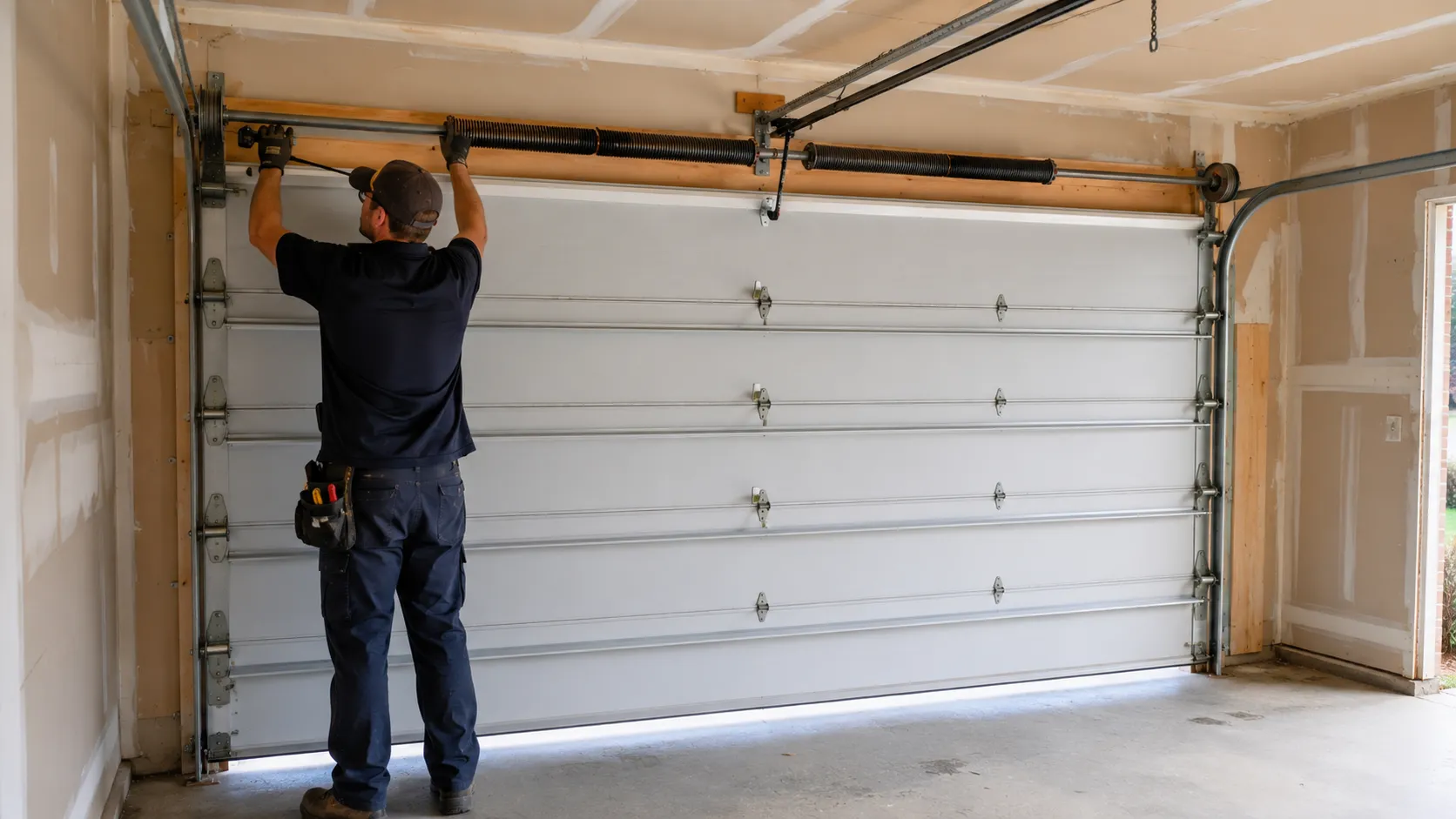
We don't guess at what's wrong before we look. A door that won't close might be a bad sensor, a broken spring, a track that's walked out of alignment, or a cable that's frayed through. Sometimes it's more than one of those at once, especially on an older door that's been patched over the years. We'll tell you what we find, what it costs to fix versus what a new door would run, and let you make the call. If a repair isn't worth it against replacement, we'll say so instead of billing you for a patch that won't hold.
One honest limit: we work on residential doors, not commercial roll-up doors or gate systems, so if that's what you've got, we're not the right call.
What Comes Next
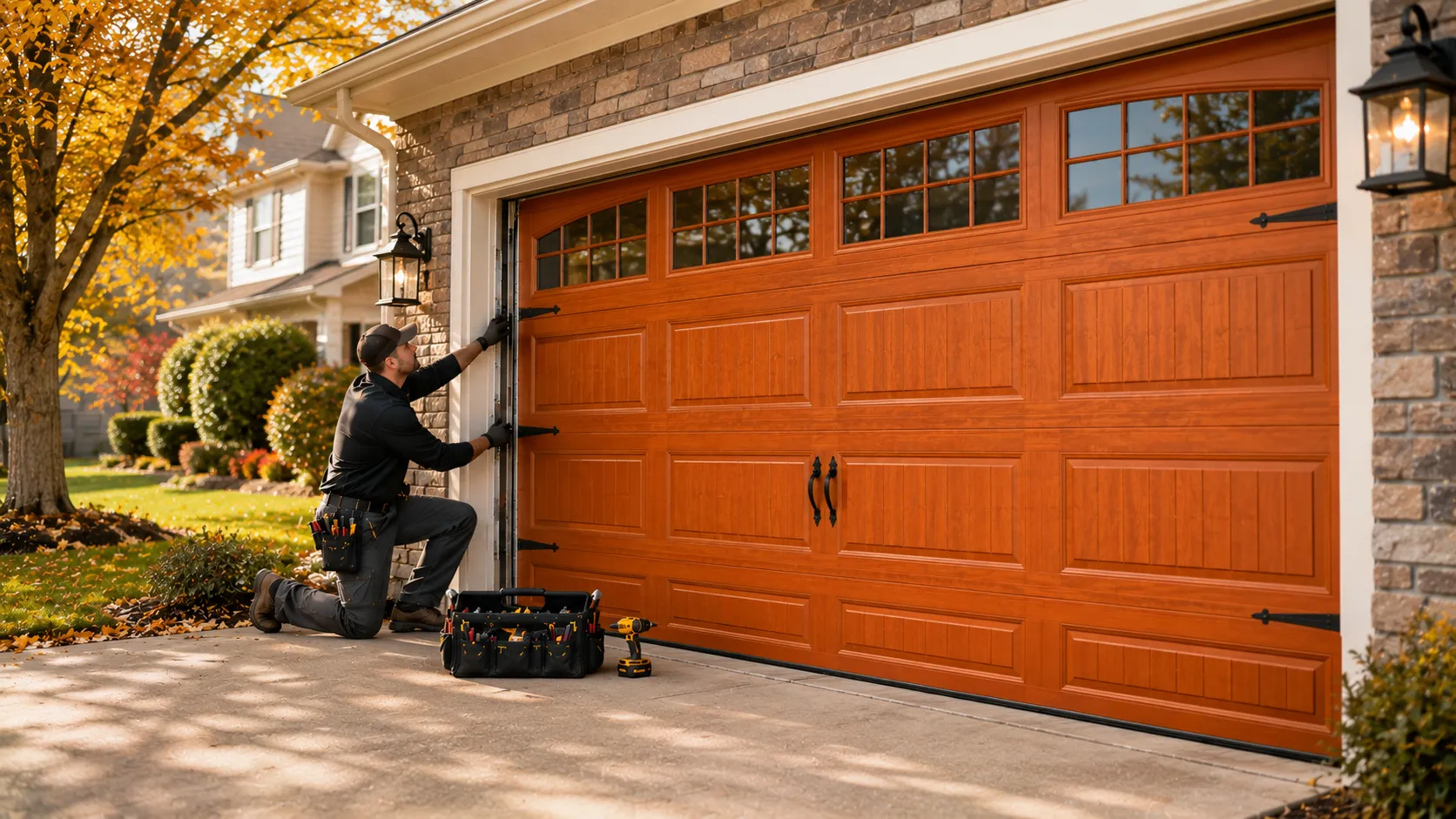
Median household income across our service area runs around $106,064, and homeownership here is high, with roughly 23,168 owner-occupied houses out of about 31,889 households total. That's a lot of driveways with a door that has to open every single day, which is a big part of why we keep the shop close by on Grant Line Rd instead of running out of a warehouse somewhere else.
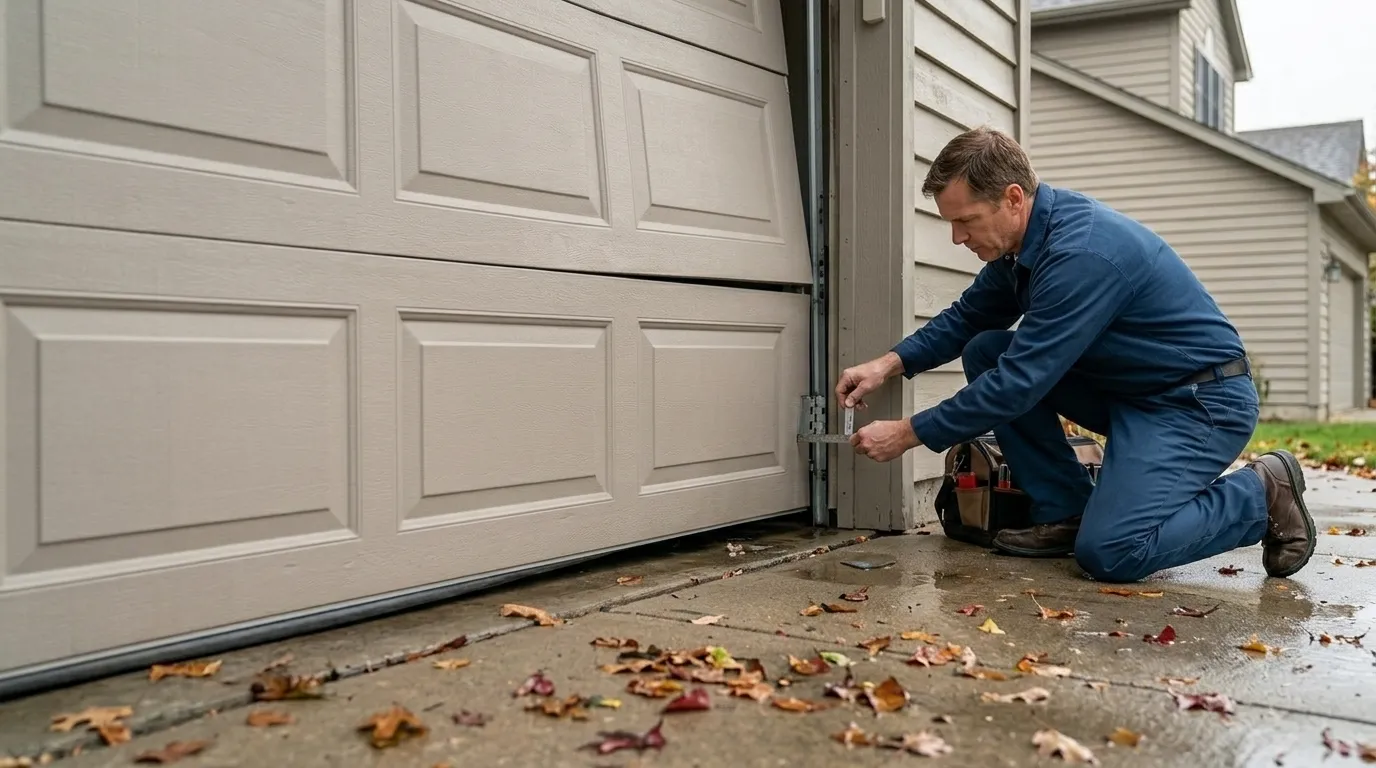
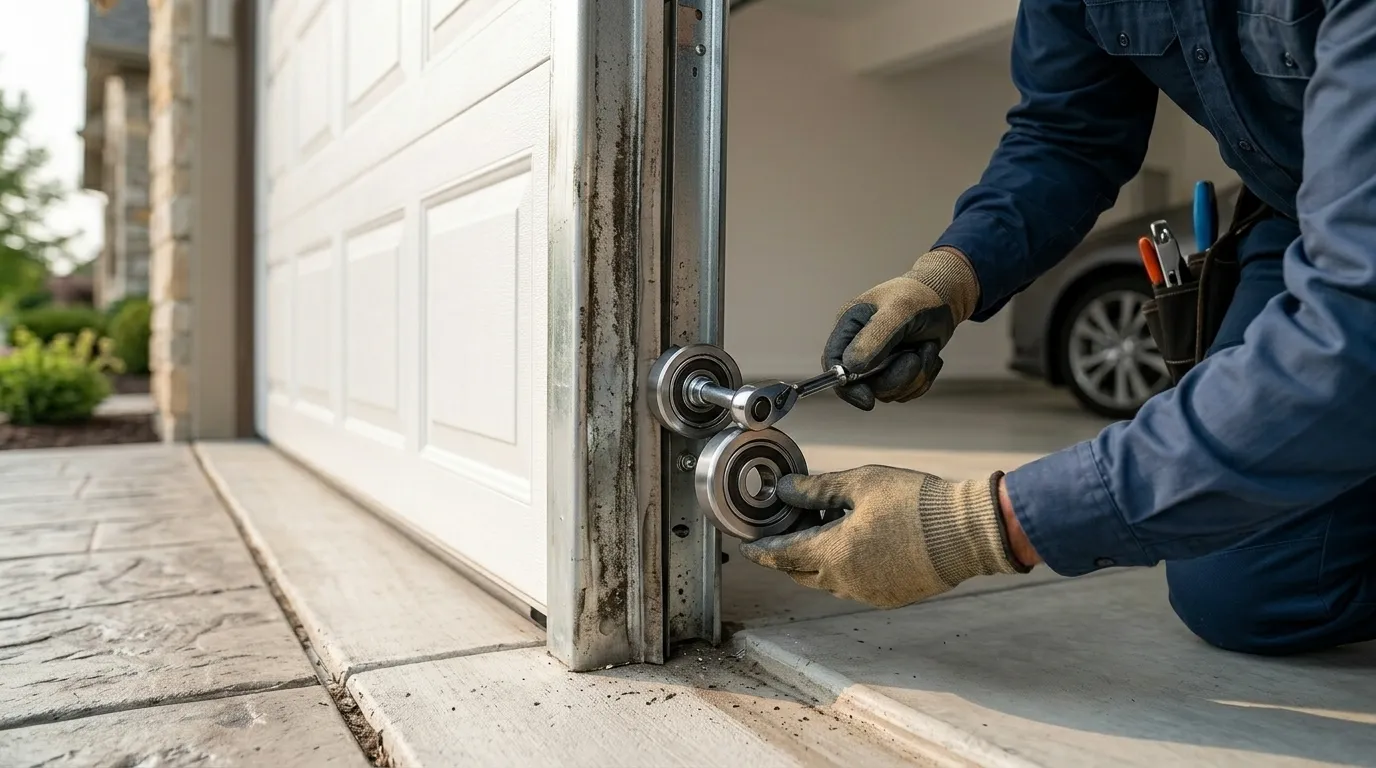
The climate here is moderate on heat, which is easier on doors and openers than harsher swings would be, but daily use still wears down rollers, cables, and spring tension over years regardless of weather. If your door is sagging on one side, slamming down instead of easing, or the opener strains and clicks off partway through, that's wear talking, not a fluke.
Call the number above, tell us what the door's doing, and we'll get you a time to come look at it. We don't pad the estimate to leave room for surprises. If something extra shows up once we're in there, we stop and tell you before touching it.