The Cost of This Job
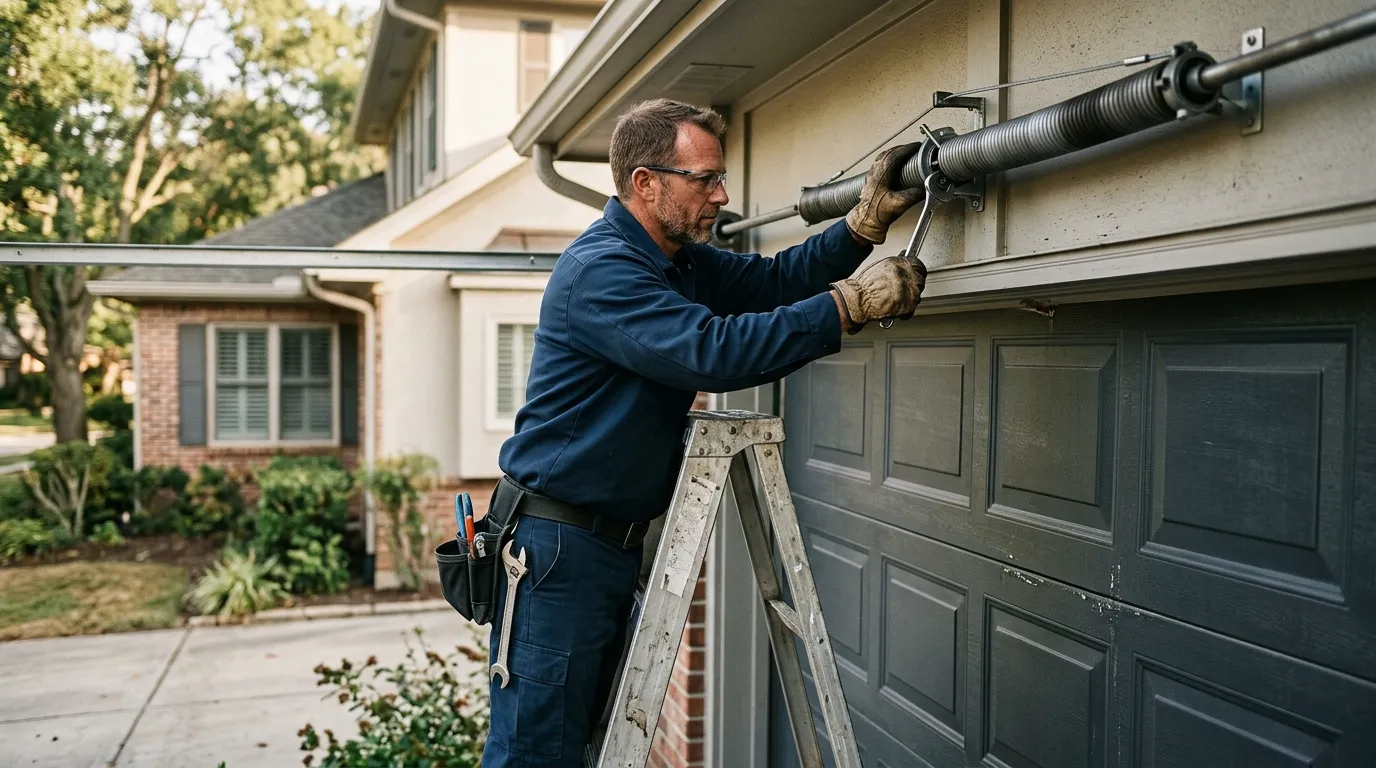
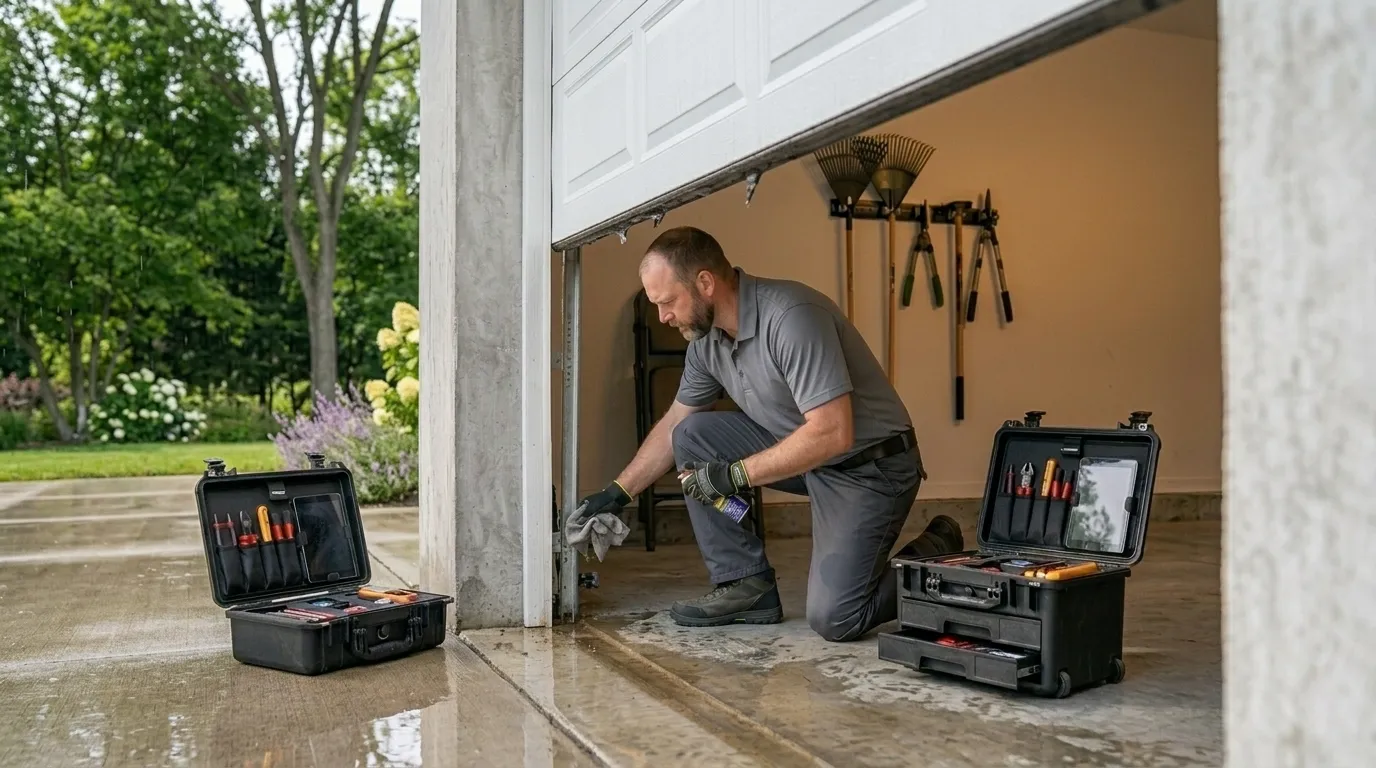
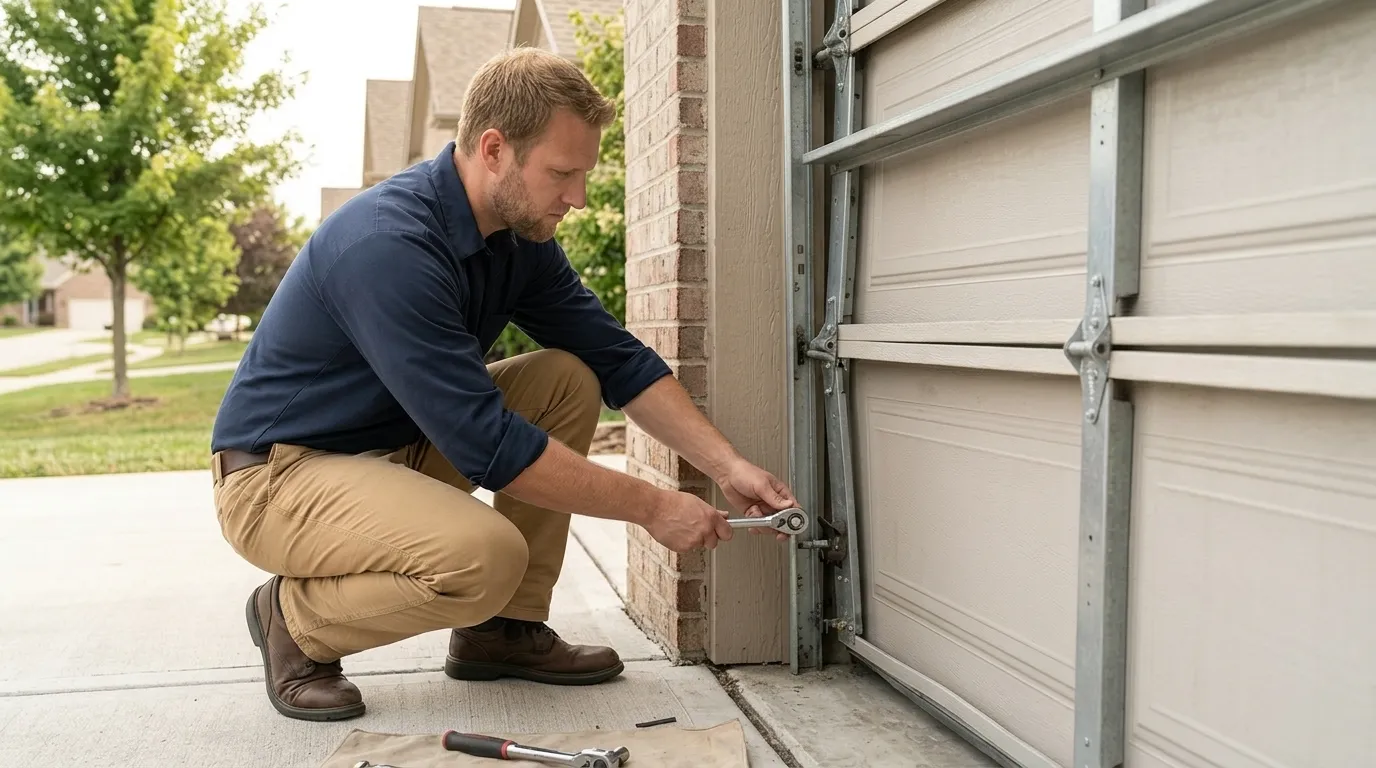
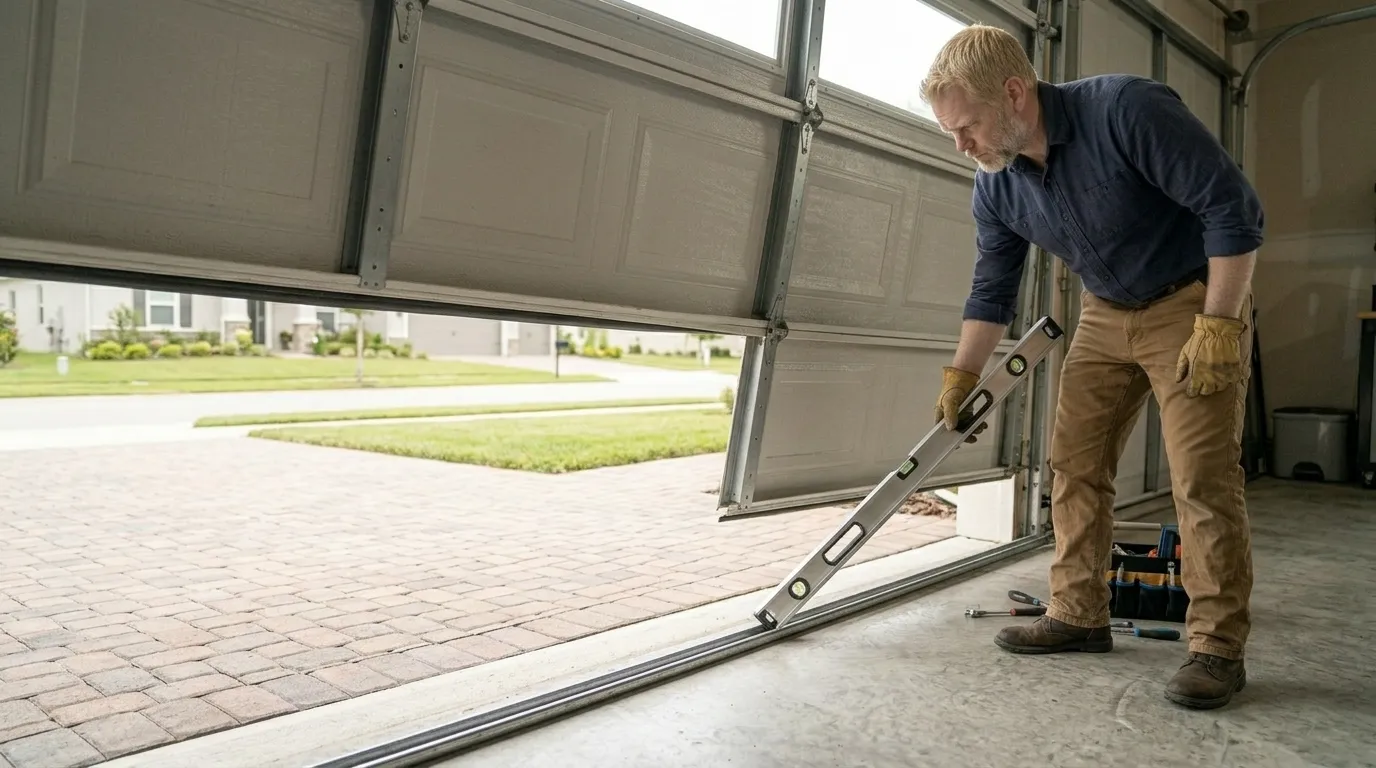
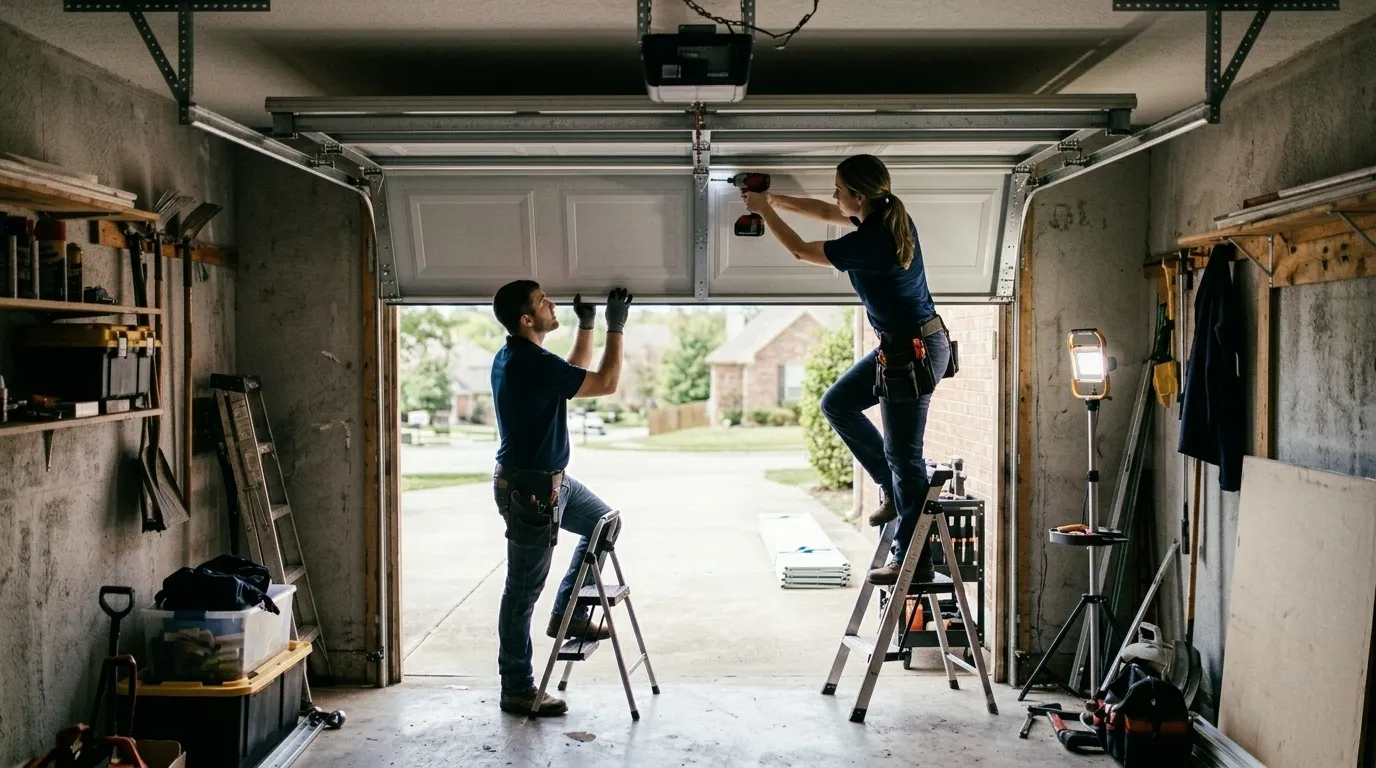
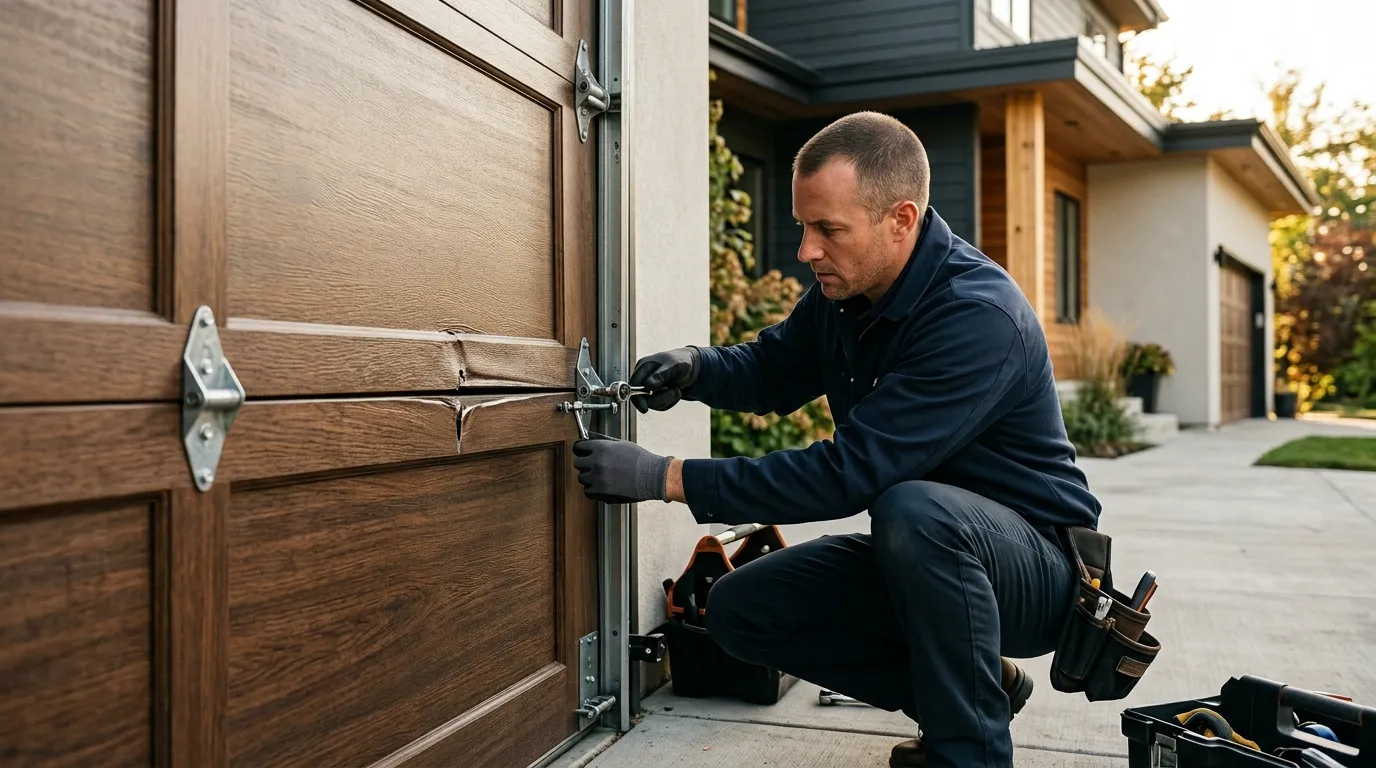
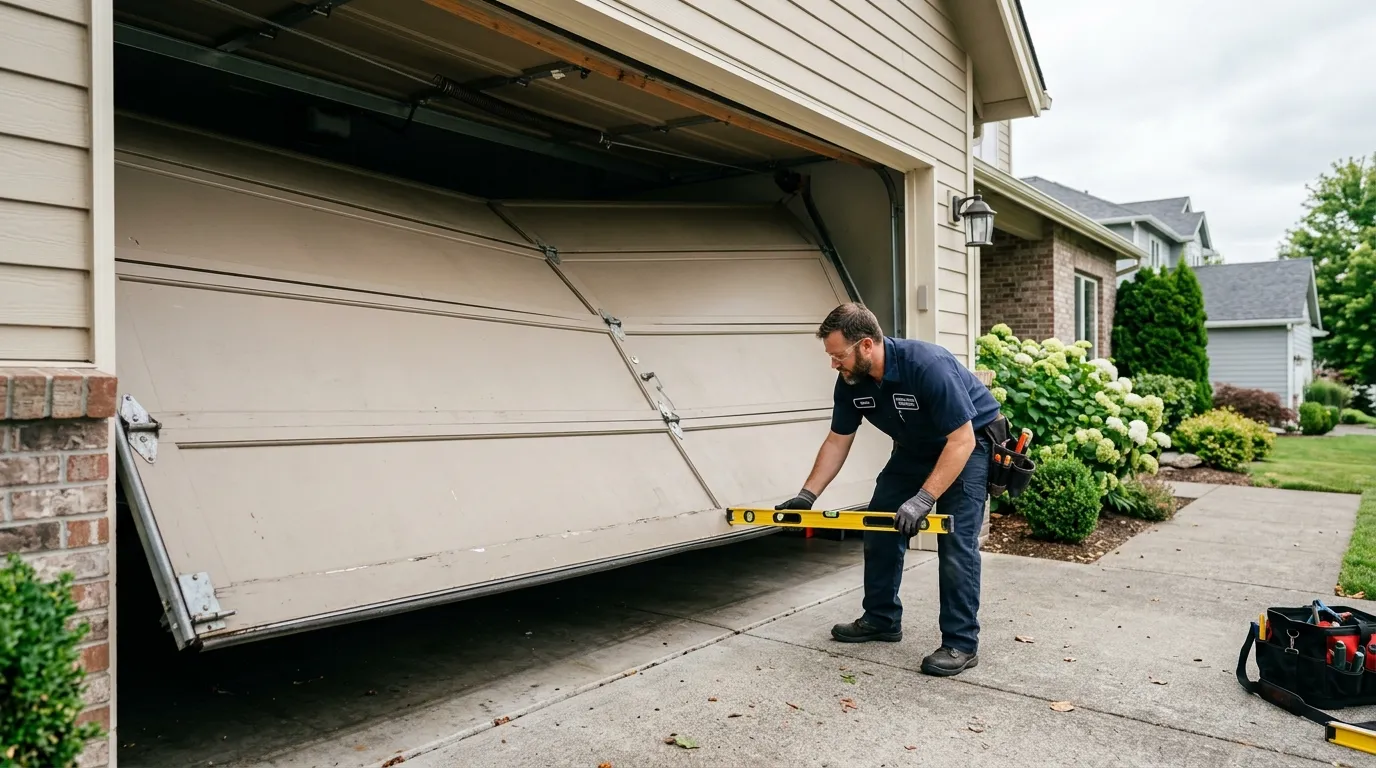
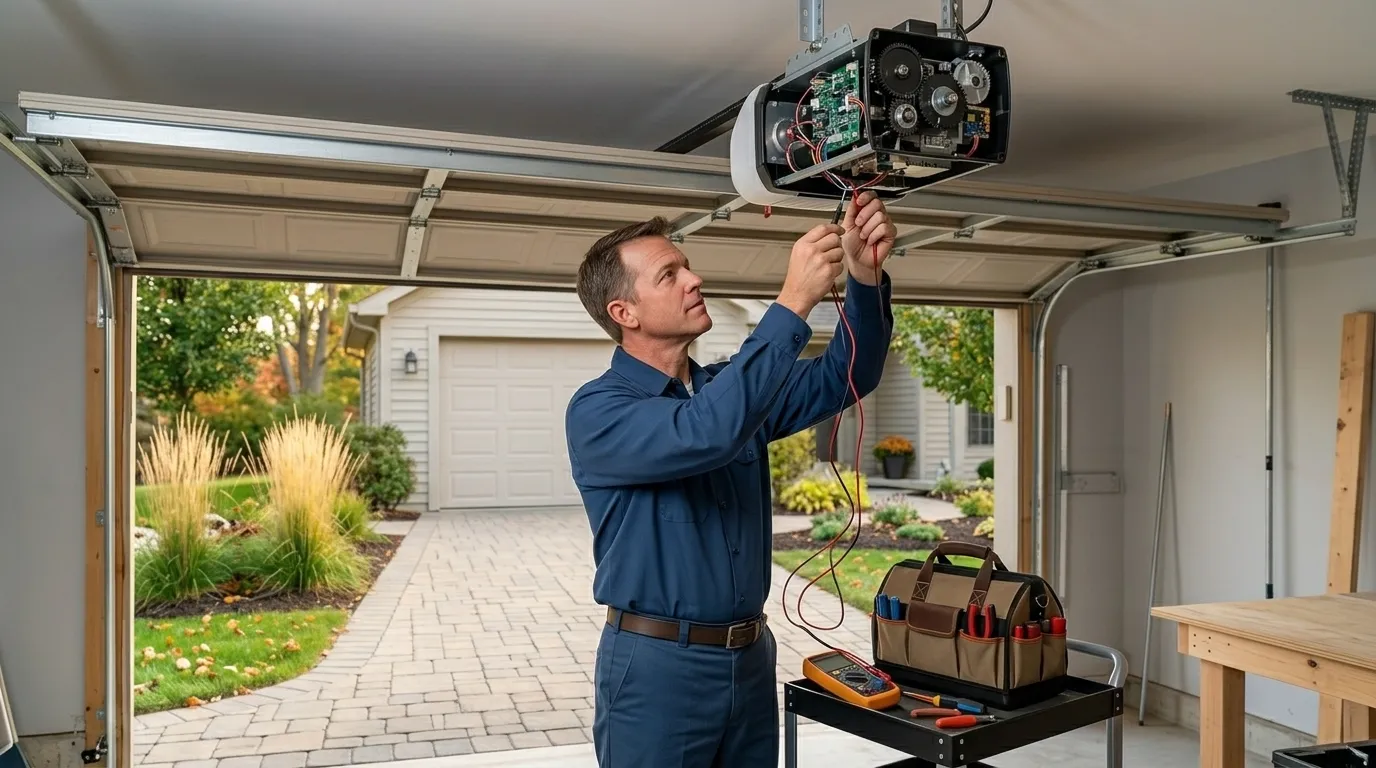
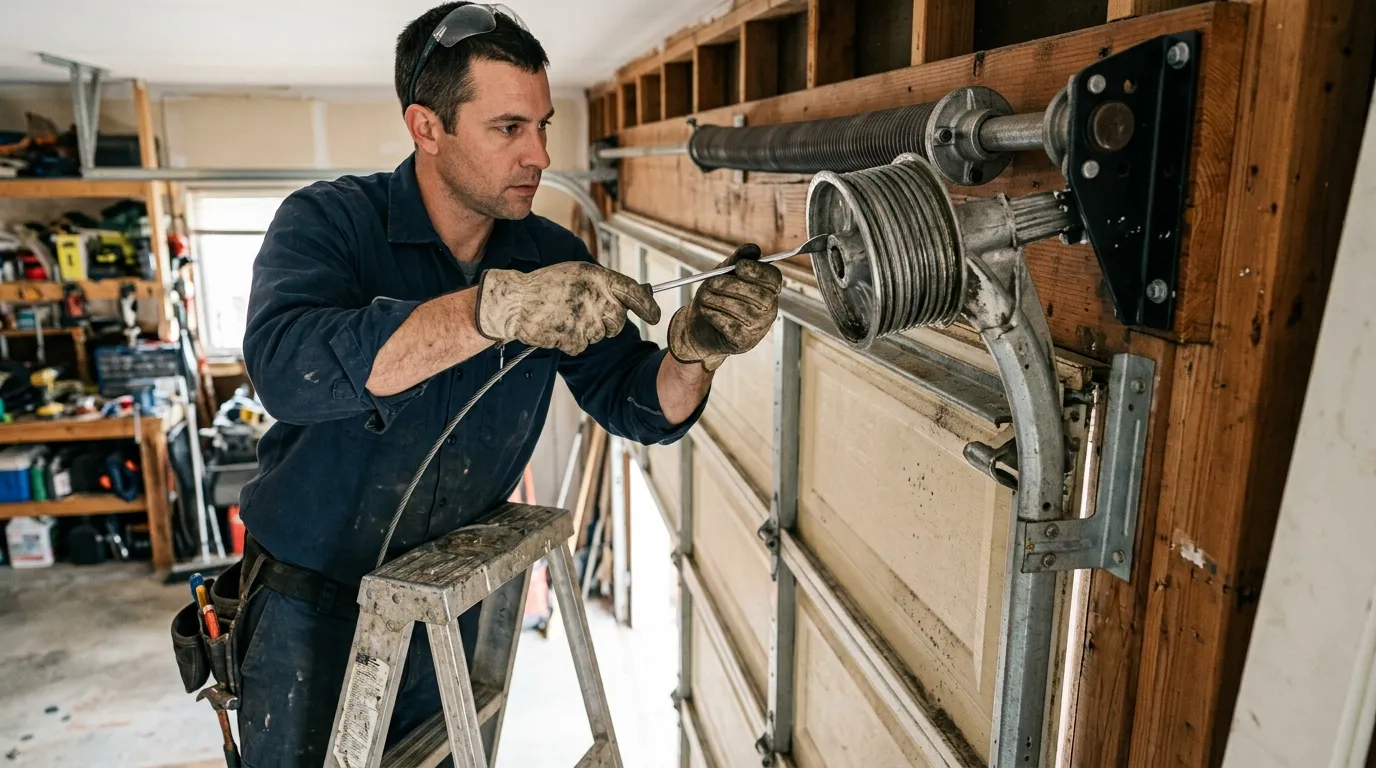
Median household income across this area runs $106,064, and what we see in practice is that a lot of homeowners here replaced the door panel itself at some point but never touched the opener gearing or the torsion hardware underneath it. That's the gap that turns a small noise into a bigger bill - a $40 roller swap ignored long enough becomes a spring and drum replacement because the door's been running out of alignment for a year. We won't tell you every noise needs a truck out to look at it; a lot of squeaks really are a five-minute fix with the right grease in the right spot, and we'd rather tell you that on the phone than charge you a visit for it. Where the cost climbs is parts for the older stock - 1960s and 70s track hardware isn't something every supplier keeps on the shelf, so a job on one of those original setups can run longer and cost more than the same repair on a door built in the 2000s. That's not us padding a bill. That's the parts situation on housing this age, and it's worth knowing before you call.
How Local Conditions Play In
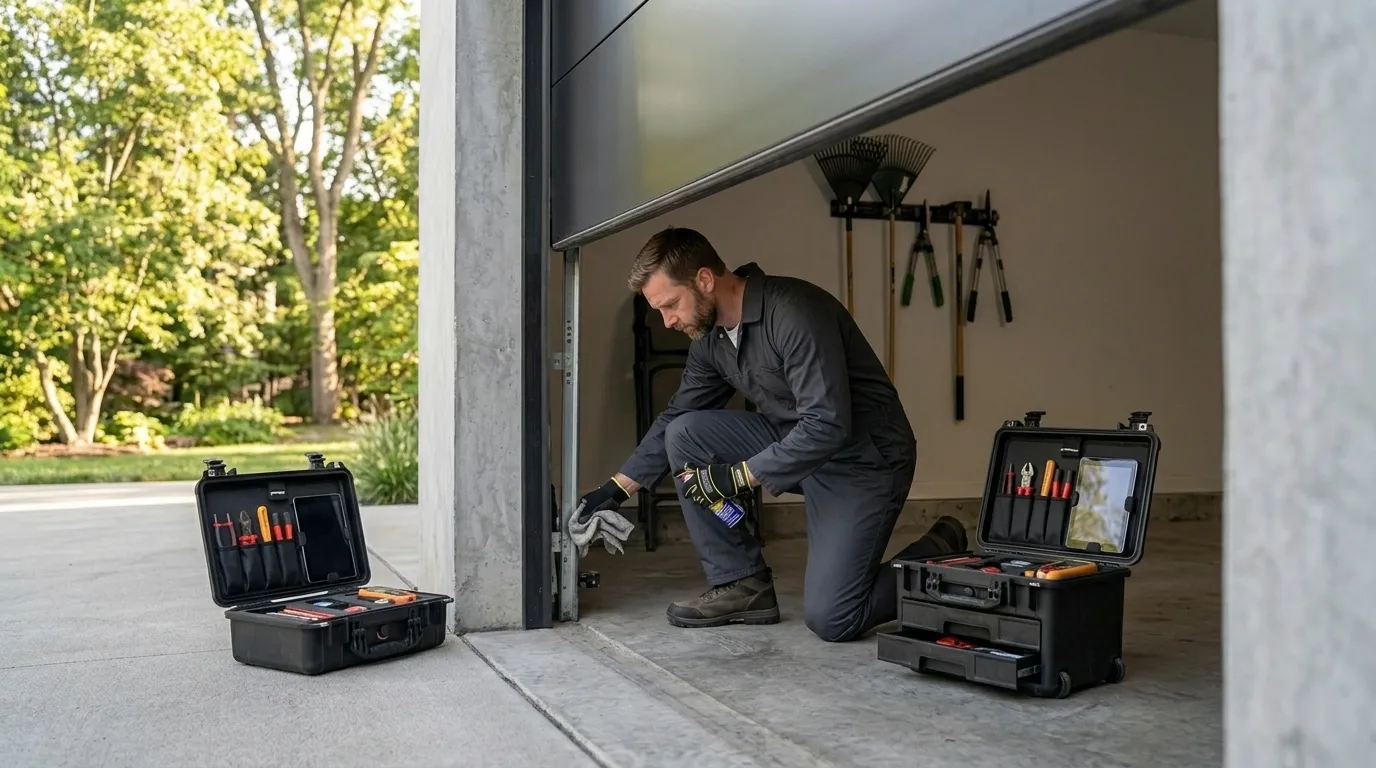
Tracy sits in a moderate heat climate band, not the kind of desert swing that cracks tracks or warps panels overnight, so most of the noises we hear here aren't weather emergencies. What moderate heat does over years, though, is dry out lubrication faster than a mild coastal climate would, and on hardware original to a house built in the 60s or 70s, that shows up as a dry, grinding roller sound before it shows up as anything else. It's a slow problem, not a sudden one, which is exactly why it gets ignored - the door still works, it's just noisier every month. We don't get called out here for storm damage the way some regions do. What we get called for is wear that built up quietly over a decade because nobody heard the early warning for what it was. If your door has gotten steadily louder over a year rather than overnight, that's the pattern to pay attention to, not a one-time event.