Why This Fails Locally
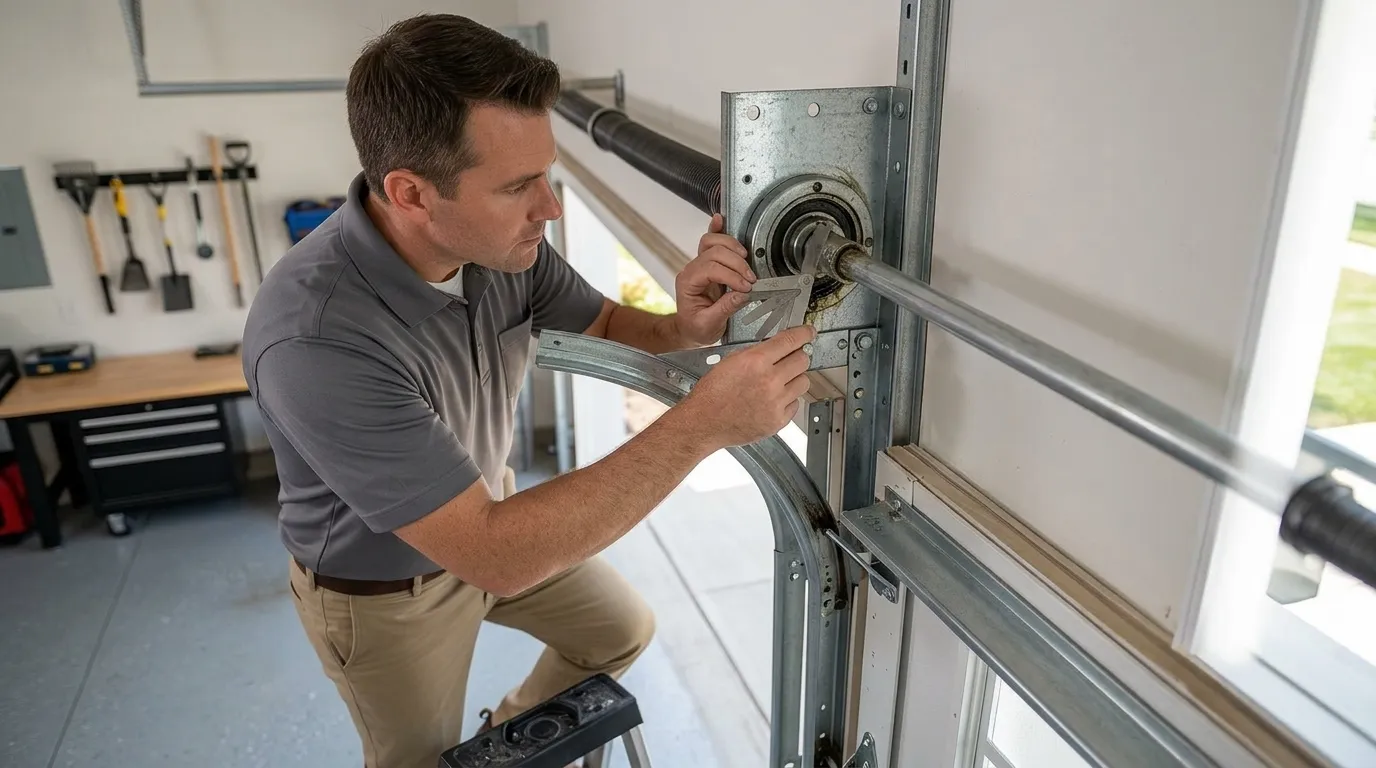
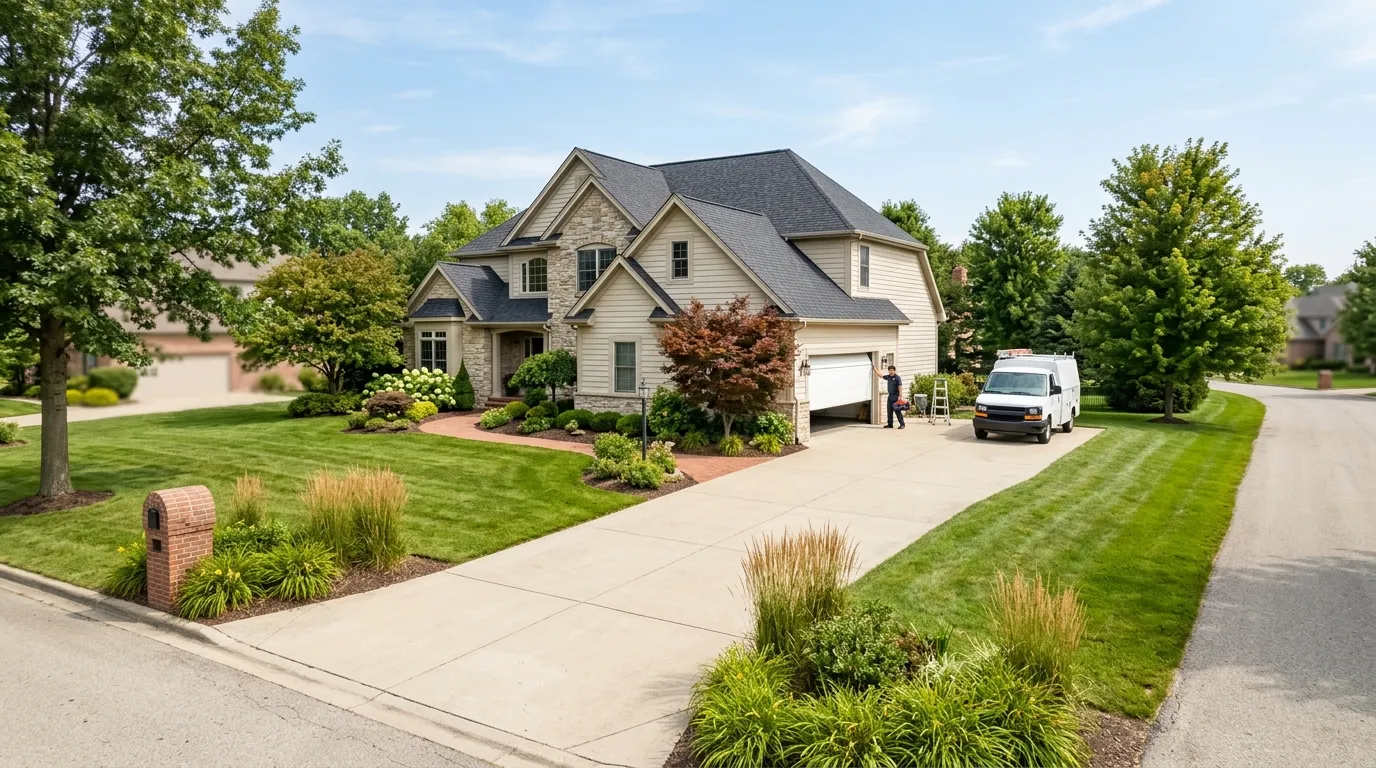
Cables don't usually snap out of nowhere - they fray, one strand at a time, until the last one gives under a cold start or a heavy lift. Two things push that failure timeline in this part of the Central Valley. First, the housing stock: a big share of doors in the service area are still running on original or first-replacement hardware from construction between 1956 and 2010, with the bulk of it 1960s-70s vintage. That's forty to sixty years of open-close cycles on cable that was never designed to last that long, and a lot of these doors have never had the cable itself replaced - just the spring, if that. Second, the climate here runs a moderate-heat band, which means the garage itself spends long stretches of the year sitting hot. Heat doesn't rust cable the way coastal damp does, but it does dry out the lubricant on the drum and hinges faster, and a dry cable running against a dry drum groove wears through strands quicker than a lubricated one. Put an aging cable on a hot, dry drum and the failure point moves up by years compared to a door running in a cooler climate. That combination - old hardware, dry heat cycling - is why cable calls cluster the way they do out here rather than being random.
Doing It Yourself
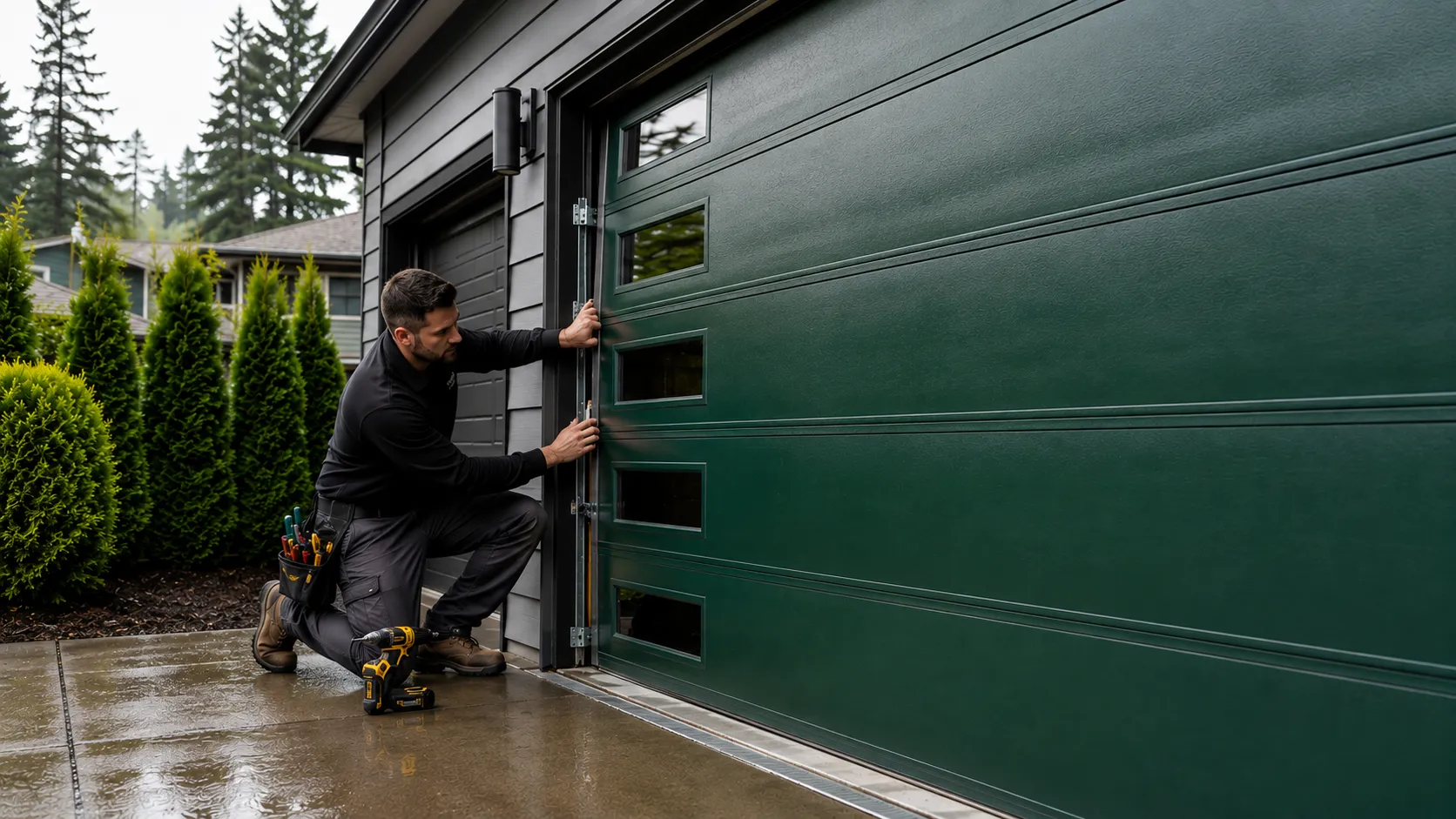
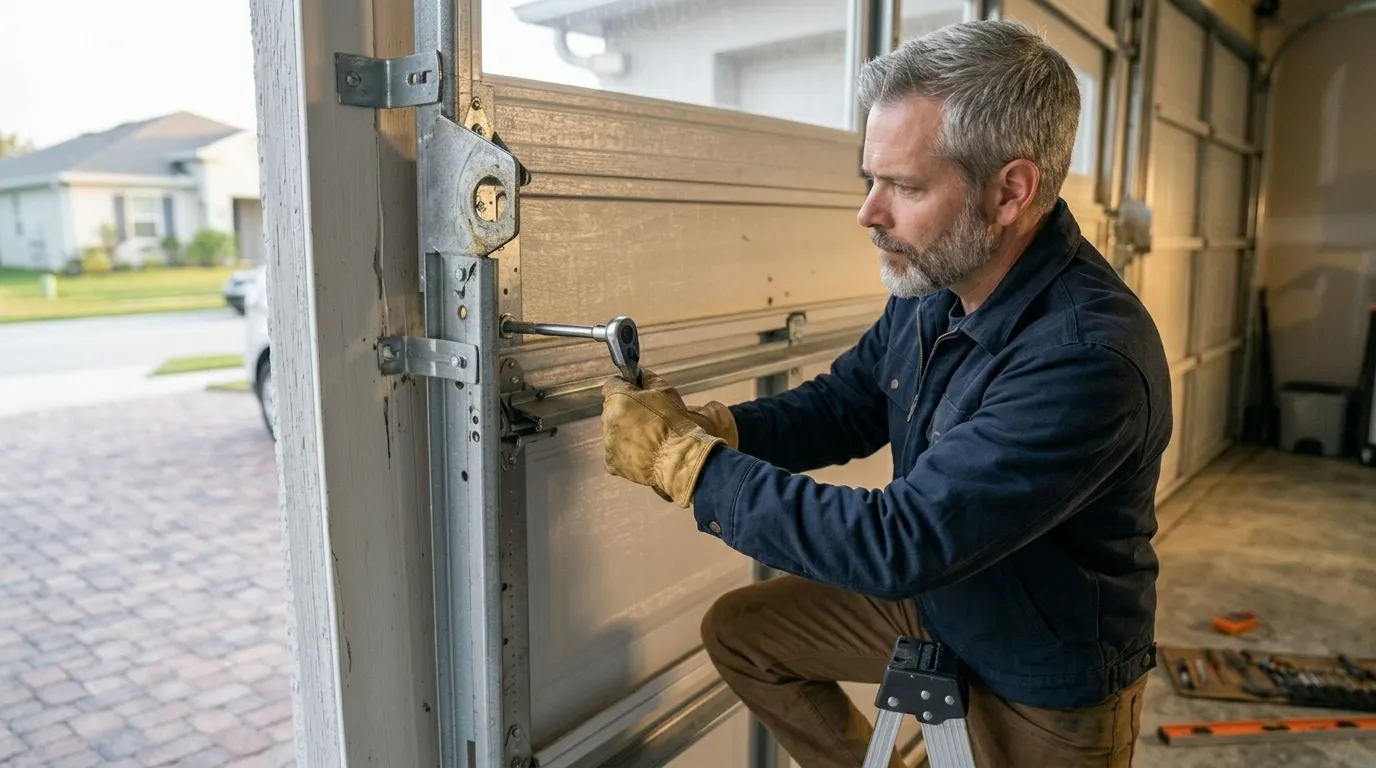
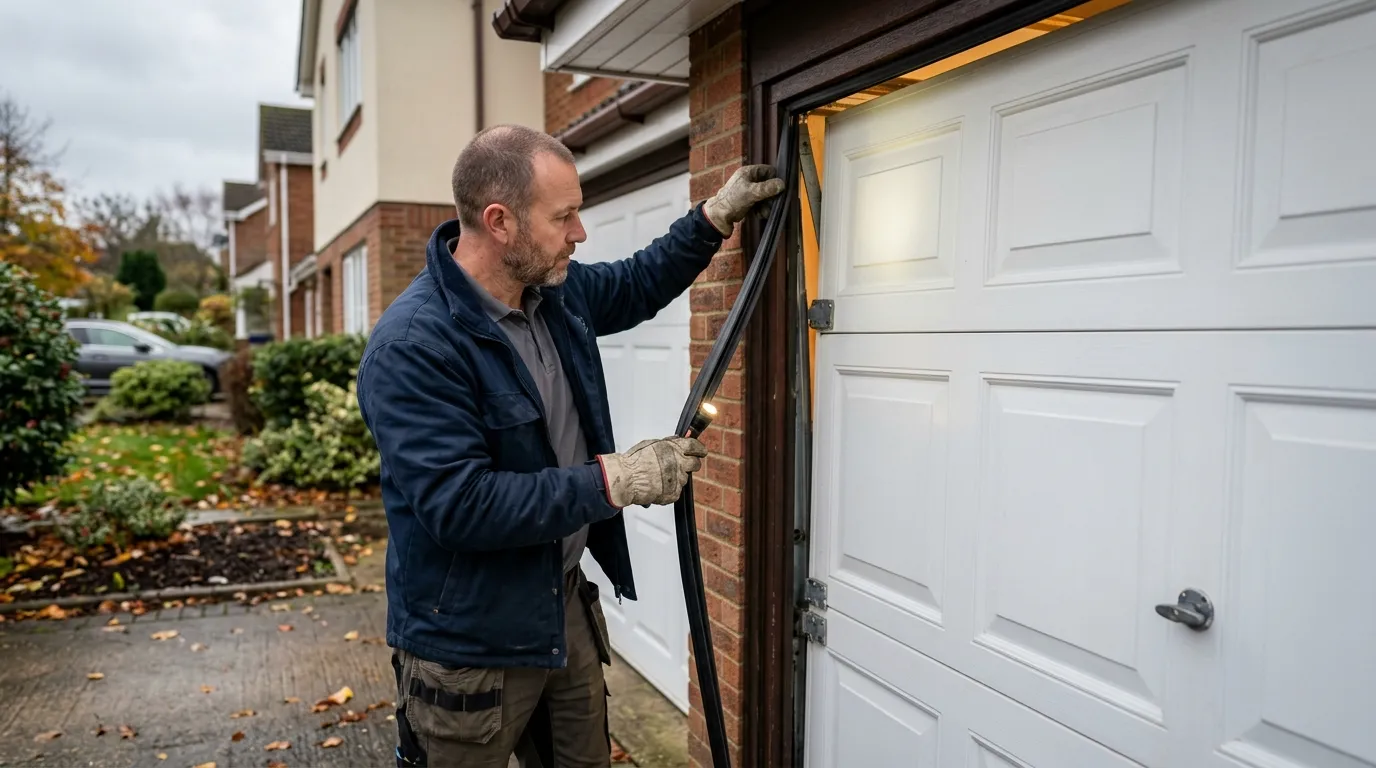
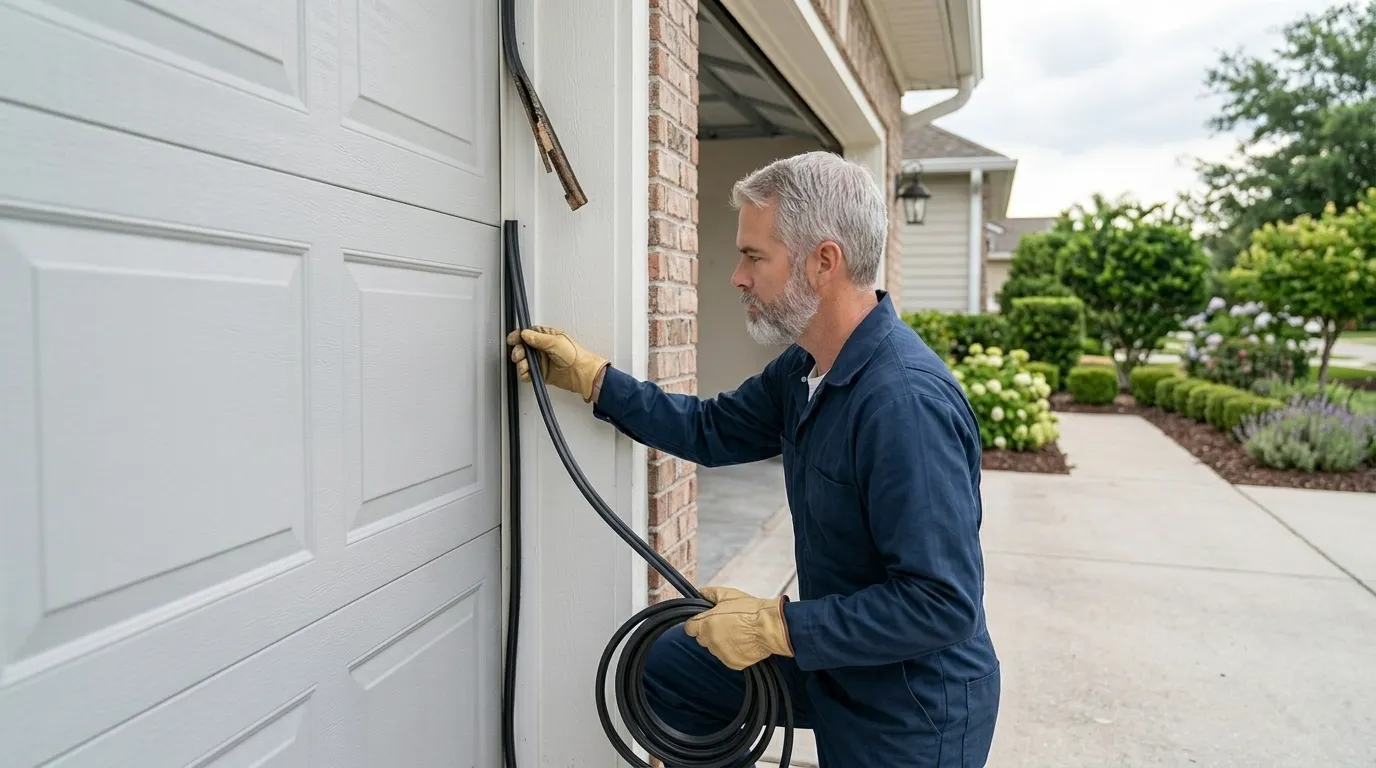
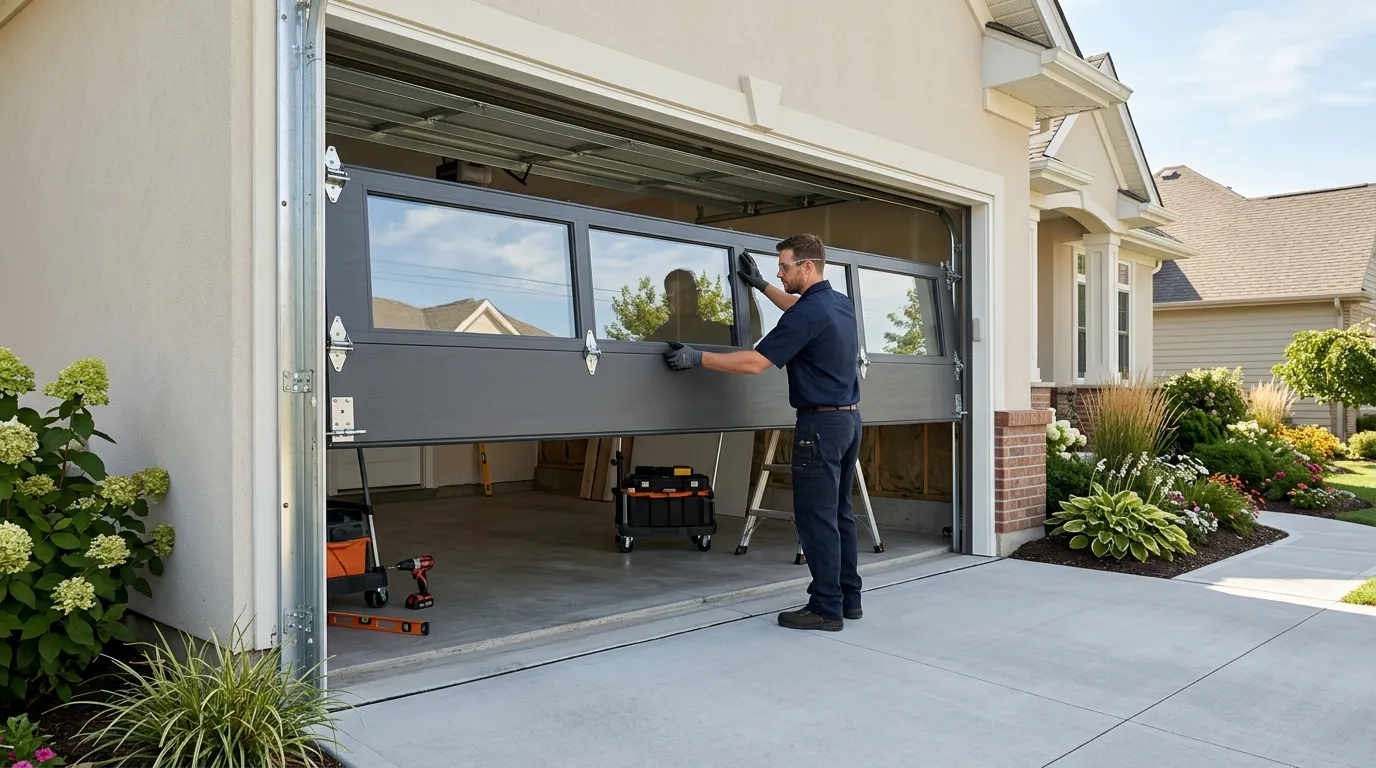
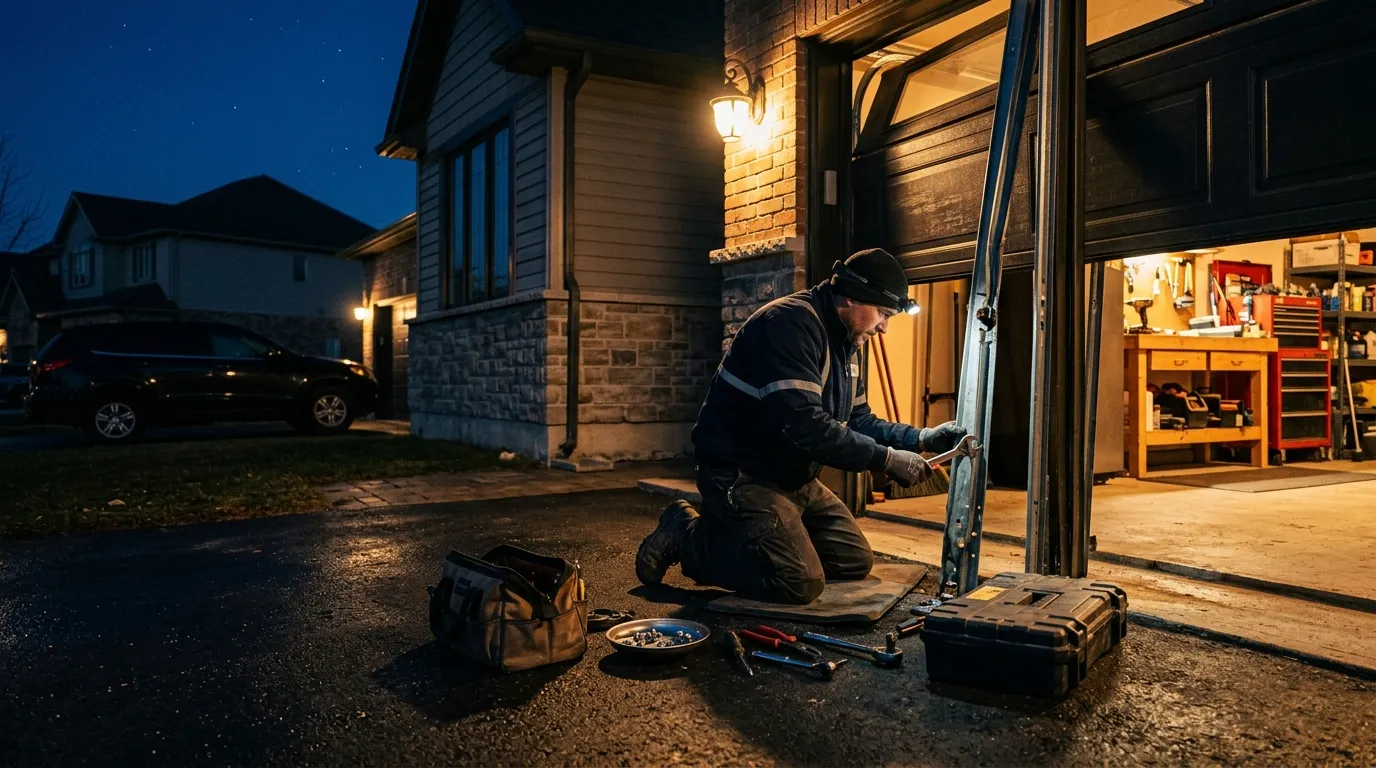
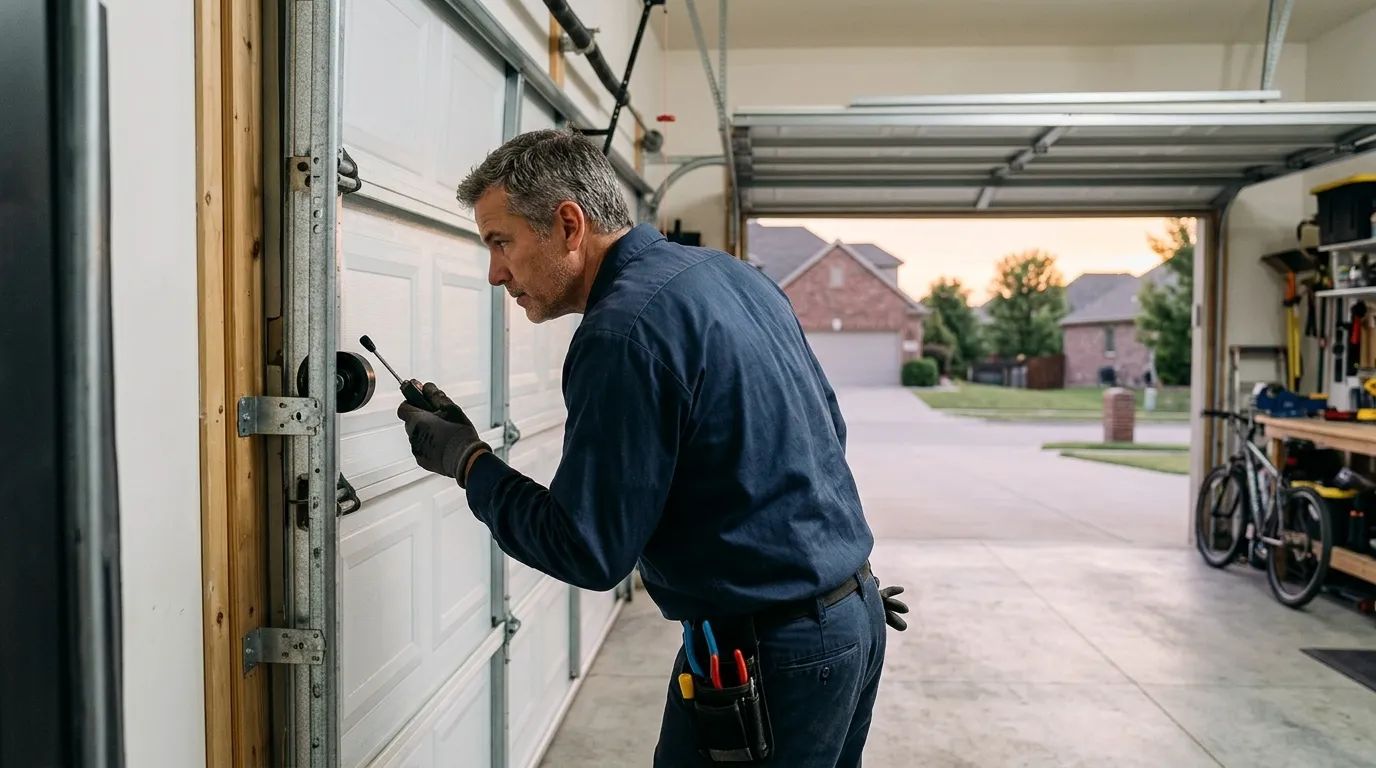
We'll say this plainly: a broken garage door cable is not a safe DIY repair, and we're not going to pretend otherwise to sell a job. The cable is what's holding tension on the spring system, and disturbing it wrong on a door that's still under load is how people end up with a crushed hand or a door that comes down fast. What you can safely do yourself is diagnose. Look at the cable running down each side of the door - if you see kinks, rust-colored strands poking out, or one side visibly loose or dangling, that's your answer, and the door should stay parked until it's fixed. Don't try to force the door open or closed if a cable looks compromised, even partway. Don't cut the old cable off yourself expecting to feed a new one through - the drum has to be held in a fixed position while that happens, and doing it without the right clamps is exactly how the spring lets go unexpectedly. If your opener is still trying to run the door on a bad cable, unplug it. That's the extent of what's reasonable to handle before calling for the repair itself.