The Symptom
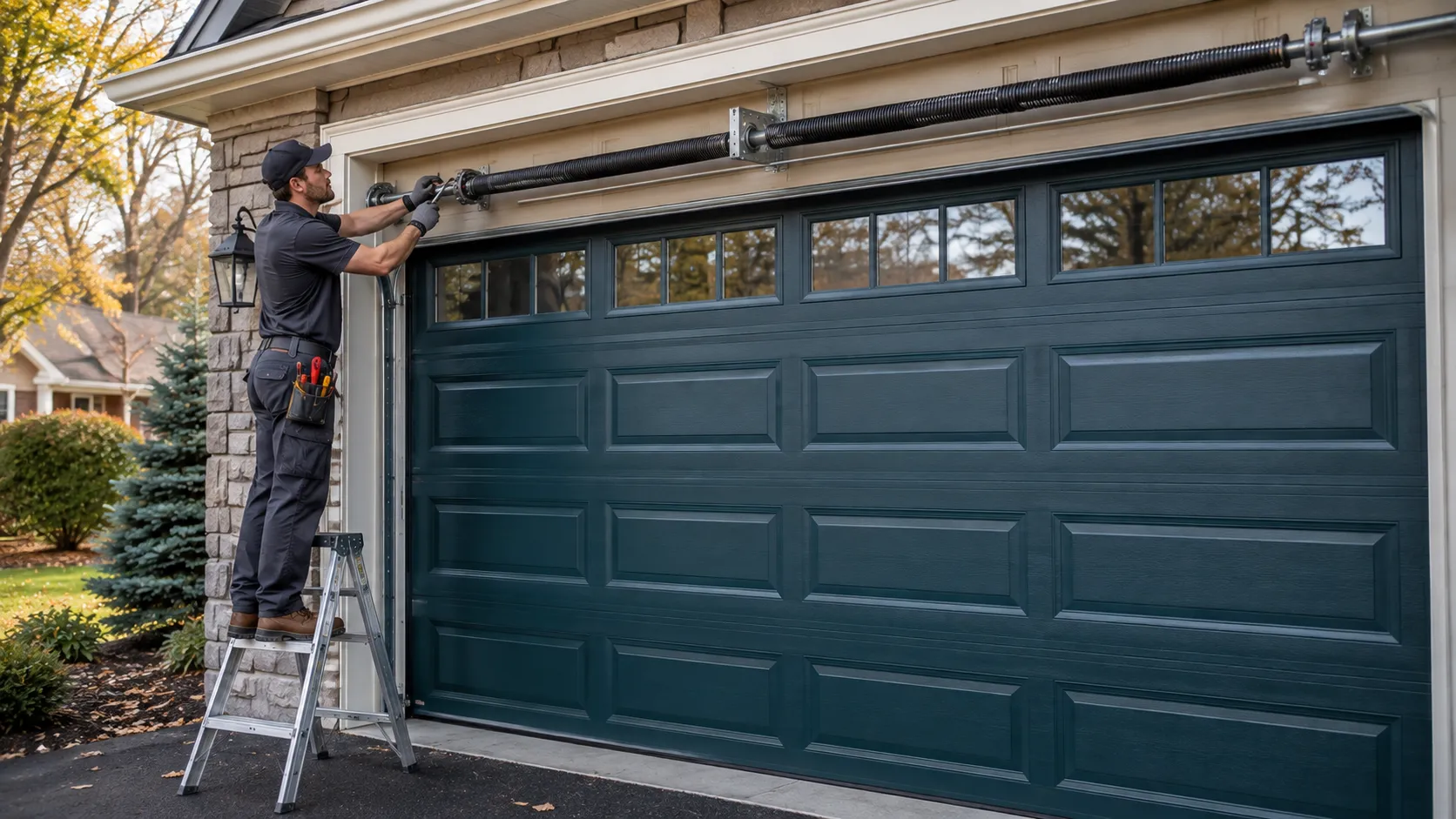
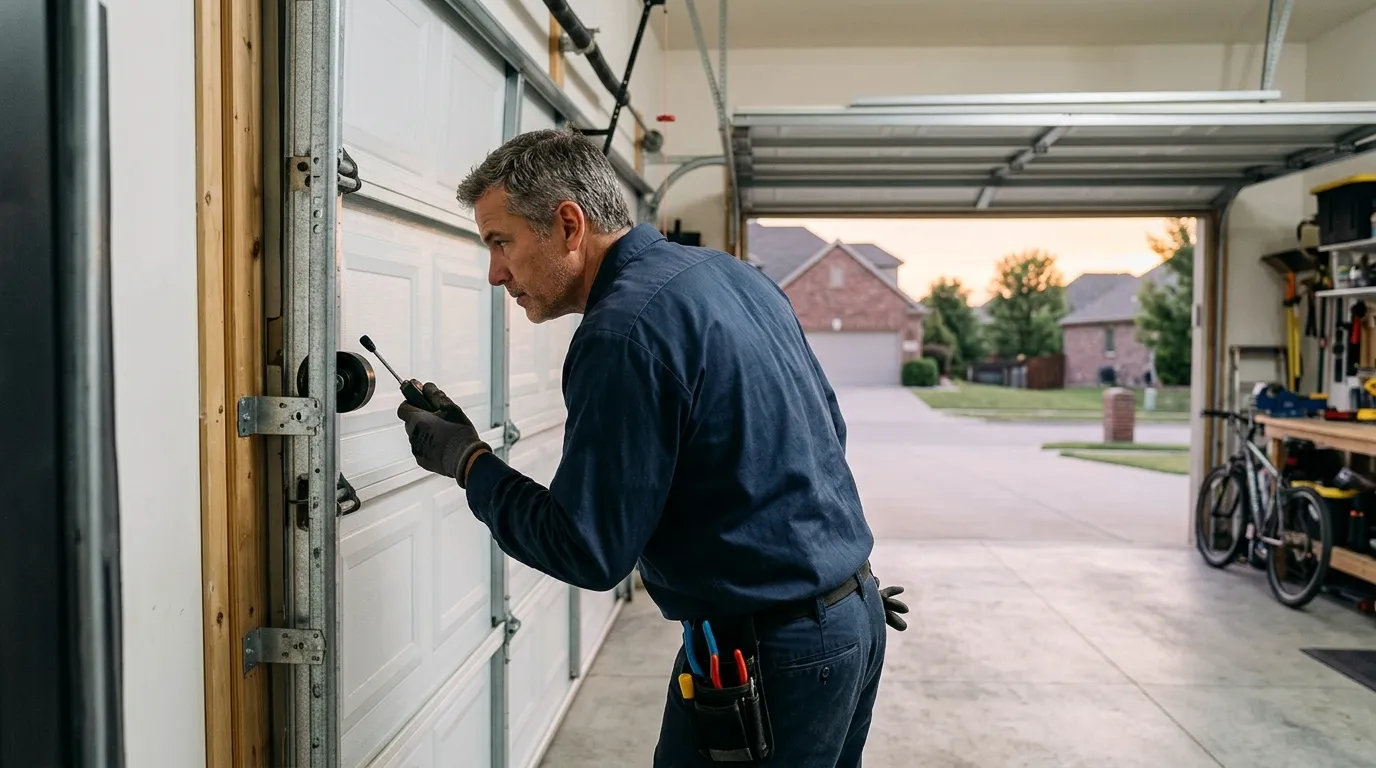
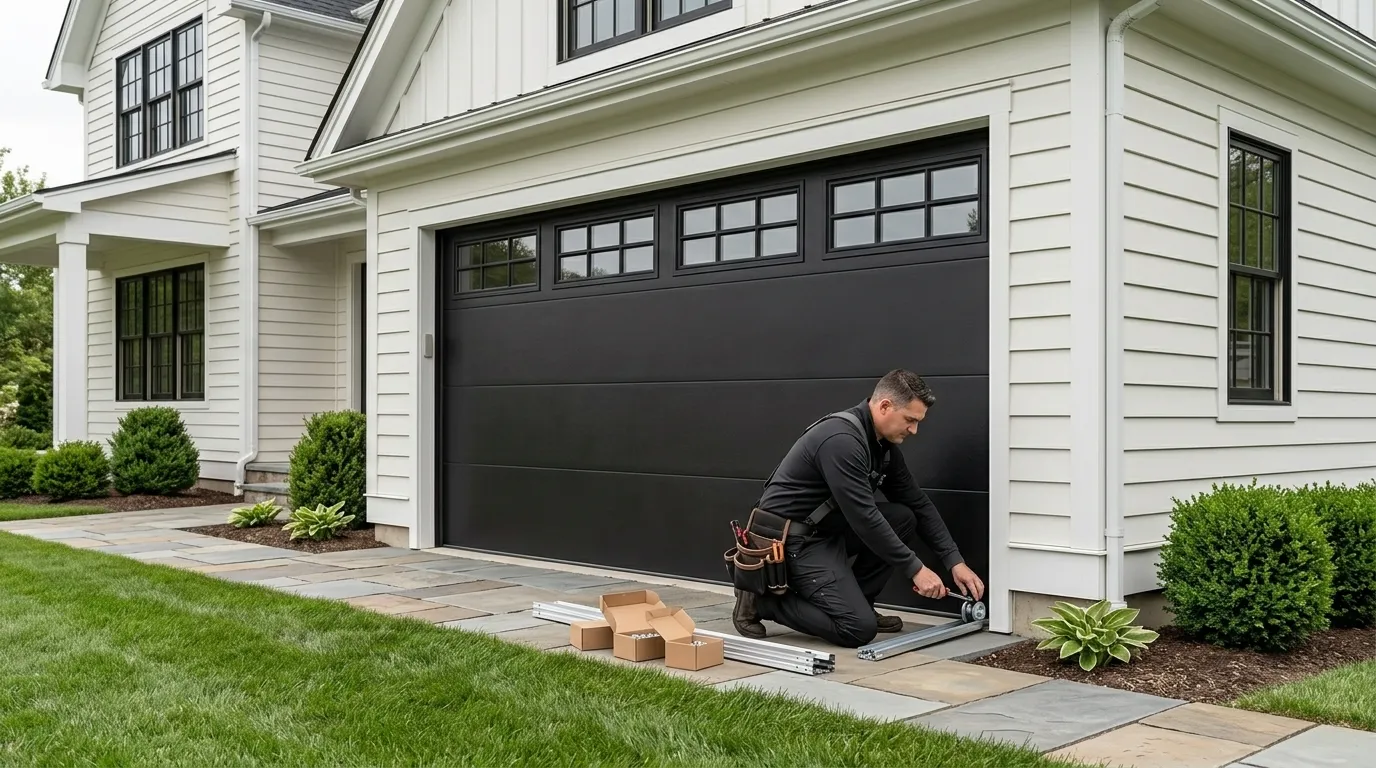
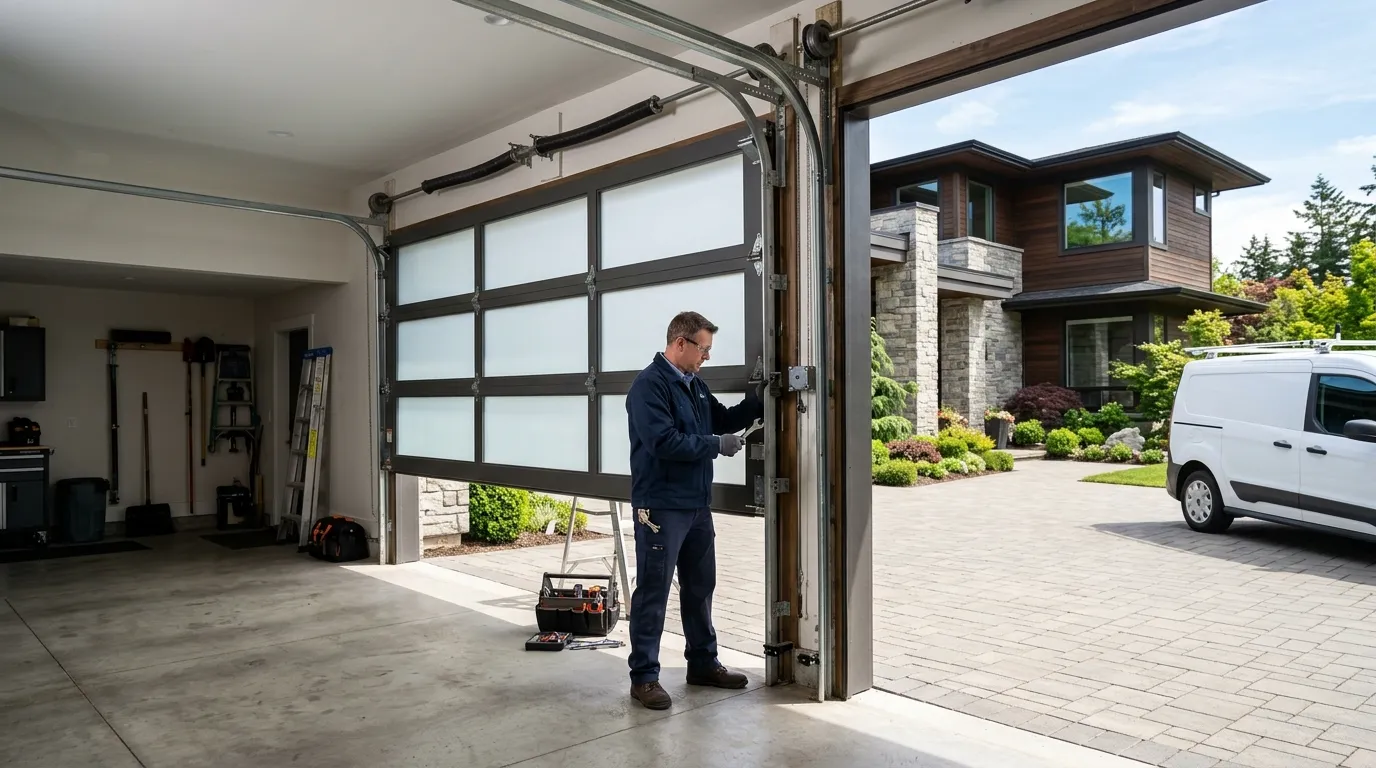
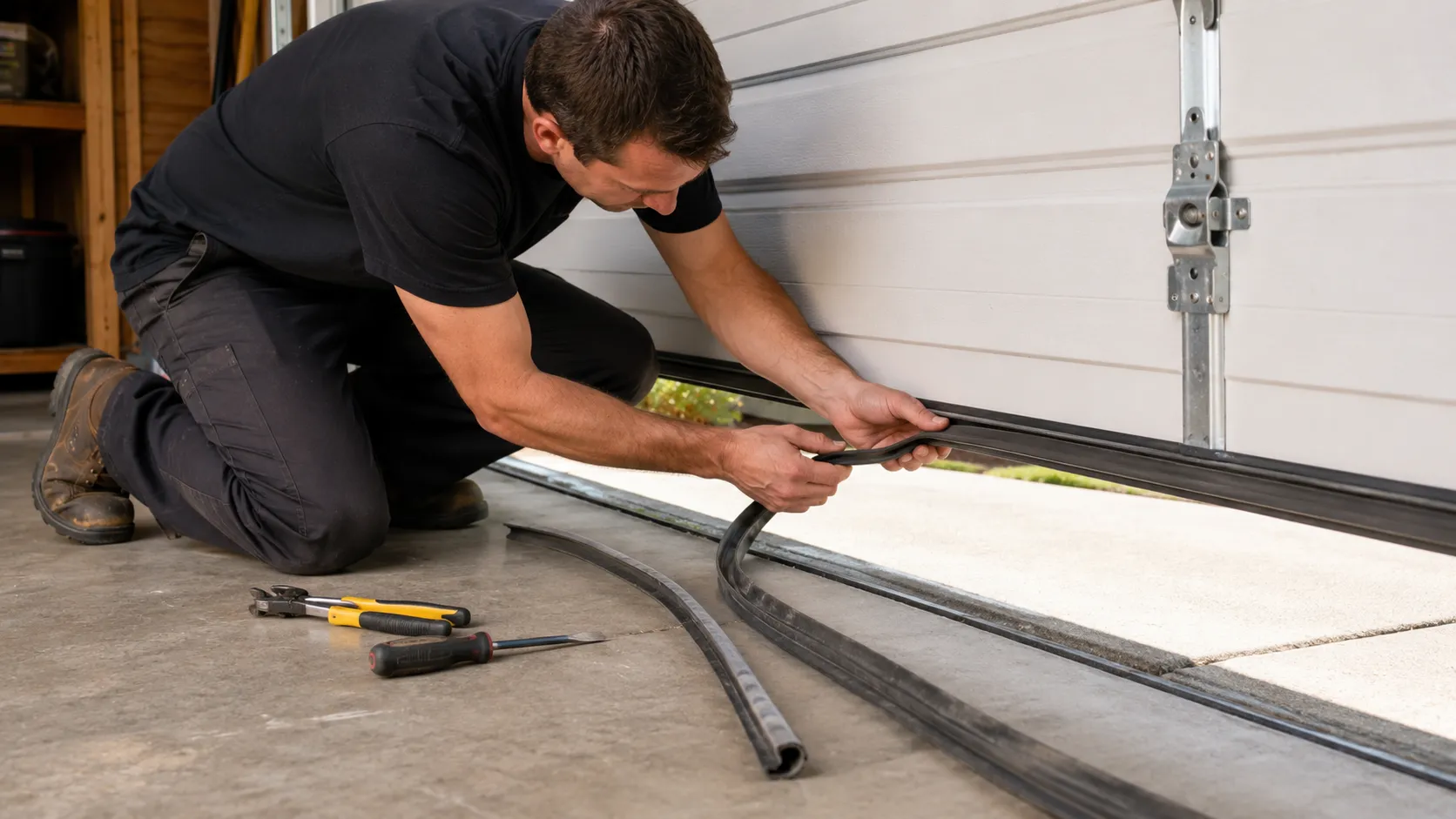
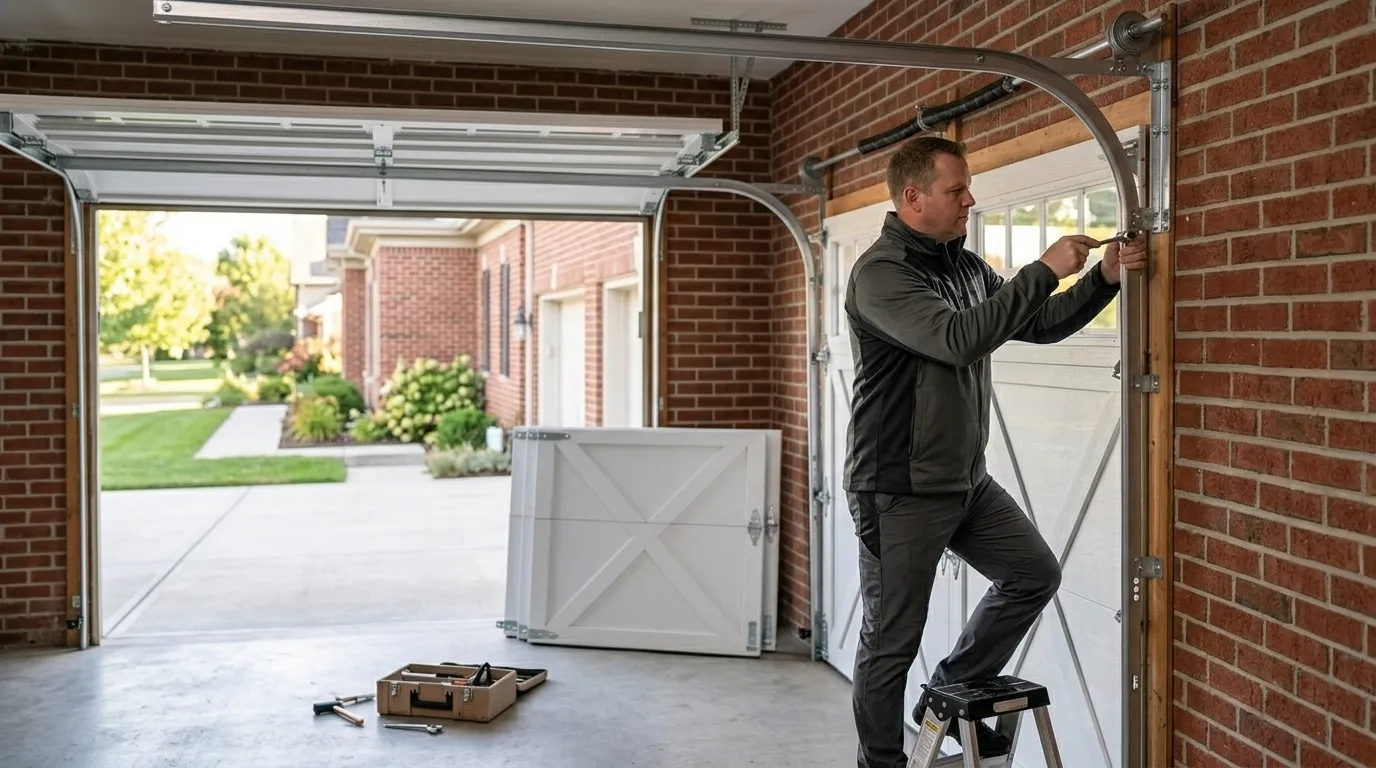
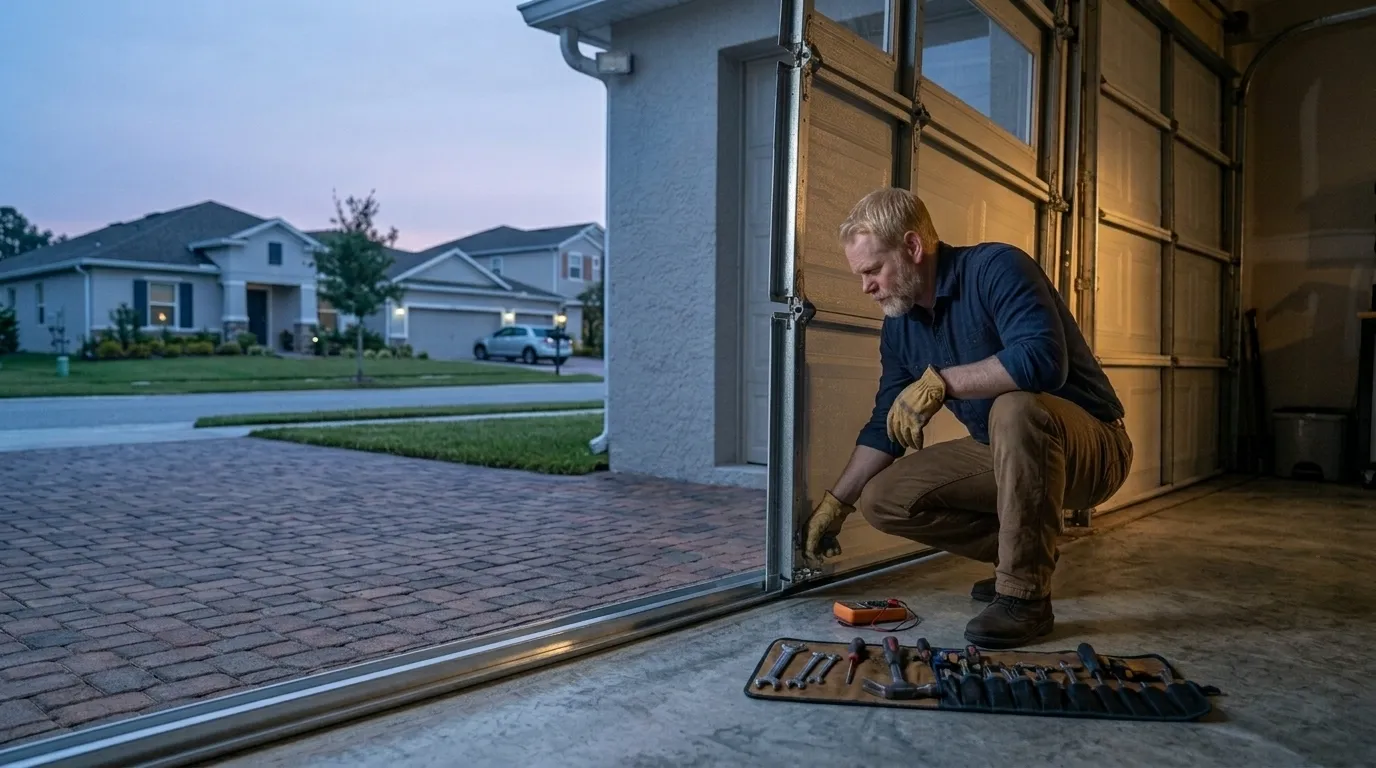
Most calls out of Ripon start the same way: a door that used to close quiet now bangs or shudders partway down, or an opener that reverses for no clear reason. Given the median build year of 1995 here, that's usually a galvanized torsion spring reaching the end of its cycle count, or a roller track that's picked up thirty years of dust and never been cleaned. Homeowners in Tracy's older neighborhoods often deal with one-piece doors and side-mount hardware from the 1960s and 70s - that's not what's on the wall in Ripon. Here the doors are sectional, extension or torsion spring depending on the builder, with openers from a later generation. The symptom looks similar from the driveway, but the part behind it is a different part, built a different decade.
Why This Fails Locally
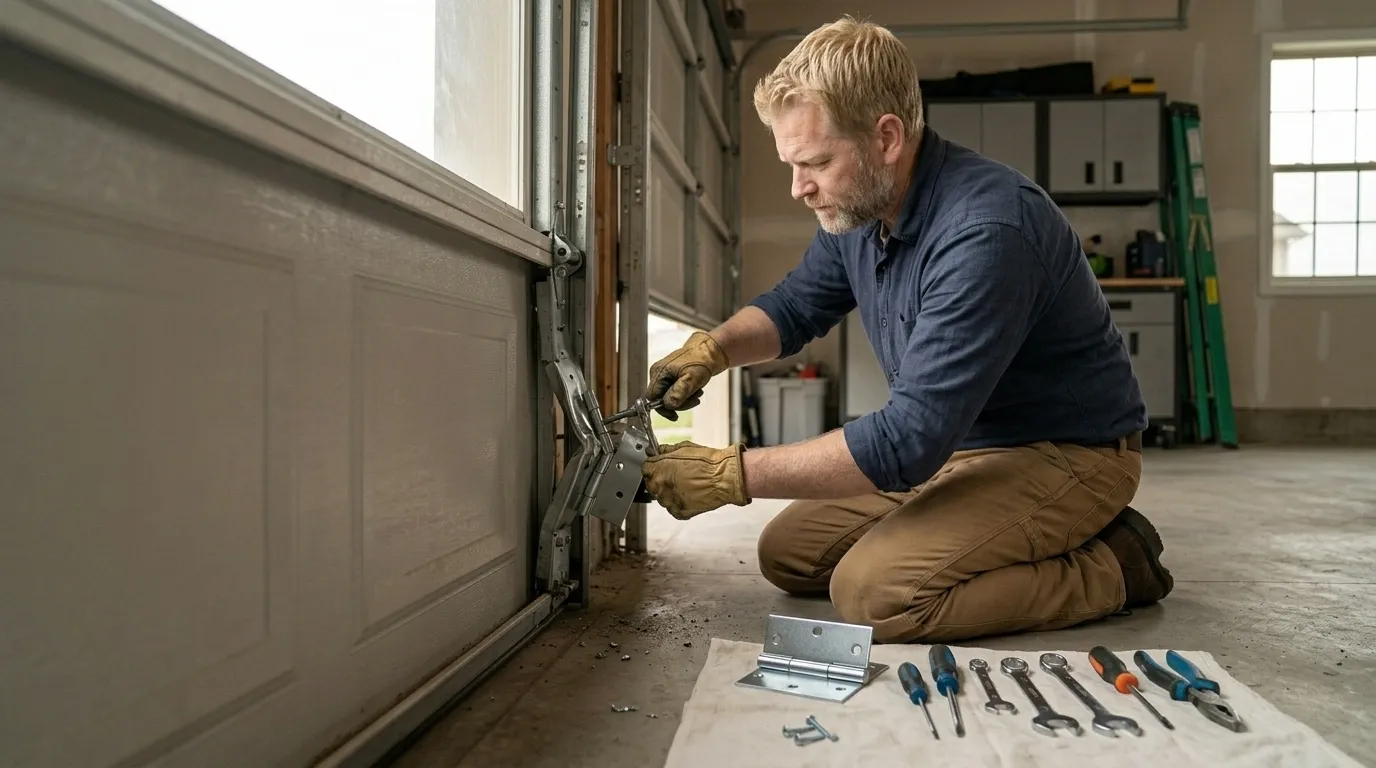
The reason maintenance matters more in Ripon than the symptom alone suggests comes down to what's under the door, not what's visible. A door built around 1995 is old enough that its original hardware is at or past the end of a normal service life, but new enough that a lot of owners haven't had a reason to think about it - it's not a 1970s door people already associate with wear. That gap is where the failures show up: a spring nobody's touched since installation, a sensor wire that's been pinched behind a shelf for years. With median household income at $120,061 across roughly 5,504 households in the area, most of these are owner-occupied homes where the door has had one owner and one install, which means the maintenance history is whatever the builder did and nothing since.
Time on the Job
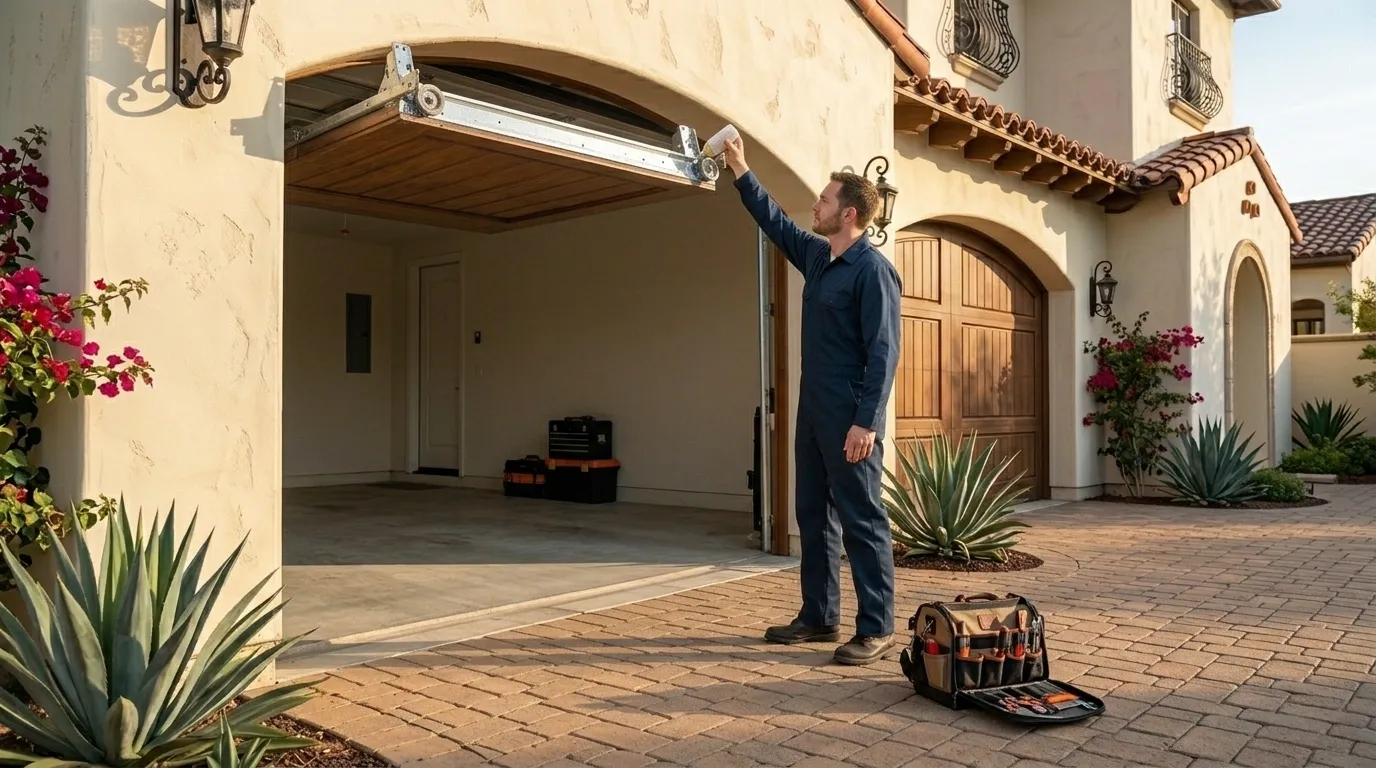
A standard maintenance visit runs about the same length whether the house is in Ripon or closer to the shop - the work itself doesn't change with the mileage. What the distance changes is how we route the day: an 18-mile run means Ripon jobs get grouped rather than squeezed in one at a time, so the appointment window tends to be a bit wider than it would be for a call five minutes from Tracy. We're upfront about that going in - if you need a same-day emergency fix rather than scheduled maintenance, say so when you call, because the routing for that is different from a planned tune-up.