The Symptom
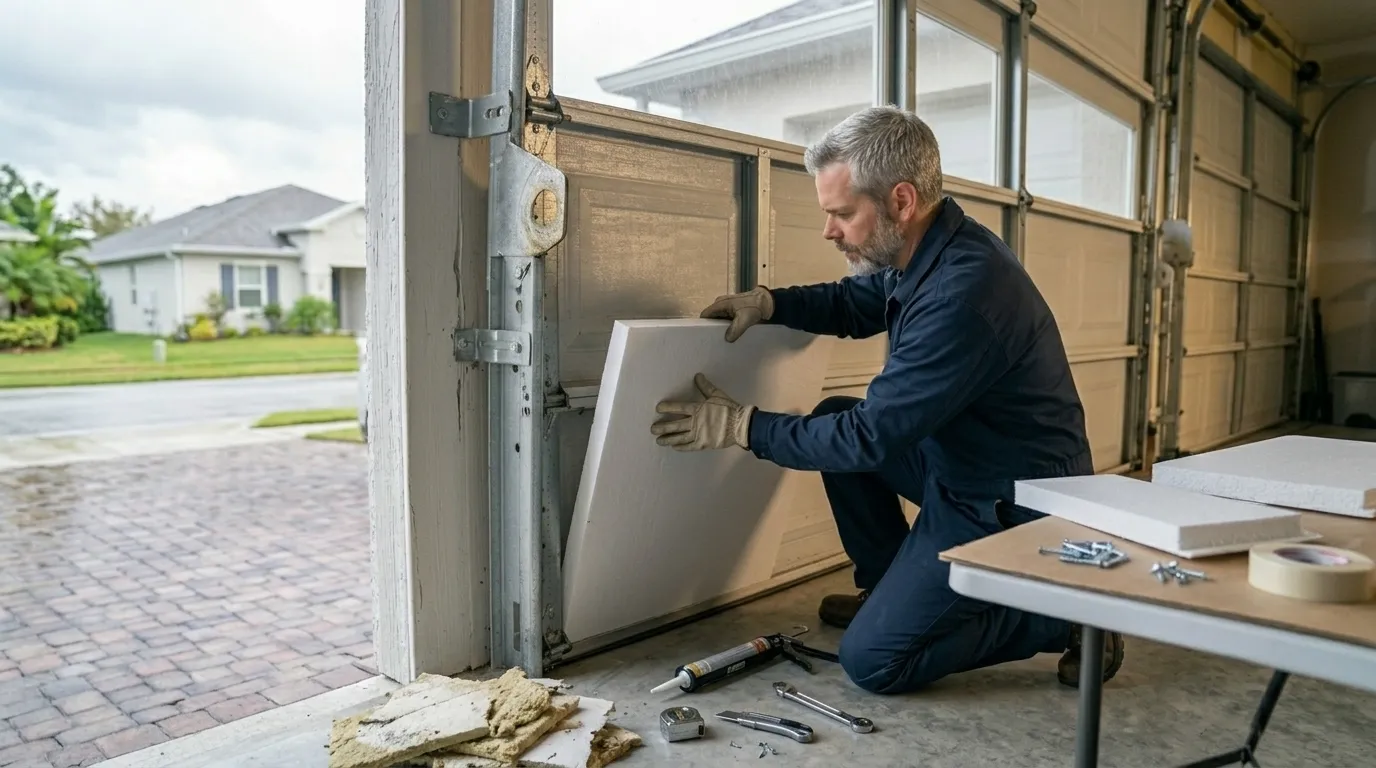
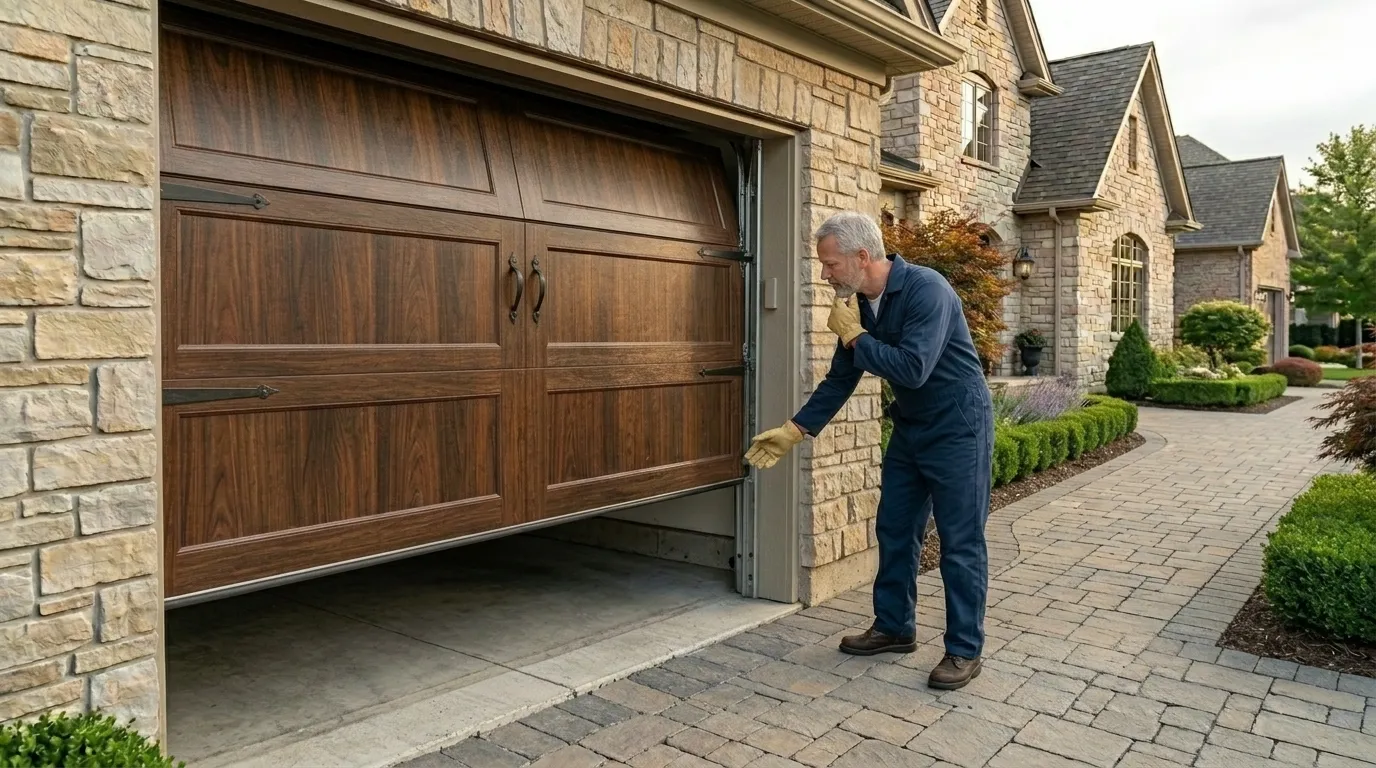
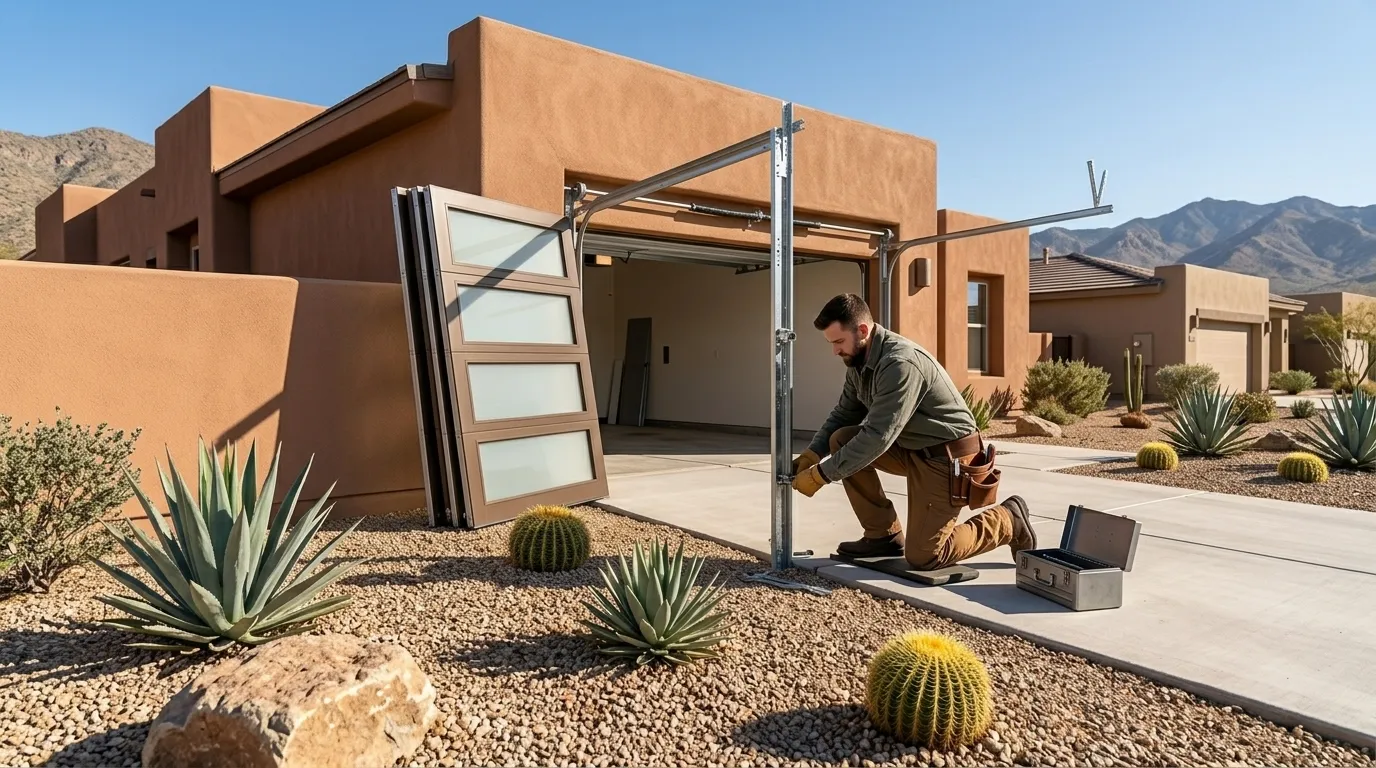
The panel that gets dented is almost always the bottom one - a trailer hitch, a bike, a car bumper that didn't quite clear. Sometimes it's UV and heat instead of an impact: the skin bows outward, the foam backing separates, and the section stops sitting flush against its neighbors.
Ripon's housing stock skews newer than the rest of the Tracy service area - median year built here is 1995, versus a median of 1979 across the broader area, which runs 1956 through 2010 overall. That later build date usually means factory steel sectional doors instead of the older wood or fiberglass panel styles you'd find on a house from the 60s or 70s. Steel sectionals dent cleaner - a hard crease rather than a splinter or a rotted patch - which is actually good news for a panel-only repair, because the surrounding sections are more likely to still be structurally sound and worth matching against.
Why This Fails Locally
The climate band here runs moderate heat, and moderate doesn't mean mild. Steel panels with a foam core expand and contract through the day, and over enough summers that stress shows up as a slight bow or a crack along a seam before anything mechanical actually breaks. On a 1995-era door, that's a panel problem years before the springs or the opener give any trouble.
With 5,504 households in Ripon built mostly in that same mid-90s window, a lot of doors share the same builder-run colors and rib patterns. That's an advantage when we're sourcing a match - a same-era panel is more likely to actually line up - but it's not a guarantee. Manufacturers change panel profiles and discontinue colors, and a door that's 25-30 years old may need the whole face repainted or replaced to hide a seam, even with a technically correct match.
Time on the Job
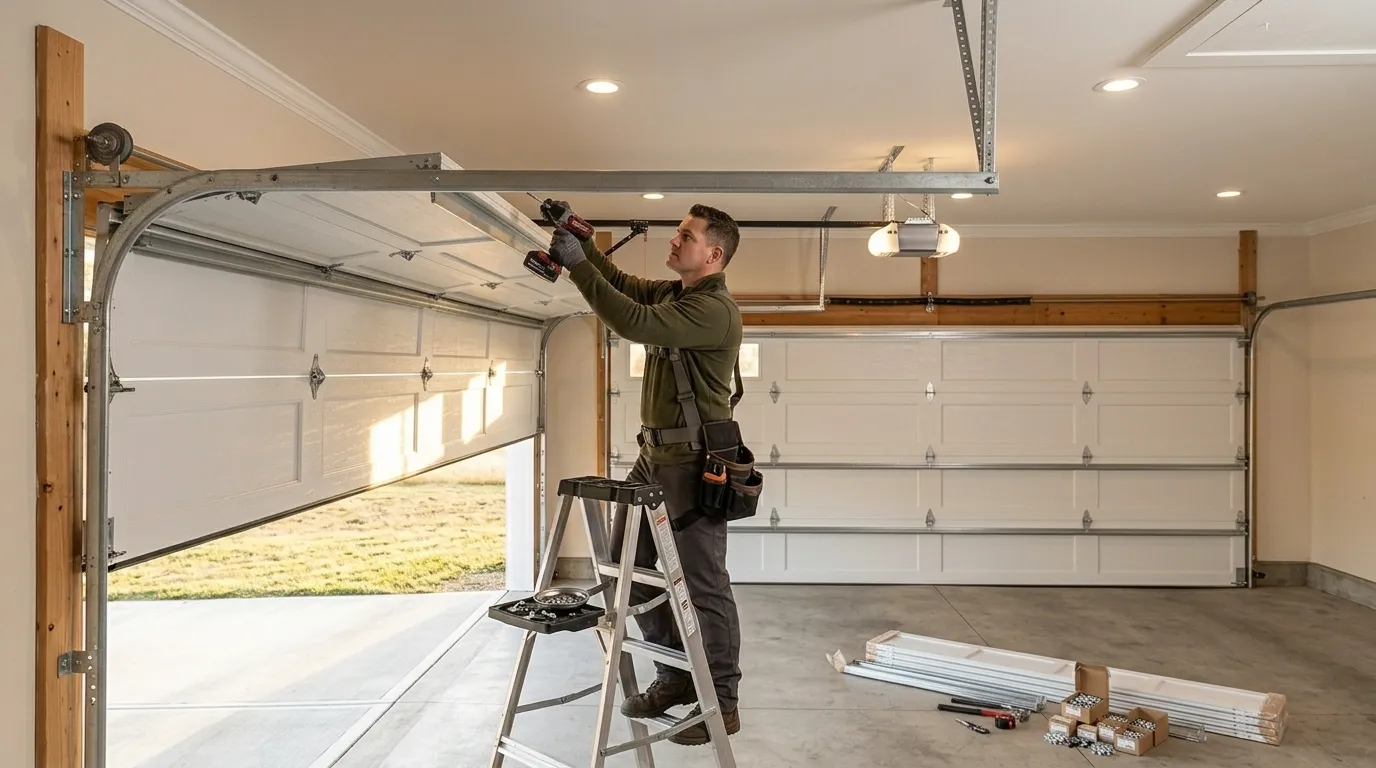
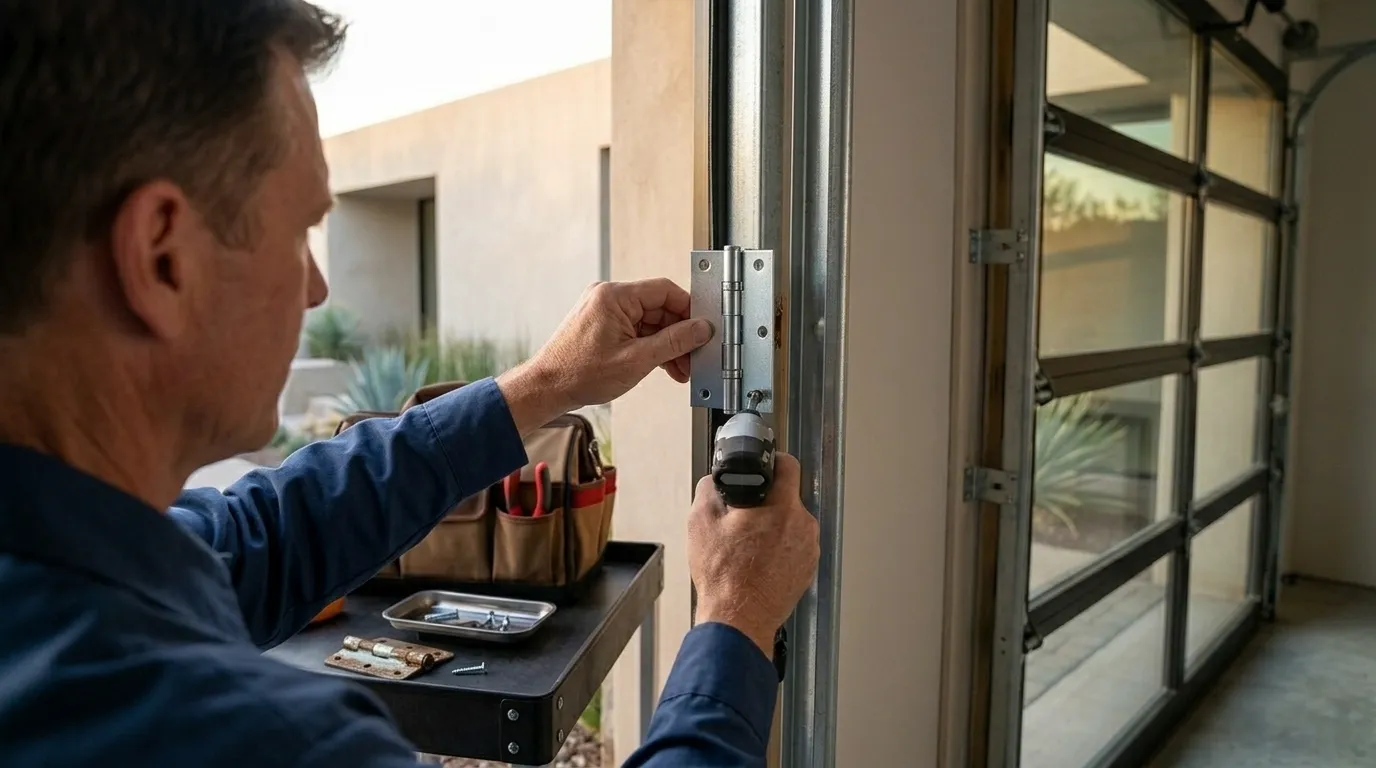
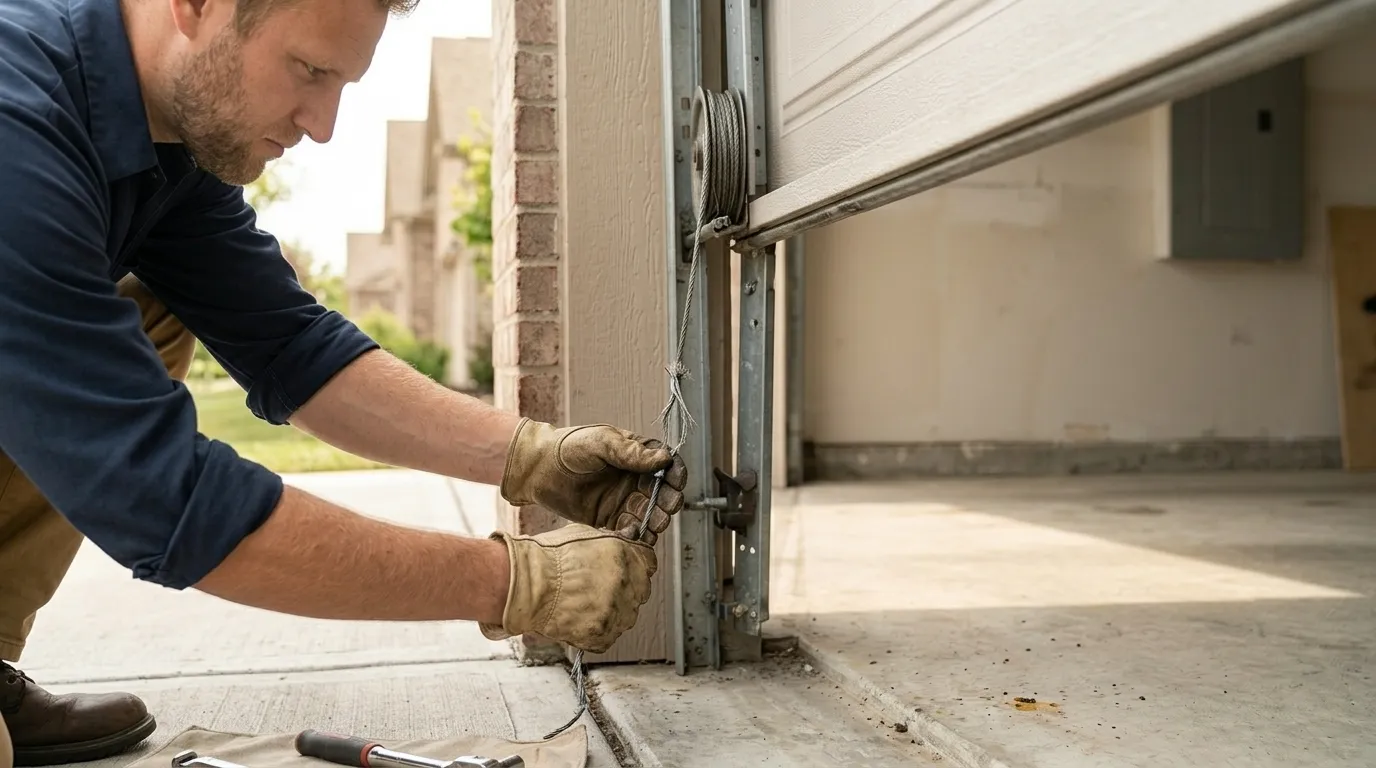
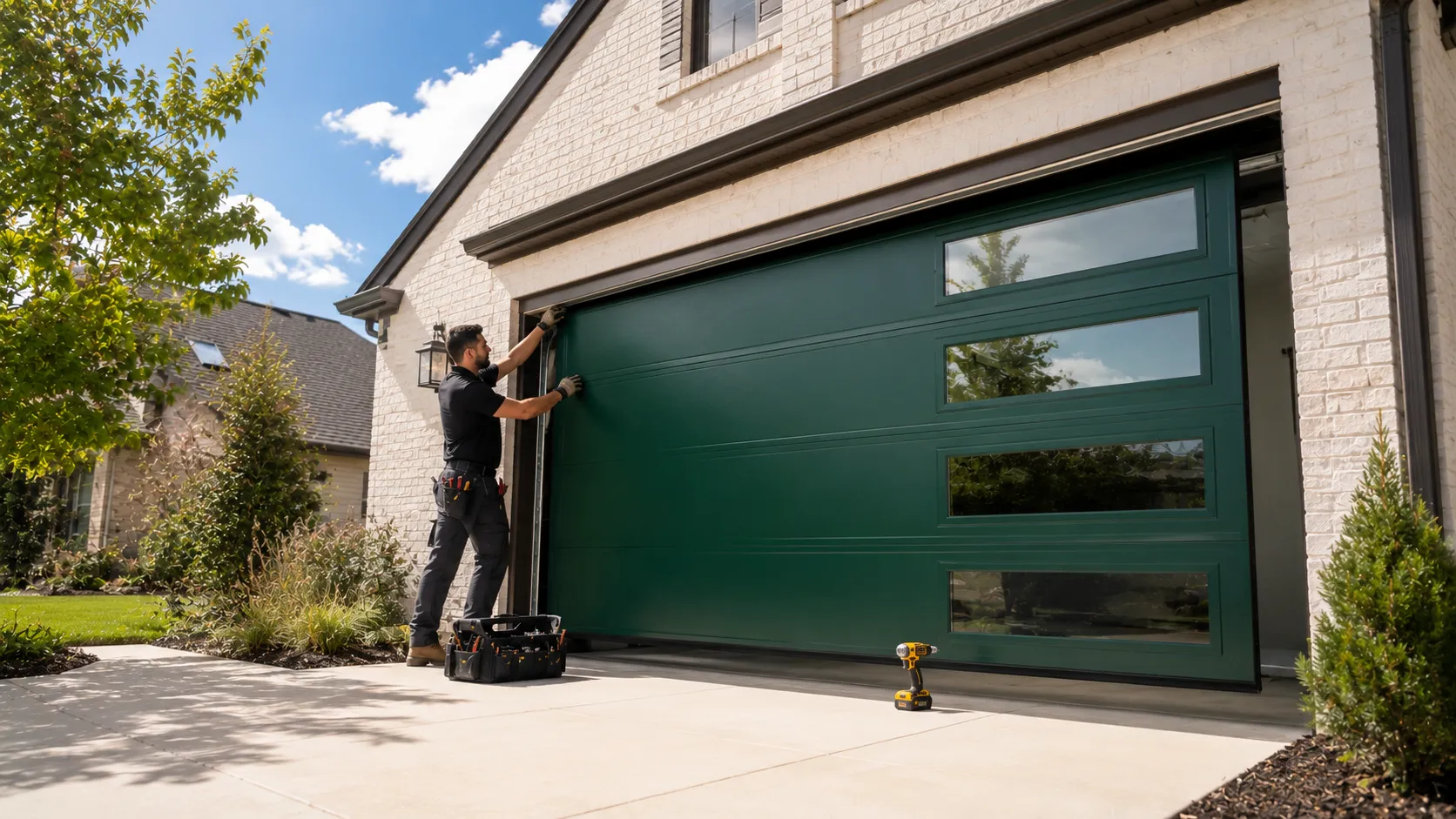
A straightforward bottom-panel swap on a door that's still in good shape elsewhere usually runs under two hours once the part is on the truck. What eats time isn't the bolting - it's the sourcing. We're driving 18 miles out from Tracy for every Ripon call, so the panel needs to be matched and in hand before the truck leaves; there's no swinging back for a part that turns out wrong.
If the panel has to be special-ordered because the door's an older or discontinued style, that adds lead time measured in days, not hours, and we'll say so upfront rather than guess at a date. A full door replacement, when that's the better call, is a longer job the same day parts are on hand - but that's a separate conversation from panel repair, and it's the kind of estimate that needs eyes on the actual door first.