Time on the Job
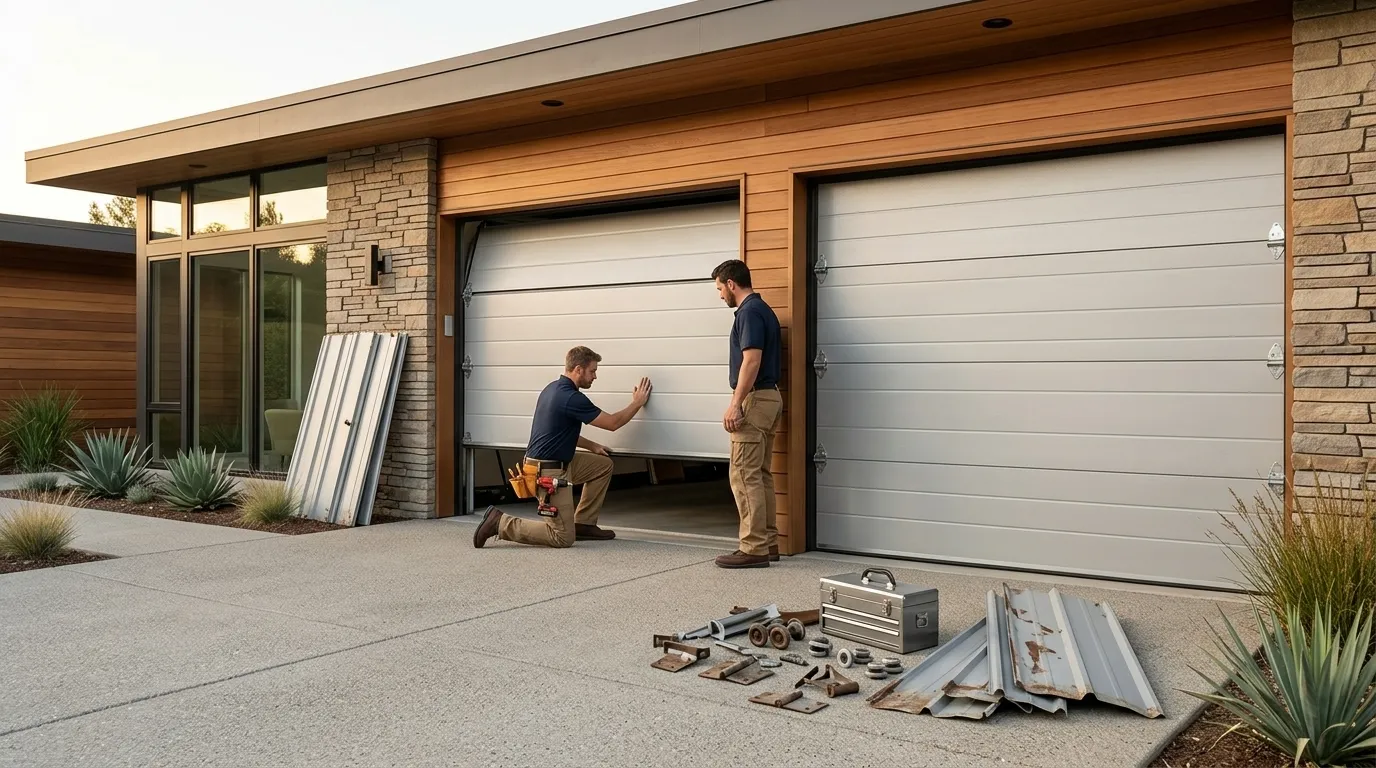
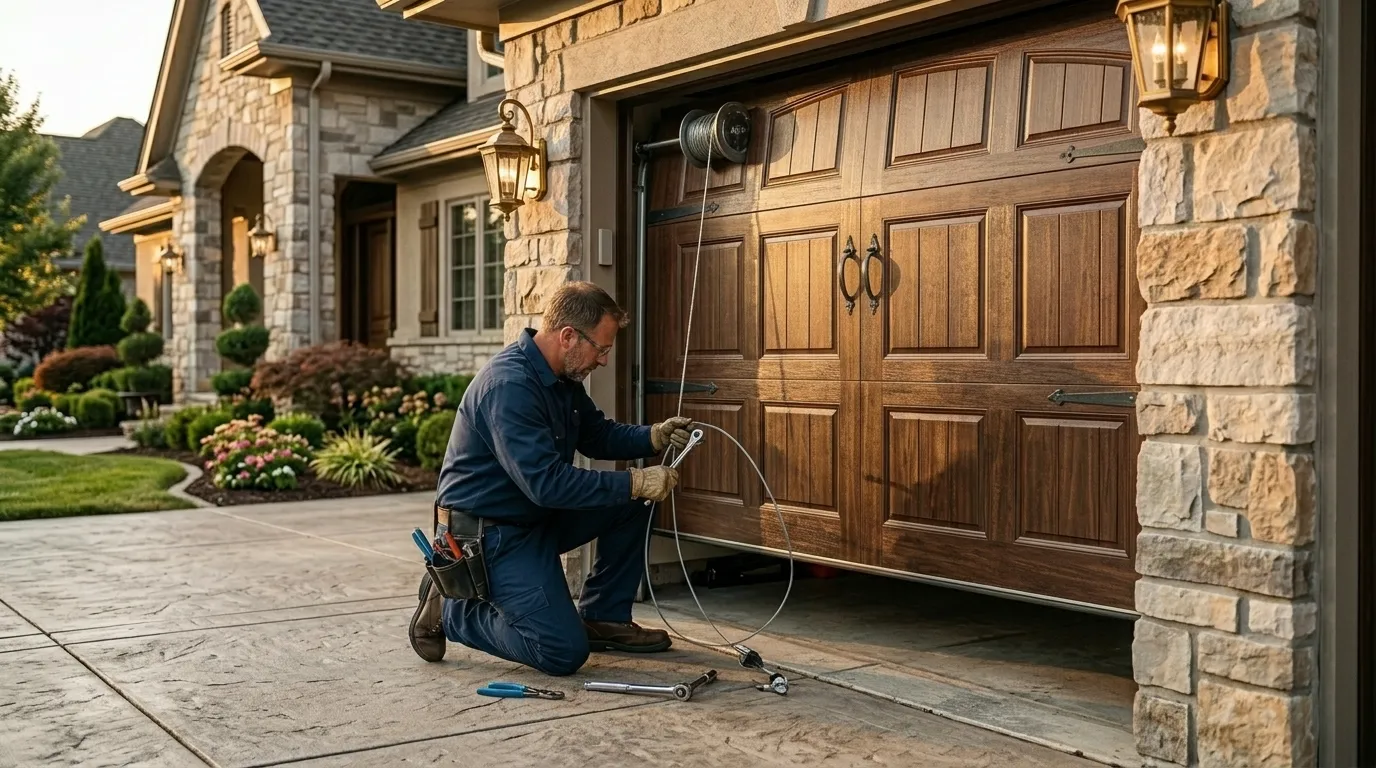
A straight cable replacement, once we're on site with the door open and the spring tension confirmed safe, is a same-visit fix. The extra time in Country Club usually goes into diagnosing what the cable damaged on its way out, not into the swap itself. On a 1956-era door, that often means checking the drum for wear grooves and the bottom bracket for stress cracks before we call the job done, because those two parts fail next if the cable that wore on them isn't replaced properly.
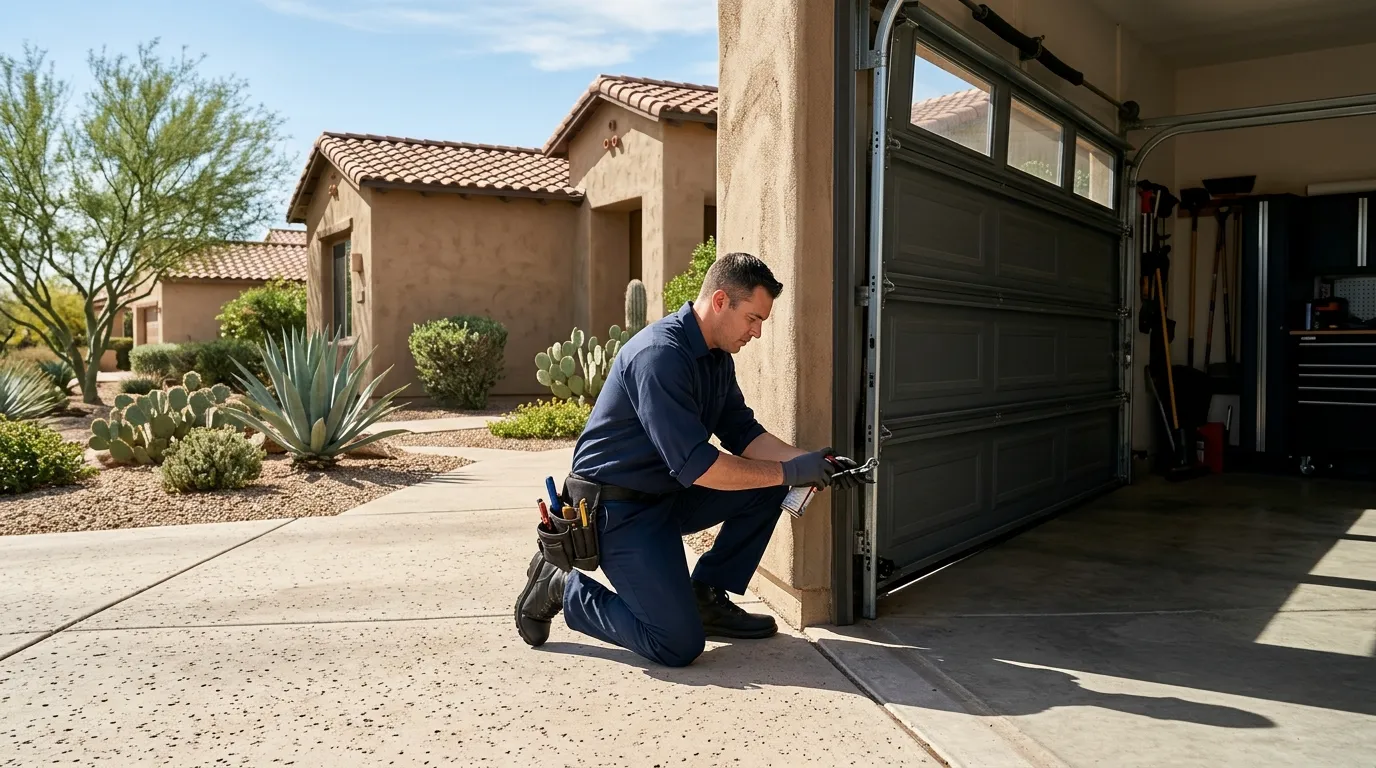
We travel to Country Club from our base in Tracy, about 18 miles out. That's a real drive, not a walk-around-the-corner call, so we ask for a clear description of what's happening on the phone before we head over - a door that won't move at all reads differently than one that's crooked on one side, and knowing which one it is changes what's on the truck when we arrive.
The Cost of This Job
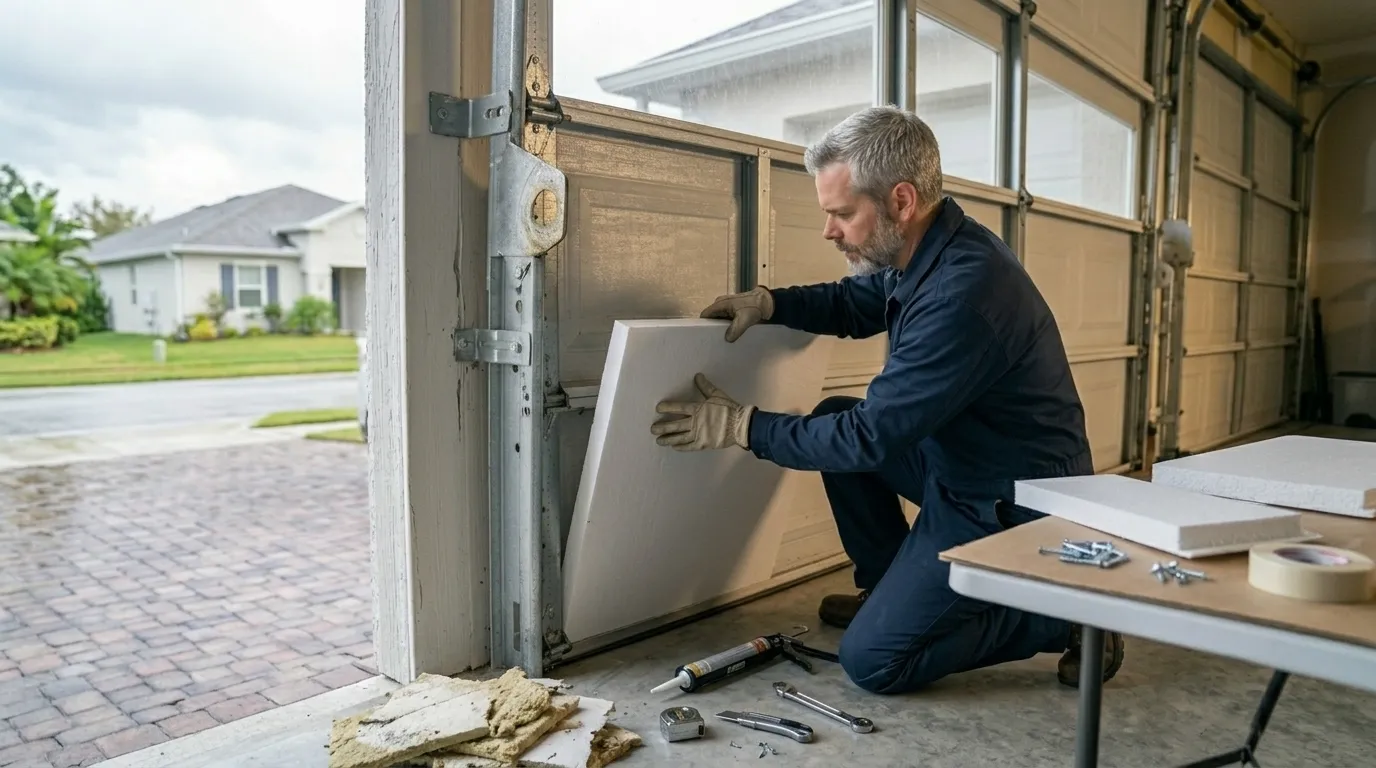
We don't publish a flat number here because cable jobs on older doors vary more than they do on newer ones - a straight swap costs less than a swap plus a bent track bracket or a worn drum. What we can say is the decision point: with a median income of $79,506 in Country Club, a repair that stays under a few hundred dollars is worth doing on almost any door in decent shape, including the older 1956-era builds that still make up a lot of this neighborhood. Where it stops making sense is a door with rot at the bottom panel, a track that's been bent and re-bent, or an opener original to the house - at that point you're paying to patch a door that's going to need the same call again in a year or two, and full replacement is the honest answer.
We'll tell you on the spot which side of that line your door falls on. We won't sell a replacement on a door that just needs a cable.
What the Fix Involves
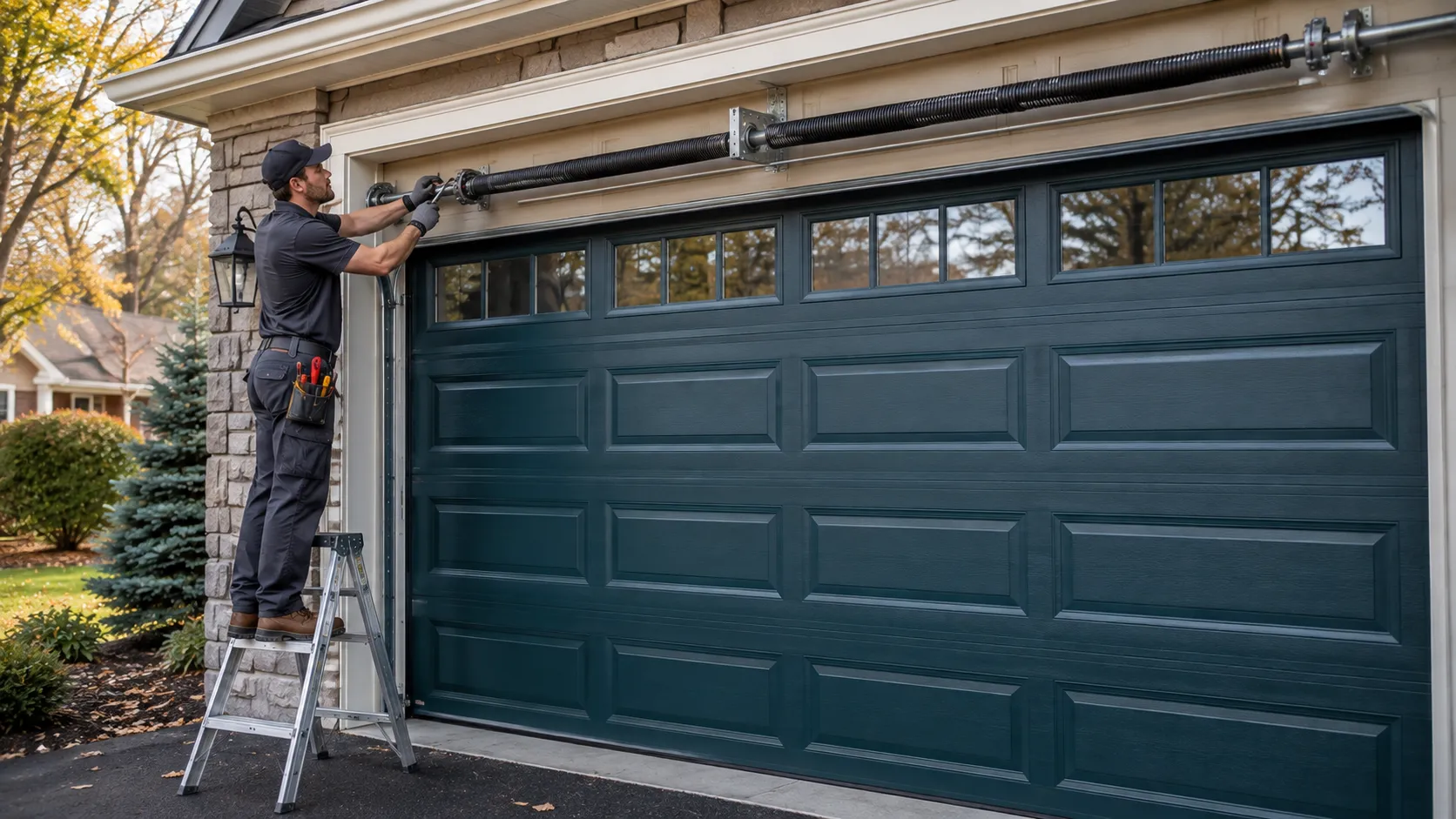
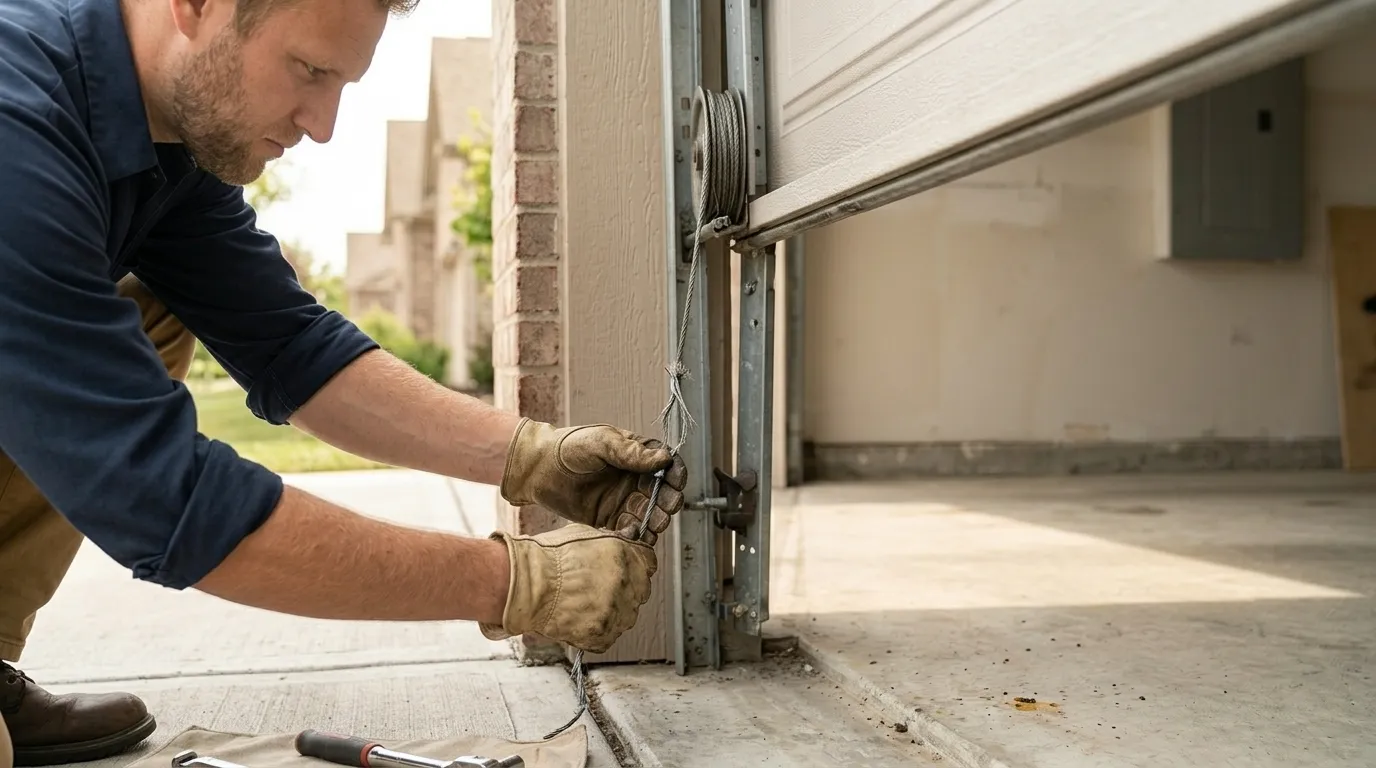
We start by releasing spring tension safely, since a cable can't be swapped with the spring still loaded against it. From there it's off with the old cable, a check of the drum and bottom bracket it ran through, and on with new cable sized to match the door's weight and hardware - not a generic length cut down to fit.
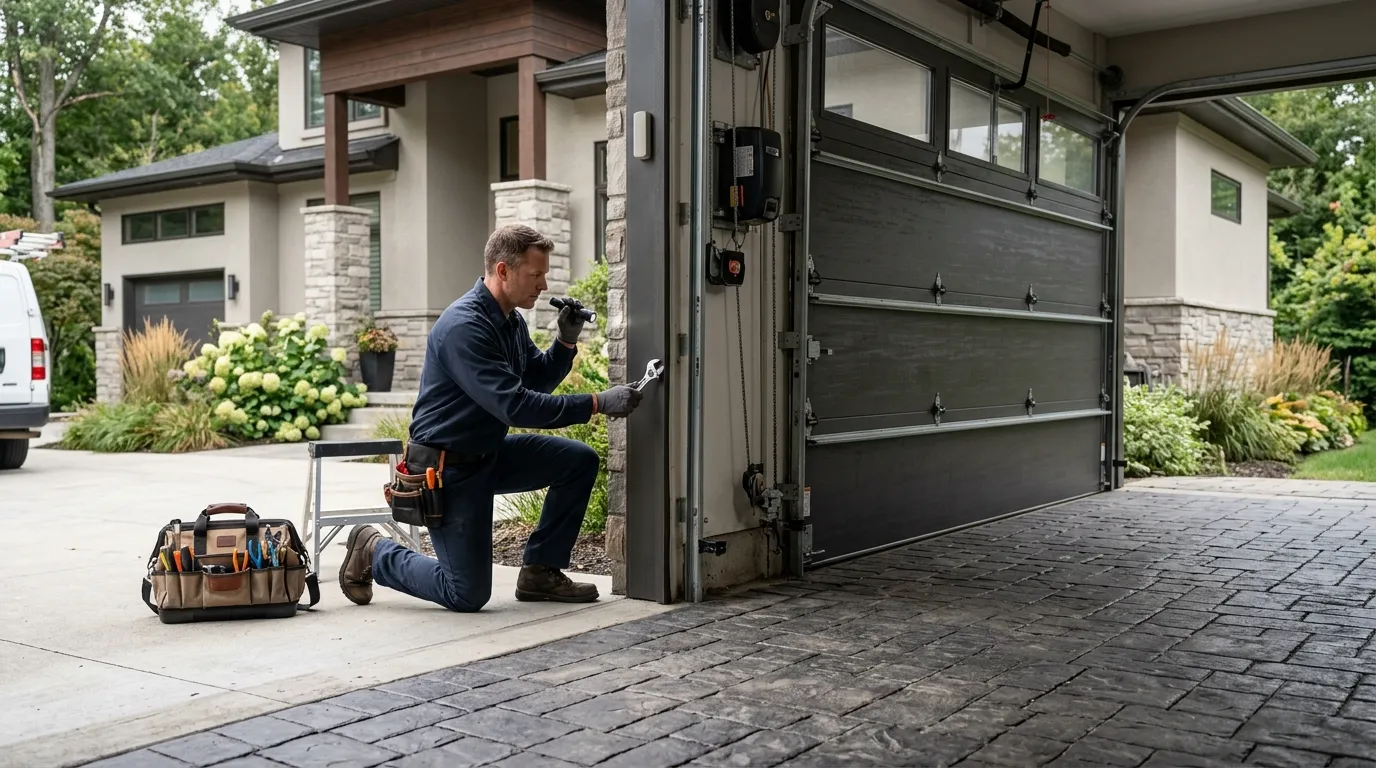
On the older doors common in Country Club, that check matters more than it does on a newer build. A drum with a worn groove will chew through a new cable in months if it's not resurfaced or replaced alongside it, and we've seen that skipped step be the reason a homeowner calls back within the year thinking the repair failed. It didn't fail - it just wasn't finished.
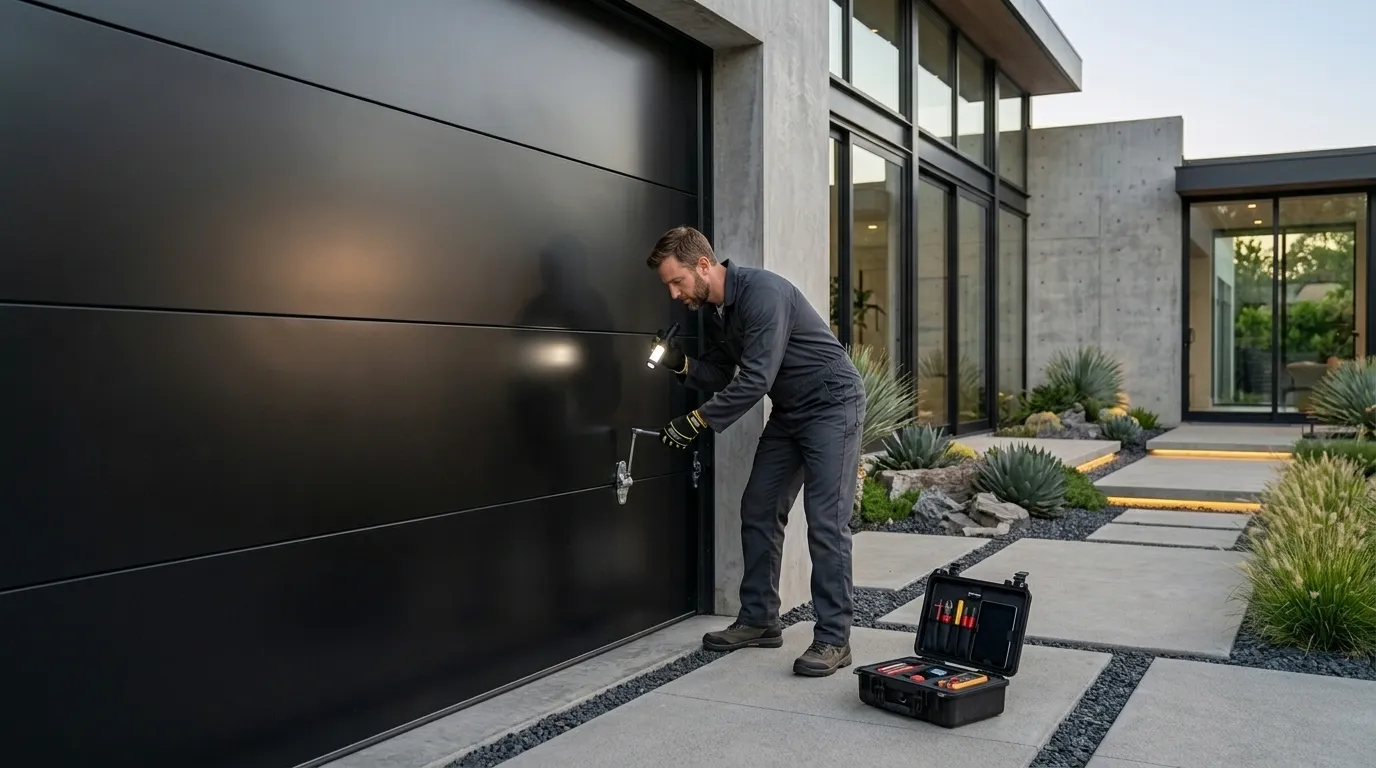
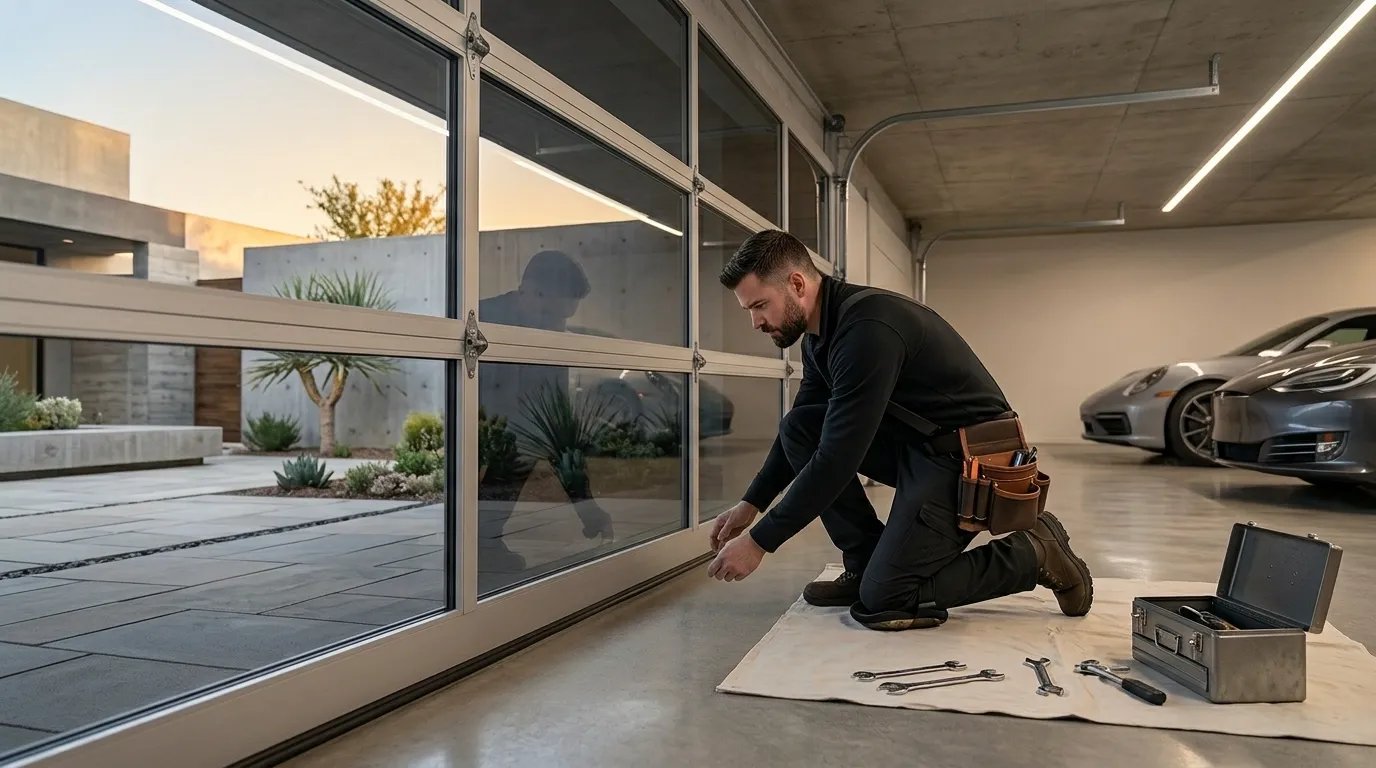
We test the door through a full open-close cycle before we leave, on both cables and both sides of the track, since a cable issue on a door this old is rarely isolated to just the one part that snapped.