Time on the Job
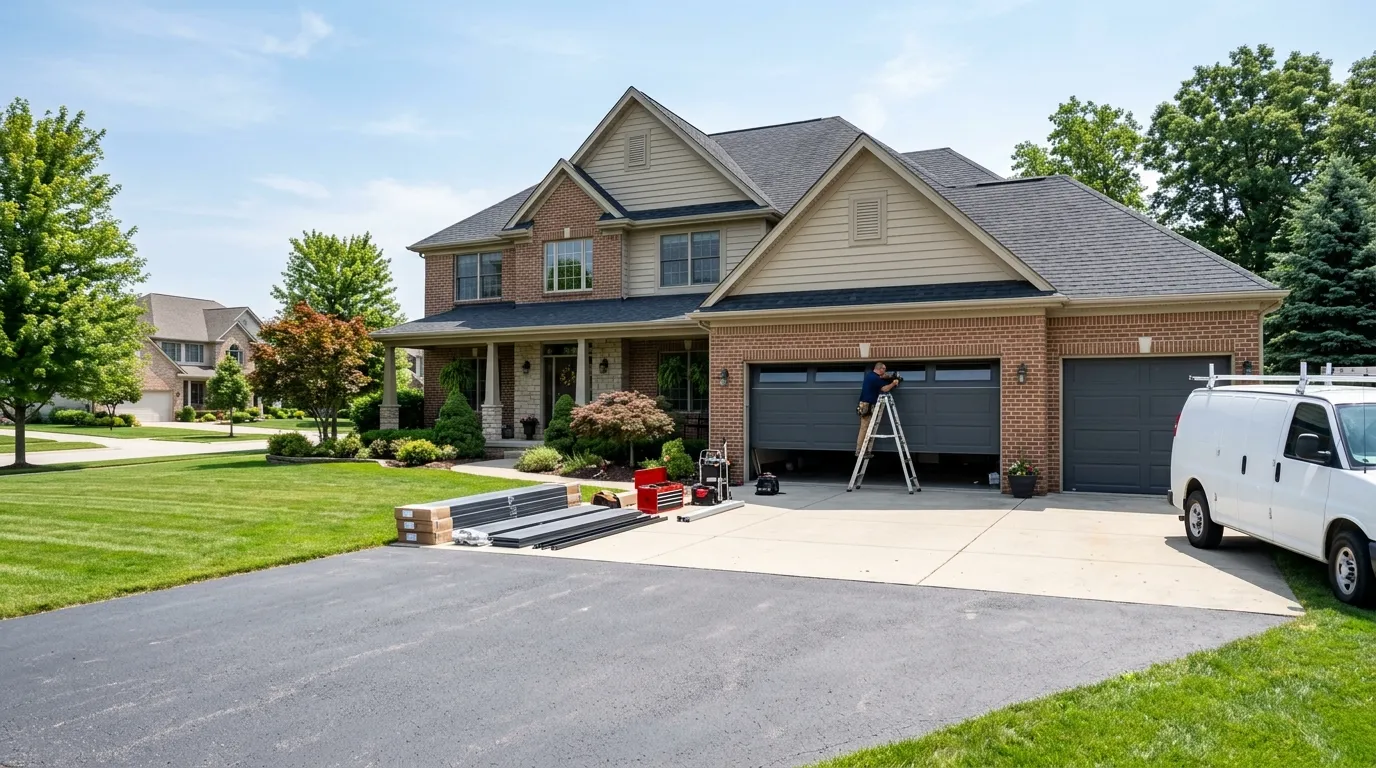
We're based in Tracy and Country Club sits about 18 miles out, so the job starts with that drive - there's no branch or crew stationed closer, and we won't pretend otherwise. Once we're on site, most single-spring or opener repairs on a house this age run long enough to actually inspect the hardware history, not just swap the failed part and go.
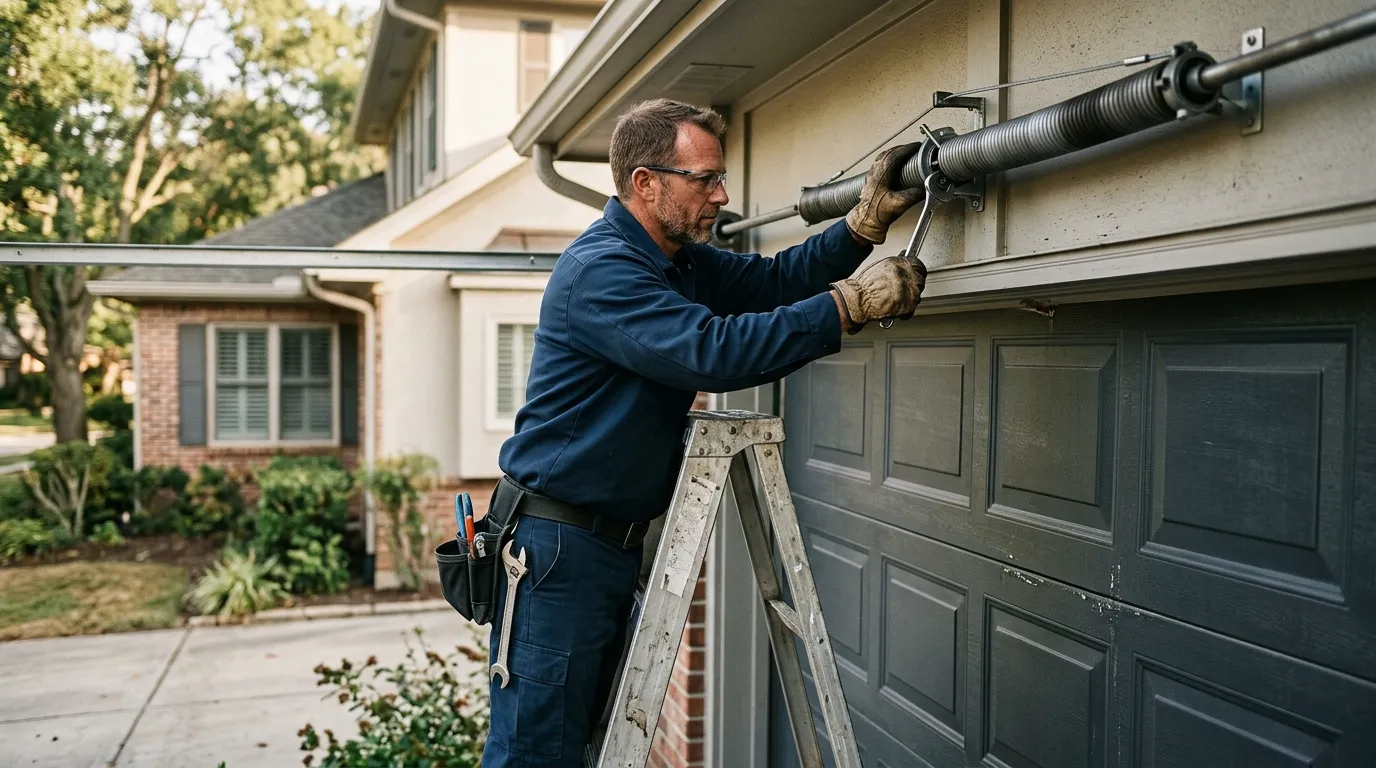
Older torsion setups sometimes need an extra few minutes to confirm shaft size and drum spacing before we touch anything, because a mismatched replacement on a 1950s-era header can bind the door worse than the original failure did. We'd rather take that time on site than come back for a second visit.
If a part isn't something we carry on the truck - which happens more with older non-standard hardware than with anything built in the last twenty years - we'll say so plainly rather than force a fit that won't hold up.
The Cost of This Job
Country Club's median household income sits at $79,506, noticeably below the $106,064 median across the wider Tracy service area. We don't price by zip code, but we mention it because it shapes how we talk about repair versus replace on a call: on an older door with retrofitted hardware, a full replacement isn't always the right recommendation just because the parts are unusual.
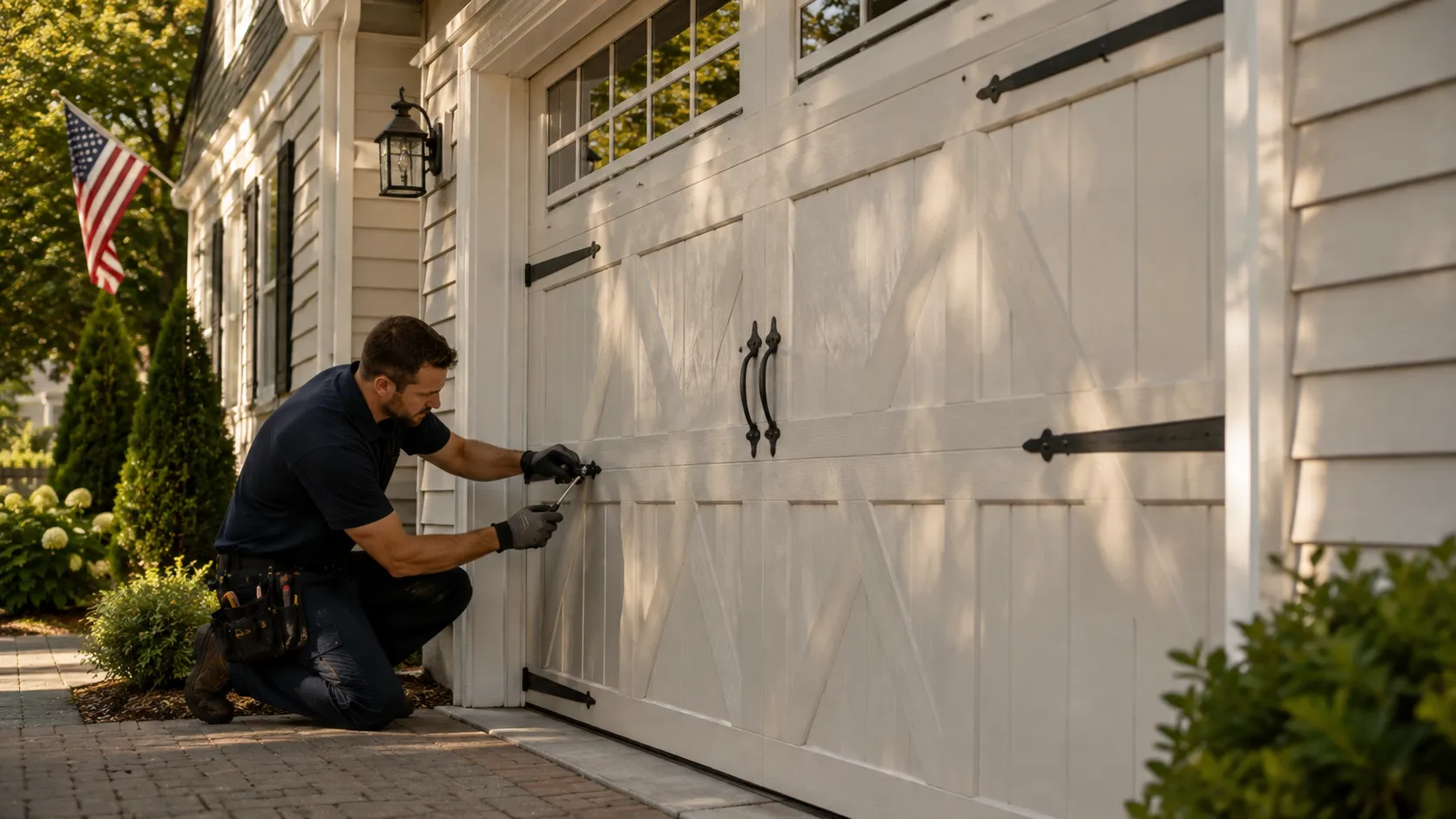
A broken torsion spring, a worn opener gear, or a bent roller track are all repairable on their own terms regardless of the house's age. What changes the estimate here is sourcing - if the original hardware was replaced with something no longer common, we may need to adapt a modern part rather than order an exact match, and that adds labor, not a markup on the part itself.
We'll give you the number for the actual repair in front of us before we start, not a phone quote based on guesswork about a house we haven't seen.
What the Fix Involves
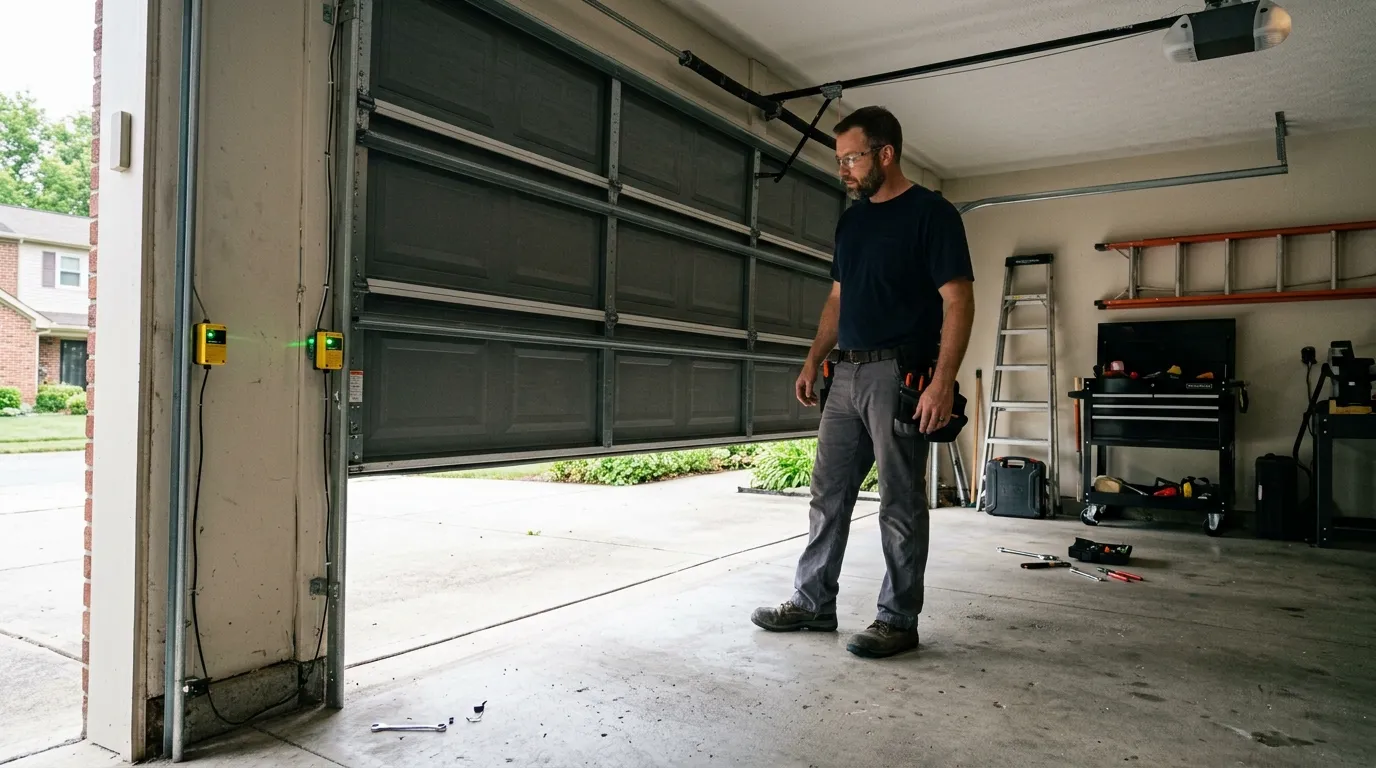
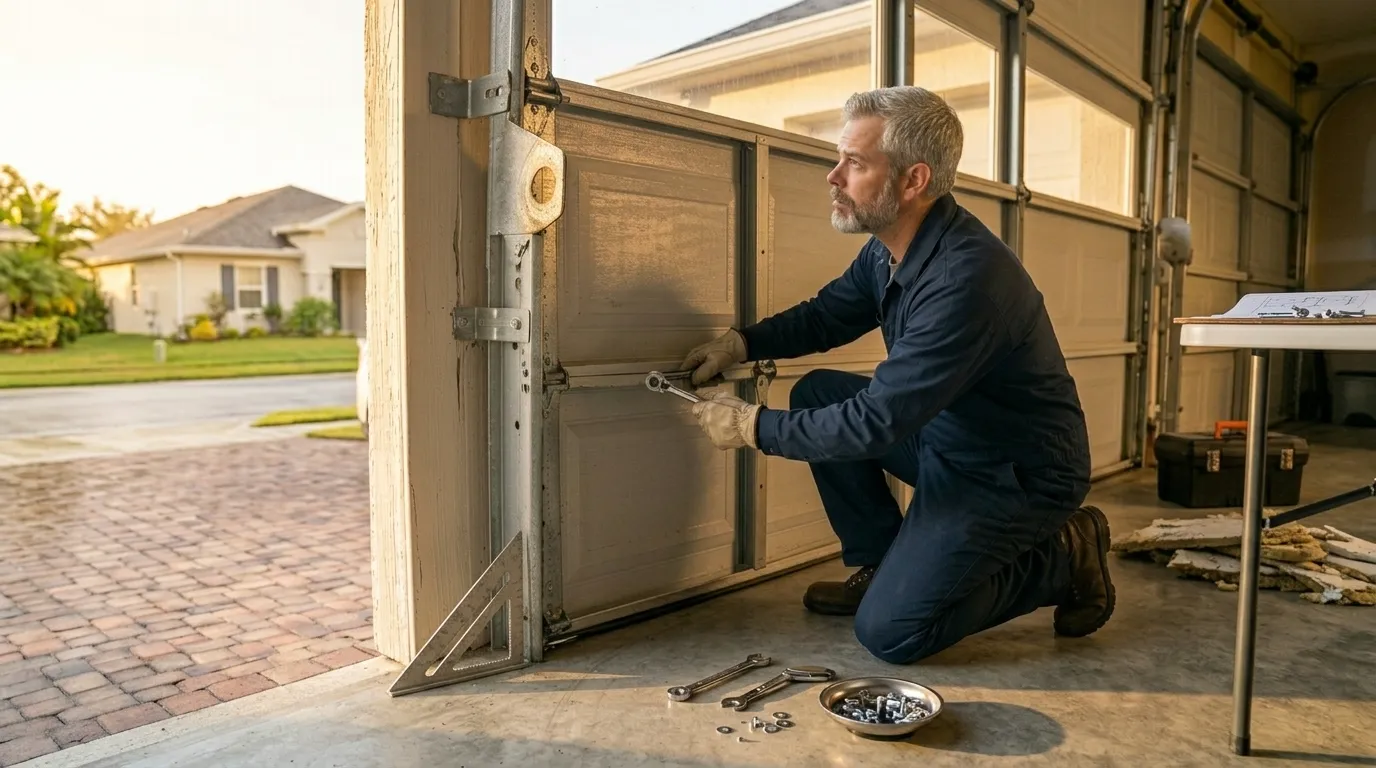
On a Country Club call, the first ten minutes are usually spent confirming what's actually installed - torsion or extension, original hardware or a past retrofit, single or double door - because a 1956-era build doesn't guarantee any of those answers the way a newer subdivision might. From there it's the same fundamentals as any repair: isolate whether the fault is spring tension, cable wear, track alignment, or the opener itself, and fix that one thing without disturbing what's still working.
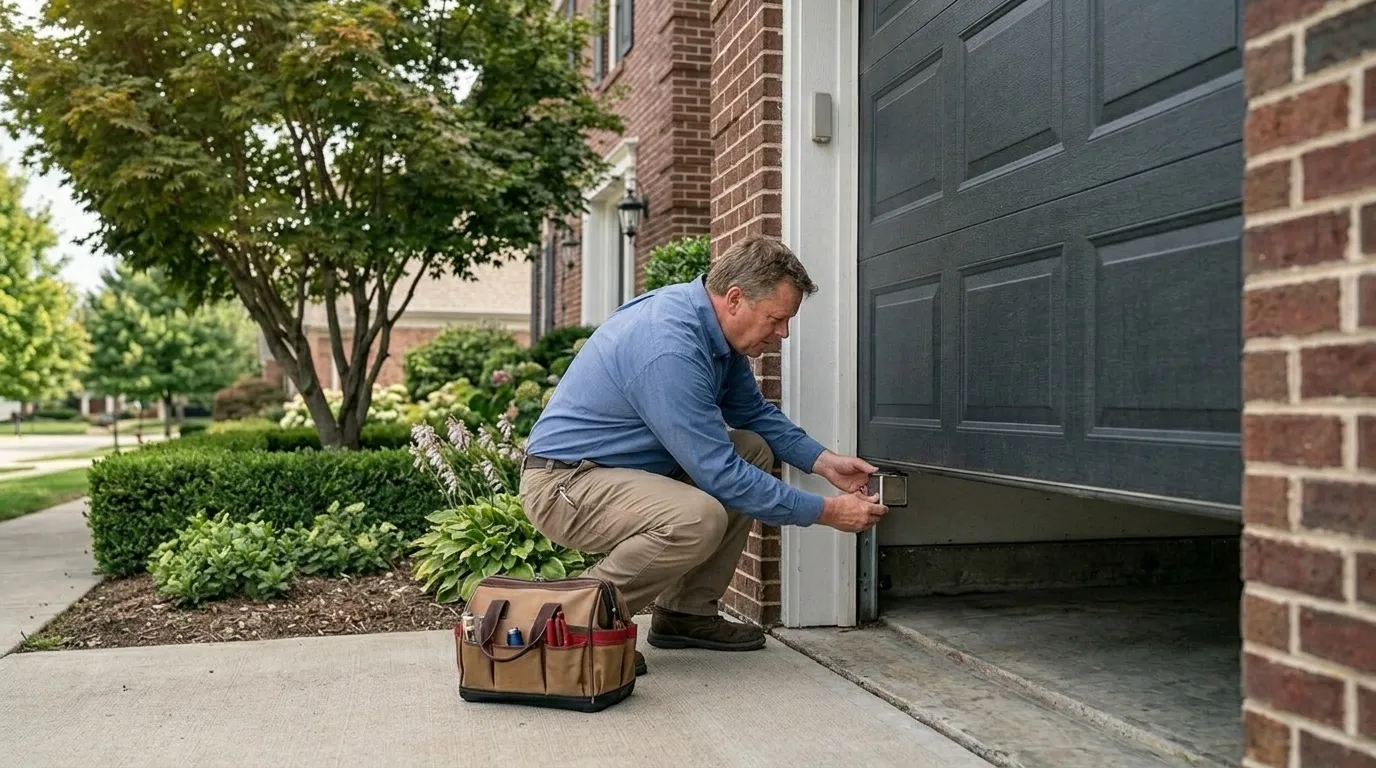
We test the balance of the door by hand after any spring or cable work, and we check the opener's force settings after any track or roller adjustment, since a door that's out of balance will make an opener work harder and fail sooner. On some of the oldest retrofitted setups we can't get a factory-matched part; when that's the case we'll say so and walk through the adapted option before doing the work, not after.