Time on the Job
We run this call from Tracy, and Country Club sits about 18 miles out - the far edge of the area we cover. That distance doesn't change how long the maintenance itself takes once a truck is on site; it changes how we schedule the day, grouping Country Club visits with other calls along that route rather than treating it as a quick add-on.
On site, a full maintenance pass - spring tension check, track alignment, roller and hinge inspection, opener force and safety-reverse test - runs longer on an older door than a newer one, simply because there's more to inspect and more likely to need a small adjustment. We won't quote a response window here, since that's set by the day's route out of Tracy, not by anything specific to this suburb. If timing matters for your situation, that's a scheduling question worth asking directly rather than assuming from a general number.
The Cost of This Job
We're not going to put a number on this page, because we don't have one specific to Country Club and a made-up figure is worse than none. What we can say is that the income picture here shapes the kind of call we get. Country Club's median household income runs $79,506, well under the $106,064 median across the broader service area. That gap tends to show up in the decision homeowners make when a spring or roller fails on a door this old: whether it's worth tuning up the existing hardware or whether the door has aged past the point where parts and labor on repeated fixes cost more than starting over.
With only 3,365 households in Country Club, compared to 31,889 across the full coverage area, this is a small pocket, and the mix of original 1950s doors versus later replacements varies house to house even on the same block. That's part of why a maintenance visit starts with a look at what's actually on the door, not a standard checklist priced the same everywhere.
What the Fix Involves
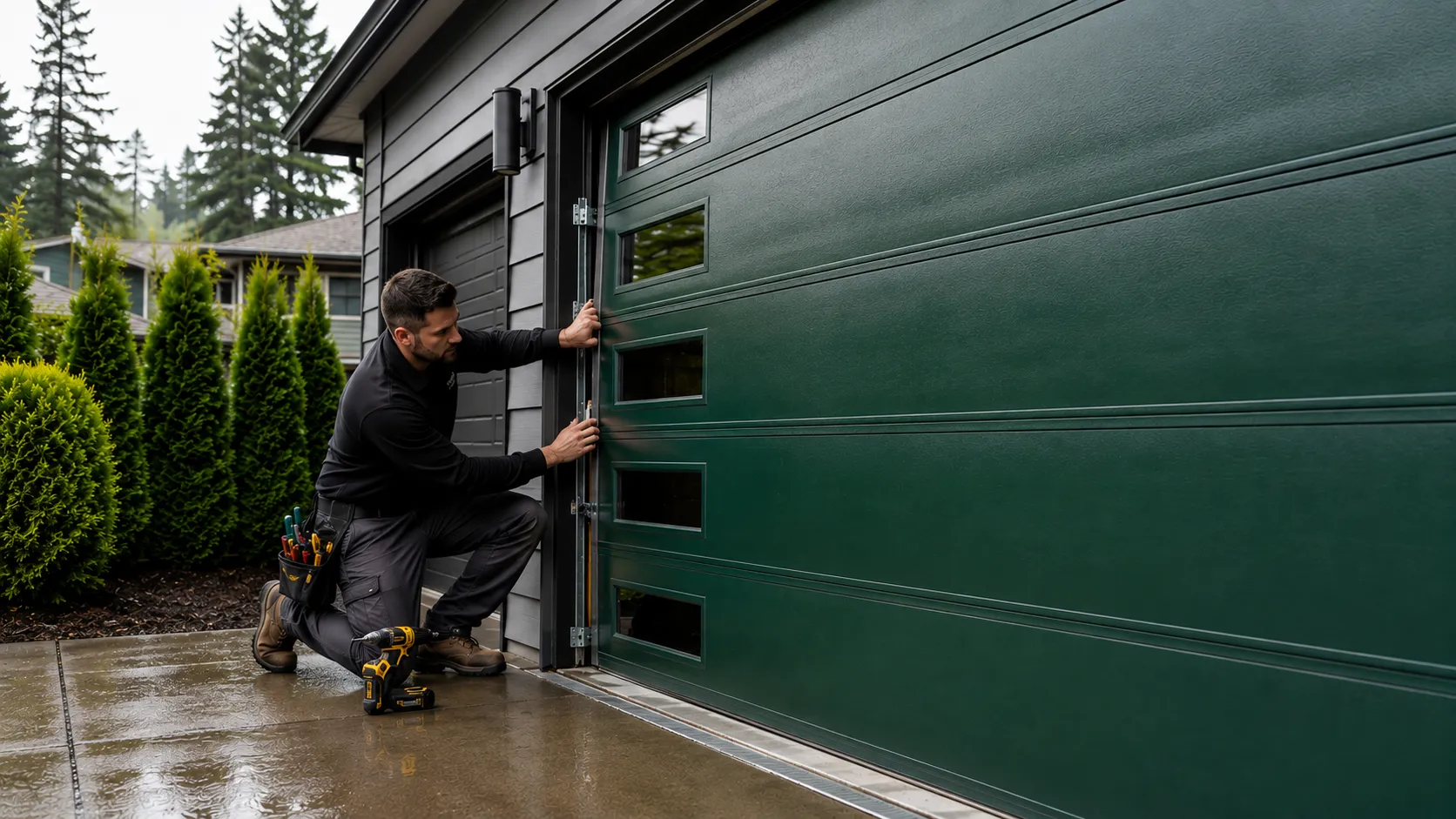
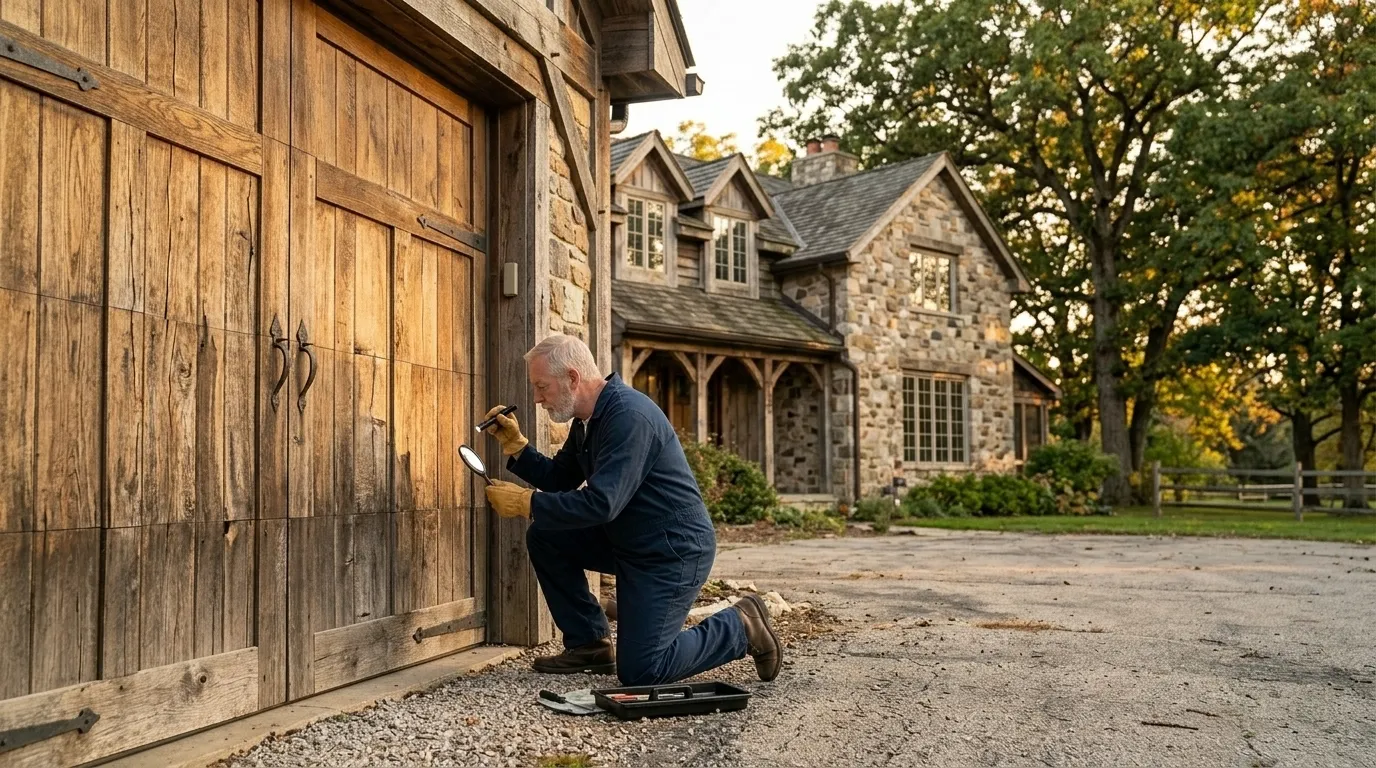
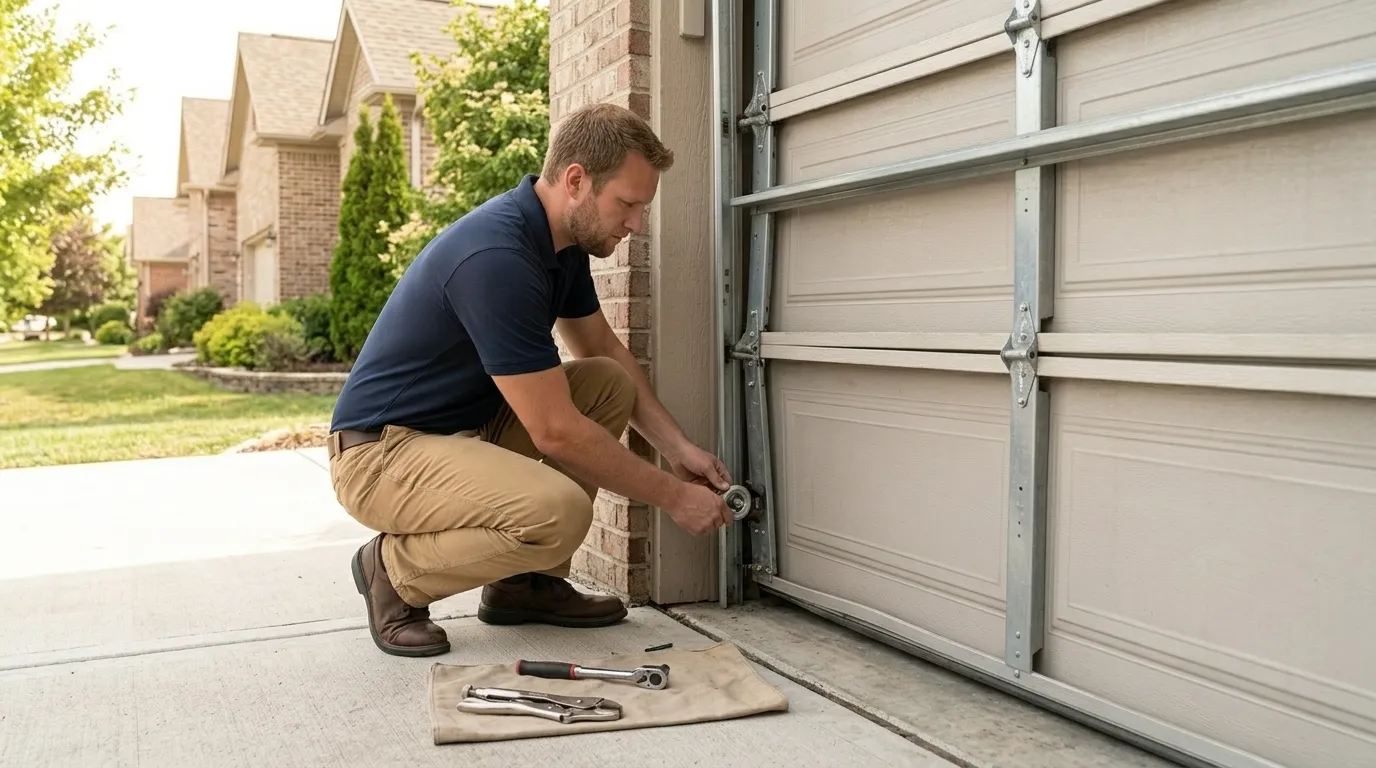
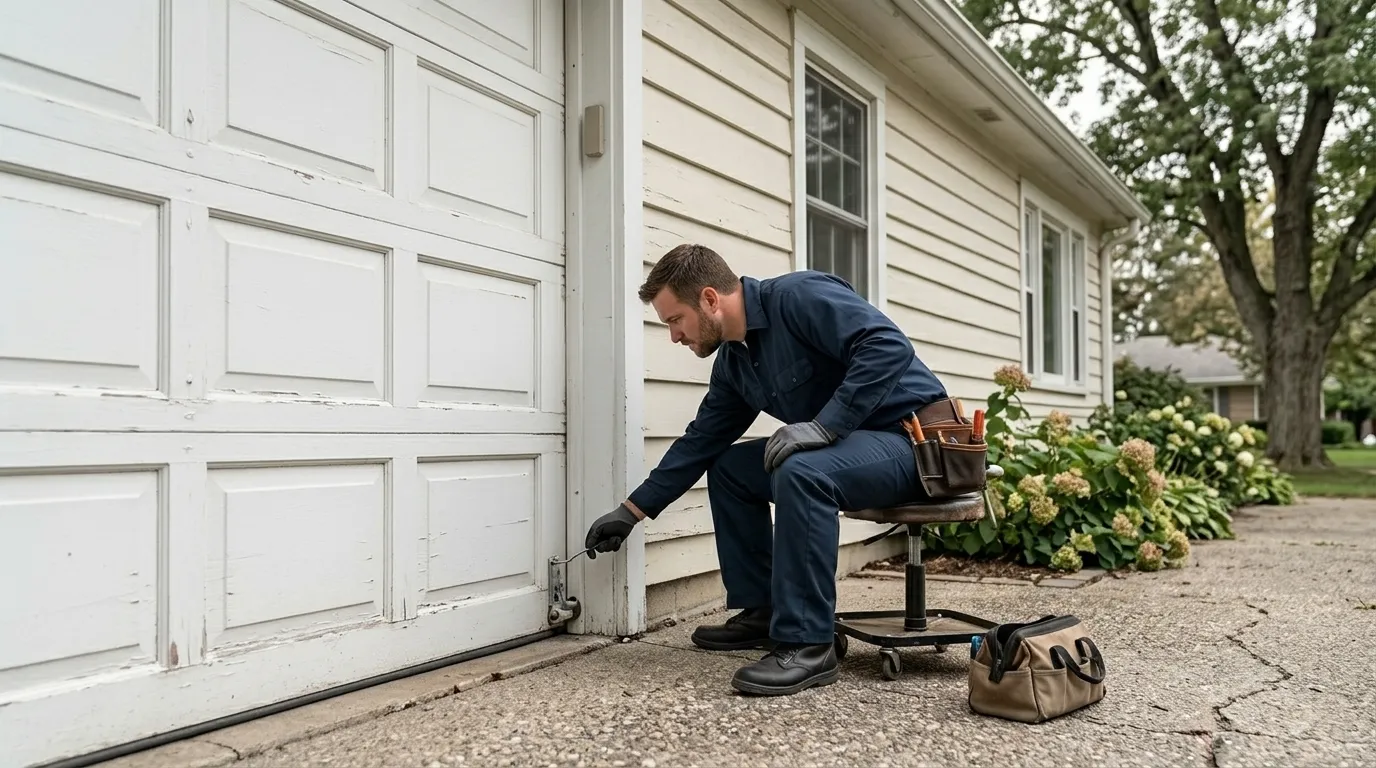
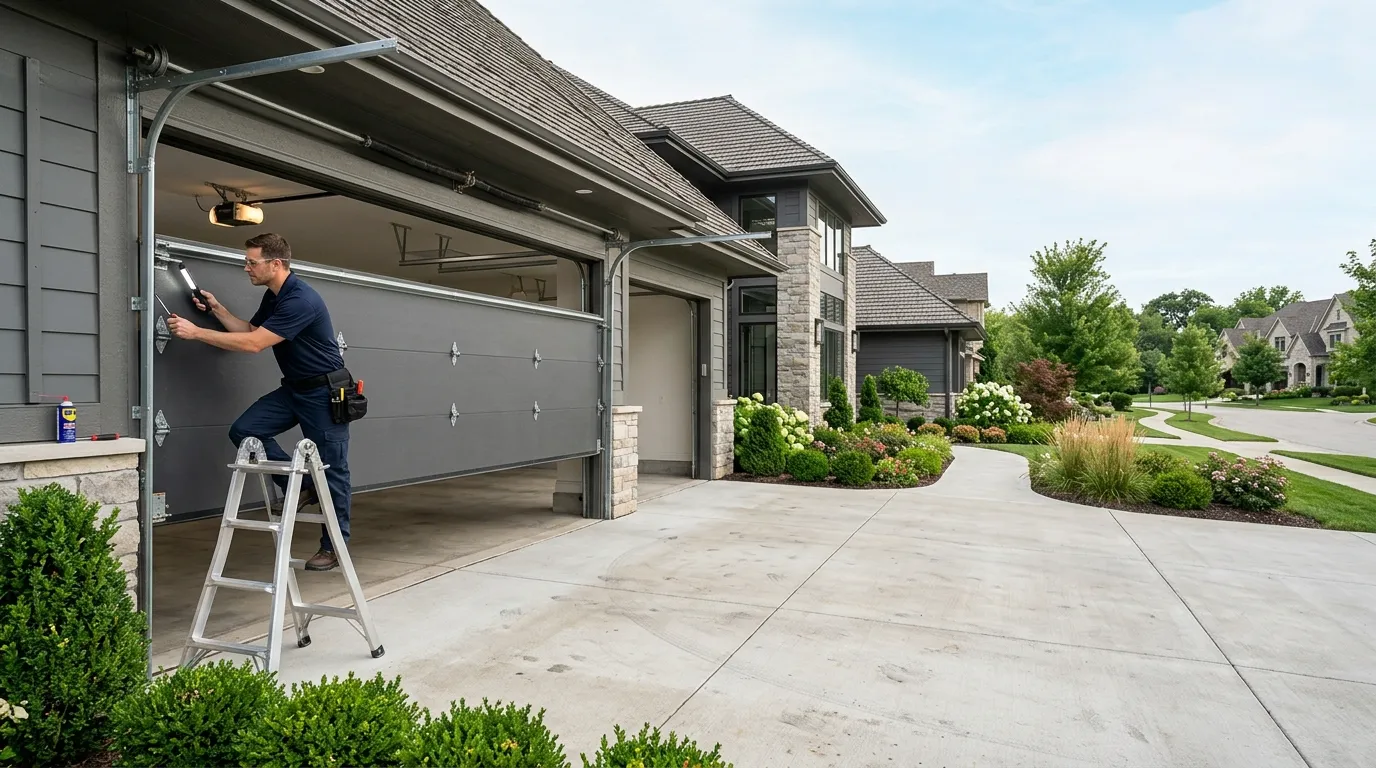
A maintenance visit on a Country Club door starts with the springs - checking tension, looking for rust or gaps in the coil, since original 1956-era hardware is the kind hardware stores don't stock anymore and repairs on it often mean sourcing a modern equivalent rather than an exact match. From there we check the track for alignment and rust, the rollers and hinges for wear, and the cables for fraying.
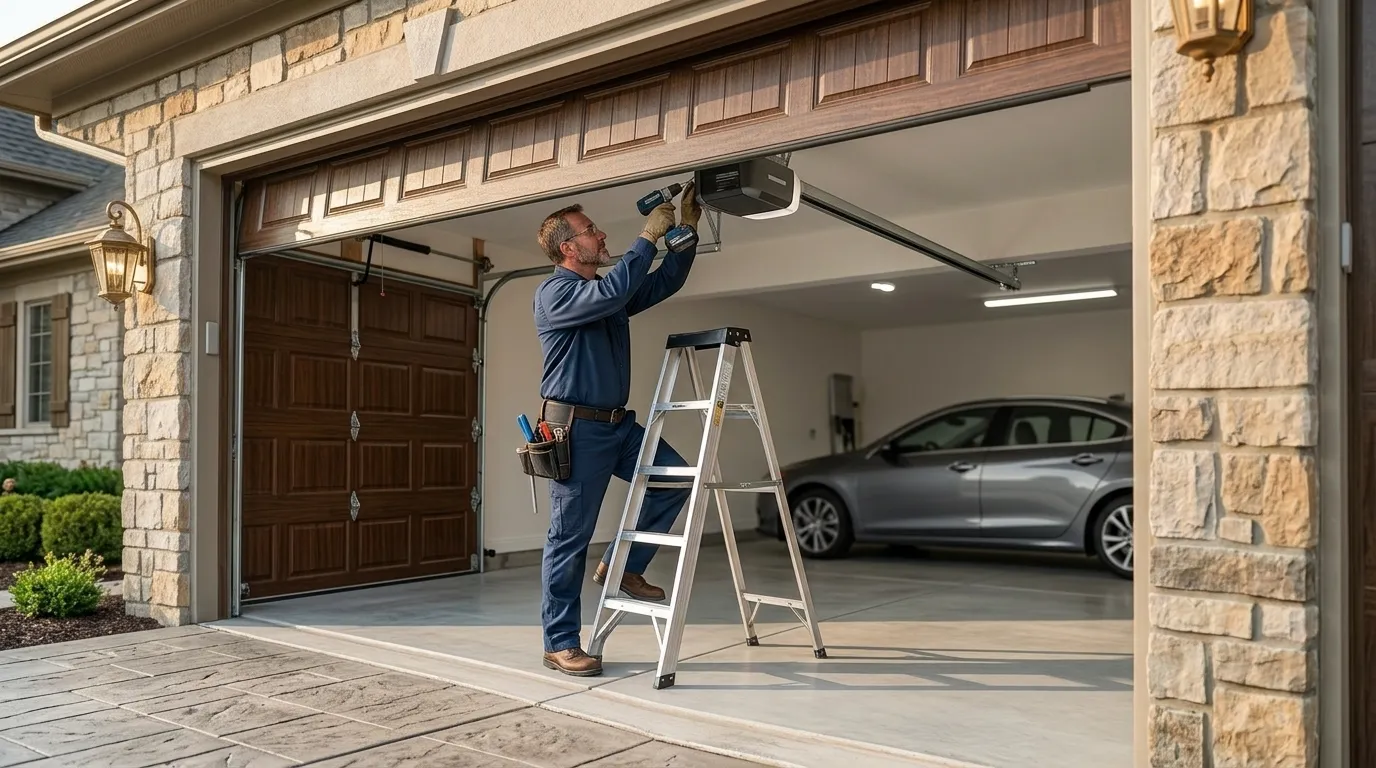
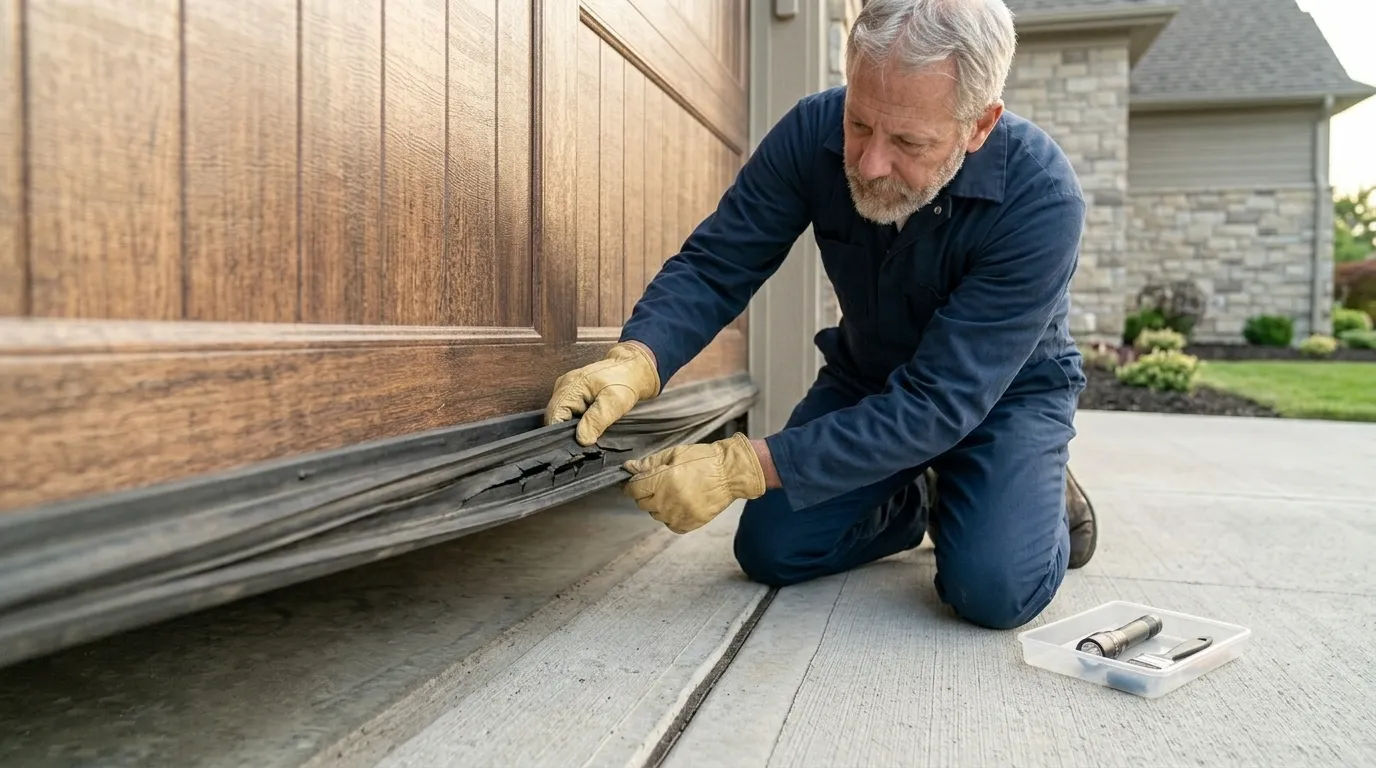
The climate here runs moderate on heat, which is easier on rubber seals and lubricant than a harsher band would be, but grease still dries out over enough summers and needs replacing rather than topping off. Last on the list is the opener: force settings, the photo-eye sensors, and the auto-reverse safety test, since a door that closes but doesn't reverse when it hits something is a hazard regardless of how old the door is. We adjust what can be adjusted and flag anything that's a repair job rather than a tune-up.