Time on the Job
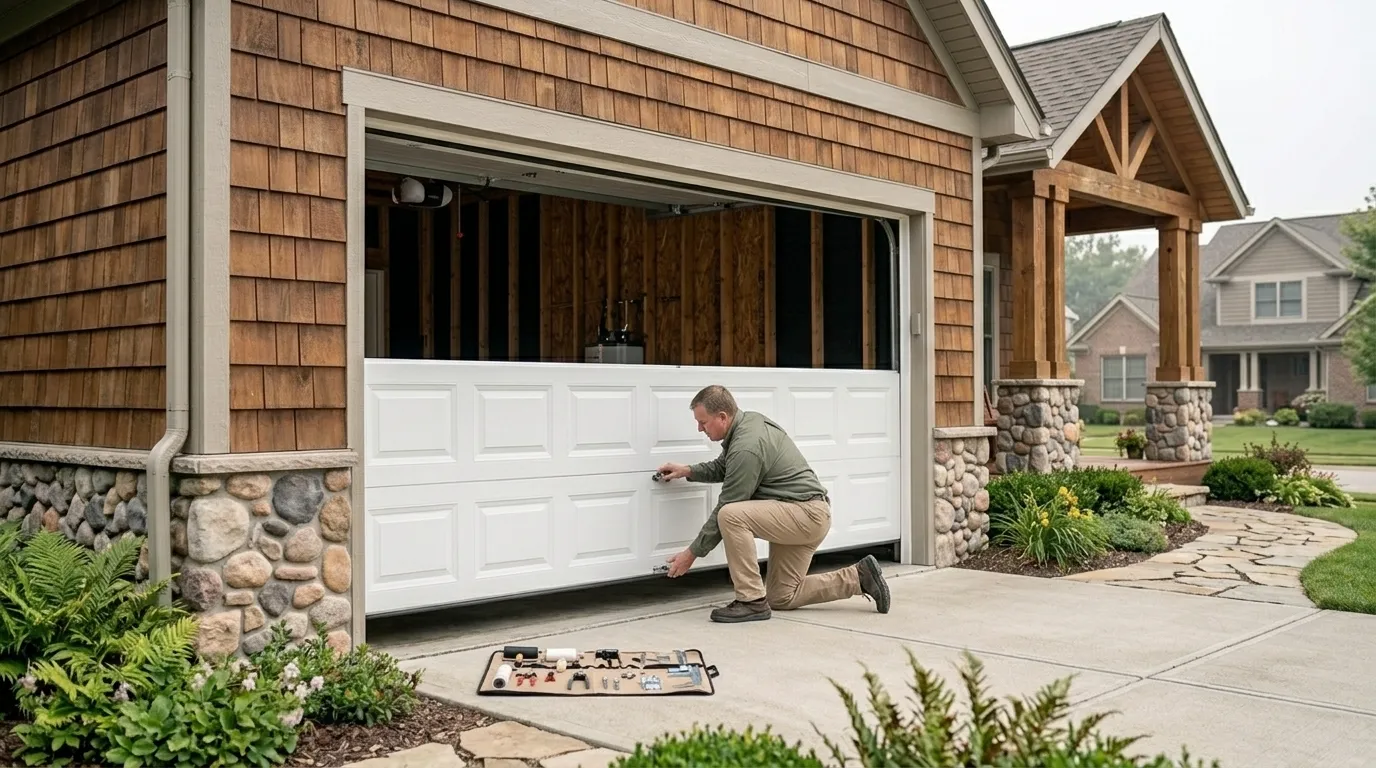
An 18-mile run from Tracy is enough distance that we build it into scheduling rather than treating this as a quick add-on stop. Once we're on site, the job itself takes about as long as it would anywhere else in the service area - a spring swap or roller replacement is a roller replacement regardless of the drive to get there.
What differs is diagnosis time on older doors. A 1956-built house may have hardware that hasn't been serviced in decades, and that means more time spent confirming what we're actually dealing with before we touch anything - track alignment, drum wear, whether the cable is original. We'd rather spend twenty extra minutes checking than replace a part that didn't need it.
We don't keep a branch or a standing crew in Country Club, so every visit starts from Tracy. That's worth knowing if you're comparing us to a company with a local yard - our advantage is the parts and the diagnosis, not being around the corner.
The Cost of This Job
Median household income in this pocket runs $79,506, noticeably below the $106,064 median across the full service area we cover from Tracy. We mention it because it's part of why we quote the actual repair in front of us rather than pushing a full replacement as the default answer - a torsion spring swap or a cable replacement on an older door is often the right call, not a stopgap.
Older hardware sometimes costs more in parts because it's not the stuf everyone stocks - a section built to fit a 1956 track opening isn't interchangeable with what's on the shelf for a 2010 door. That can push a repair bill higher than it would run on newer stock elsewhere in the service area, and we'll tell you that up front instead of after the fact.
We don't have a set price list to publish here, since the honest number depends on what's actually broken and what part it takes to fix it.
What the Fix Involves
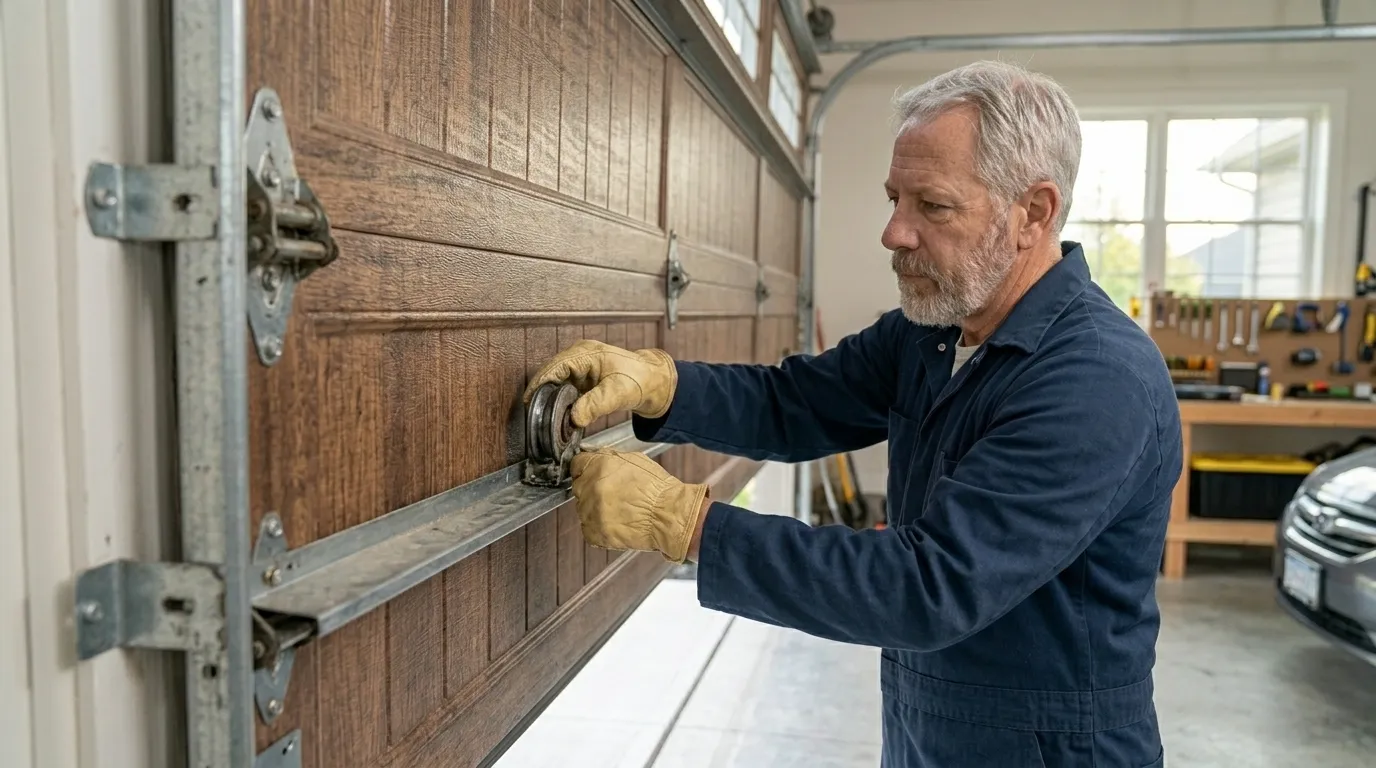
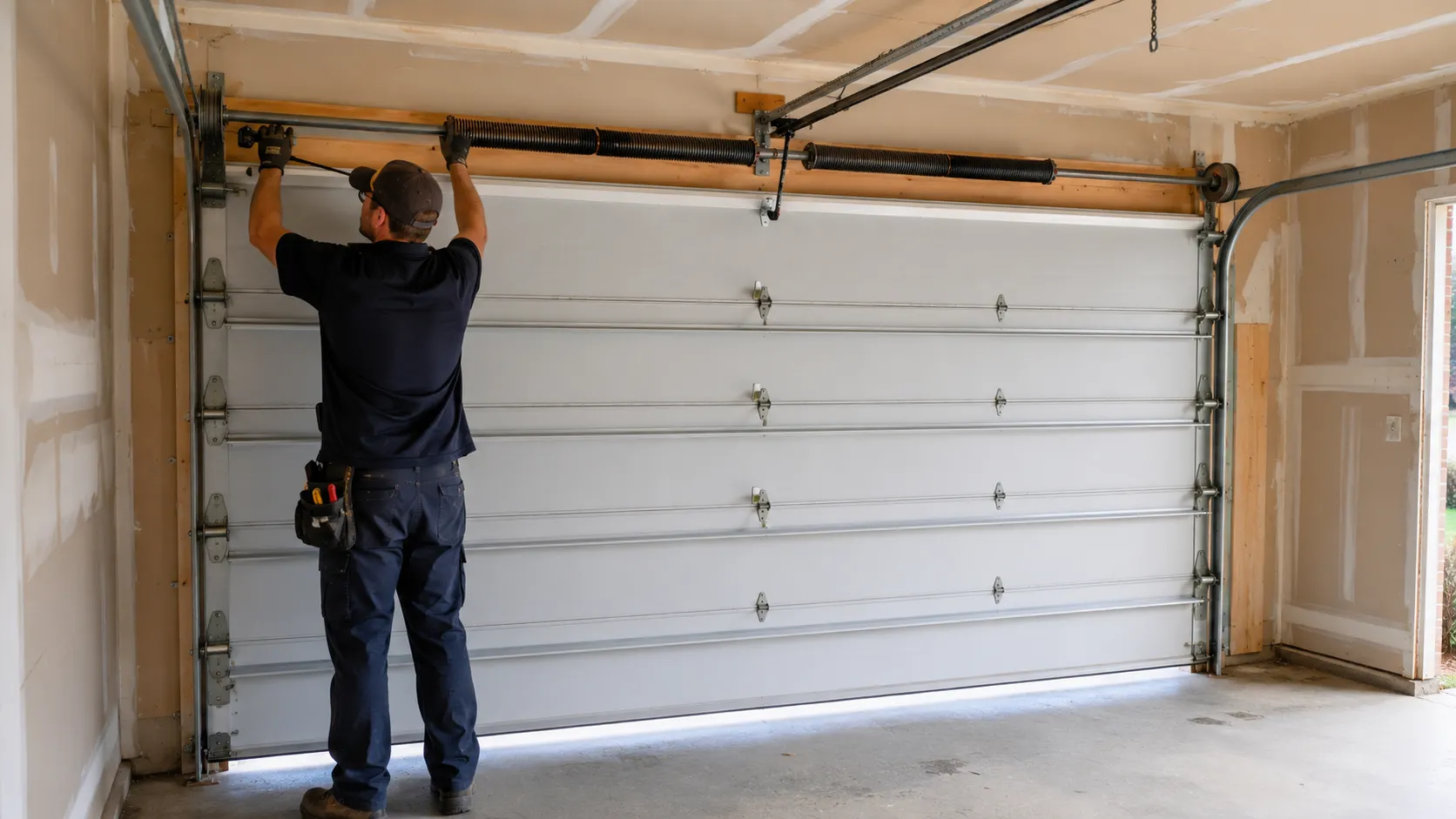
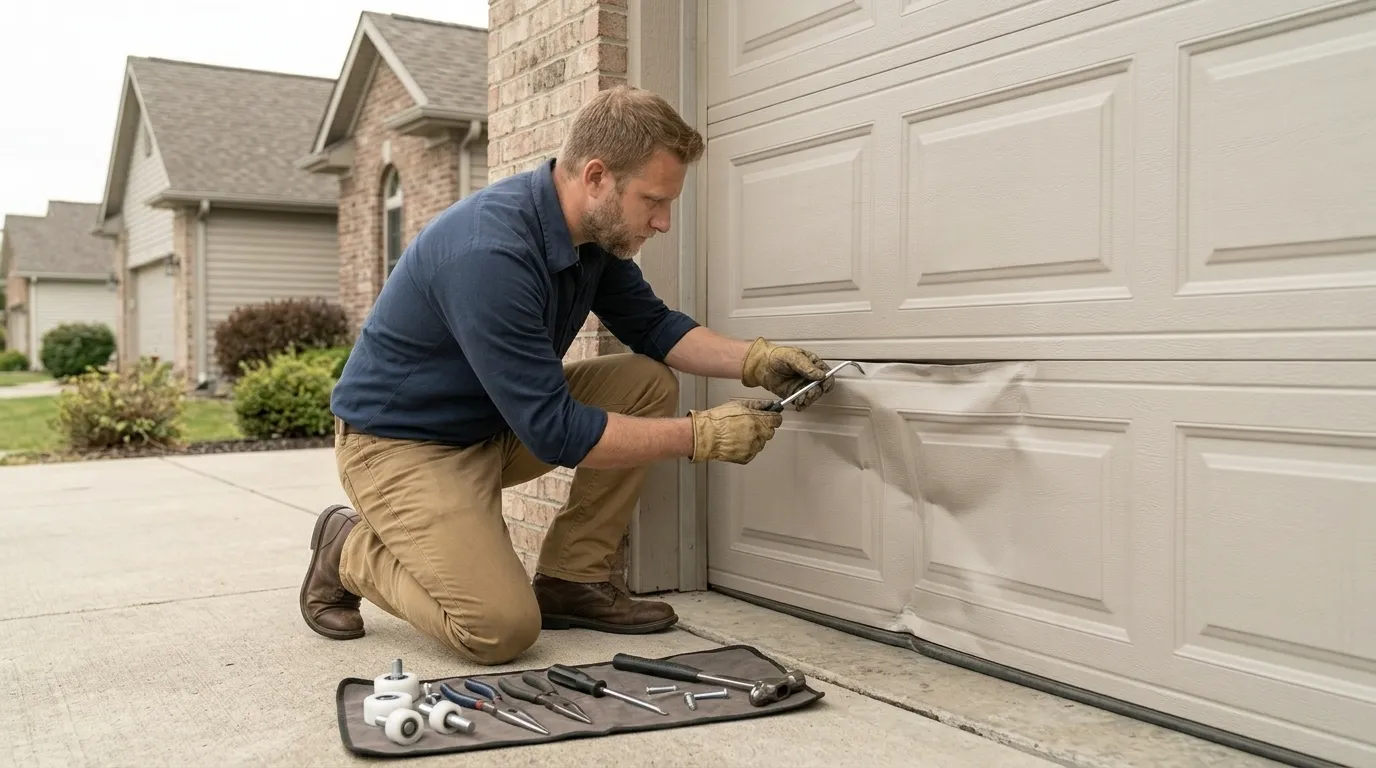
On a house built in 1956, the most common call is a torsion spring that's finally given out after years of cycling, or a cable that's frayed at the drum. Both are original-era parts on the oldest doors in this pocket, and neither is a quick swap if the track has shifted out of alignment over the decades, which happens more on older slab foundations than on newer construction.
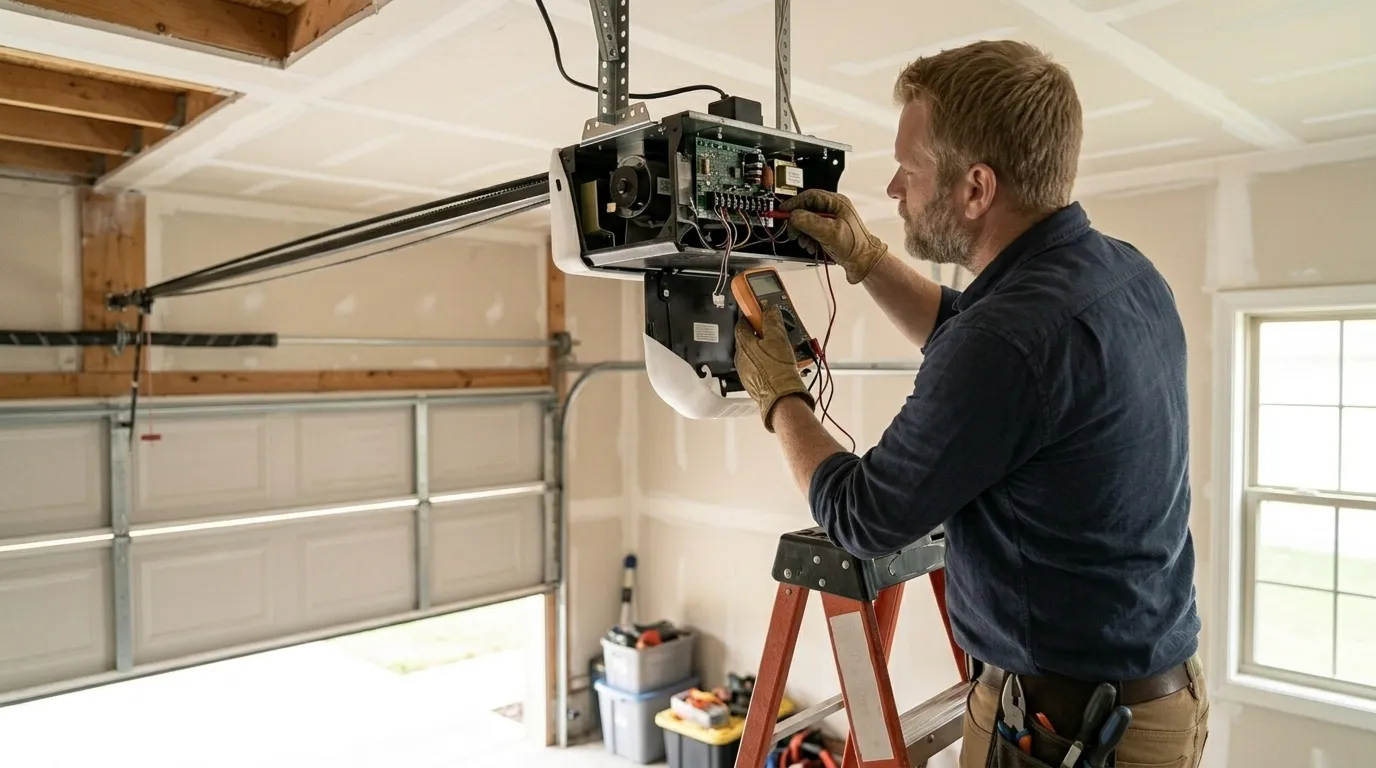
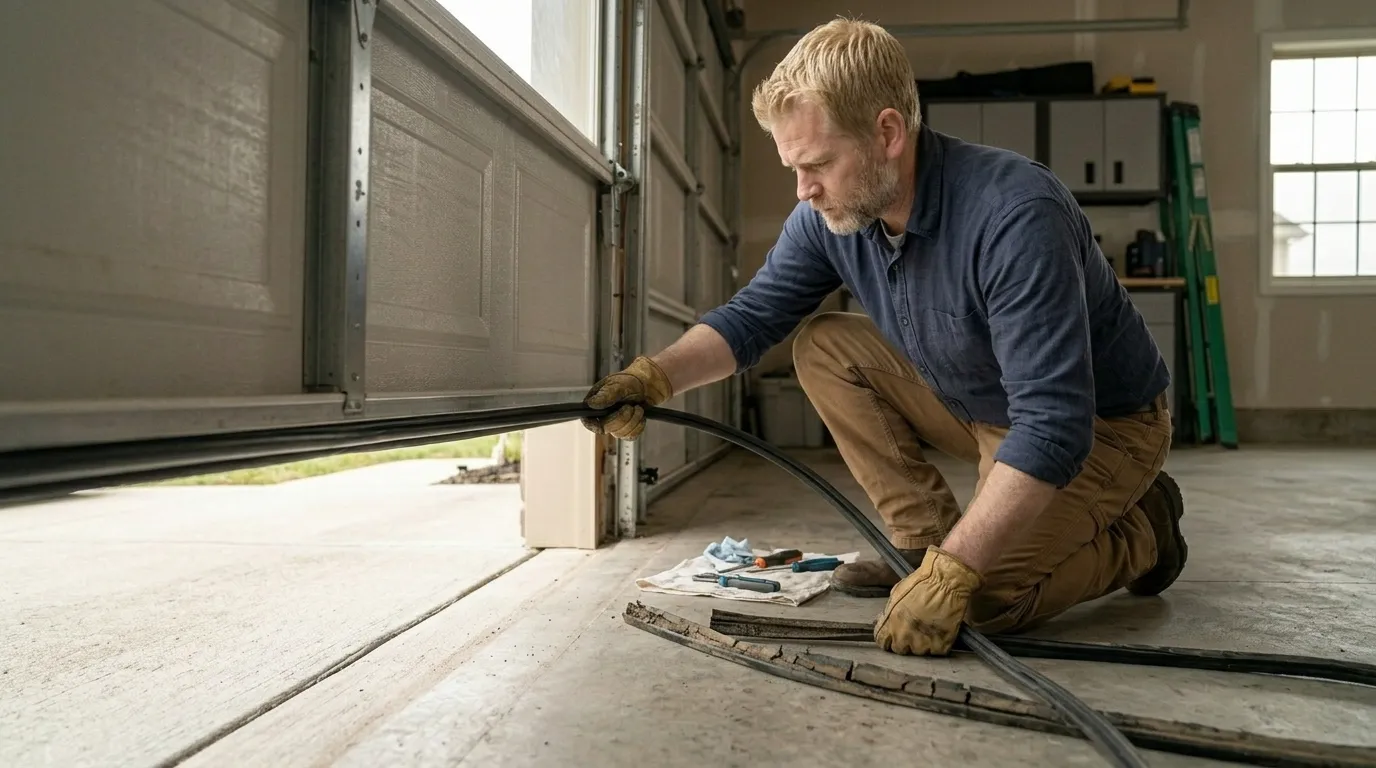
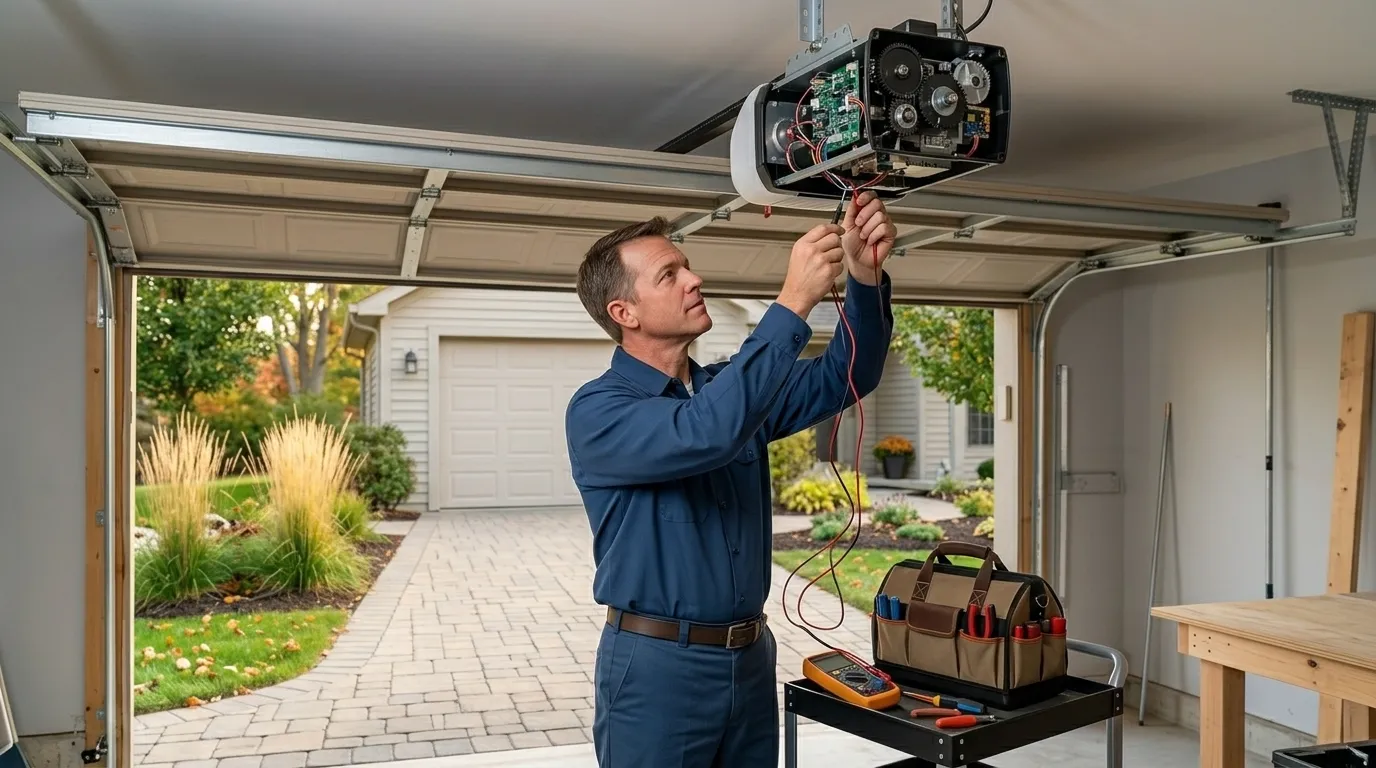
We check the full system before we touch the spring - track plumb, hinge wear, roller condition - because replacing one part on a door that's fighting misalignment somewhere else just means a callback. If the opener is original too, we'll tell you honestly whether it's worth repairing or whether the safety sensors and gearing are old enough that replacement is the better spend.
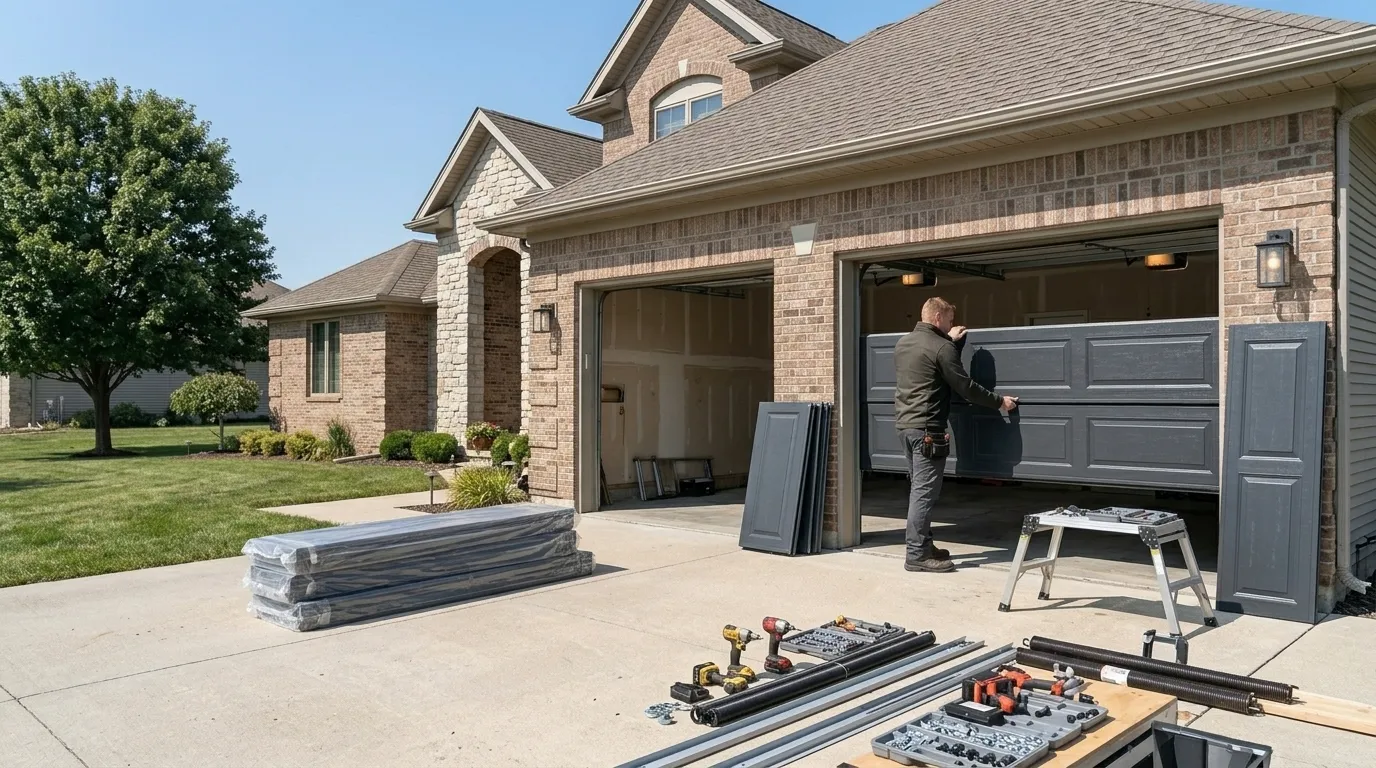
One limitation worth saying plainly: if a part is old enough that it's no longer made, we may need to source a compatible substitute or recommend replacing the section rather than hunting for an exact match. That's the honest state of some of the oldest doors in the area, not a sales pitch for a new door.