The Cost of This Job
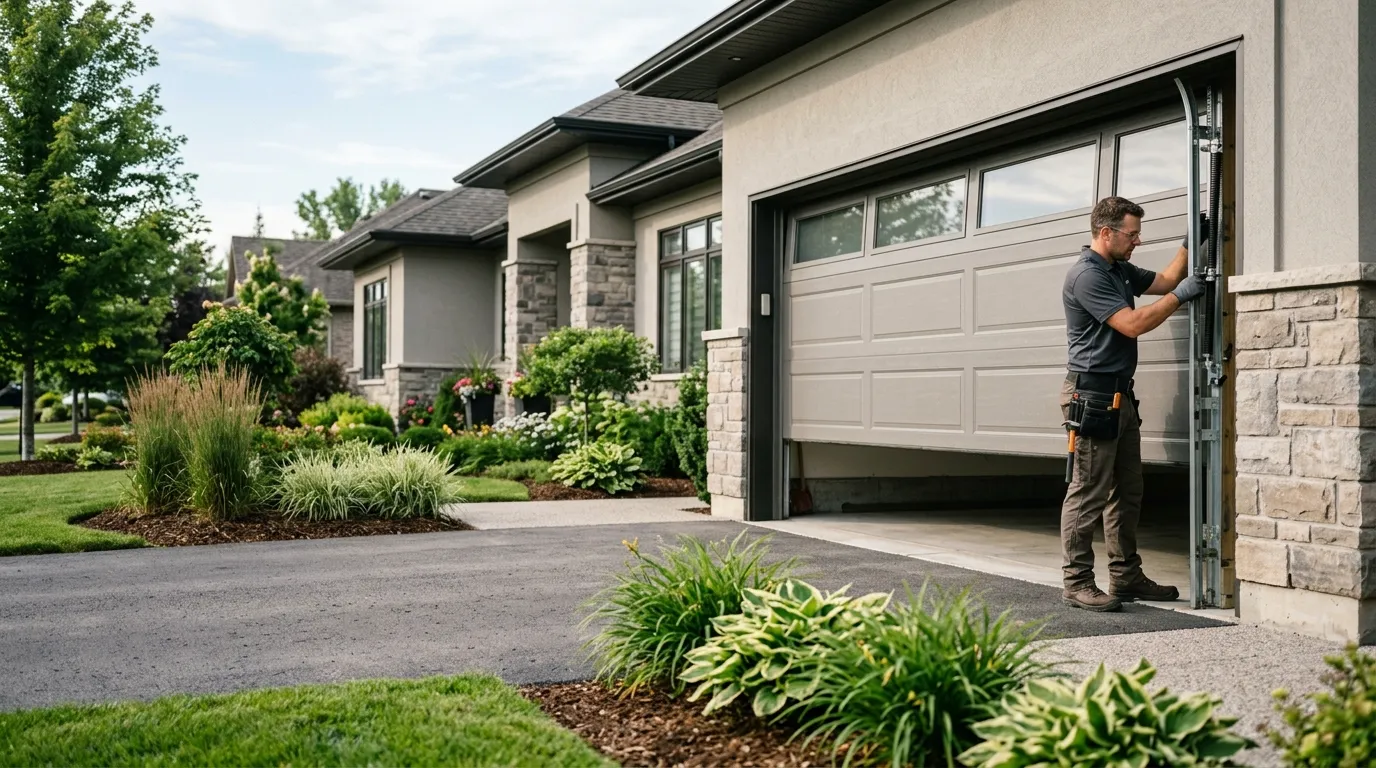
Median household income in Mountain House runs about $171,675, well above the wider service area's $106,064. That number matters for one specific decision: repair or replace. On an older door with warped panels or a bent frame, we'll often tell an owner to put the money into a new door rather than patch a dying one. Mountain House doesn't have that problem yet - the doors are too new for structural failure. What fails here is almost always a single component: a torsion spring, a cable, a sensor, or an opener board. Those are repair jobs, not replacement jobs, and they cost less than a full door swap. We don't have a price list to quote you in writing here, but the general rule holds: a spring or cable repair on a door this age is money well spent, because the door itself, the track, and the frame underneath are all still sound.
The Complications
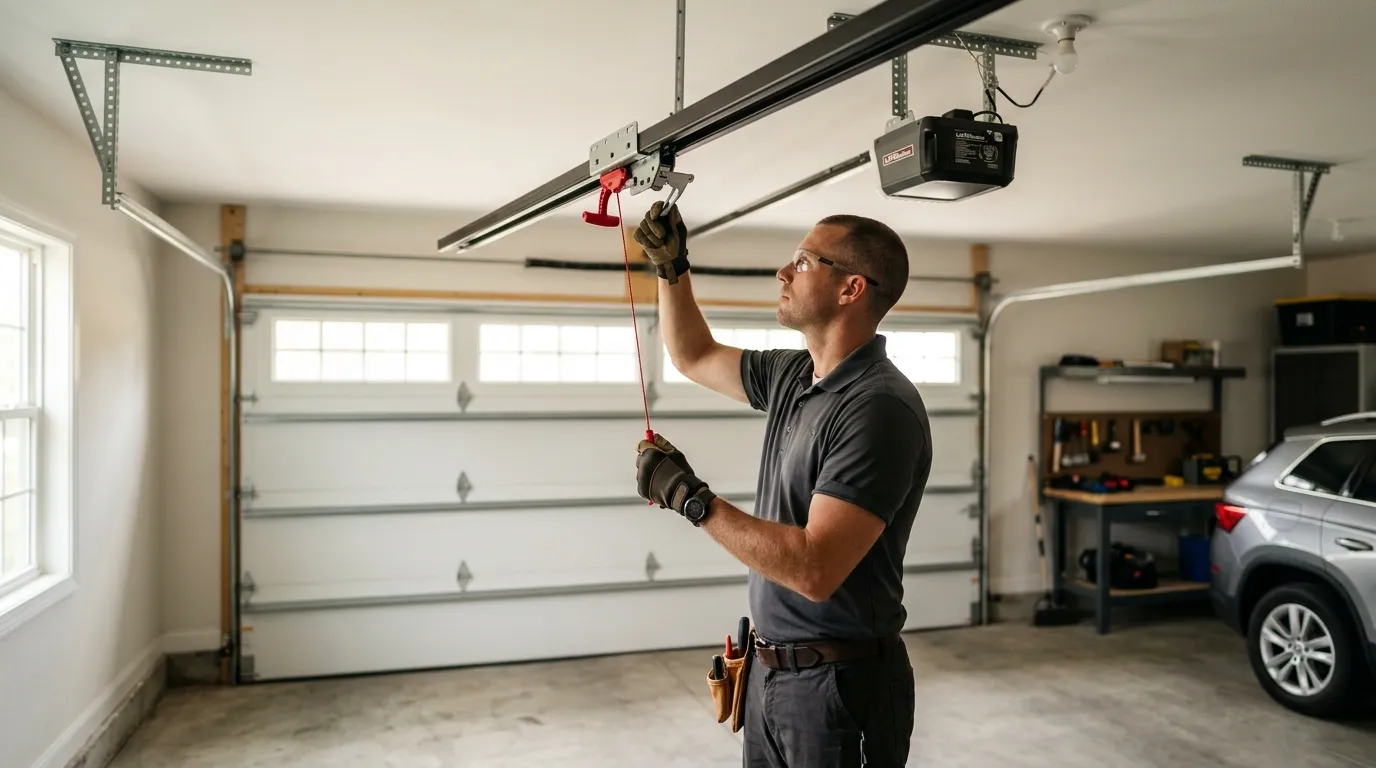
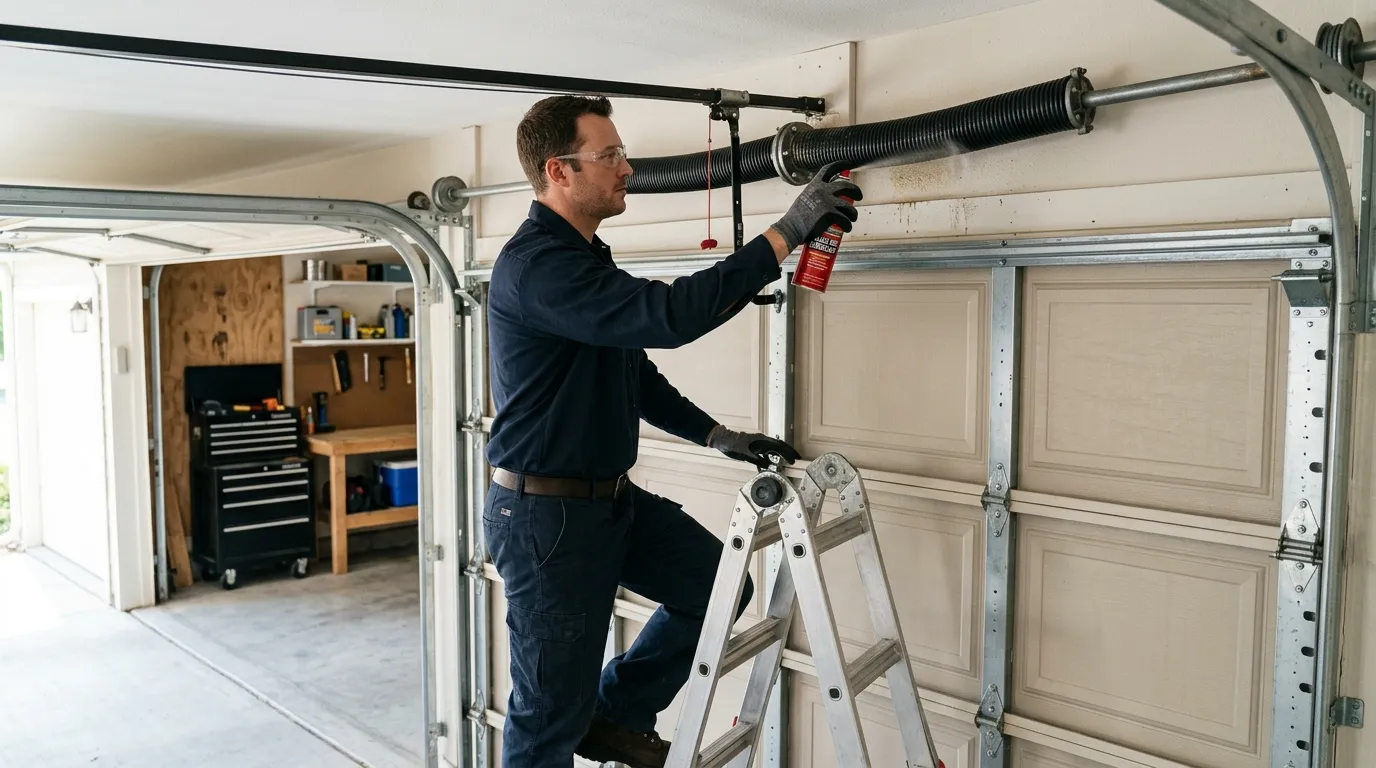
A newer build doesn't mean a simpler job. Houses built in and after 2010 came standard with heavier insulated doors and electronic openers with rolling-code safety sensors, and those systems fail differently than the mechanical springs-and-chain setups in older neighborhoods. A snapped torsion spring on an insulated double door puts more stored energy into that coil than an older lightweight door ever did, which is exactly why we don't recommend an owner try to release it themselves. Opener boards on 2010s-era units also fail electronically rather than mechanically - a dead capacitor or a fried logic board looks identical to a broken spring from the driveway, but the fix is completely different. Diagnosing which one you've got, before touching anything, is most of the job.
Why This Fails Locally
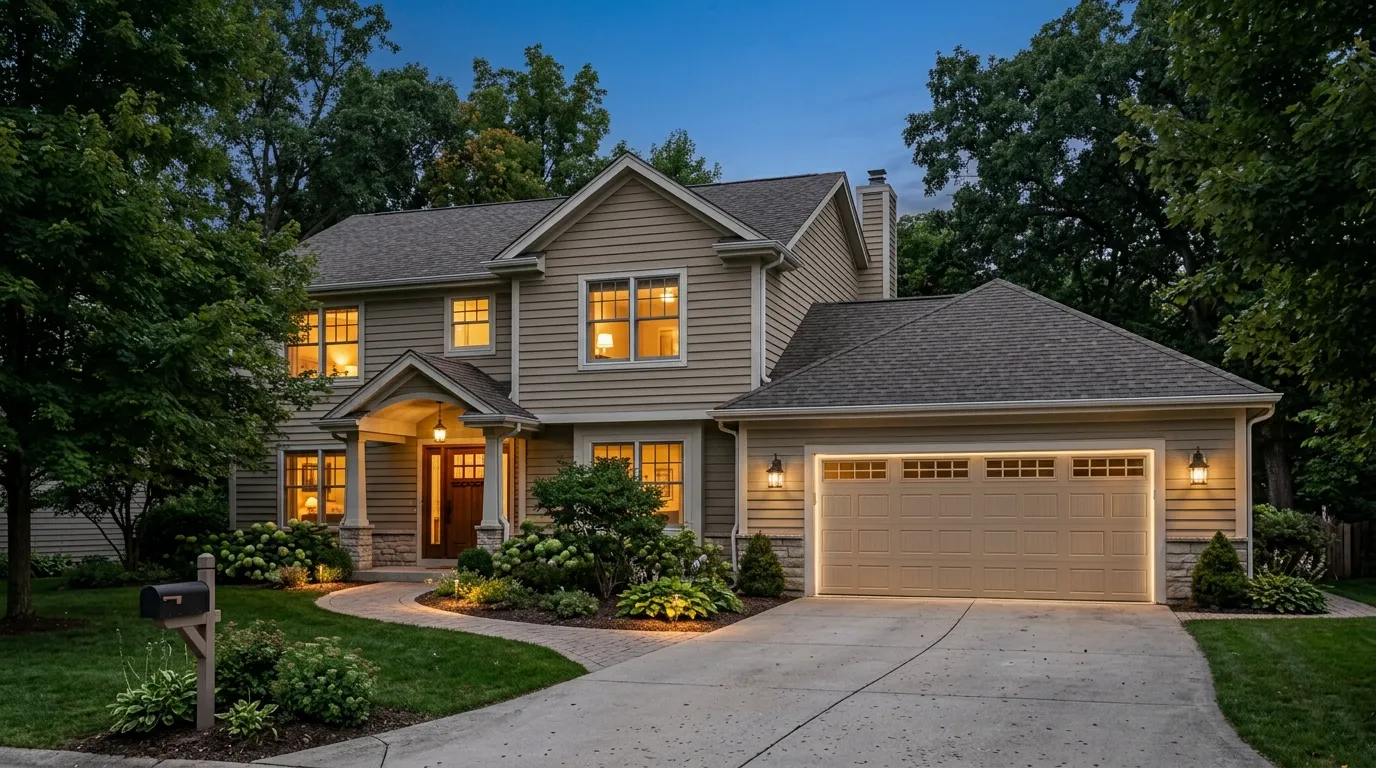
Every house in Mountain House is young enough that the failures we see are wear failures, not age failures. A spring rated for a certain number of open-close cycles simply reaches that number - it doesn't matter that the house is only a decade or so old, the spring doesn't know that. With roughly 6,601 households in Mountain House, many built in the same handful of years, we tend to see clusters: the same spring model failing across a stretch of similar-aged homes within a season of each other, because they were all installed around the same time and are all hitting their cycle limit around the same time too. That's different from the mixed-era Tracy-area neighborhoods where a 1979-built door and a 2005-built door on the same street fail for completely different reasons.
What the Fix Involves
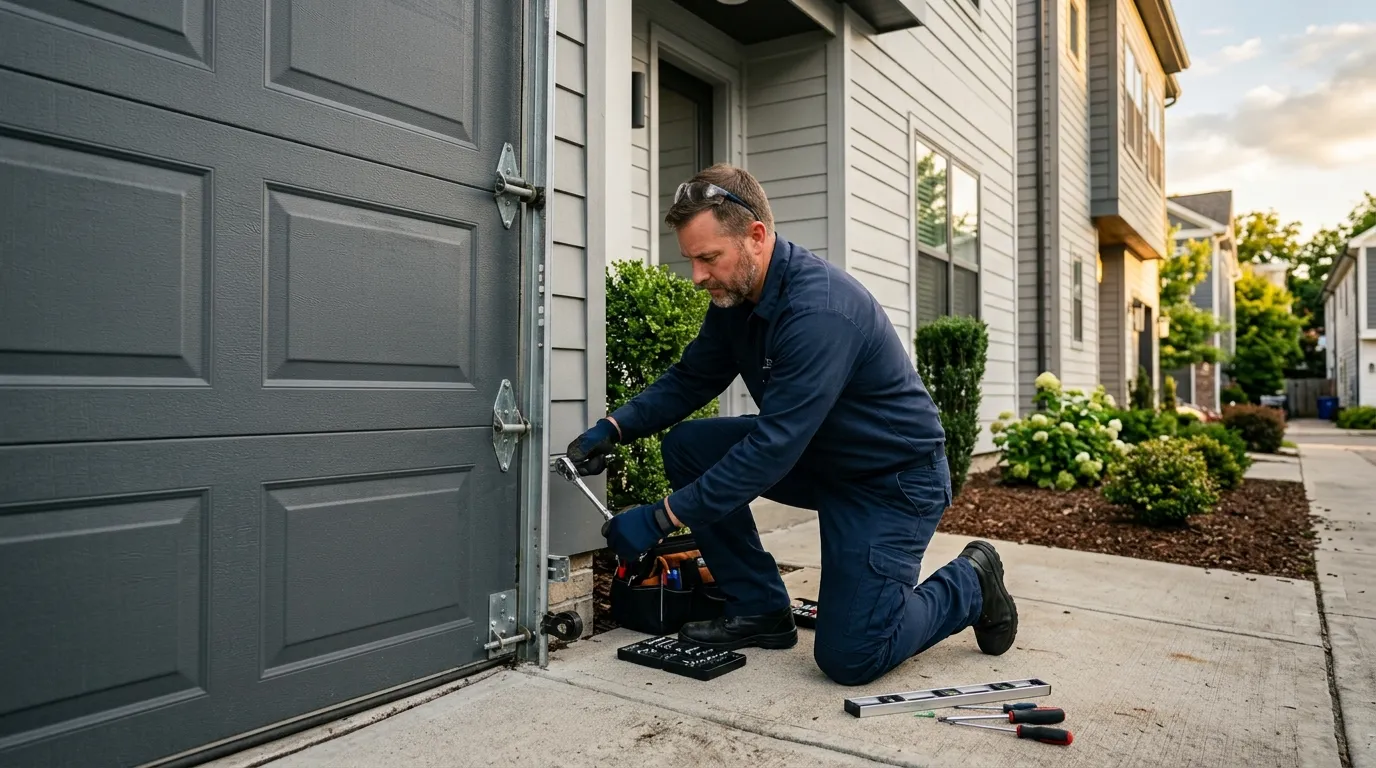
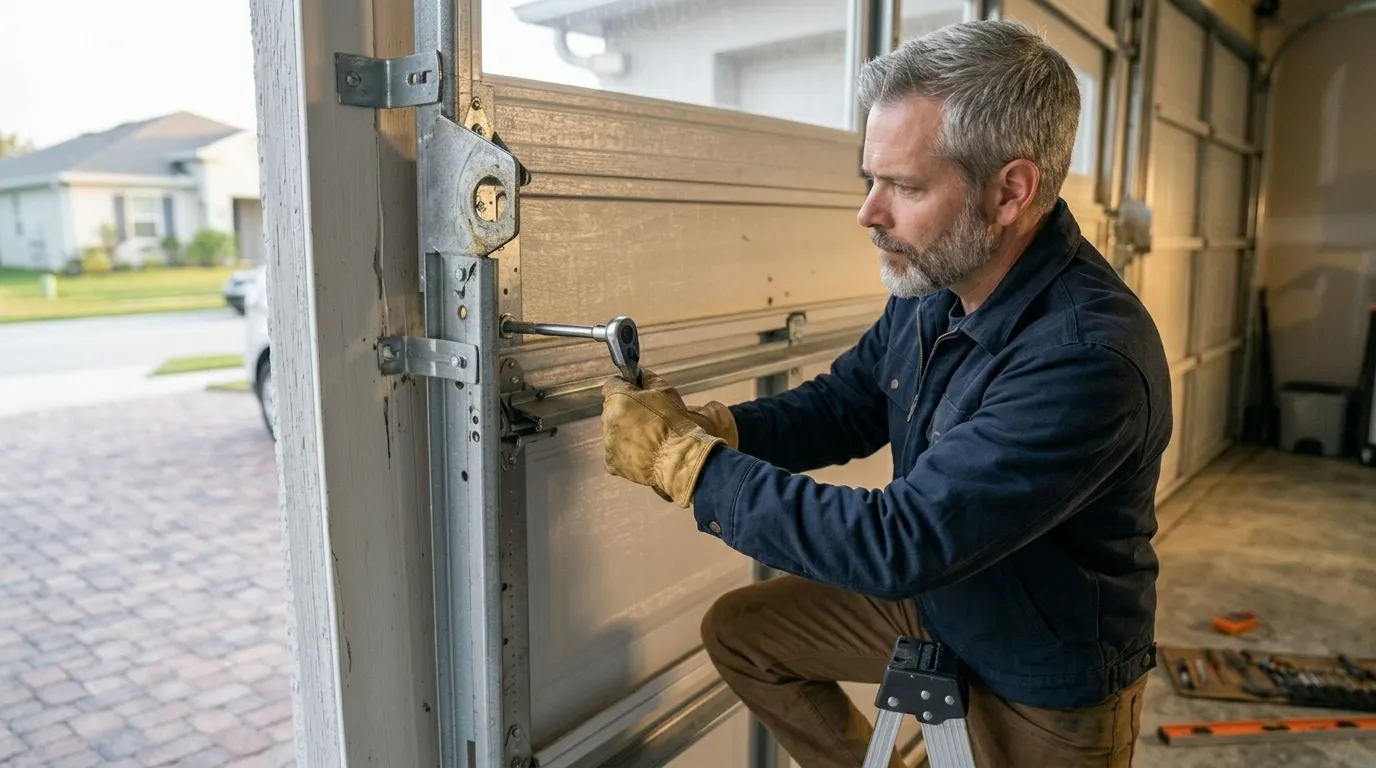
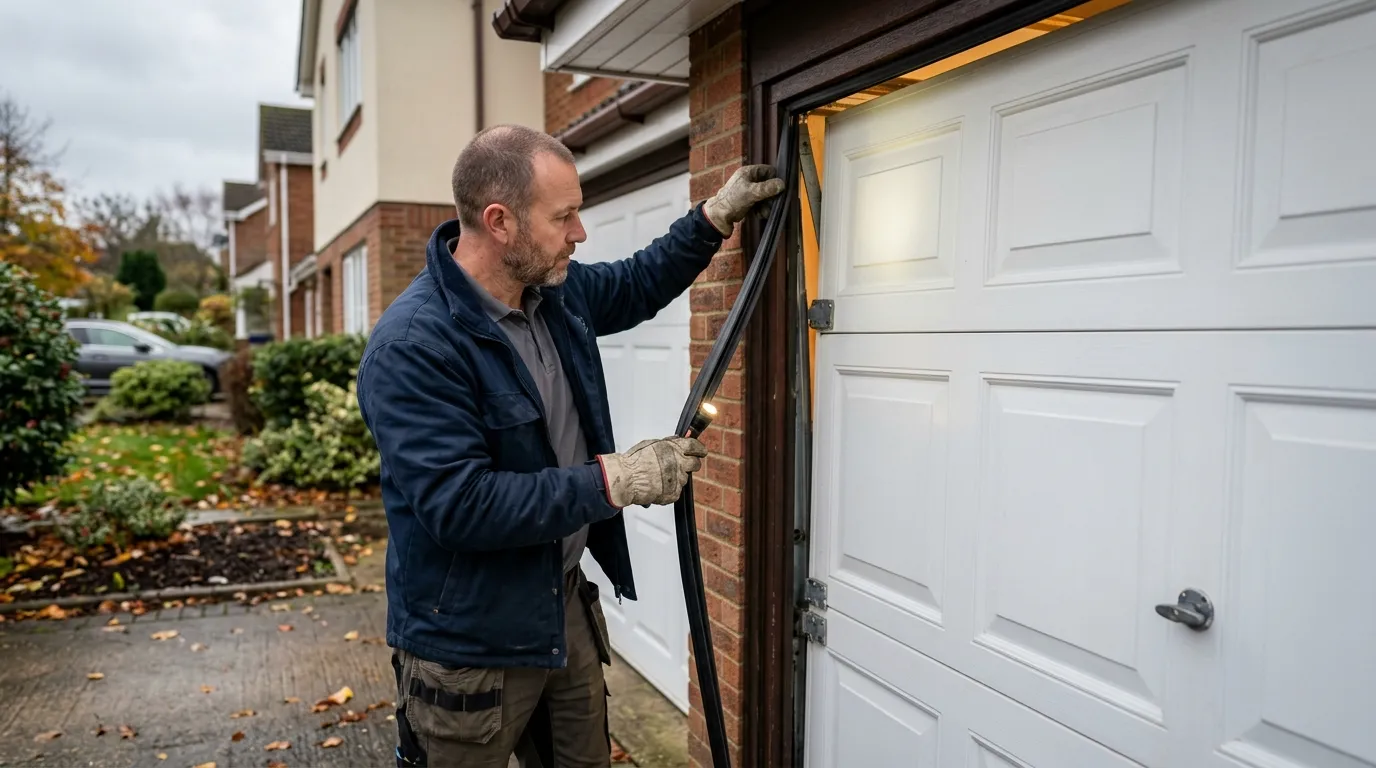
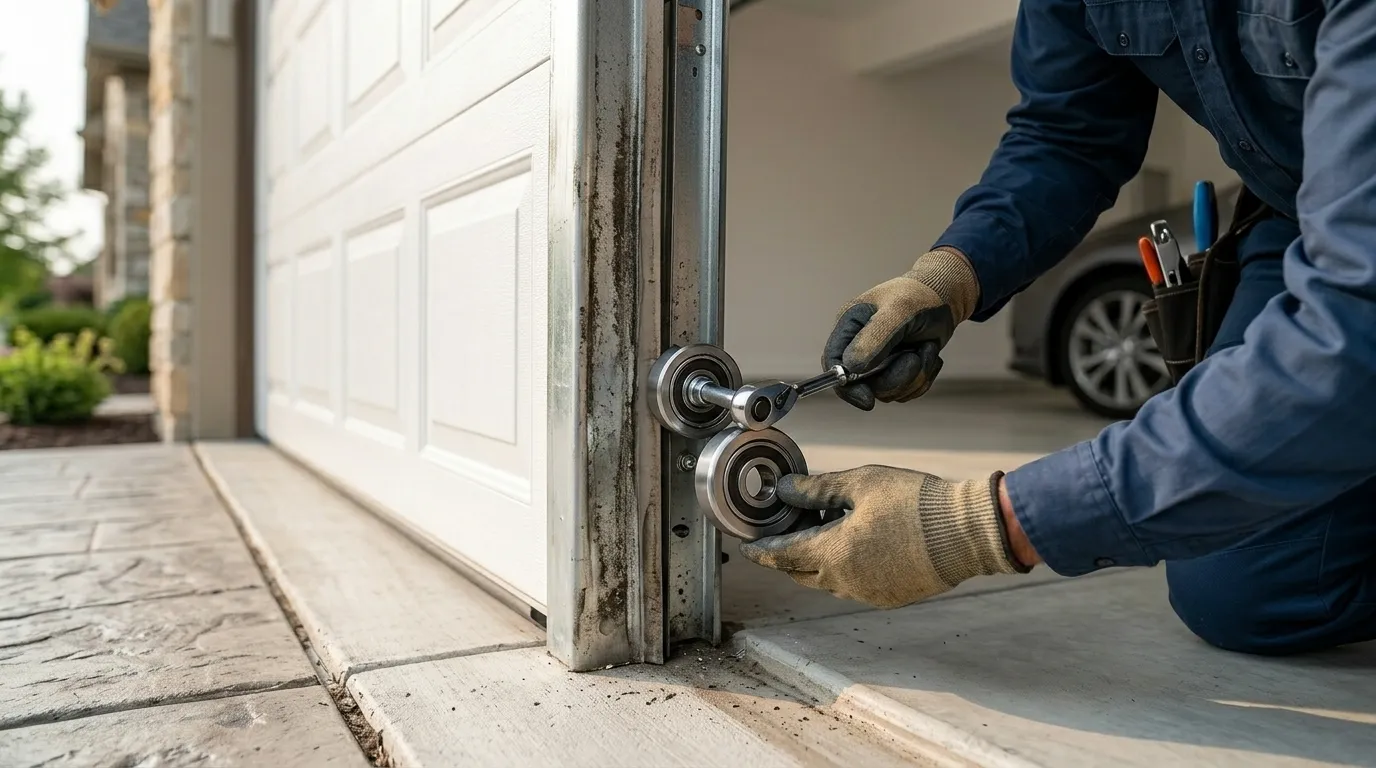
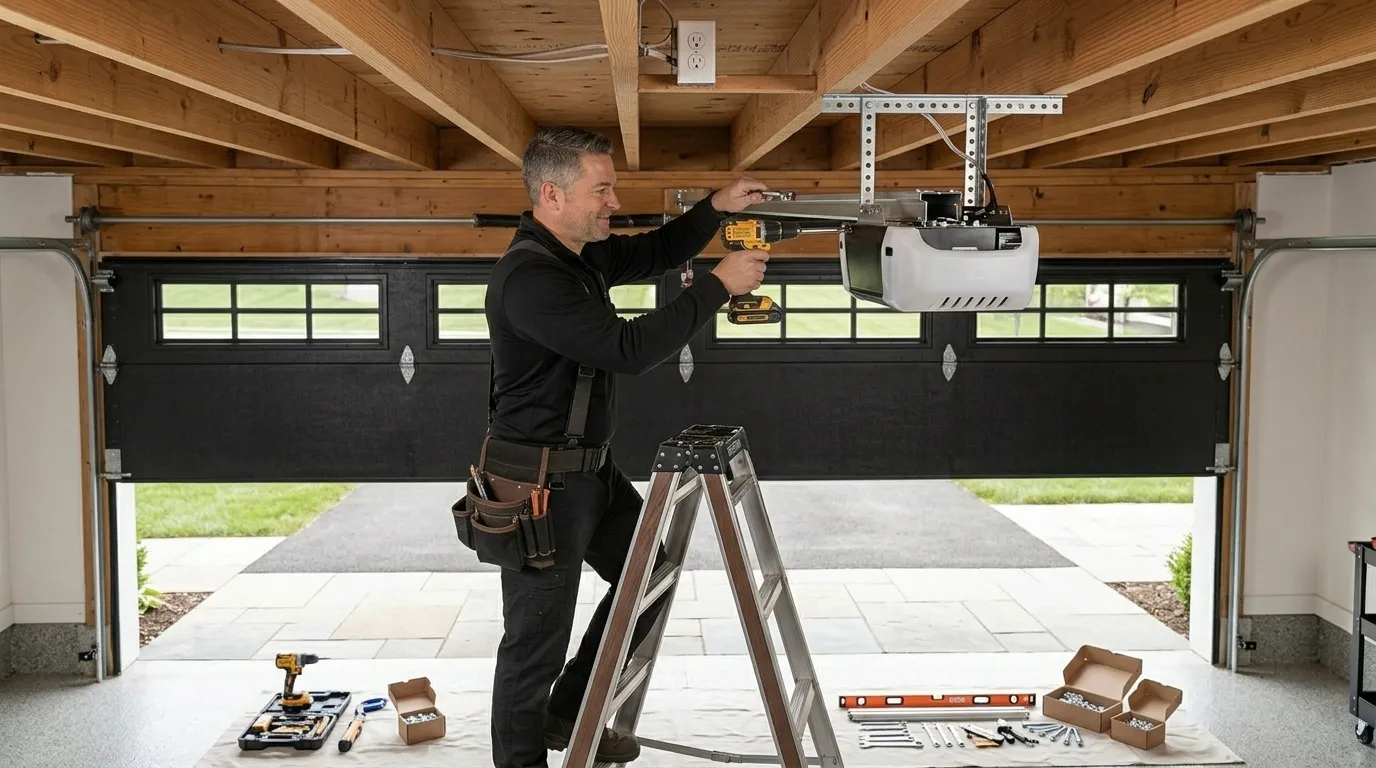
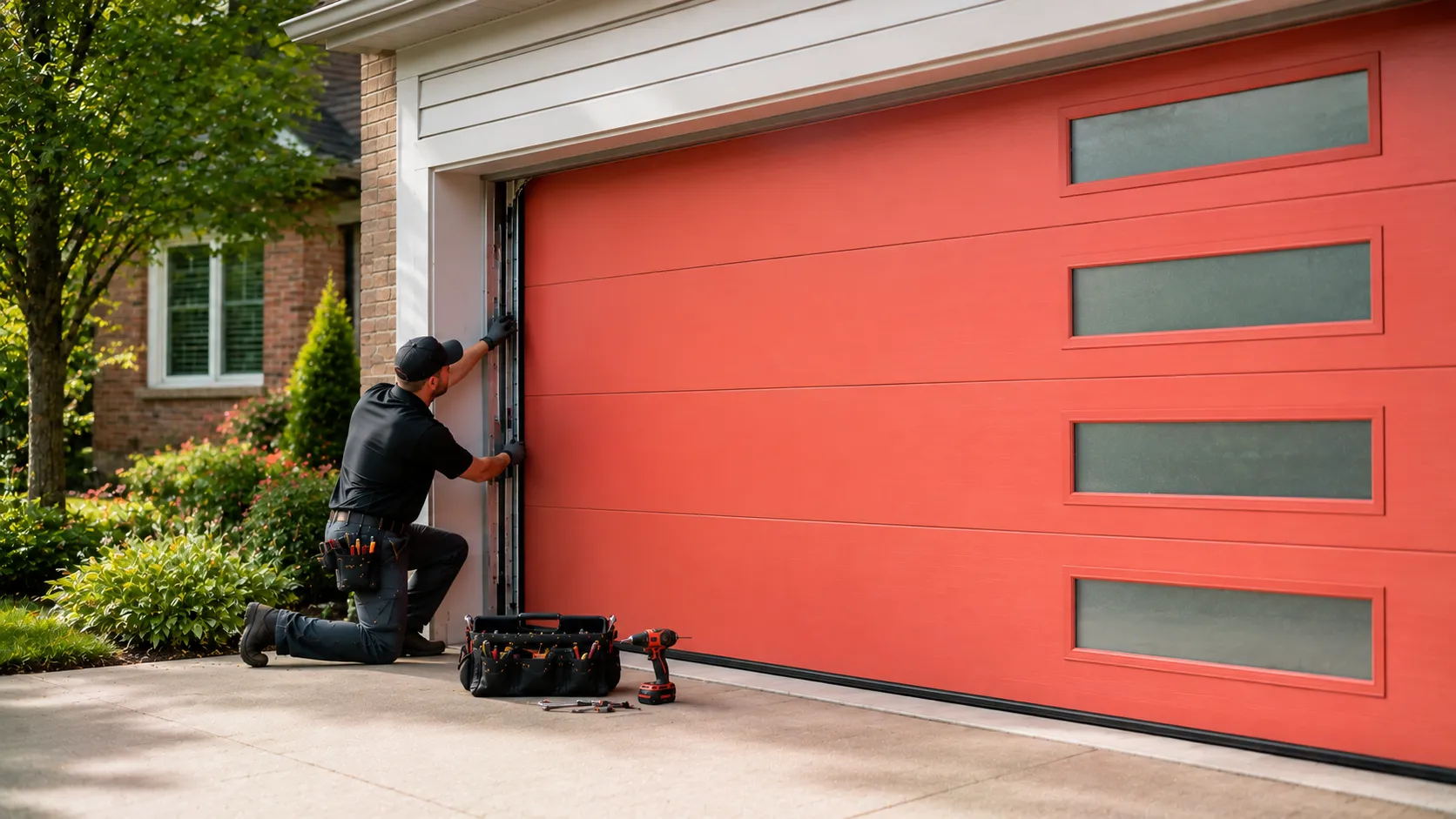
For a broken torsion spring on a Mountain House door, the job is a full spring swap matched to the door's weight and size, not a patch - we don't recommend re-using a spring that's already failed once. For an opener issue, we check the logic board, the sensors, and the wiring before we assume the motor itself is bad, since a motor swap is a bigger job than most opener problems actually need. Climate here runs moderate heat, so we're not dealing with the frame-warping and rust issues that come with harsher climates - the hardware failures we find are mechanical or electrical, not weather-driven. One honest limitation: if a part is proprietary to a specific builder-installed opener model, we may need to order it, which can add a day or two versus a repair using stock parts.