The Cost of This Job
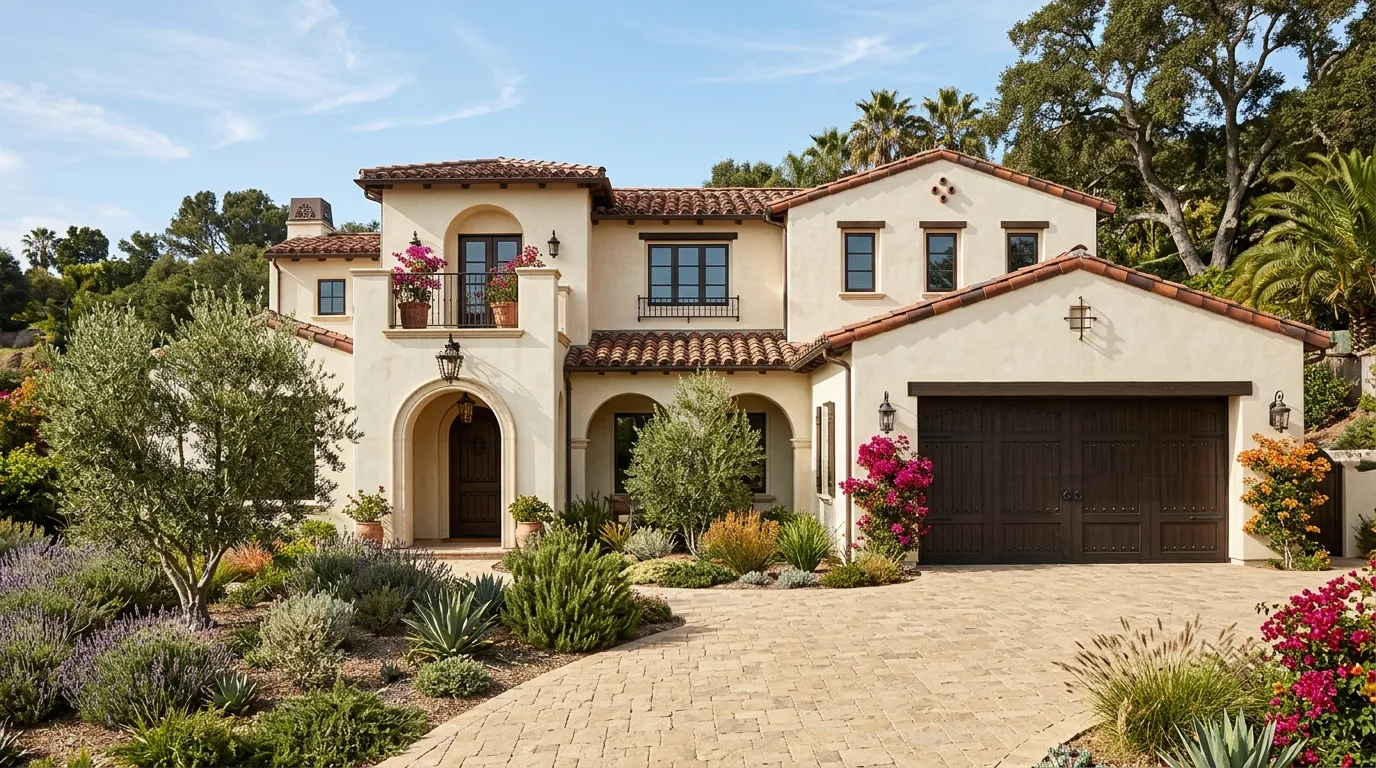
We're not going to hand you a number we don't have on file, but here's what does shape the price in this specific area. Mountain House's housing stock centers around 2010, which is decades newer than the 1979 median across the wider service area we cover out of Tracy. Newer openings mean standard modern door sizes and mounting hardware that's still in production - no hunting down a discontinued track profile or an odd-width panel to match a house built in the 1960s. That keeps the install itself more straightforward, which is worth something even if we can't quote a flat rate here. On the other side of the ledger, median household income in Mountain House runs well above the wider Tracy service area's $106,064, and that shows up in what people ask for: insulated steel doors, quieter belt-drive openers, smart controls. Those upgrades cost more than a bare steel door and a chain-drive opener, and that's a choice, not a requirement. We'll quote both ends and let you pick.
The Complications
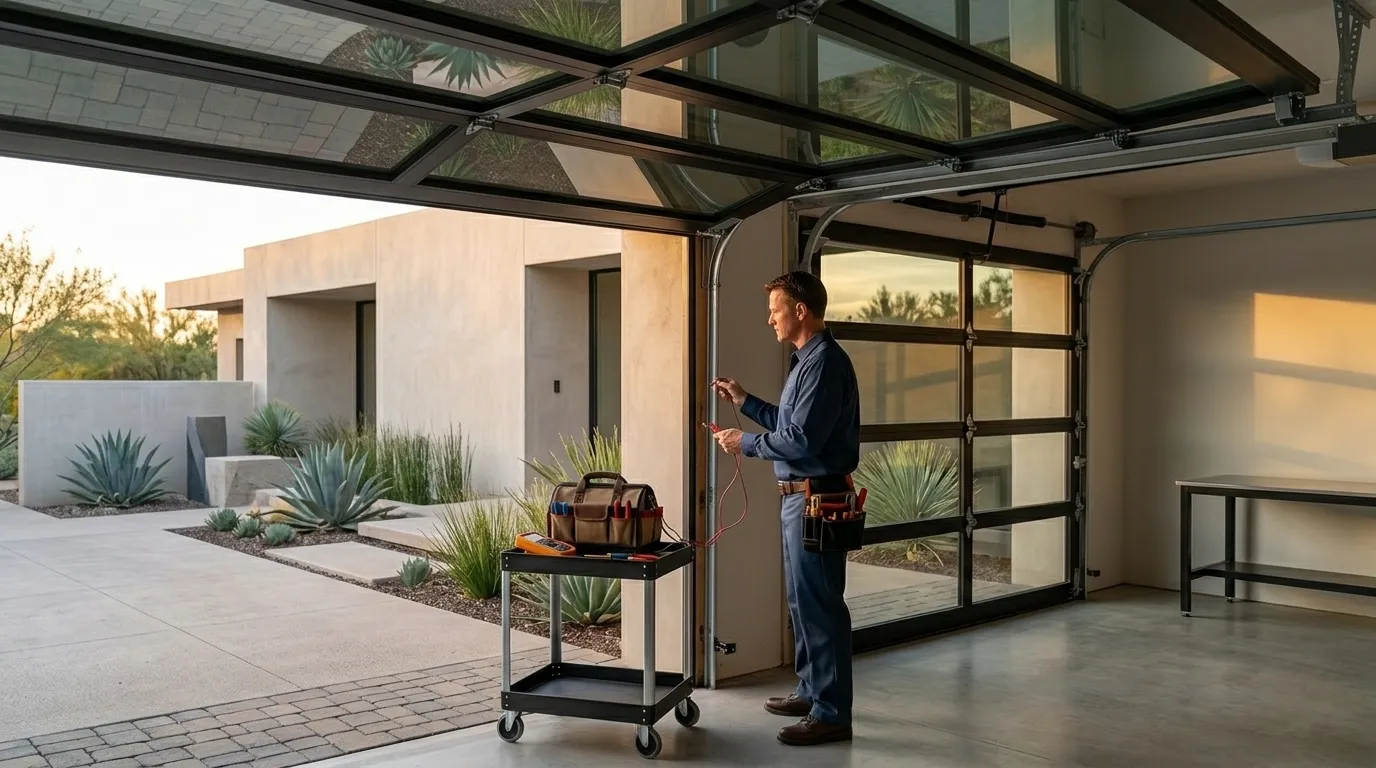
New-build garage openings are usually square, level, and built to current code, which removes most of the framing headaches we run into on older stock elsewhere in the area. The complication in Mountain House tends to be the opposite kind: houses built close together on planned layouts often share wall lines and side clearances that limit where a torsion shaft or an opener rail can sit. On a lot where the garage sits close to the property line, there's less room to improvise if the opener bracket doesn't land where the builder's original one did. We also see openers here that came in as a builder-grade unit at construction and were never touched again. Swapping that unit for something quieter or smarter usually goes fine, but if the original wiring or wall control was run for that specific model, we may need to run new low-voltage wire rather than reuse what's there.
Why This Fails Locally
The failure pattern in Mountain House isn't age - the doors here are too new for worn-out springs and rusted track to be the main issue yet. What we see instead is mismatch: a builder-installed opener that's underpowered for an upgraded, heavier insulated door someone added later, or a door installed to a tight builder spec that doesn't leave clearance for a battery backup unit or a newer safety sensor bracket. Climate here runs moderate on the heat side, so we're not chasing the kind of thermal expansion problems that crack older wood-composite panels in hotter, harsher zones - that's one less thing to worry about. The real risk in a newer subdivision is that everything looks fine because it's new, right up until an opener rated for a lighter door strains itself out installing what was actually put on it.
What the Fix Involves
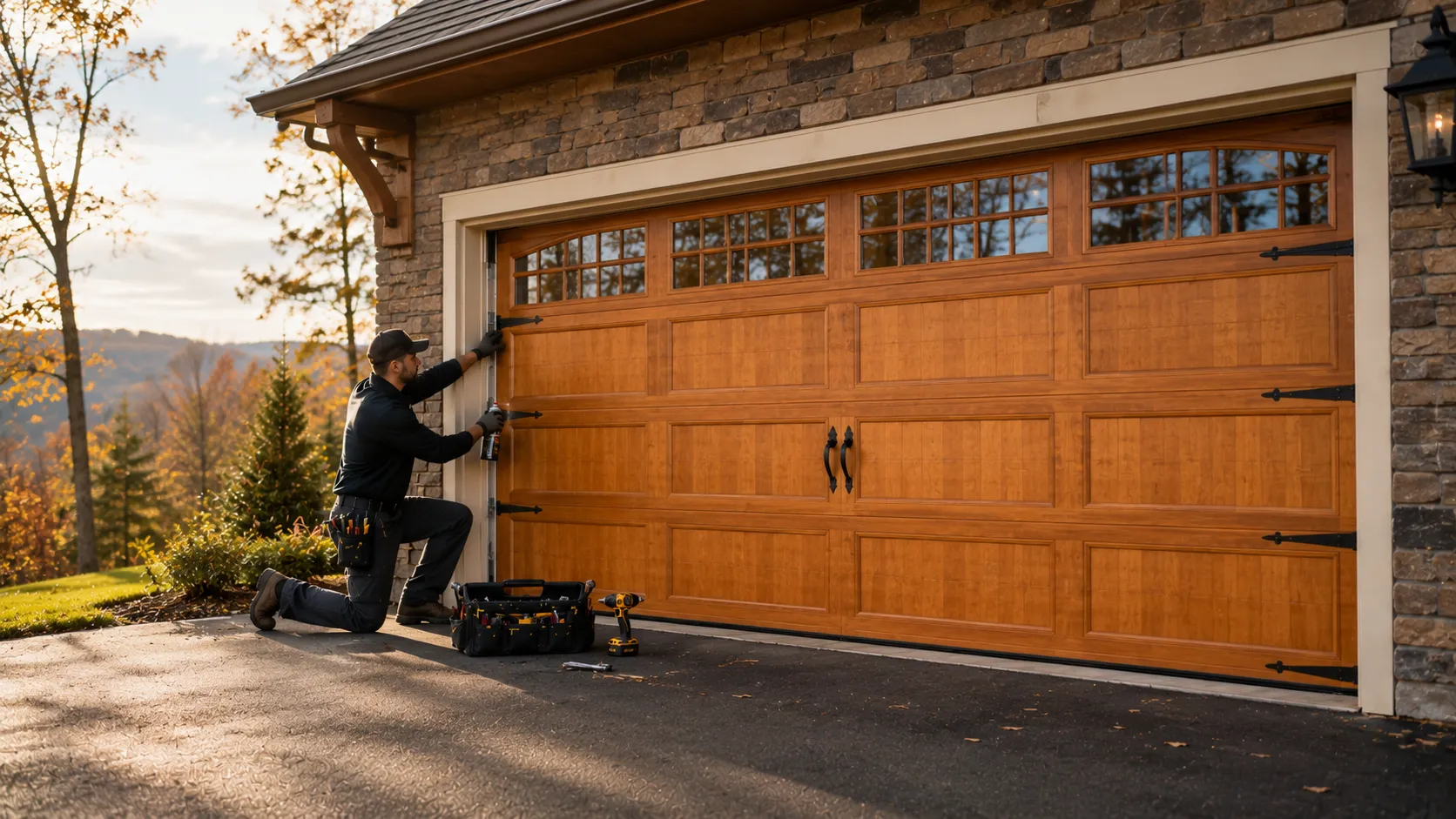
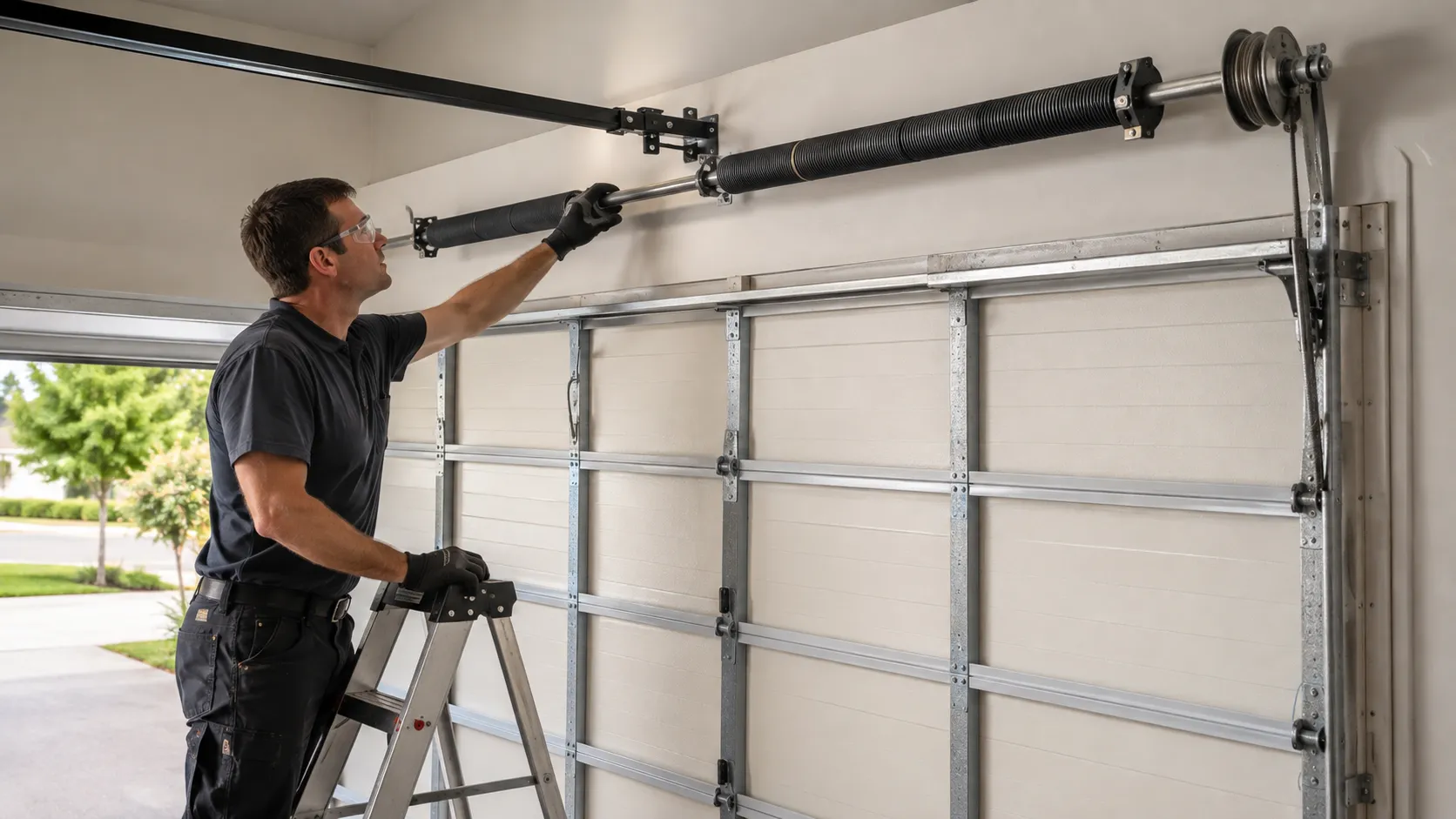
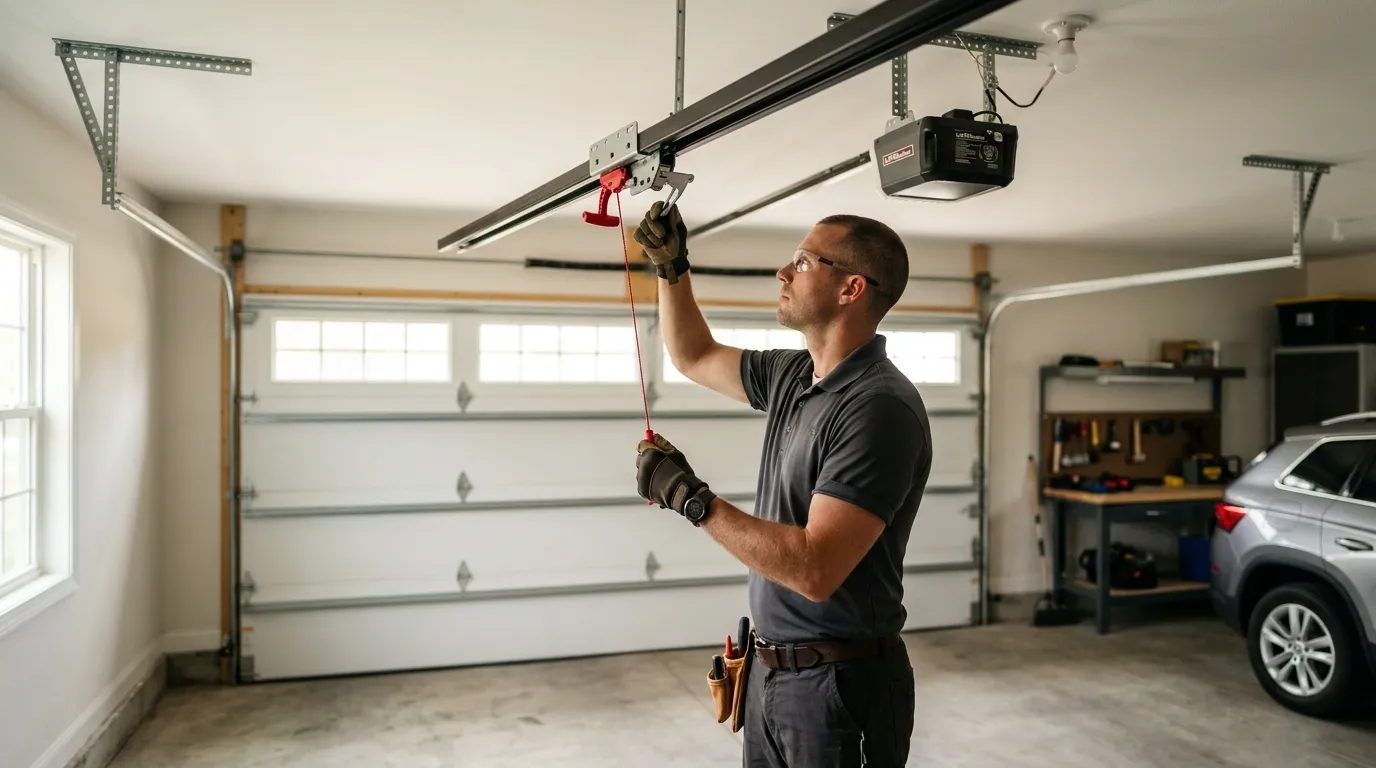
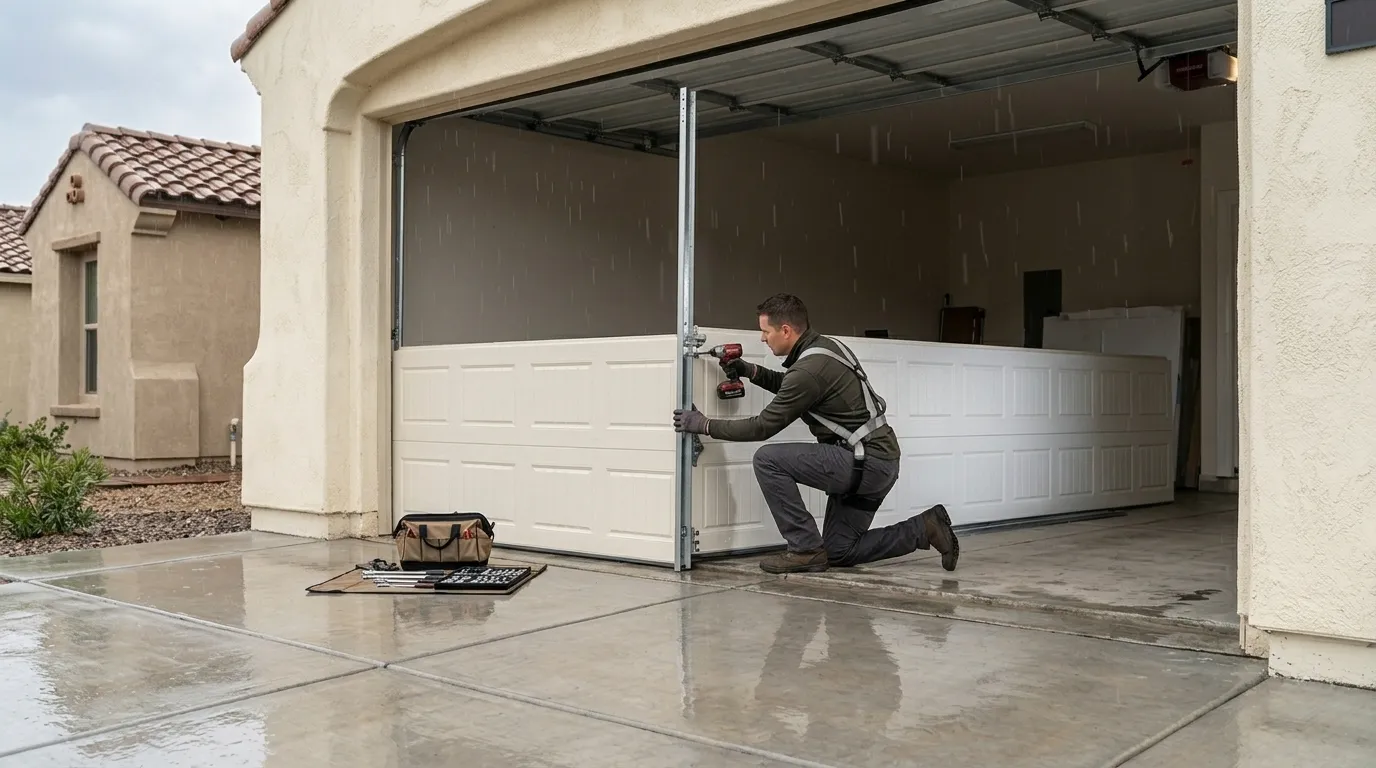
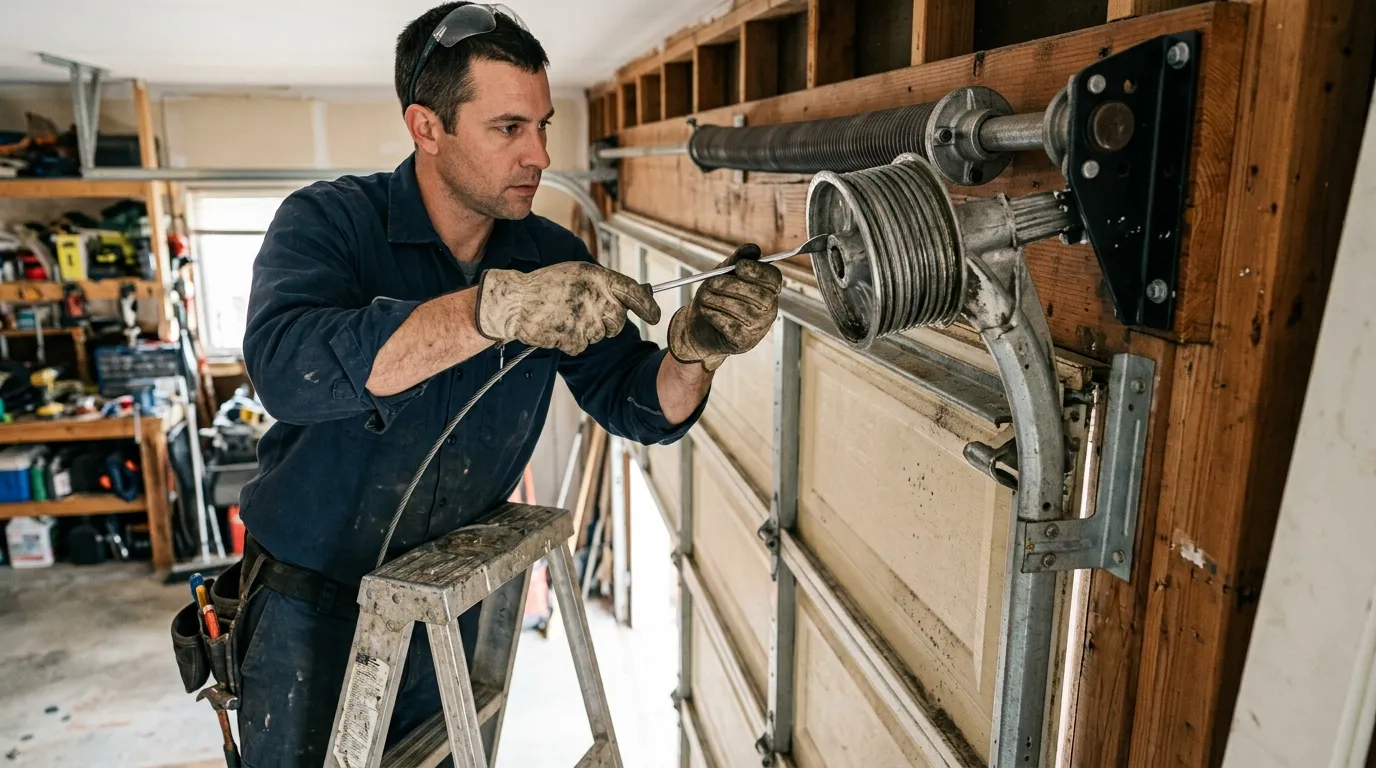
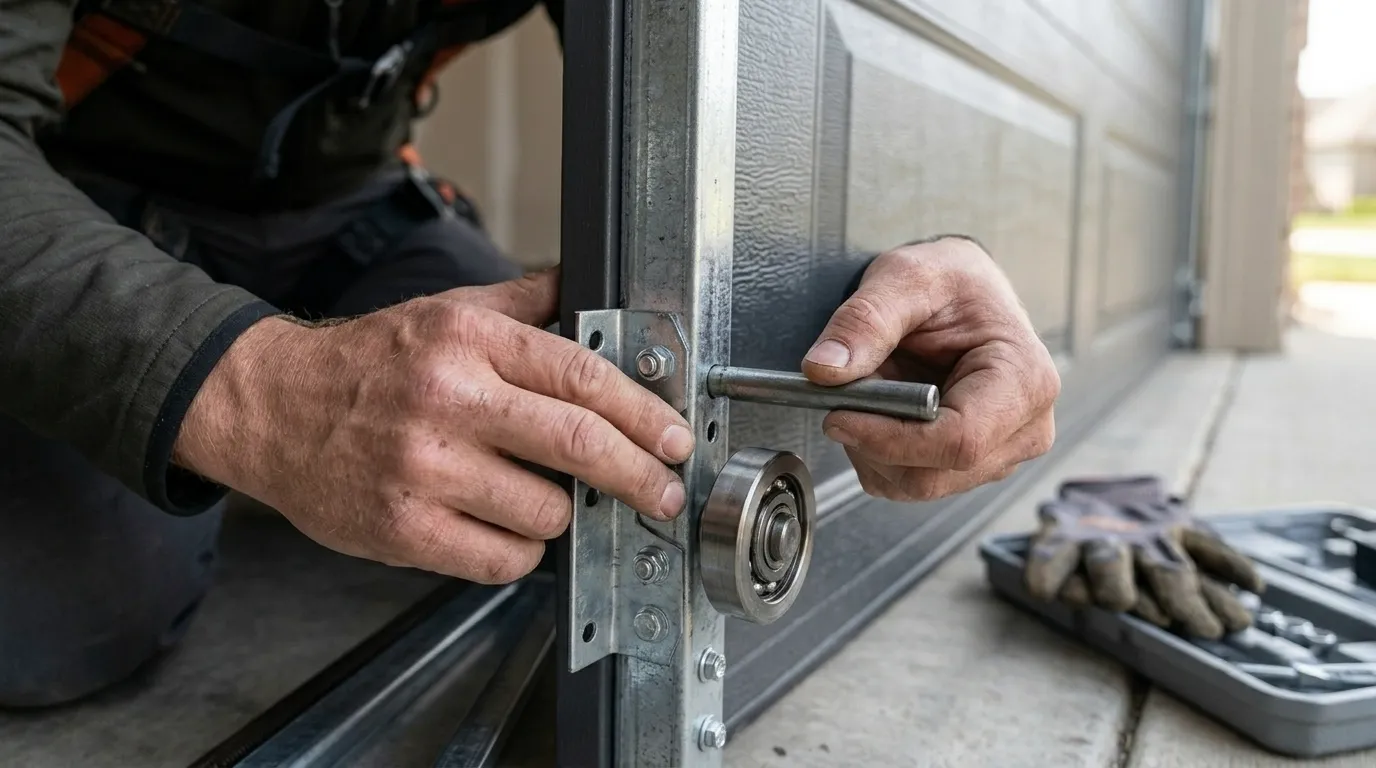
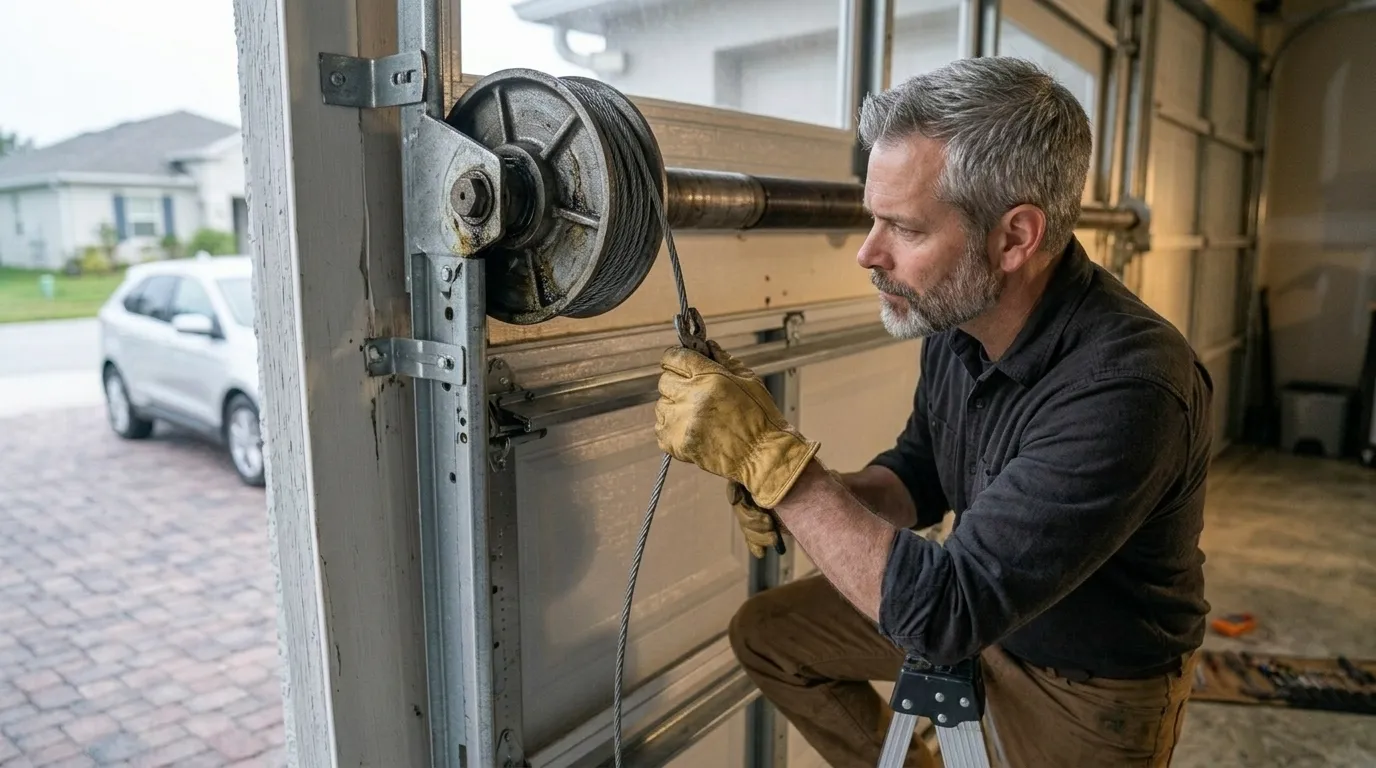
For a straight new install, we bring the door, track, springs sized to the door's actual weight, and an opener matched to that weight - not whatever unit happens to be on the truck. Given how uniform openings run across Mountain House's newer-built streets, we can often confirm hardware fit before we ever cut a box open. The job itself is a full day's work for one door: strip the old unit if there is one, set new track and spring, hang the door, mount and wire the opener, then balance and test the safety reverse. If you're moving up from a builder-grade opener to something with a battery backup or smart app control, we'll also check that your electrical outlet and Wi-Fi reach the garage - a gap we sometimes find in newer construction where the garage wasn't wired with extras in mind.