The Cost of This Job
We don't have a posted price to give you here, and we're not going to make one up. What we can tell you is what drives the number: a straightforward tune-up on a newer door with factory hardware is usually the lower end of any maintenance job we do, because the rollers, cables, and opener gears haven't seen the wear a 1980s door has. Mountain House's household income sits well above the wider Tracy service area, and we mention that only because it tends to mean owners here call for a check-up before something breaks, not after - that's the cheaper visit every time.
The Complications
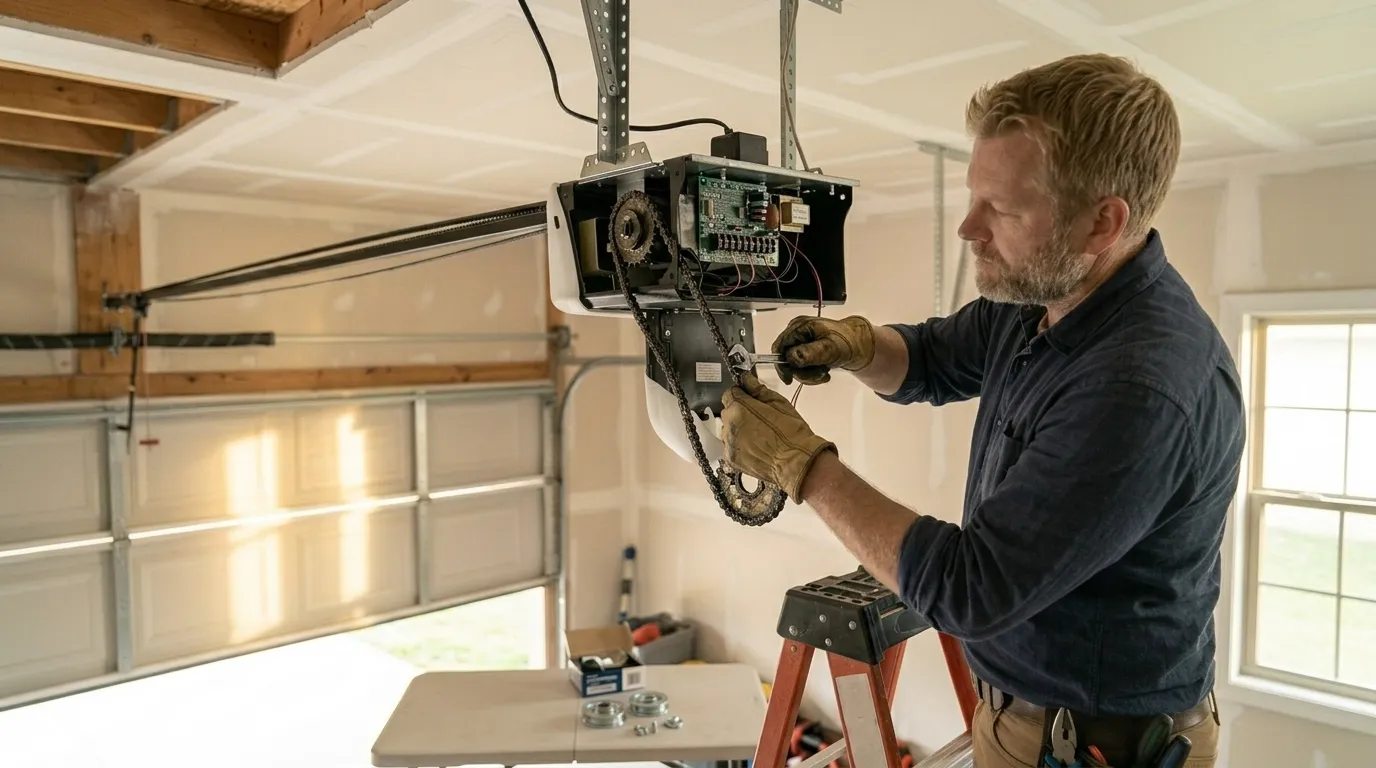
The complication in Mountain House isn't old hardware, it's newer hardware nobody maintains because it doesn't look like it needs it. A door built in 2010 or later usually runs a belt-drive opener with a circuit board, a rolling-code remote, and plastic idler pulleys instead of the all-metal parts from decades back. Those pulleys are the part that fails first, and they fail quietly - the door starts running rough or off-center before anything snaps. Across the rest of the Tracy service area, where the housing mix runs from the mid-1950s through the 2000s, we're mostly chasing worn torsion springs and rusted track brackets. Here, it's plastic wear parts and opener sensors that have gone slightly out of alignment, which is a smaller, cheaper fix if it's caught, and a stuck door at an inconvenient time if it's not.
Why This Fails Locally
The failure pattern in Mountain House is tied directly to how recently these homes went up. A door built in the 2000s or later relies on sealed bearings and plastic components engineered for a specific service life, not the overbuilt steel hardware from the era Tracy's older neighborhoods were framed in. When those parts reach end of life, they don't loosen gradually the way old steel does - they crack or bind. Add in the region's moderate heat, which puts real thermal cycling on plastic housings and belt material over a summer, and you get openers that seem fine in spring and start slipping or grinding by August. It's not a defect specific to any one builder; it's just what happens to newer components after a decade of that cycle.
What the Fix Involves
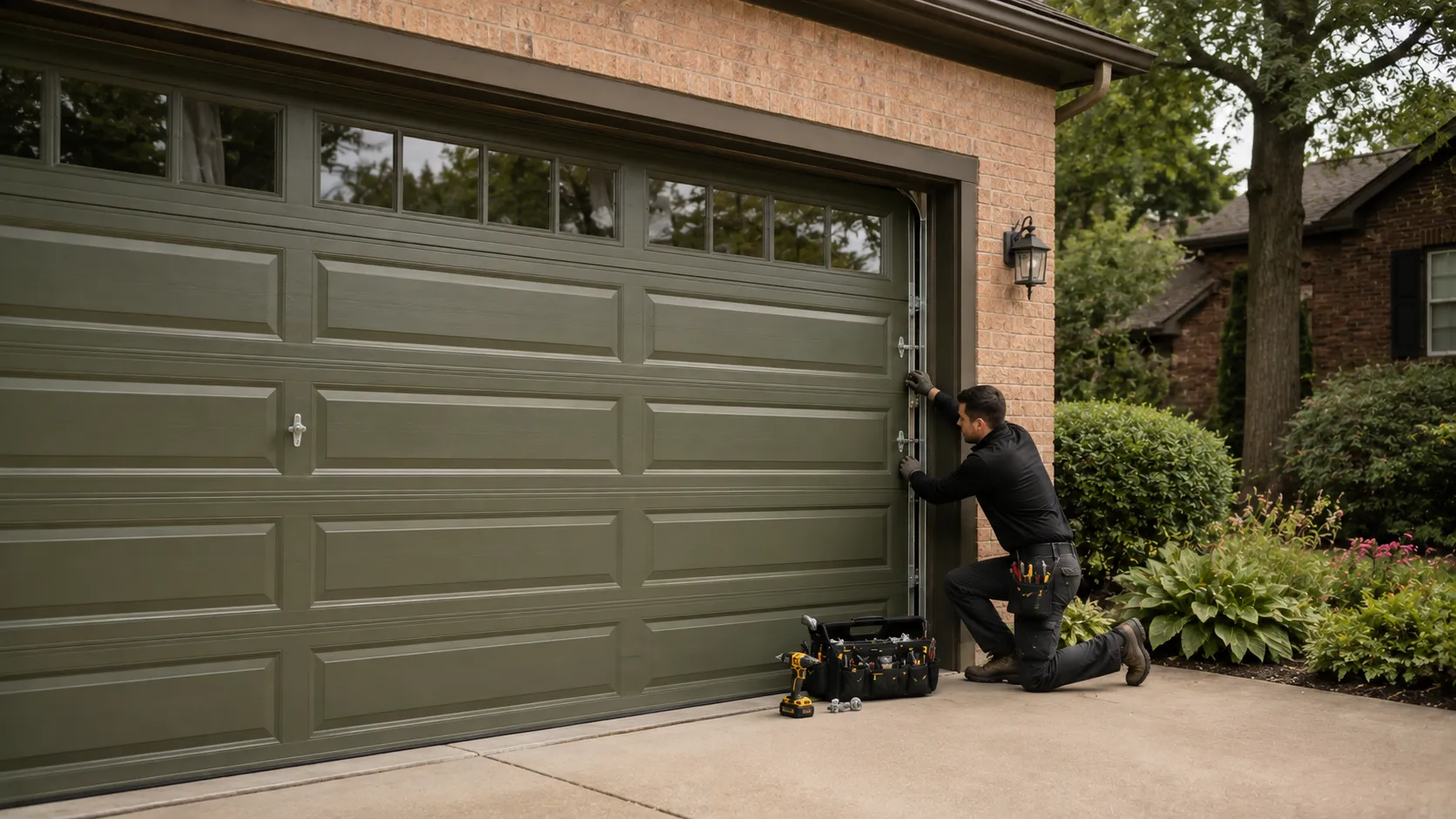
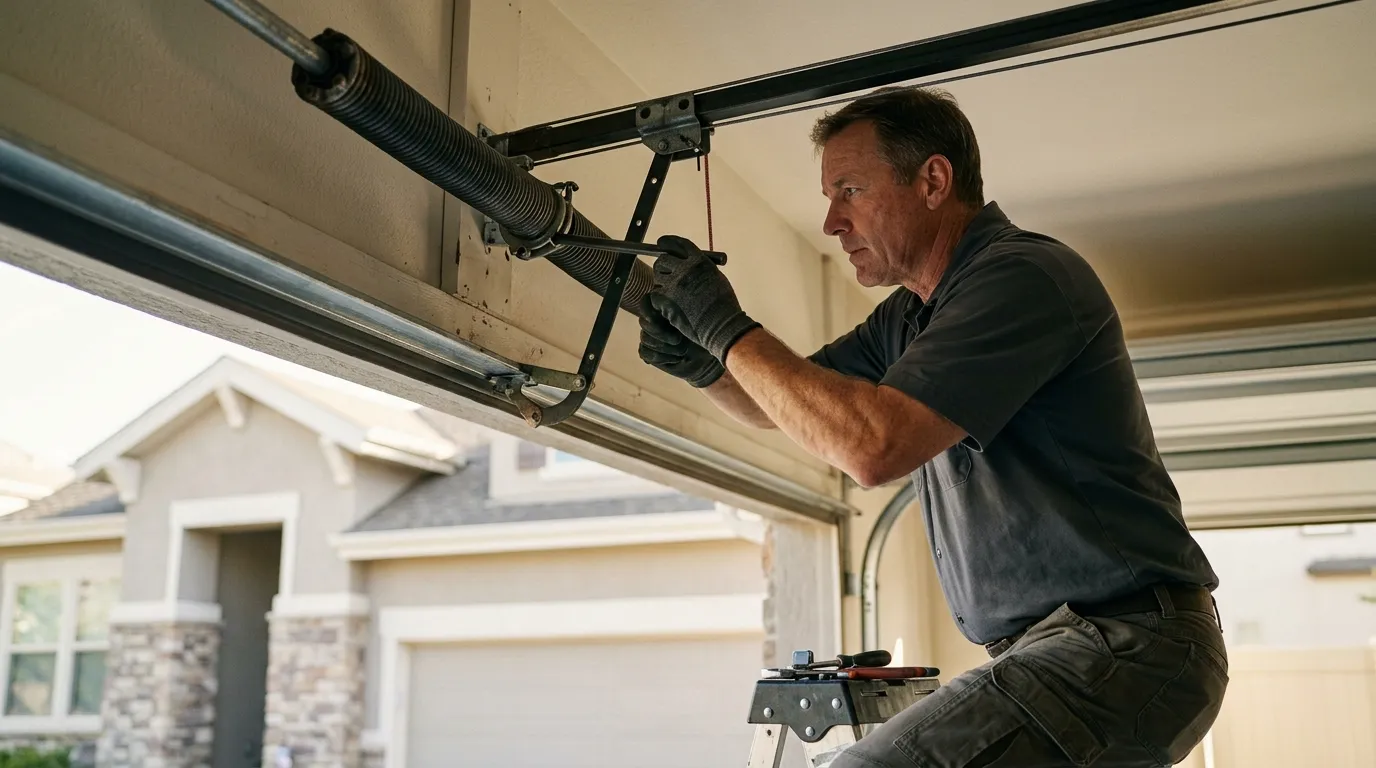
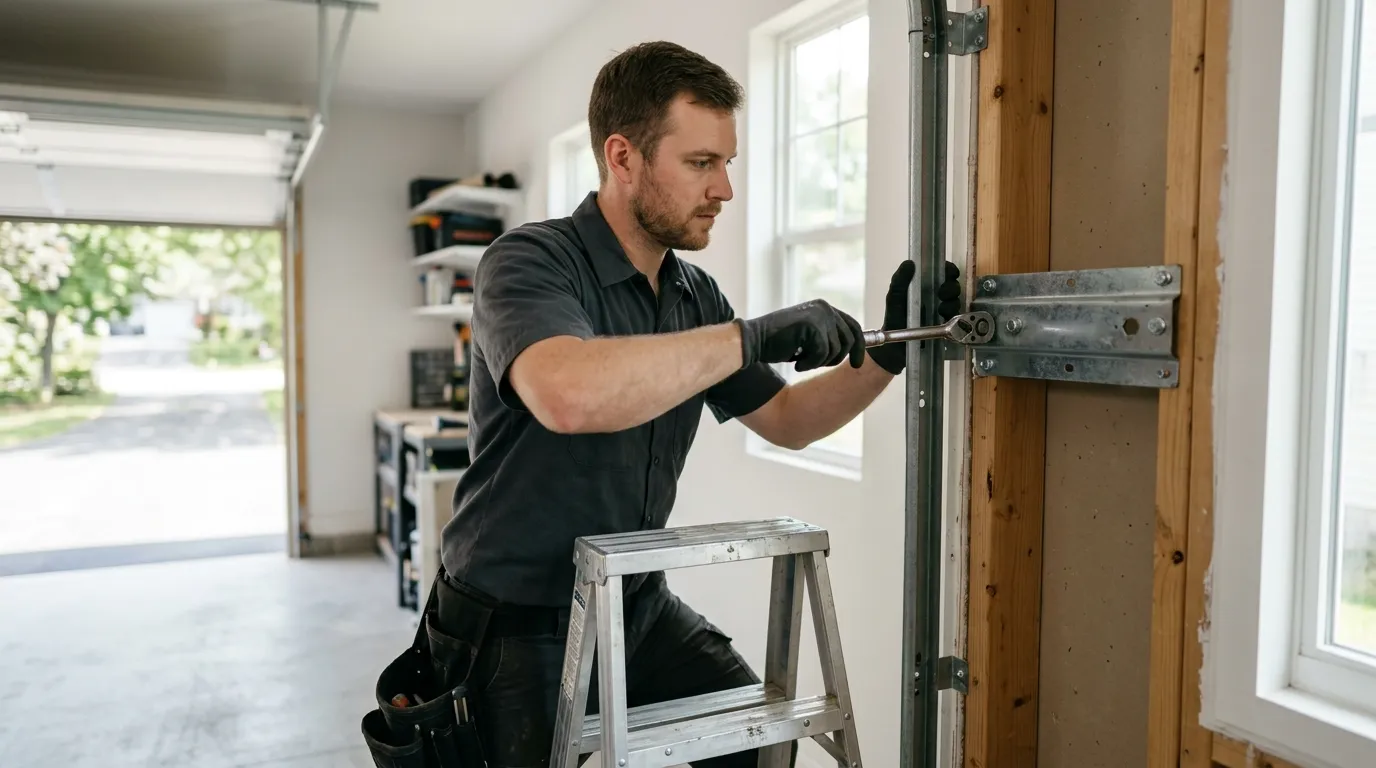
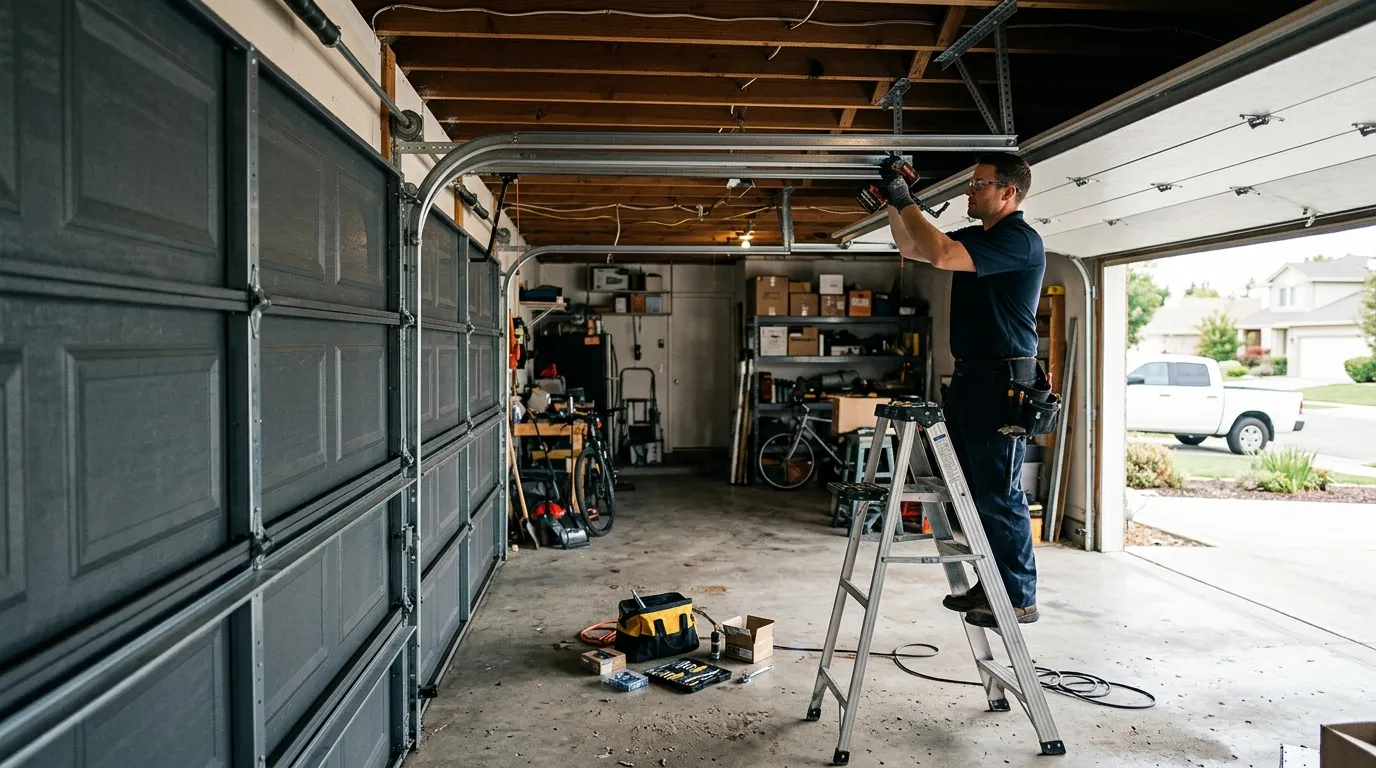
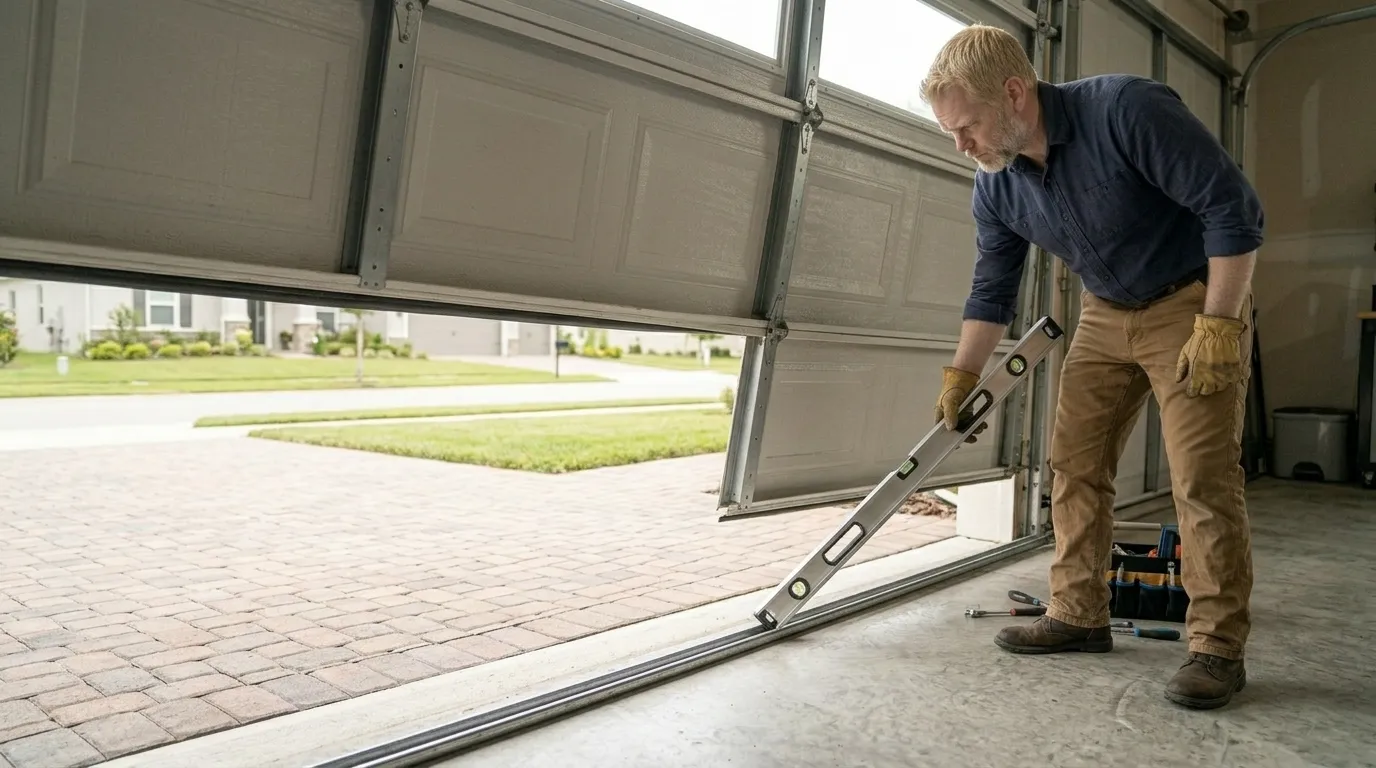
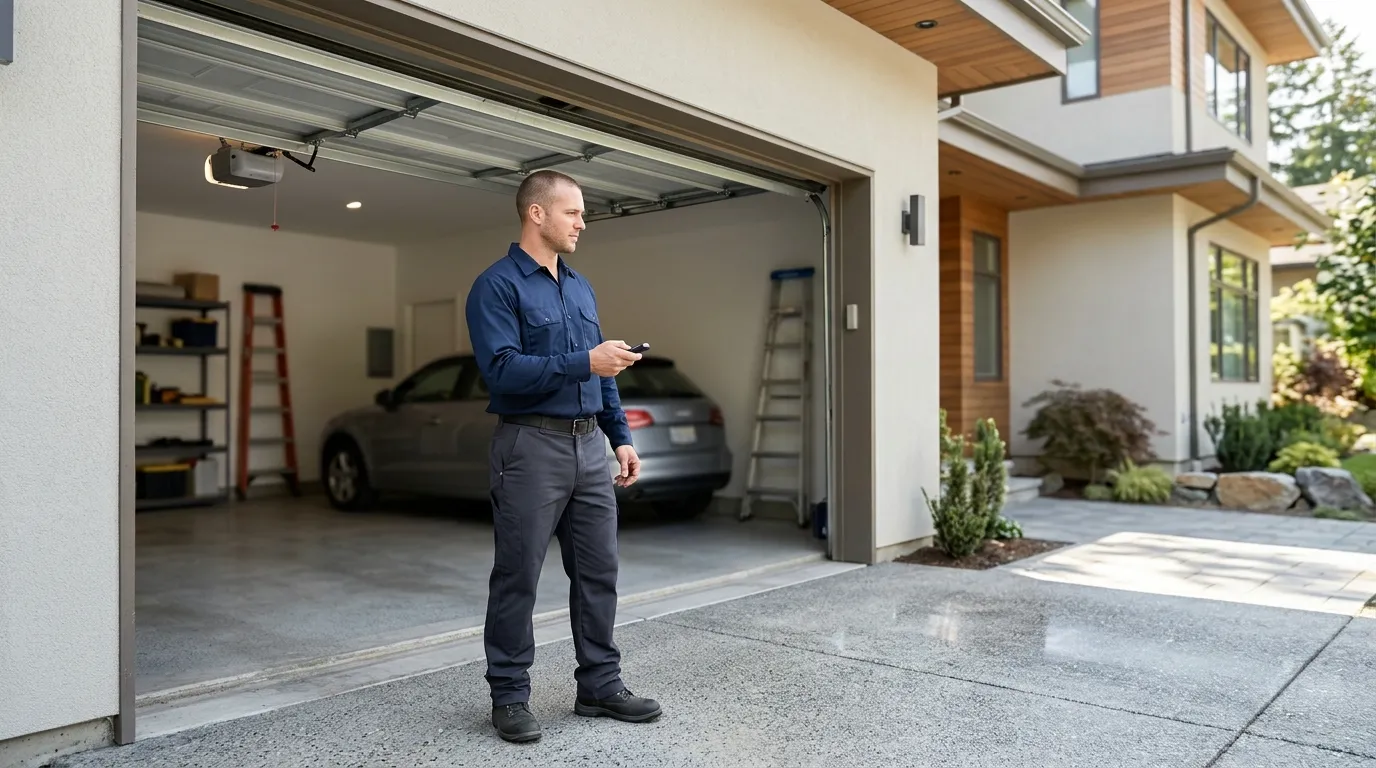
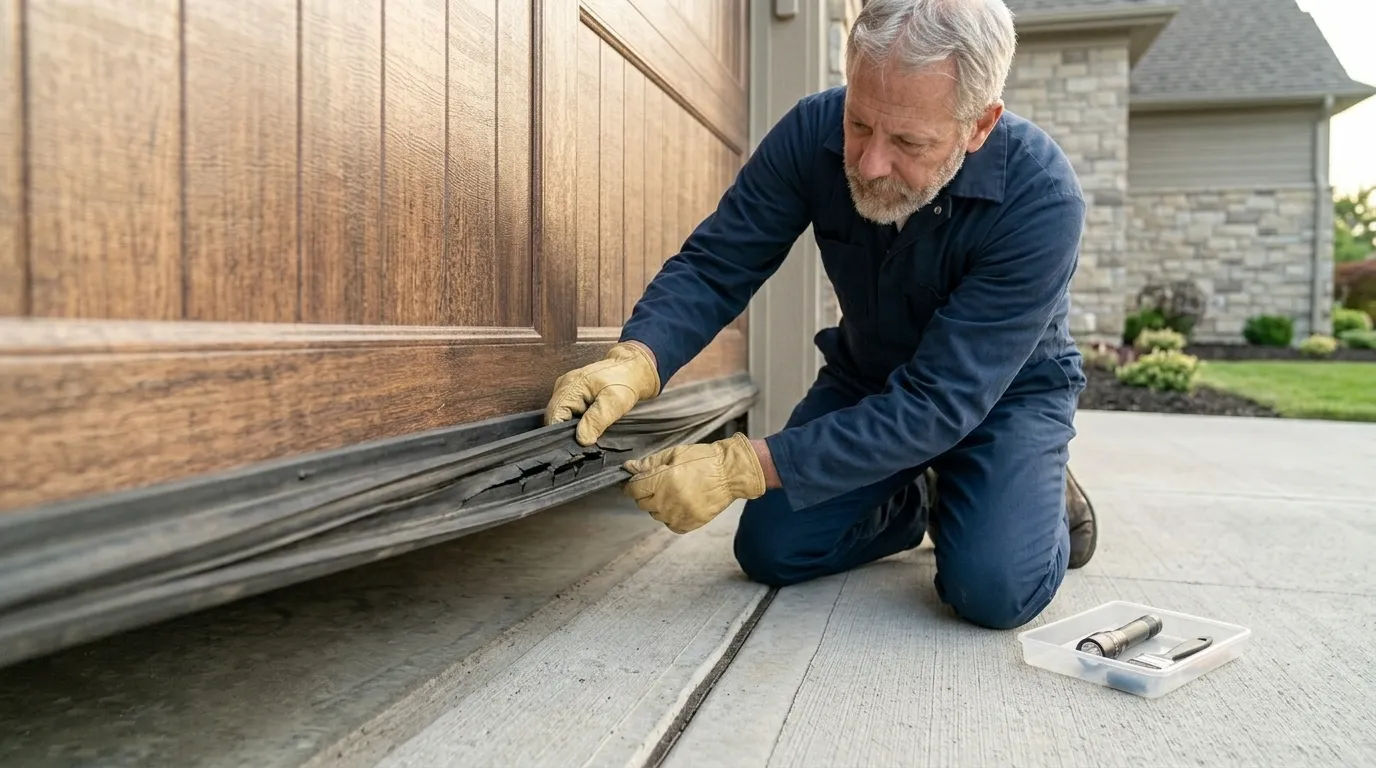
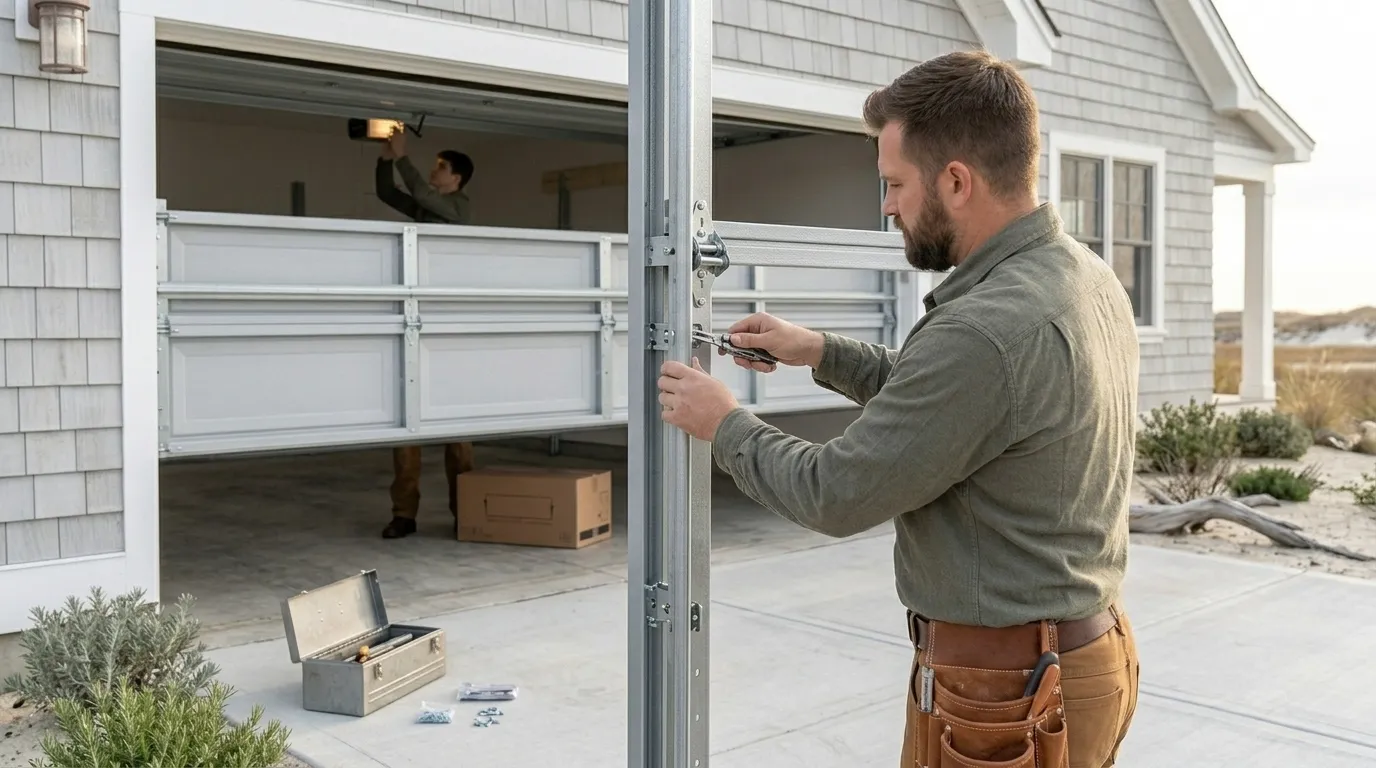
For most Mountain House calls, the visit is a full-track and roller inspection, a check of belt tension and idler pulleys if it's a belt-drive opener, sensor alignment, and a balance test on the door itself even though the springs on a 2000s-plus build are usually still within spec. We're not doing a spring swap on most of these doors - that's the Tracy older-stock job, not this one. If we do find a cracked pulley or a sensor knocked out of alignment, that's a same-visit fix in most cases. What we won't do is push a full opener replacement on a system that's running fine just because it's not the newest model on the shelf; if the board and motor are sound, a maintenance visit is the right scope.