What We Do Not Do
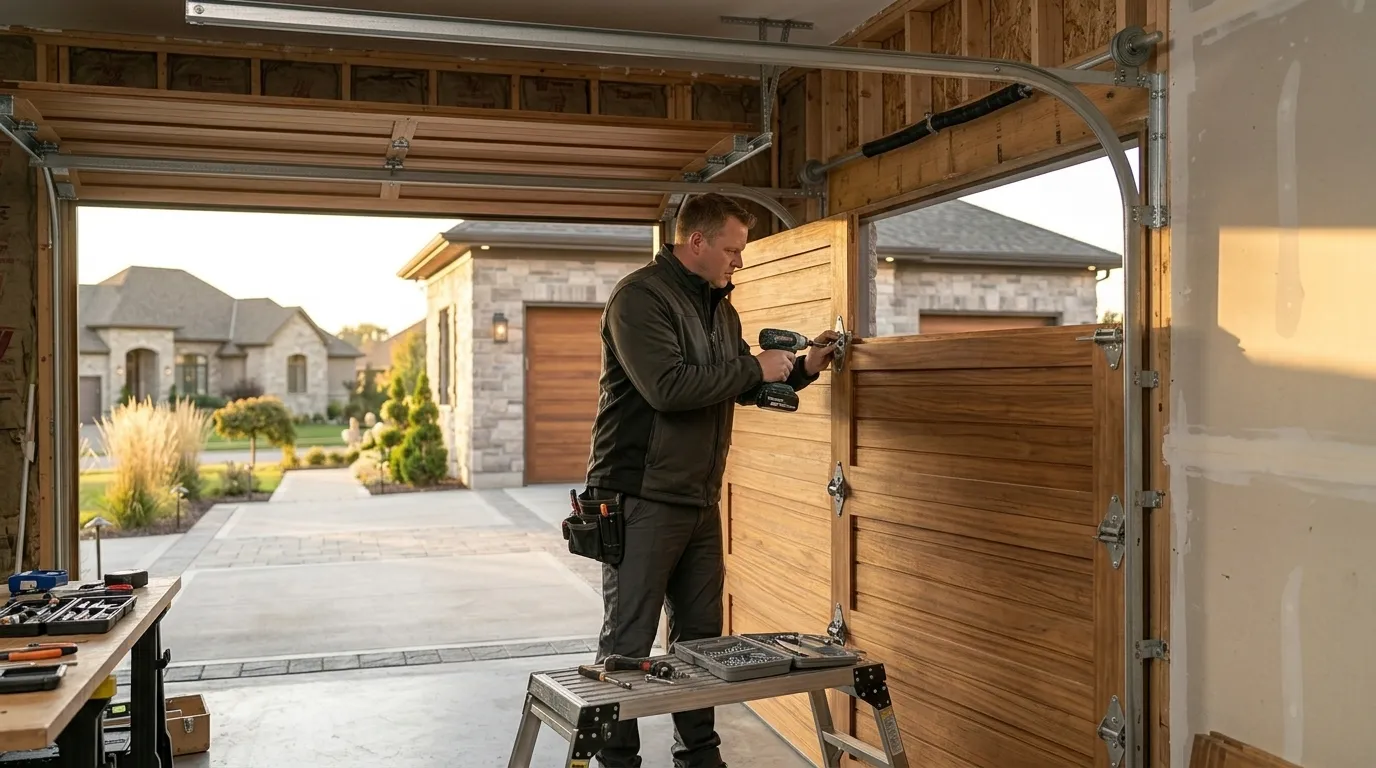
We don't try to force a repair onto hardware that's already been swapped out of spec. Some homes in this area have had a panel replaced or an opener upgraded by a previous owner or a handyman, and when the spring size, drum, or cable doesn't match the door anymore, patching it is a short-term fix that fails again in a year. In that case we'll tell you replacement is the cheaper call over time, even though it's the bigger invoice today. We also don't carry parts for every opener brand on the truck - newer Wi-Fi-enabled openers sometimes mean a board or sensor kit has to be ordered rather than pulled off the shelf, which can add a day or two to a repair that would otherwise be same-visit. We'd rather say that up front than promise a fix we can't finish.
What That Means for Doors
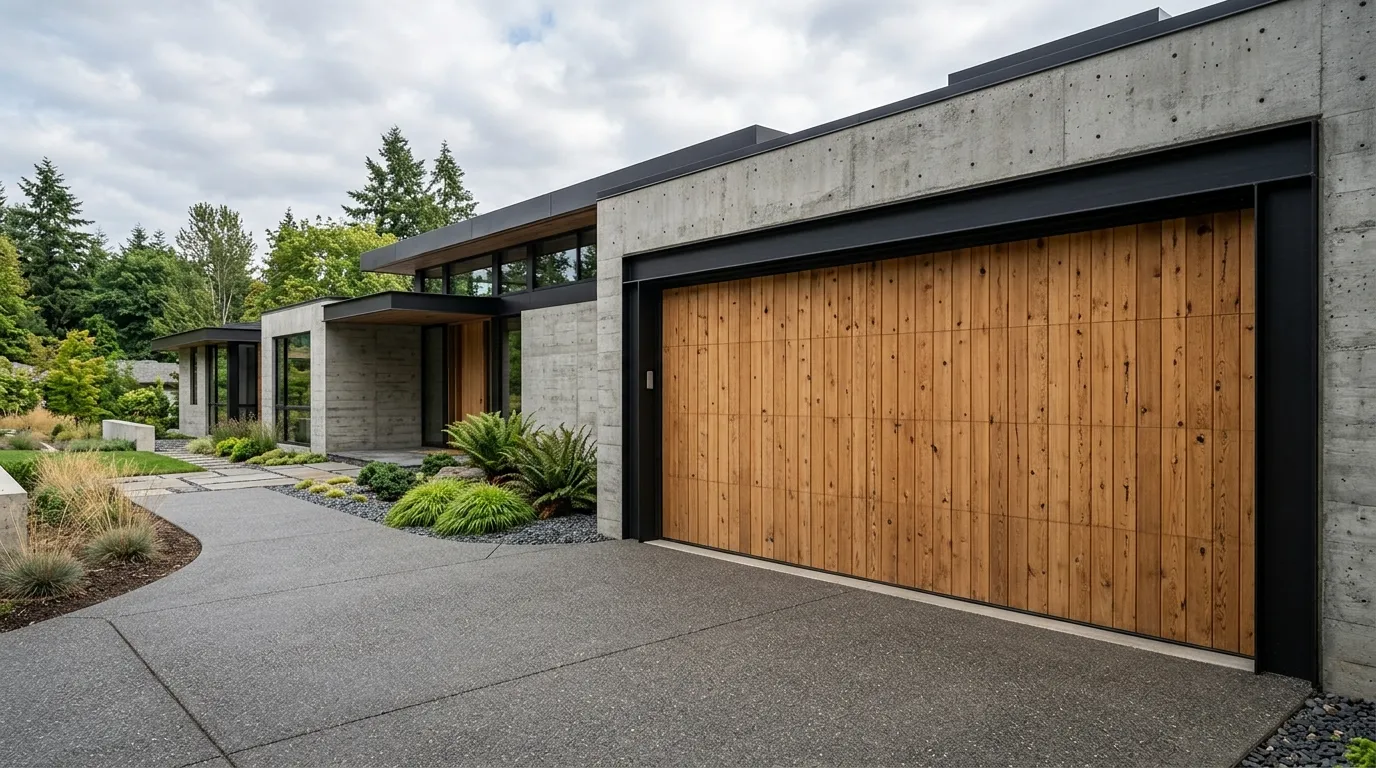
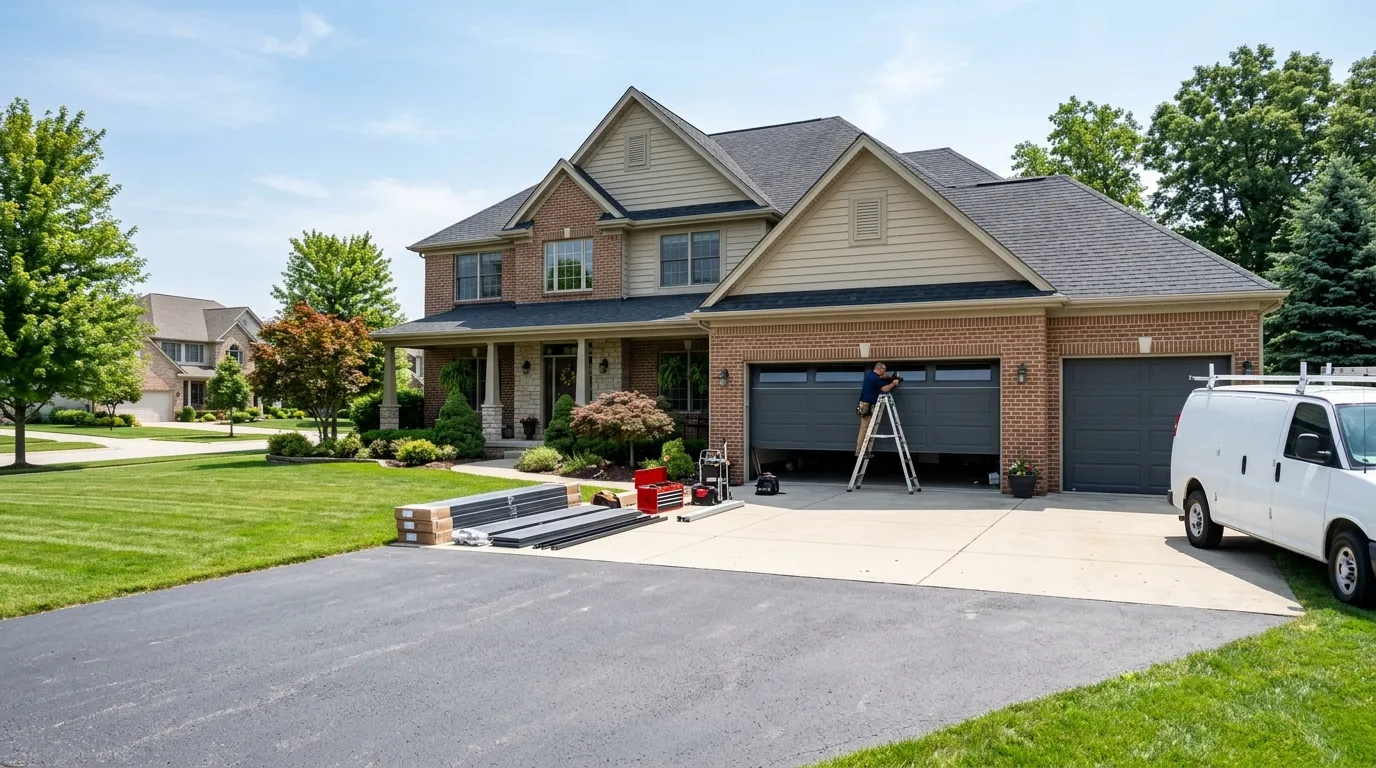
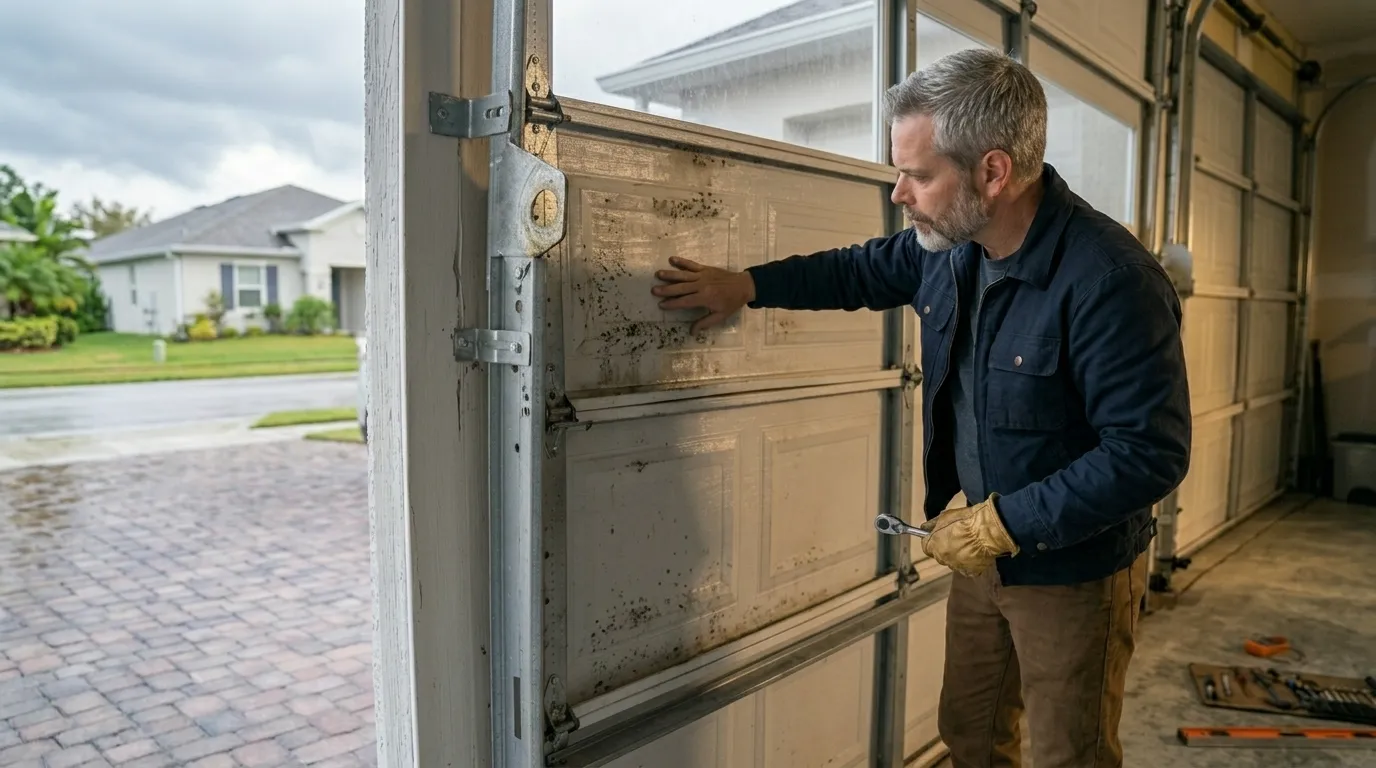
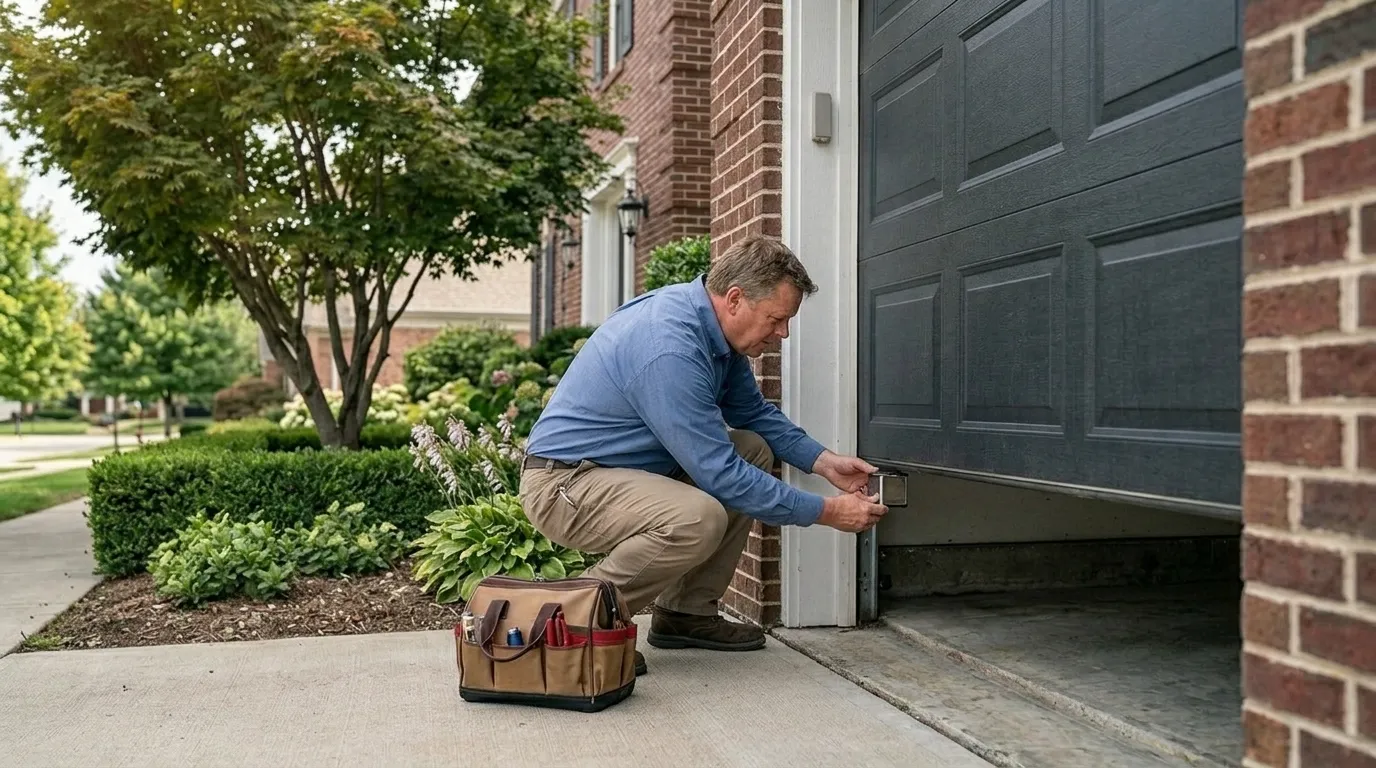
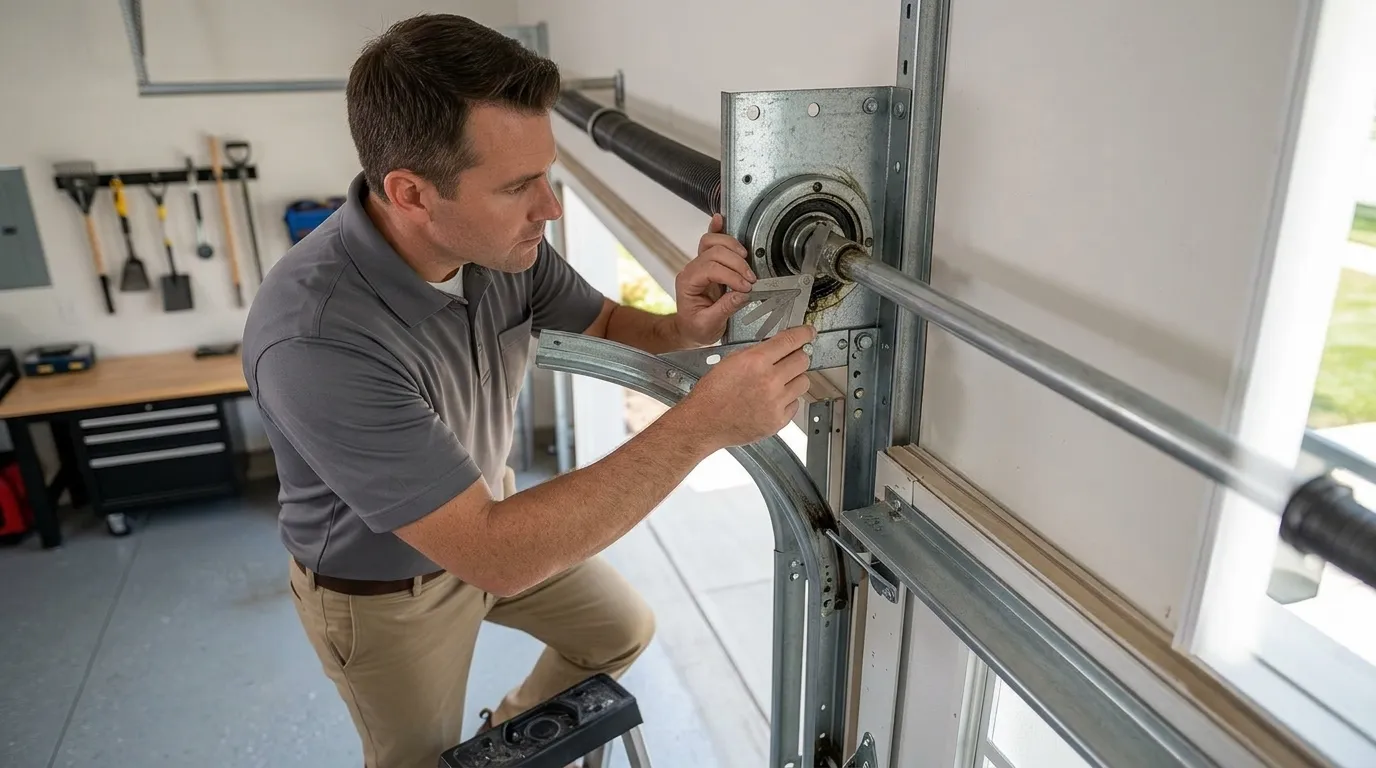
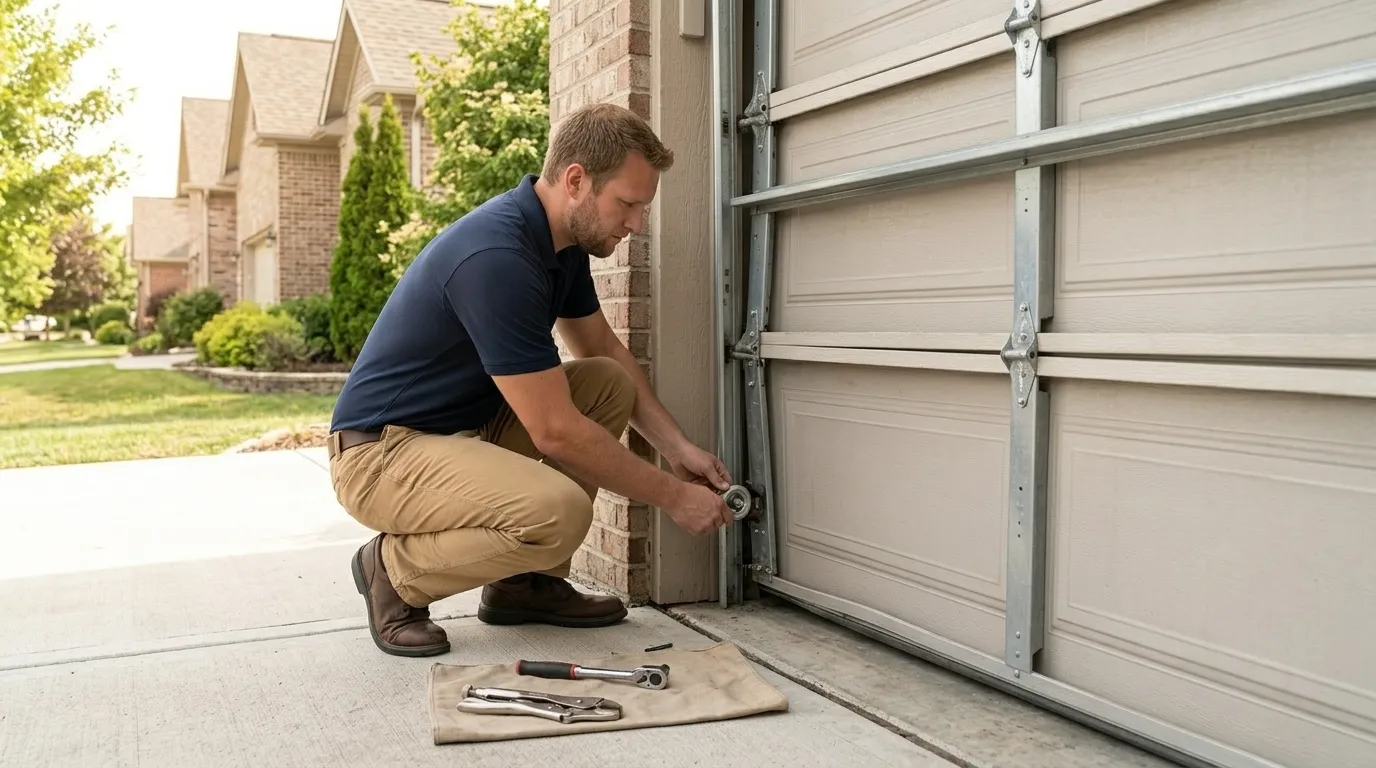
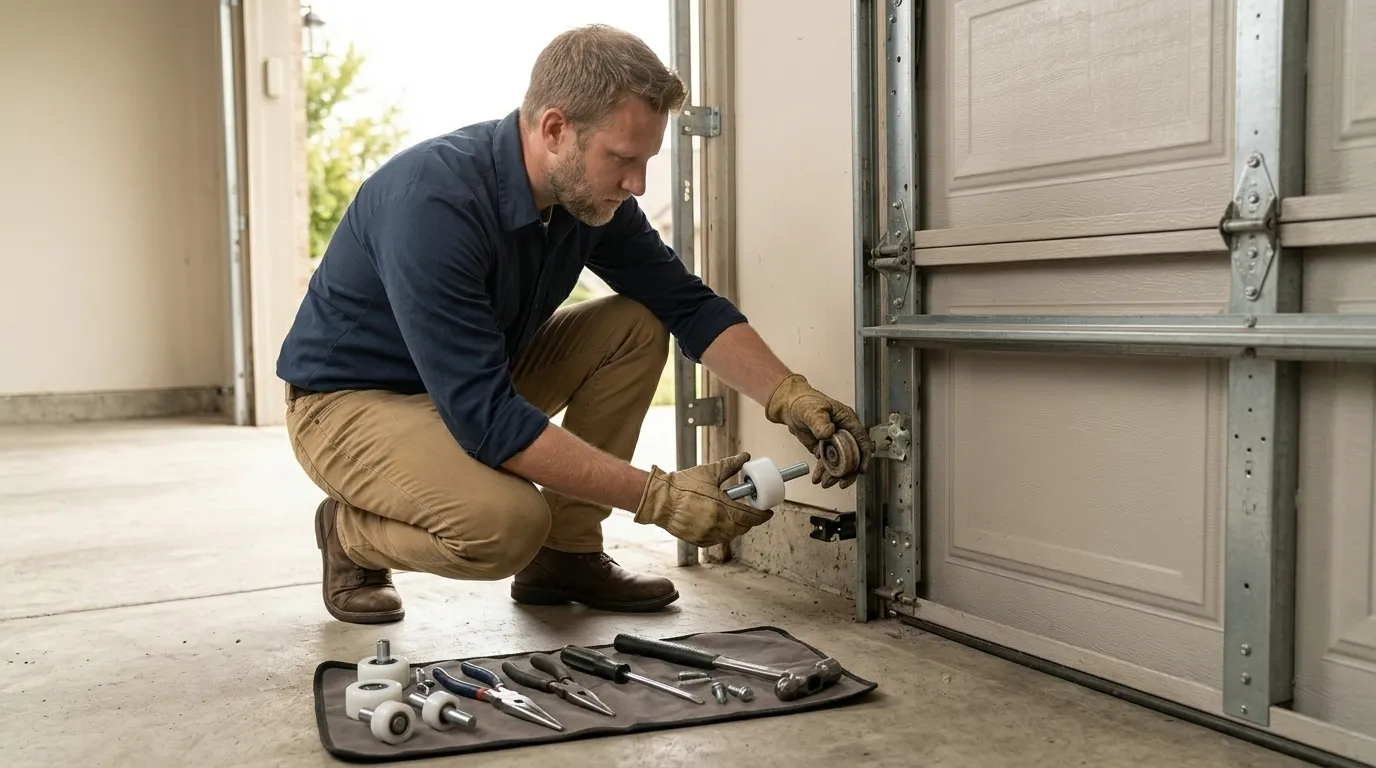
The median home here was built around 1995 - noticeably newer than the 1956-2010 spread across the wider Tracy service area, where the midpoint sits closer to 1979. That gap matters more than it sounds. A 1995-era door is almost always a factory steel sectional on galvanized torsion hardware, built after photo-eye safety sensors became standard equipment rather than an add-on. The failures we actually see out here track with that: worn nylon rollers, opener circuit boards past their service life, and misaligned or dirty photo-eyes tripping false reversals - not the frozen springs and non-insulated wood panels that show up on the older side-mount doors common in the older parts of the service area. Under HEAT-moderate summer conditions, the more common complaint on these newer doors is opener logic boards and sensor eyes acting up in the heat, rather than structural wear on the door panel itself. If your door here is original to the house, it's a mid-90s door, and the parts for it are still current - not the obsolete stuff we sometimes chase down for older stock closer to Tracy.