Why This Fails Locally
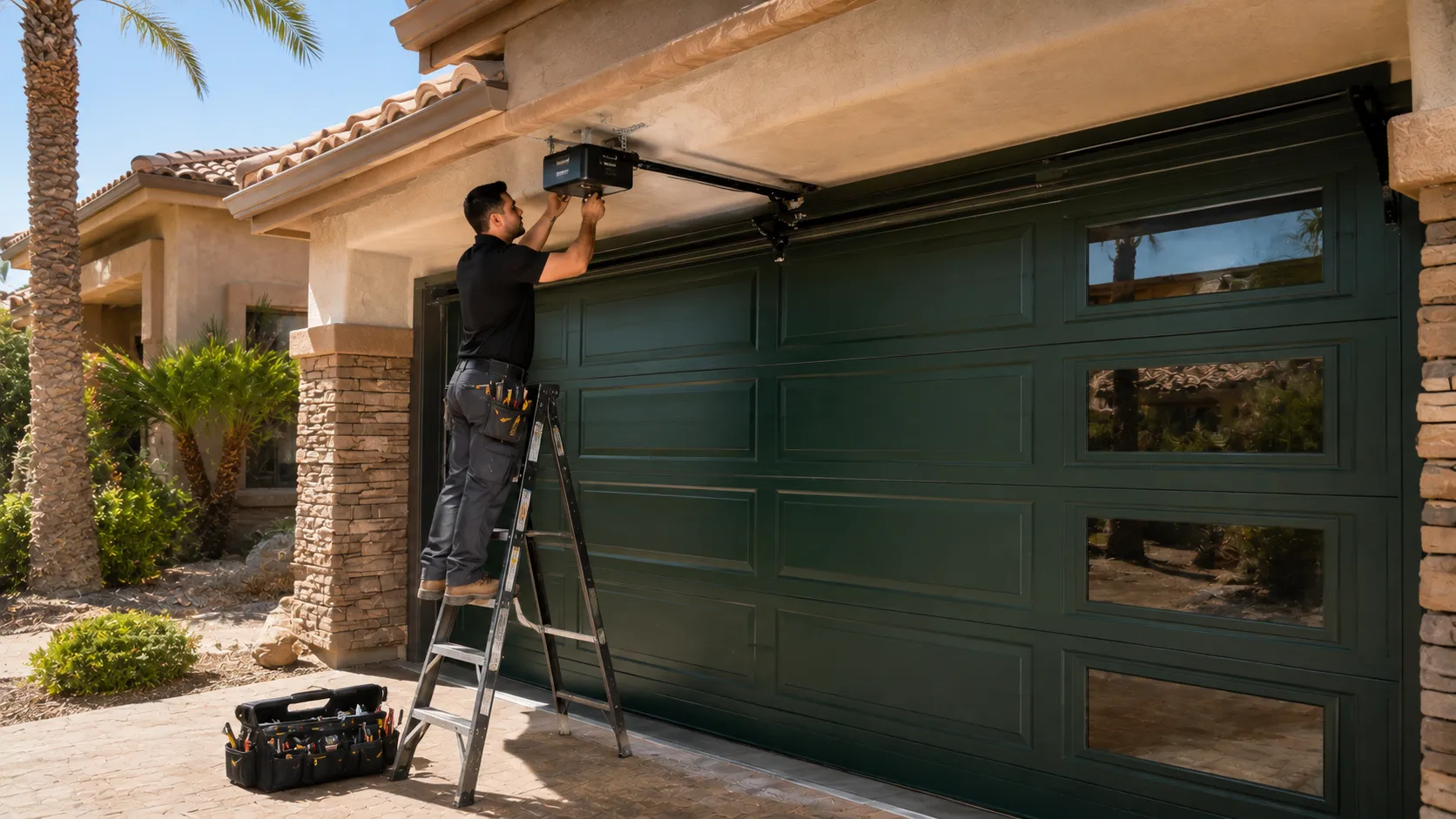
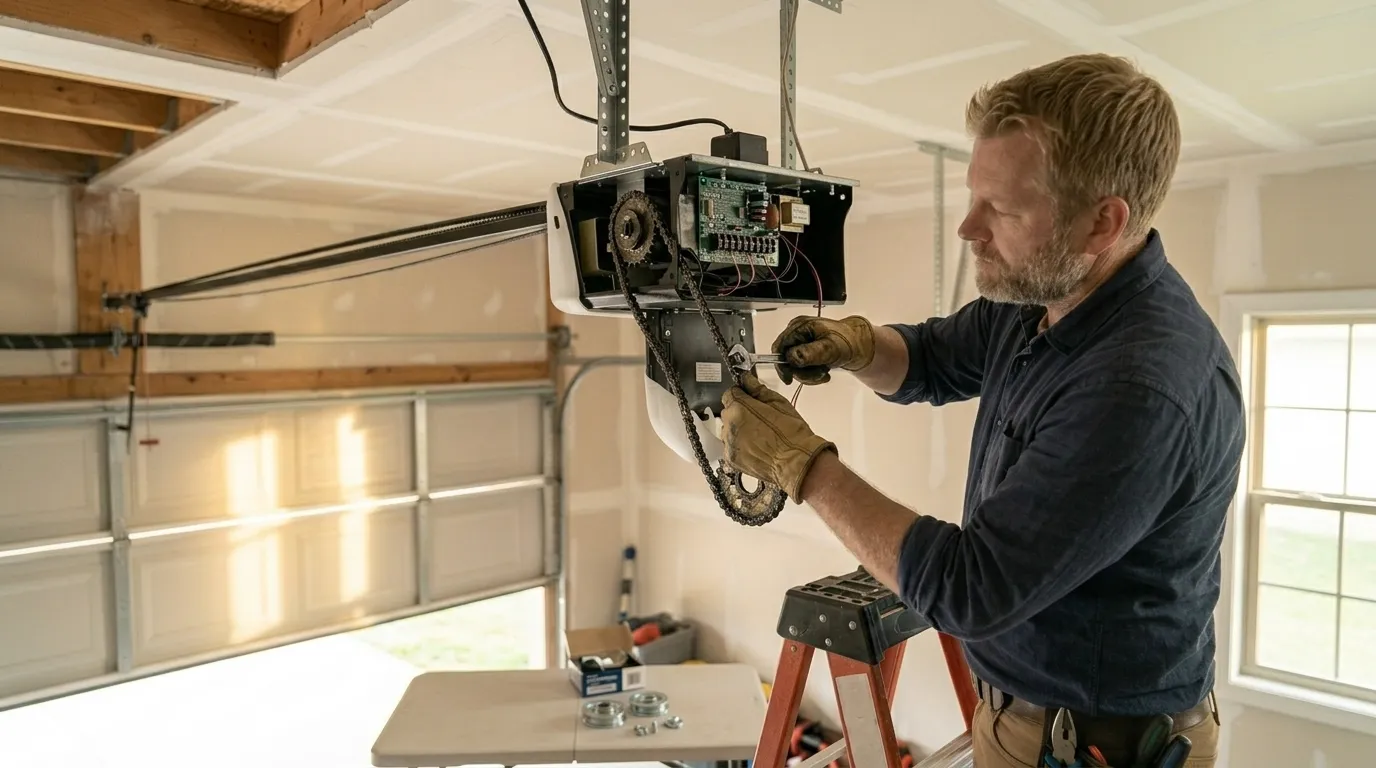
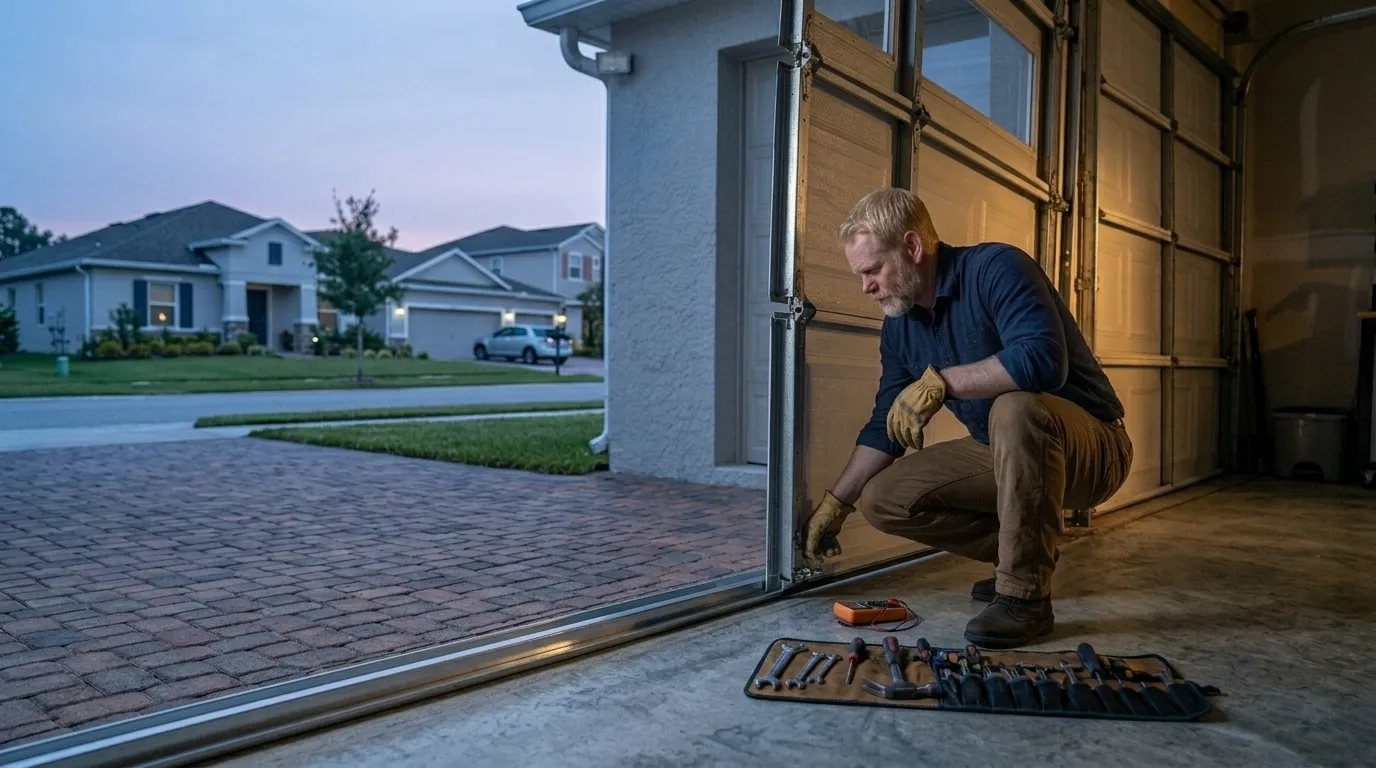
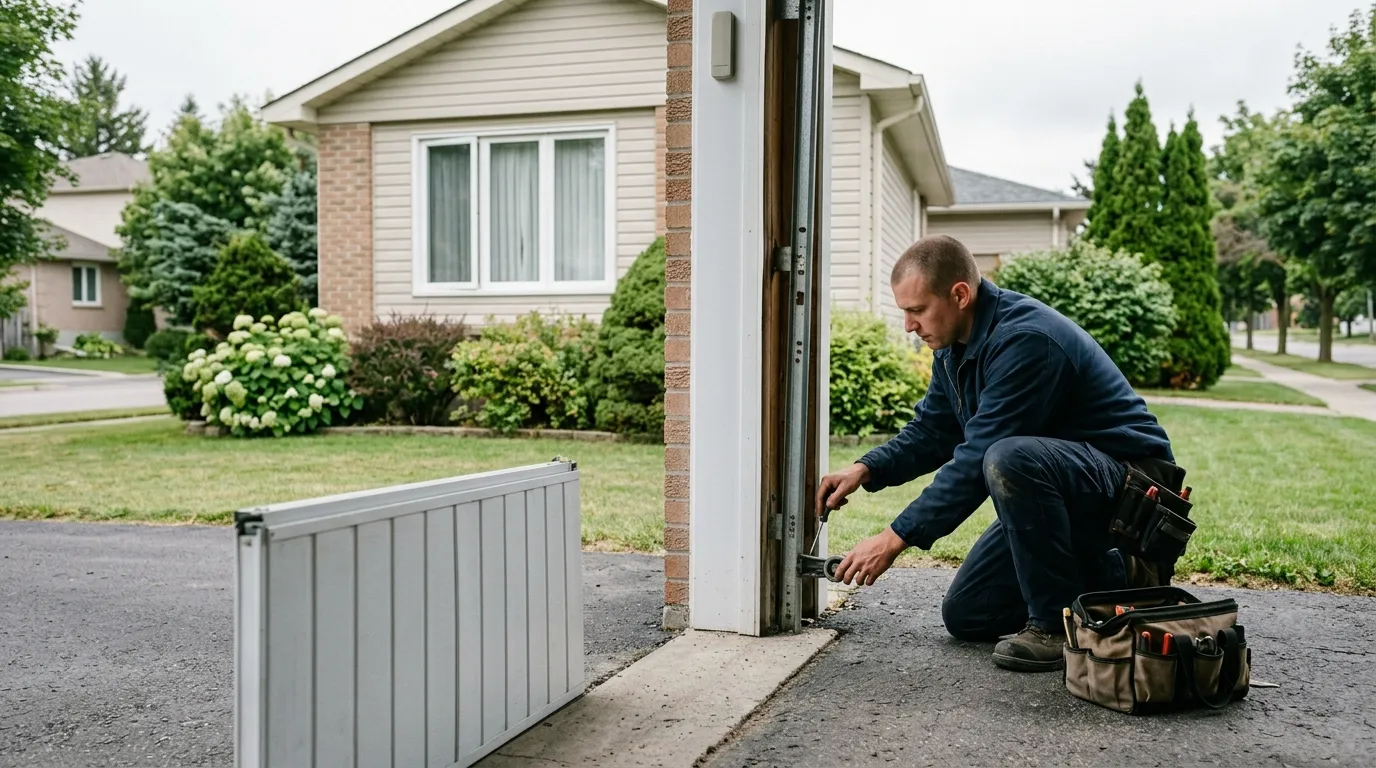
A door installed in Tracy in 1979, the median build year for the area, was almost never insulated and was almost always hung on torsion hardware sized for that lighter door. Tracy sits in a moderate-heat climate band, and decades of summer heat cycling steel panels and drying out spring lubricant does more damage here than it would somewhere cooler. The spring that held up fine for twenty years starts losing tension faster once the panel it's lifting has warped slightly from heat, and a lot of owners don't realize the spring and the door are now mismatched until the opener starts straining. Across the service area, 23,168 of the 31,889 households own their house rather than rent, which means a lot of these original doors and openers never got swapped out by a landlord between tenants - they've just been running since the house was built. That's not a defect in the door. It's a door doing exactly what a 1970s single-layer steel section does after forty-plus years of Central Valley summers: warping slightly, losing balance, and putting more load on an opener that was never sized for the extra drag.
Doing It Yourself
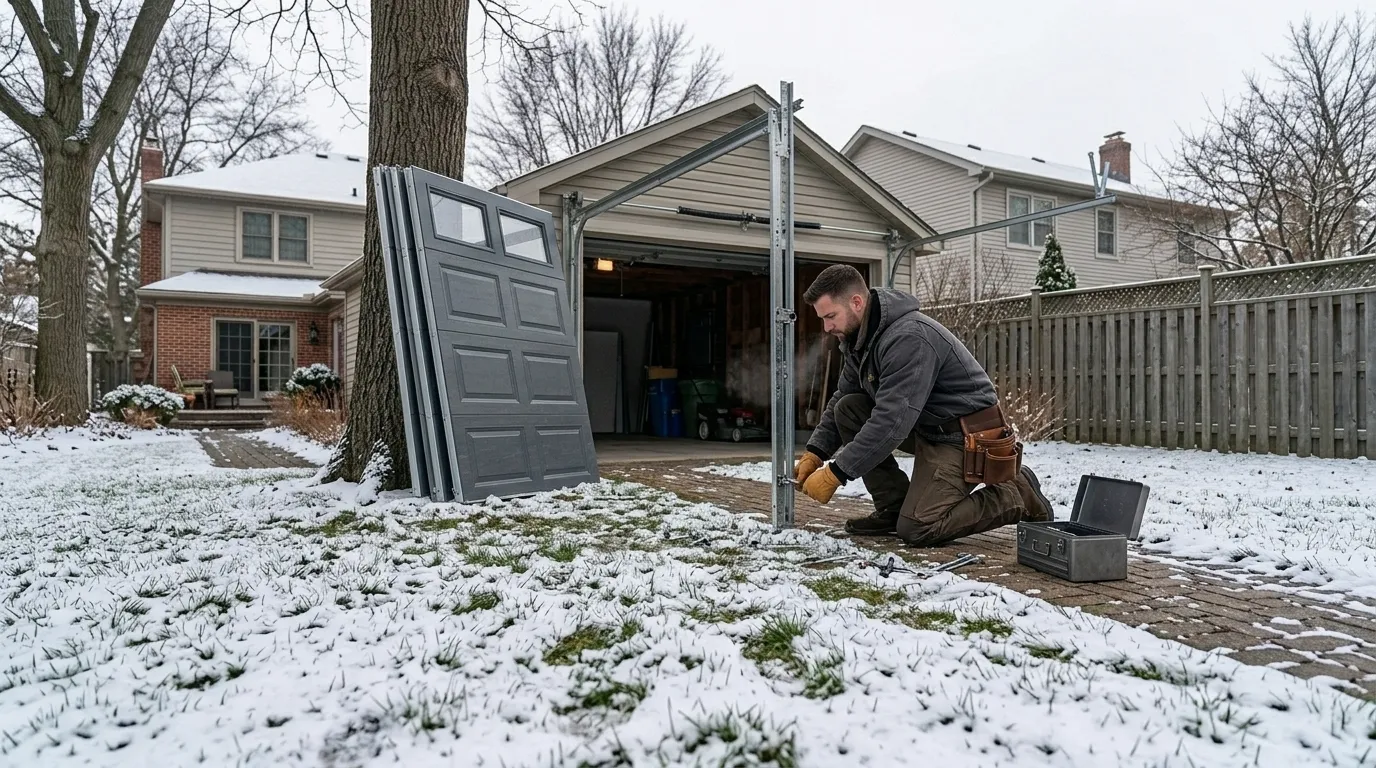
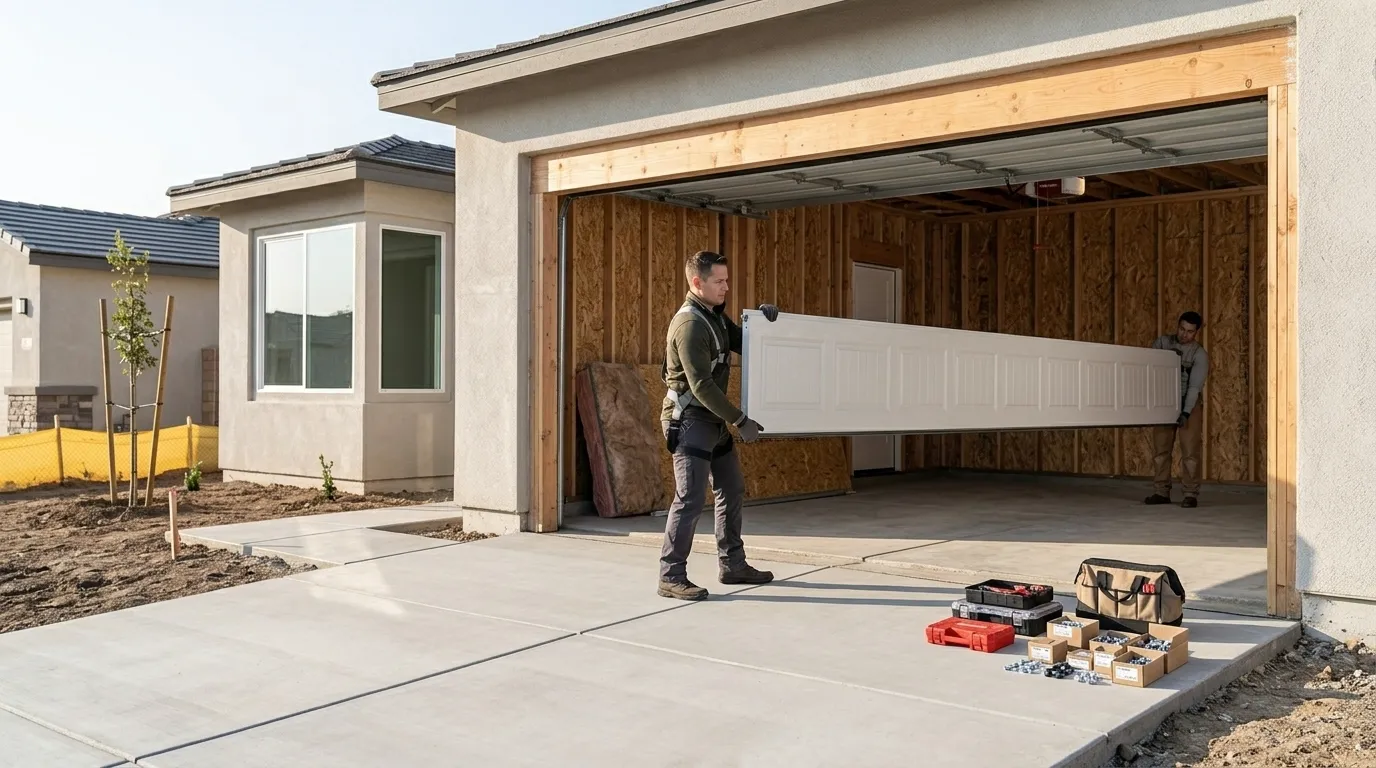
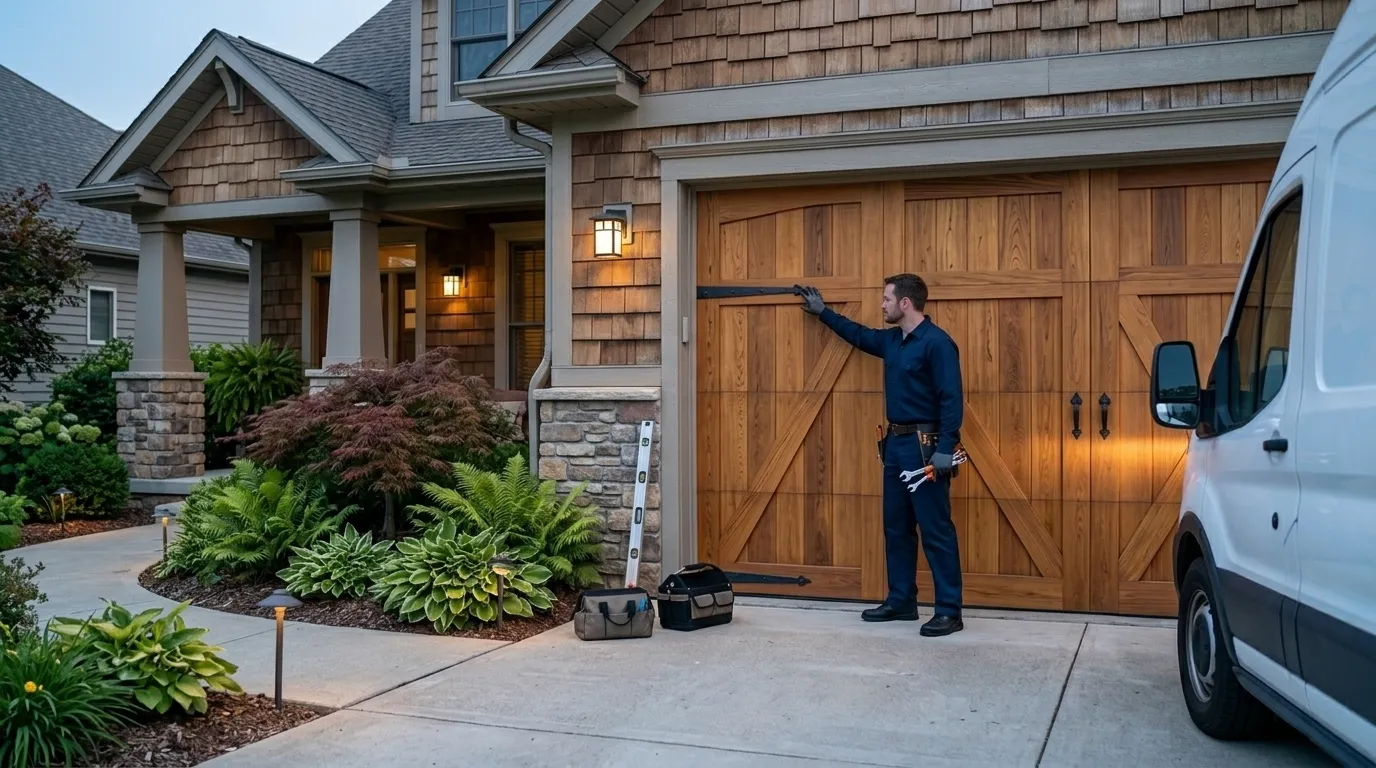
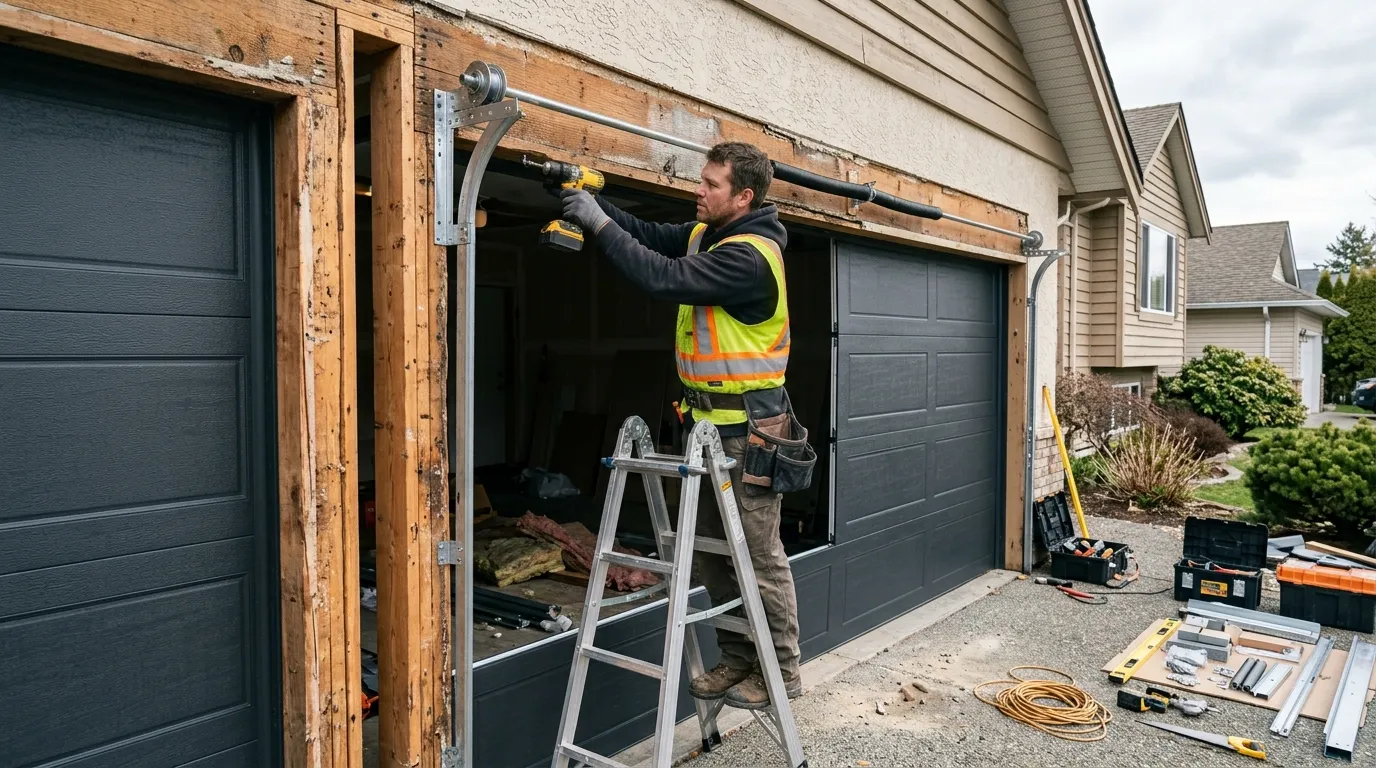
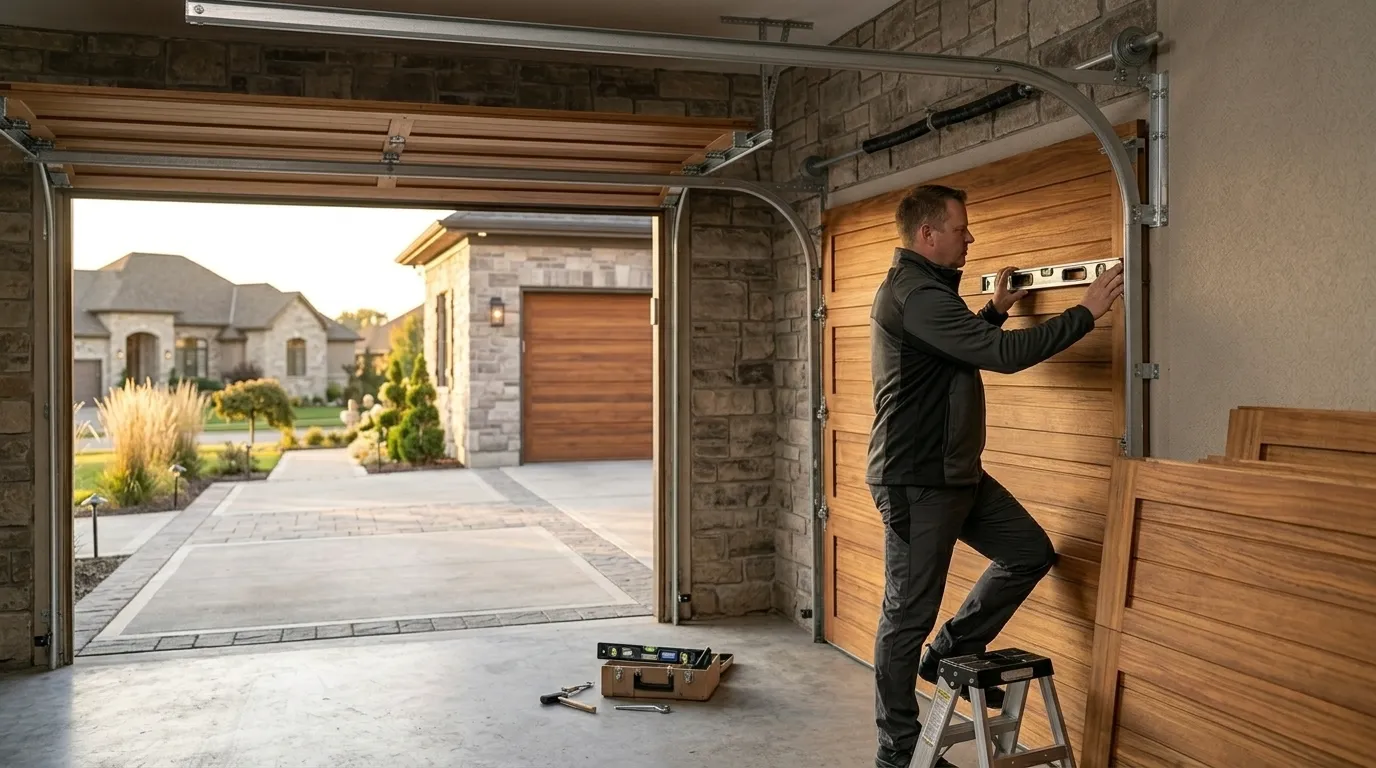
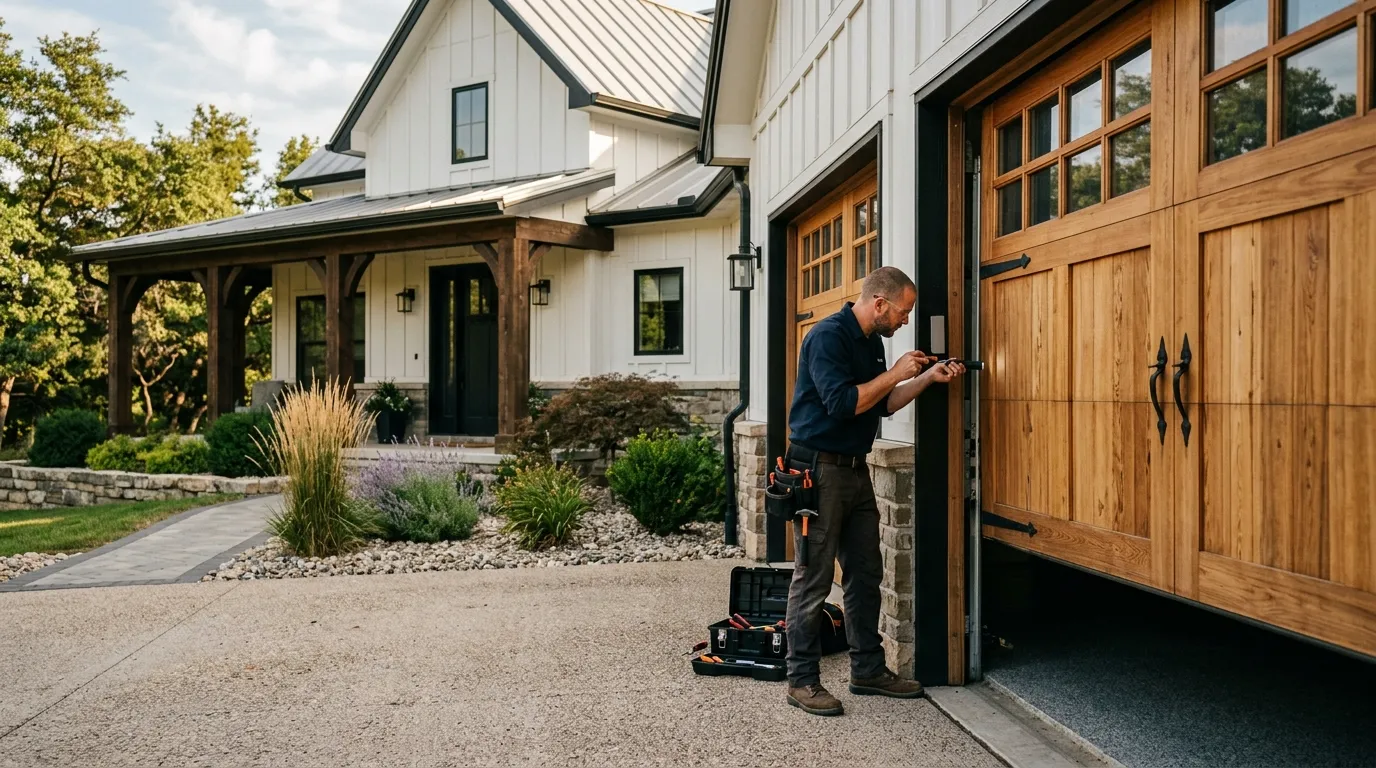
Swapping weatherstripping, tightening loose hinges, or lubricating rollers on an existing door - most owners can handle that on a Saturday, and we'd rather you save the call for something that actually needs a truck. A full door installation is a different job. Torsion springs are under enough stored tension to break a wrist or worse if you don't know how to wind them, and mismatching a new insulated door to old spring hardware is the single most common DIY mistake we see get called in as a