Why This Fails Locally
Tracy's housing runs from 1956 up through 2010, with the bulk of it - across ten named areas of town - going up in the 1960s and 70s, median build year sitting around 1979. That matters for one reason: torsion spring wind cycles are rated for a fixed number of open-close cycles, and hardware installed forty-plus years ago is well past that count even on doors that have never failed outright. A spring that's been coiled since the Ford administration doesn't give warning before it lets go.
The climate here doesn't help. Tracy sits in a moderate-heat band, and repeated summer heat cycles dry out spring lubricant and swell wood-panel doors just enough to throw off alignment on tracks that were never adjusted for it.
Across the service area, 23,168 of the 31,889 households own their homes rather than rent, which is why a spring failure shows up as a homeowner's decision to make, not a landlord's problem to defer. On a house built in that 60s/70s wave, you're looking at original rollers on steel tracks that have taken forty summers of expansion and contraction. None of that is a manufacturing defect. It's what happens to hardware that outlives its rated life in a climate that stresses it twice a year instead of once.
Doing It Yourself
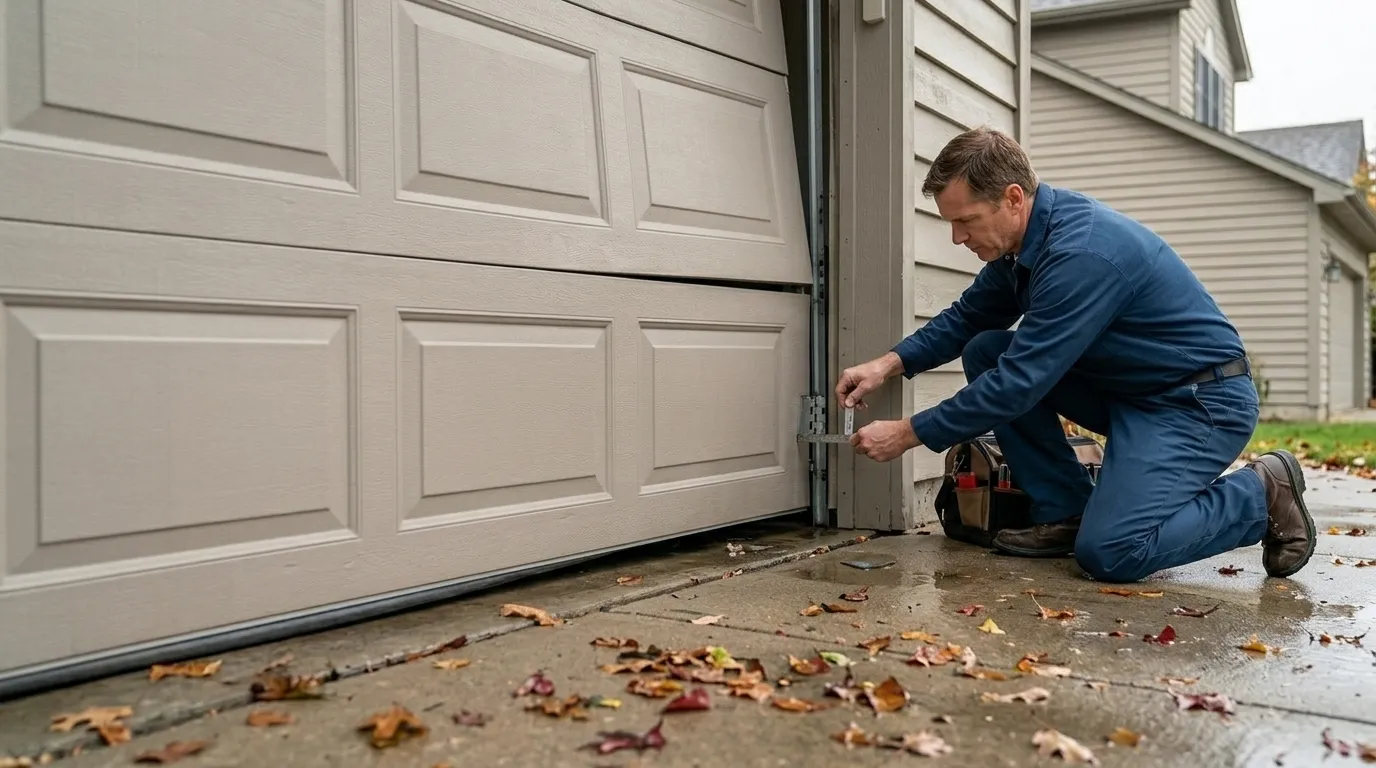
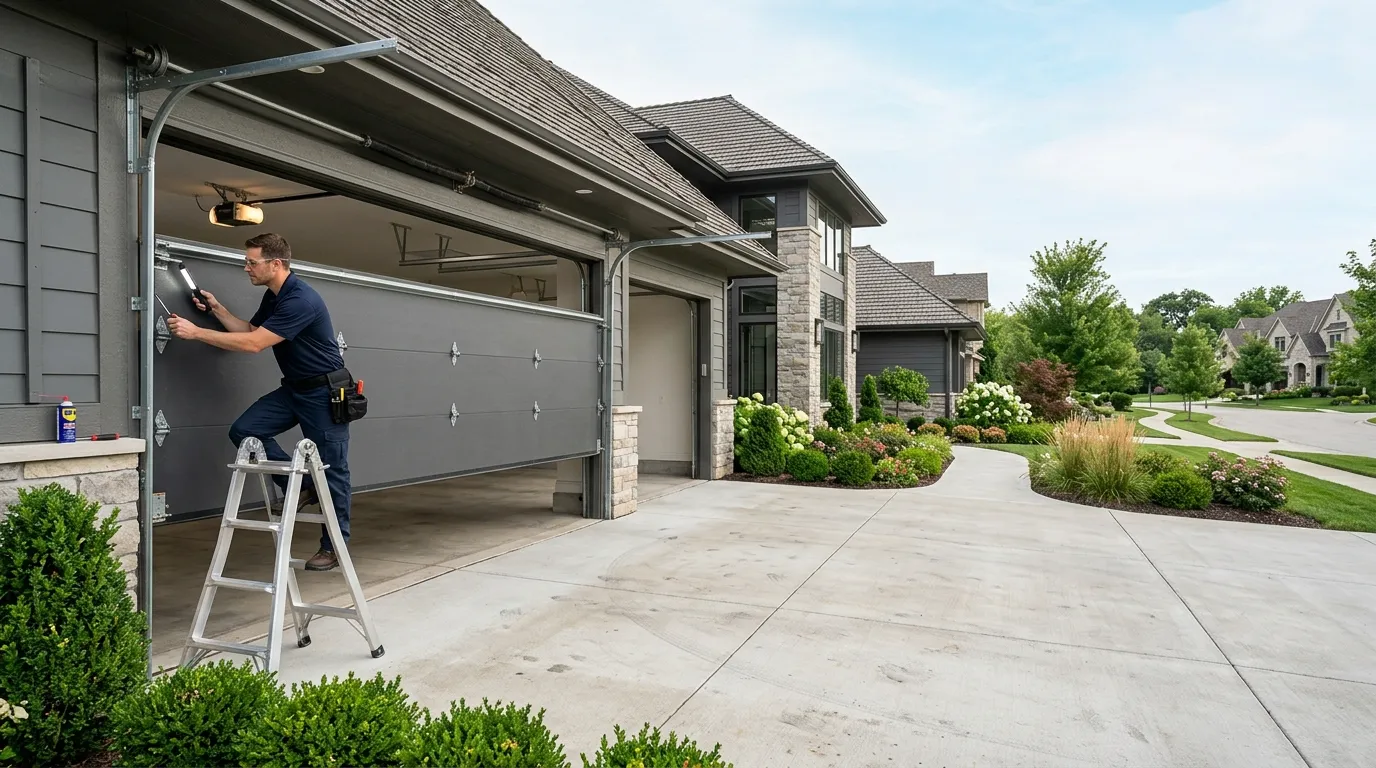
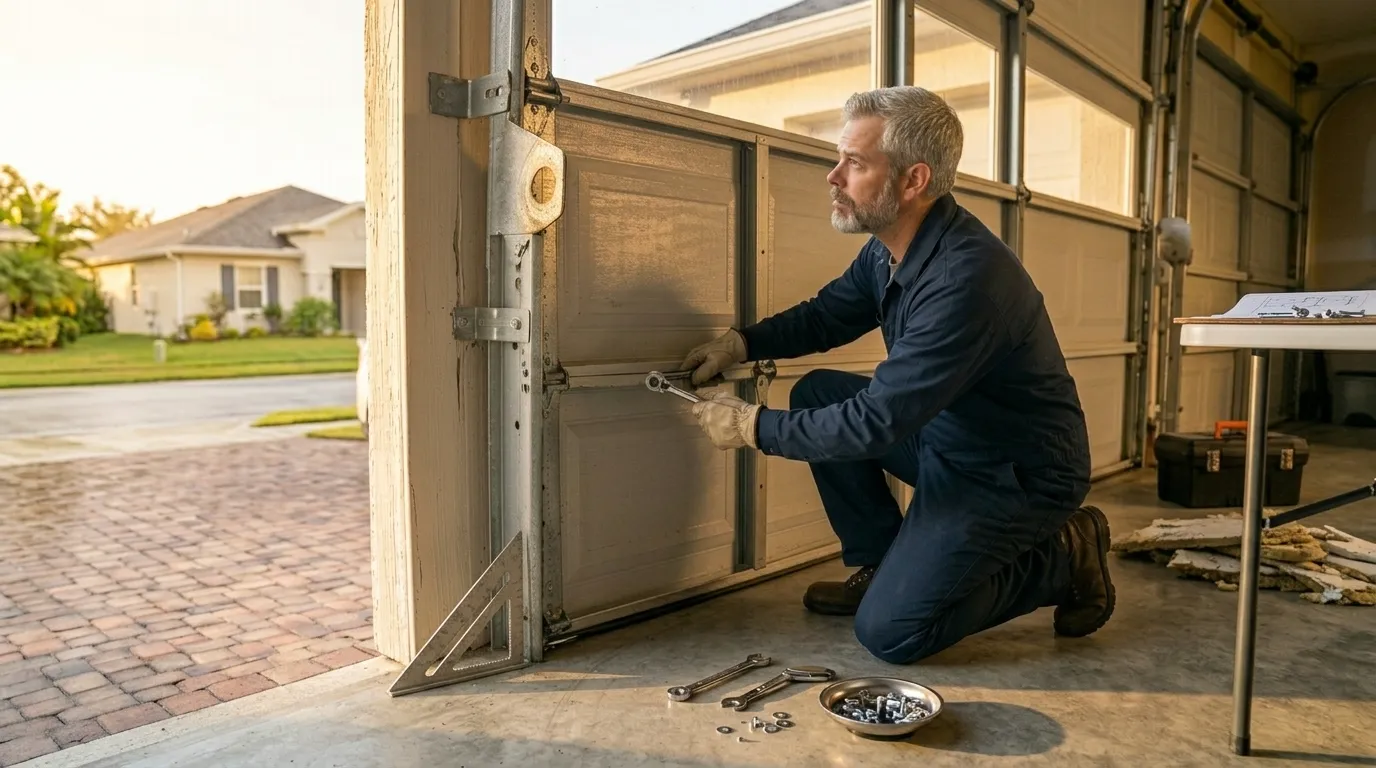
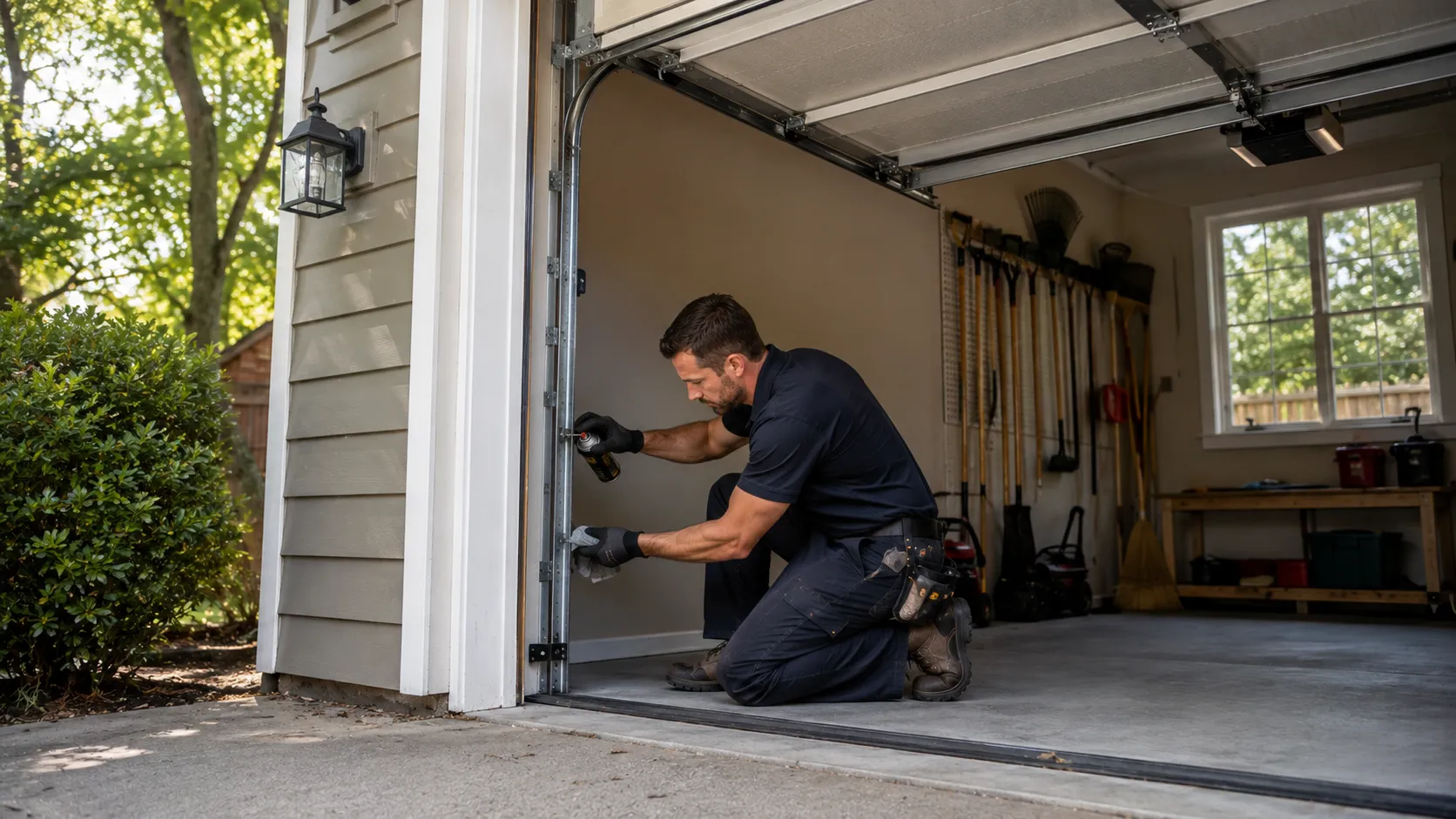
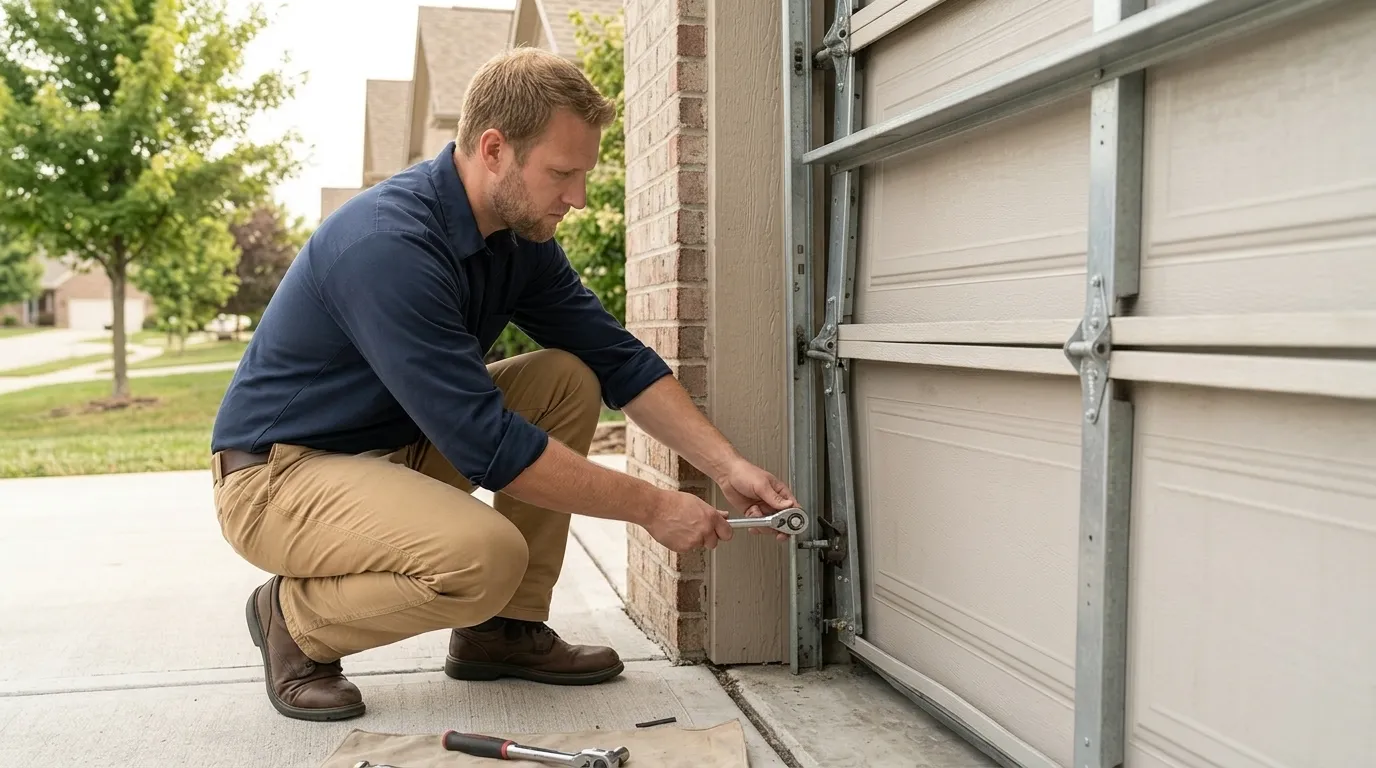
There's a real limit to what you should tighten yourself. Lubricating hinges and rollers, tightening loose bolts on the track brackets, checking the photo-eye sensors - all of that is safe and worth doing twice a year, especially given how many doors in this town are still running on original 1960s and 70s hardware.
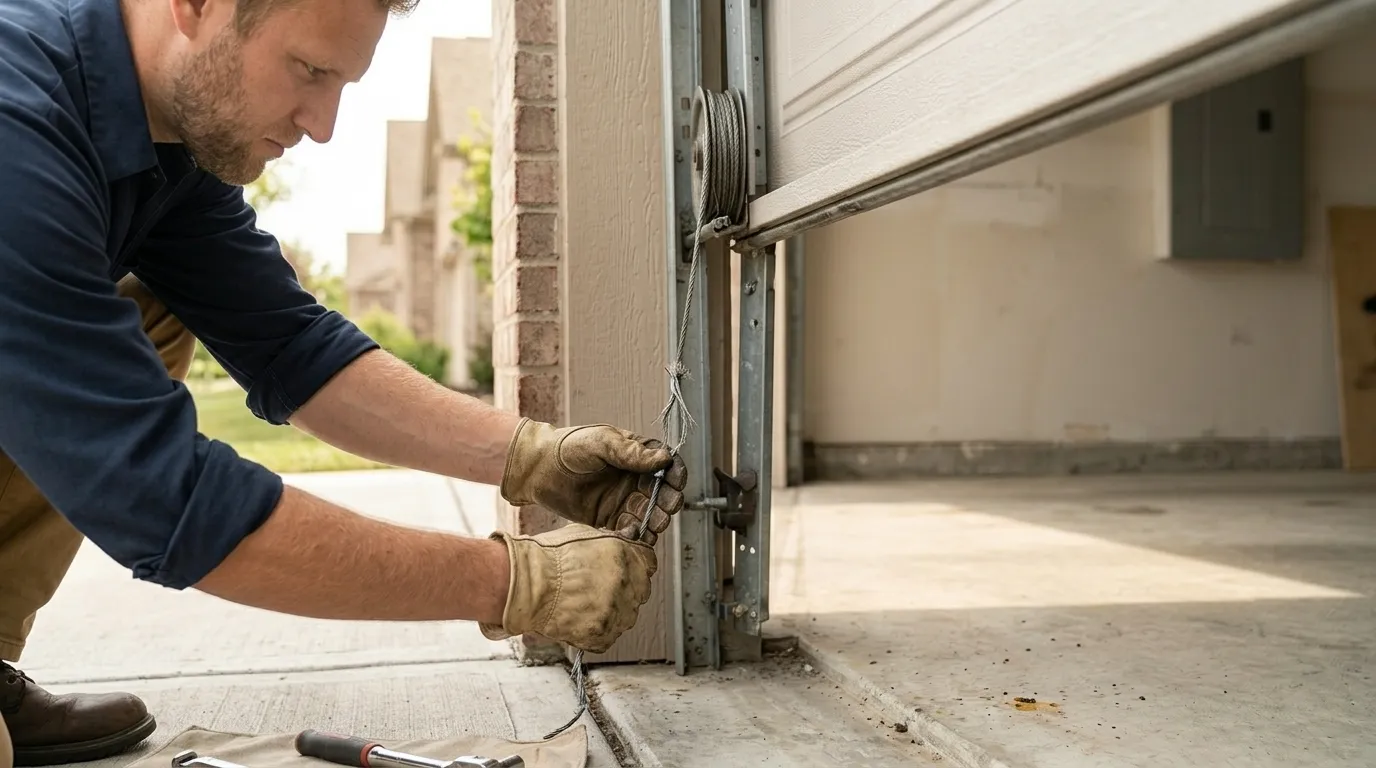
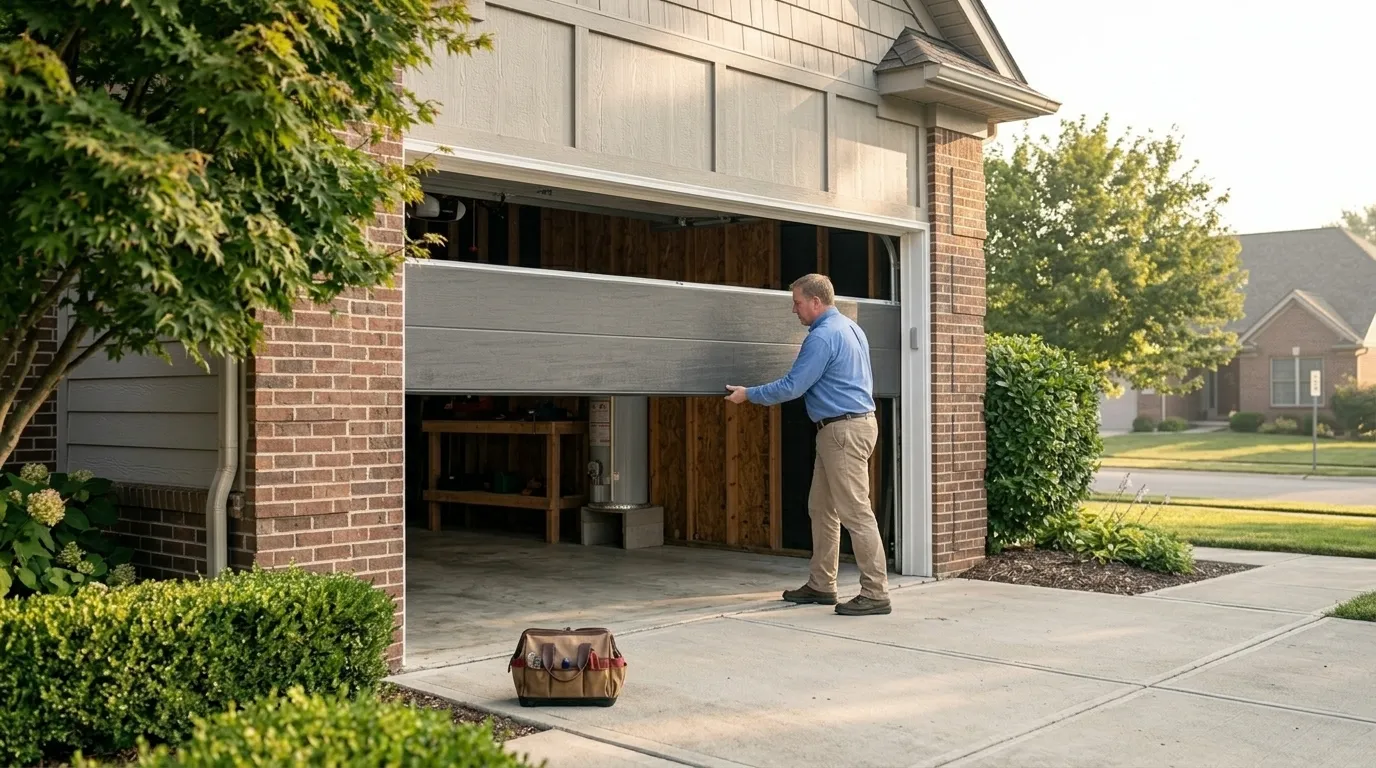
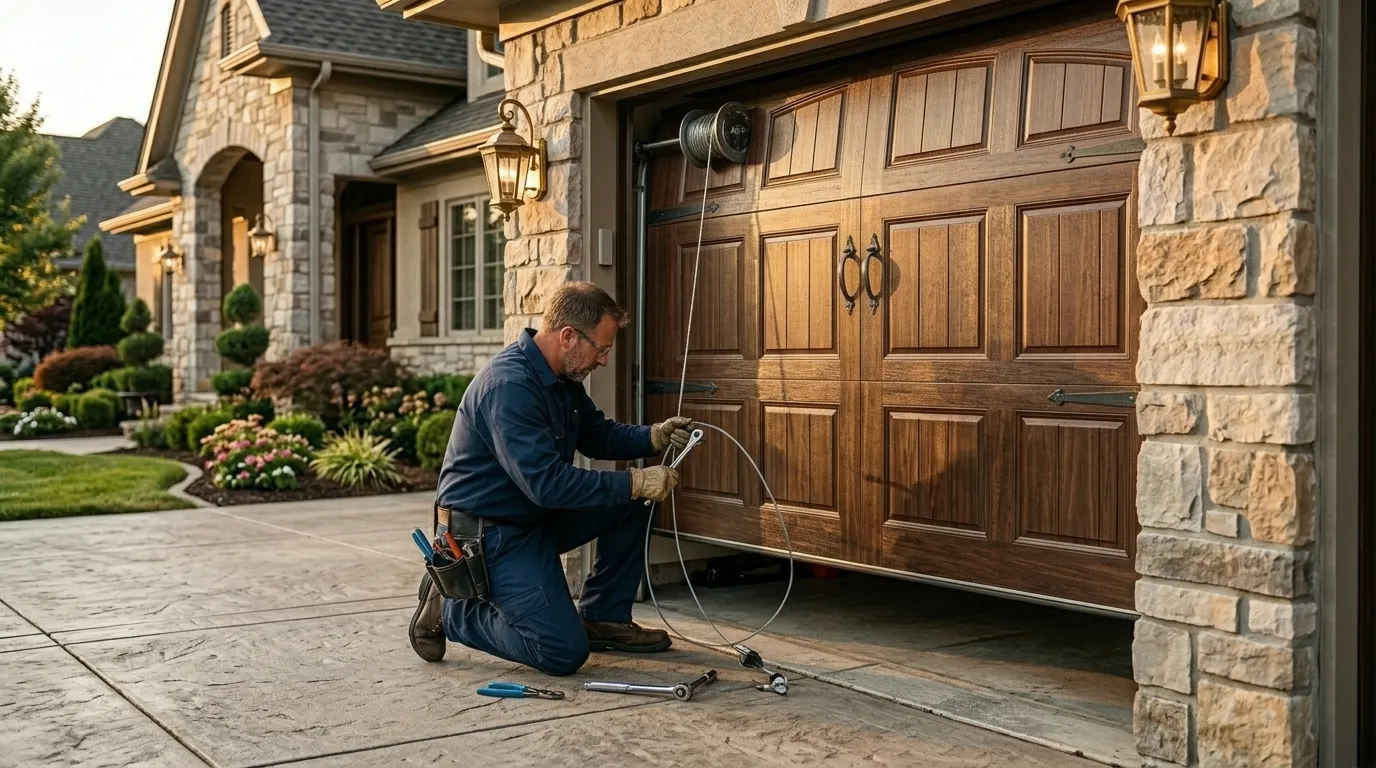
A torsion spring is not on that list. It's wound under enough tension to break a wrist or worse, and there's no safe way to release it without the right bars and a clear idea of what you're doing. If the spring's already broken, the door is dead weight - don't try to lift it manually to get it moving, and don't let the opener try either, since that's how you burn out a motor that was otherwise fine.
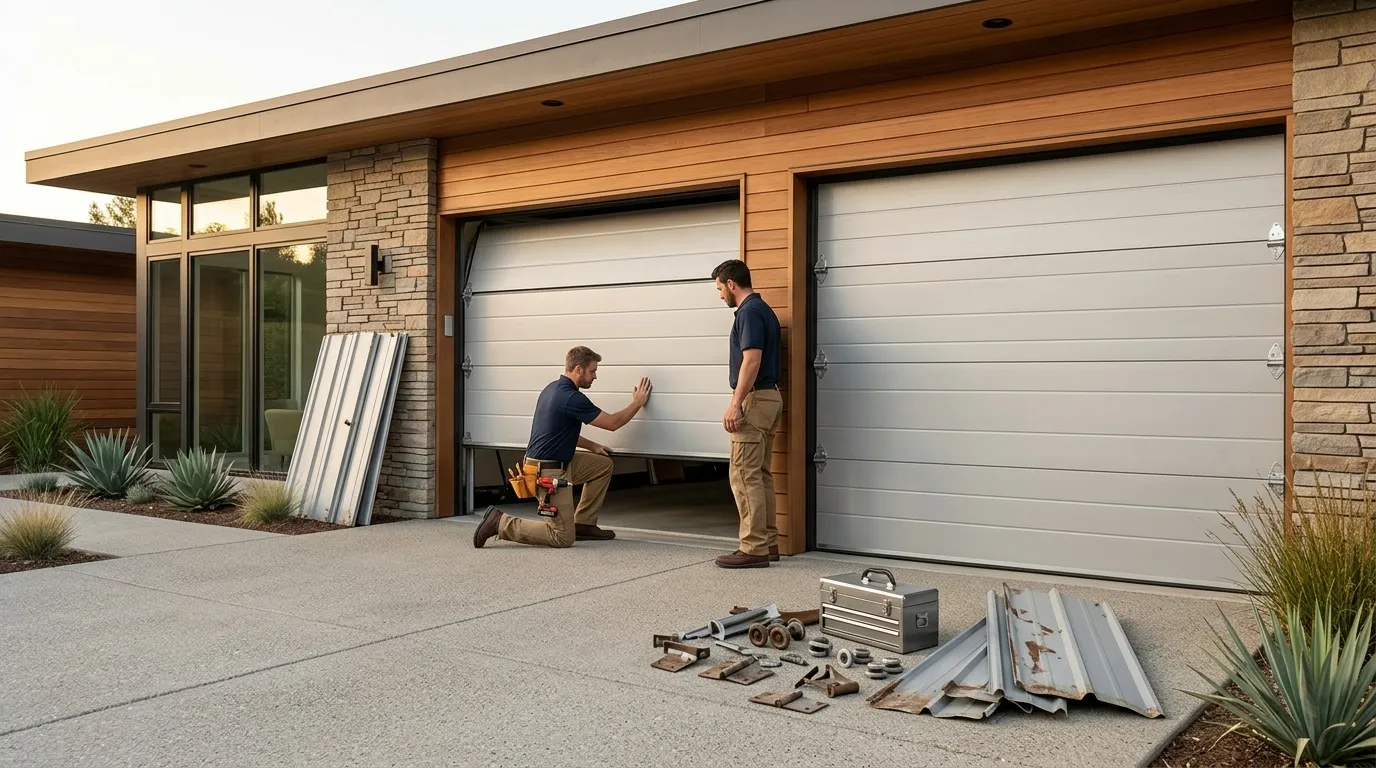
Given a median household income here above six figures, most owners we talk to would rather pay once for a spring rated for the door's actual weight than save thirty dollars on a generic coil that fails again in a year. That's a fair call. Where we draw the line: if the door itself is original steel from the 60s and the track is rusted through, sinking money into a spring on a door that's failing structurally isn't worth it. Replacement beats repair at that point, and we'll say so plainly instead of selling a patch job.