What We Do Not Do
We don't stock every opener board or every panel style on the truck, and if your door needs a part that's specific to a builder-grade system from a production run we haven't seen before, that can mean a second trip once we order it in. We also don't do full structural framing repair - if the header or jamb around the door is compromised, that's a carpentry job first, and we'll tell you to get that squared away before we touch the door itself.
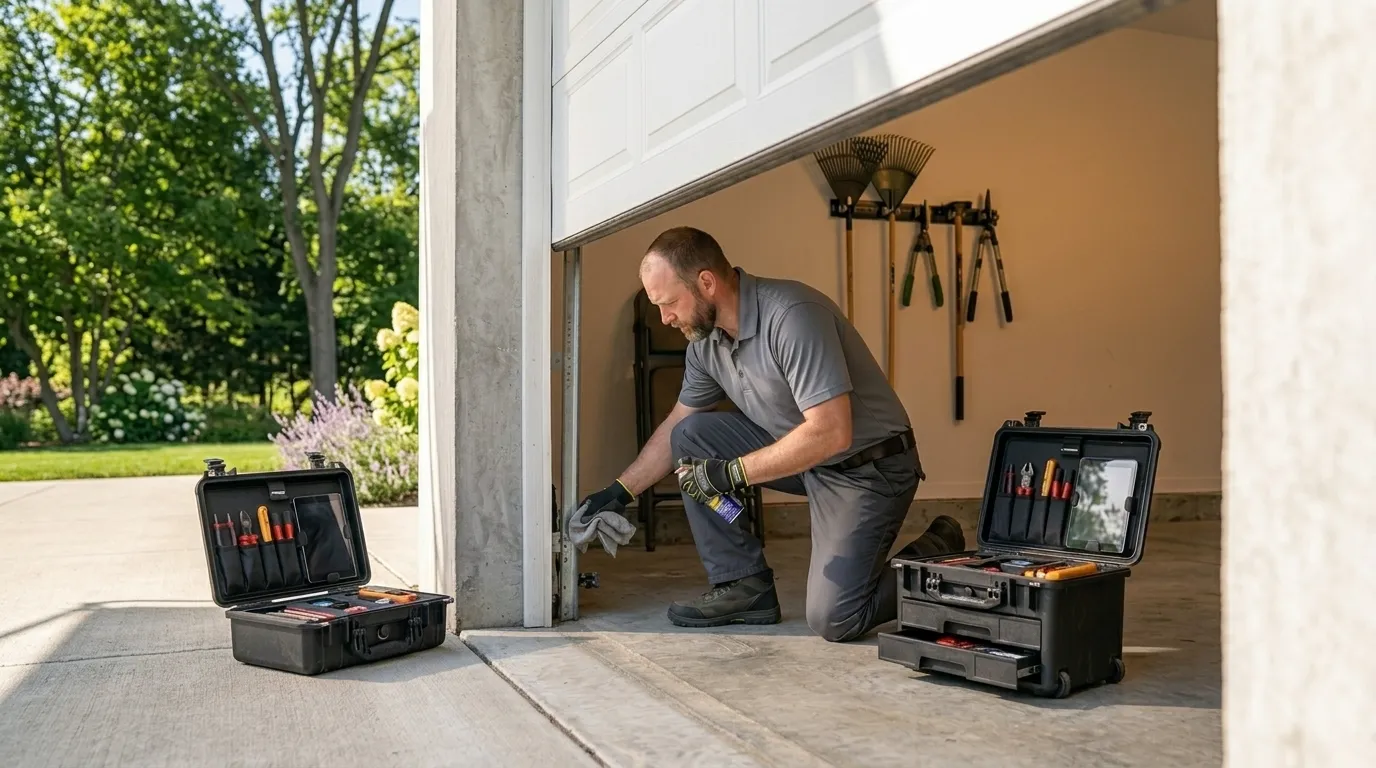
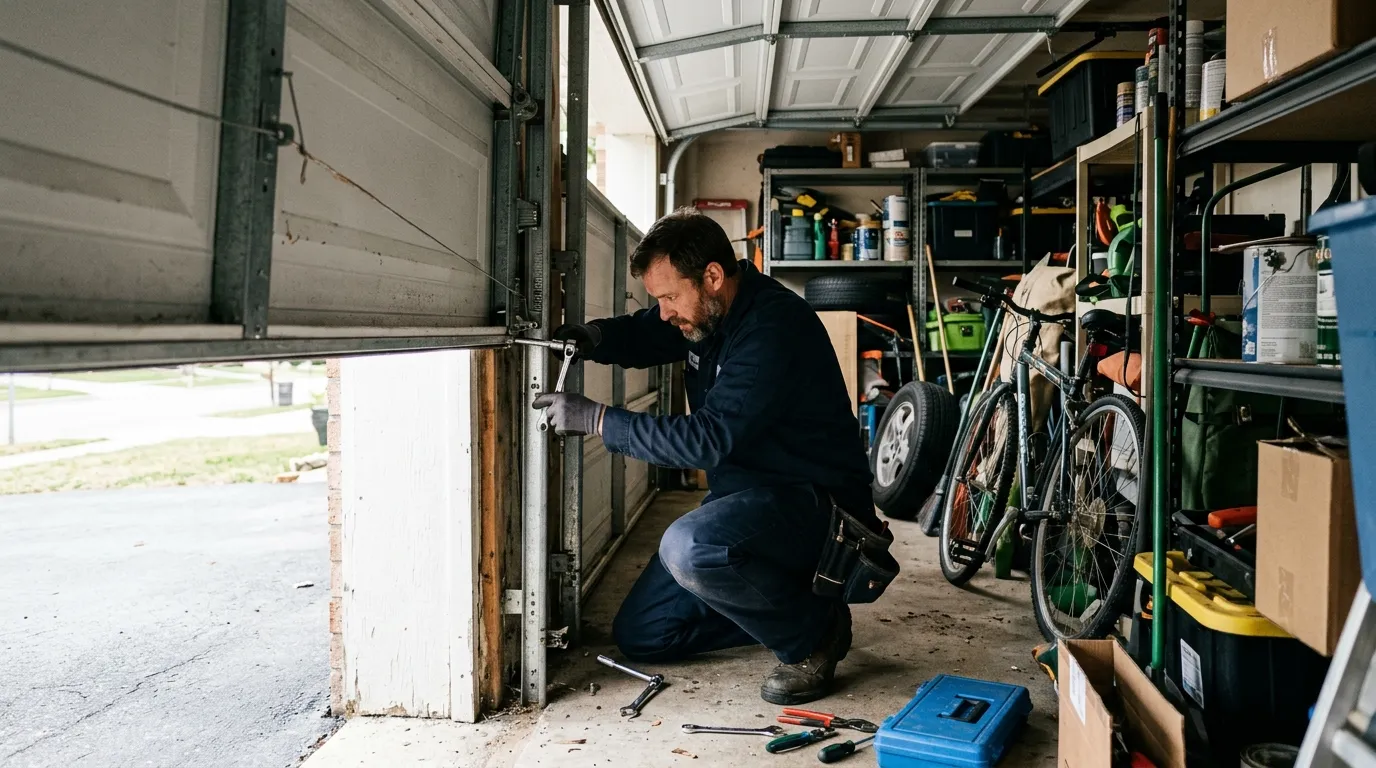
We don't guess on a quote over the phone for anything beyond a basic spring or opener swap. Torsion spring sizing, panel matching, and track alignment all depend on what's actually on the wall, so we look at it in person before we commit to a number. That's slower than a phone quote, but it's the honest way to do it.
What That Means for Doors
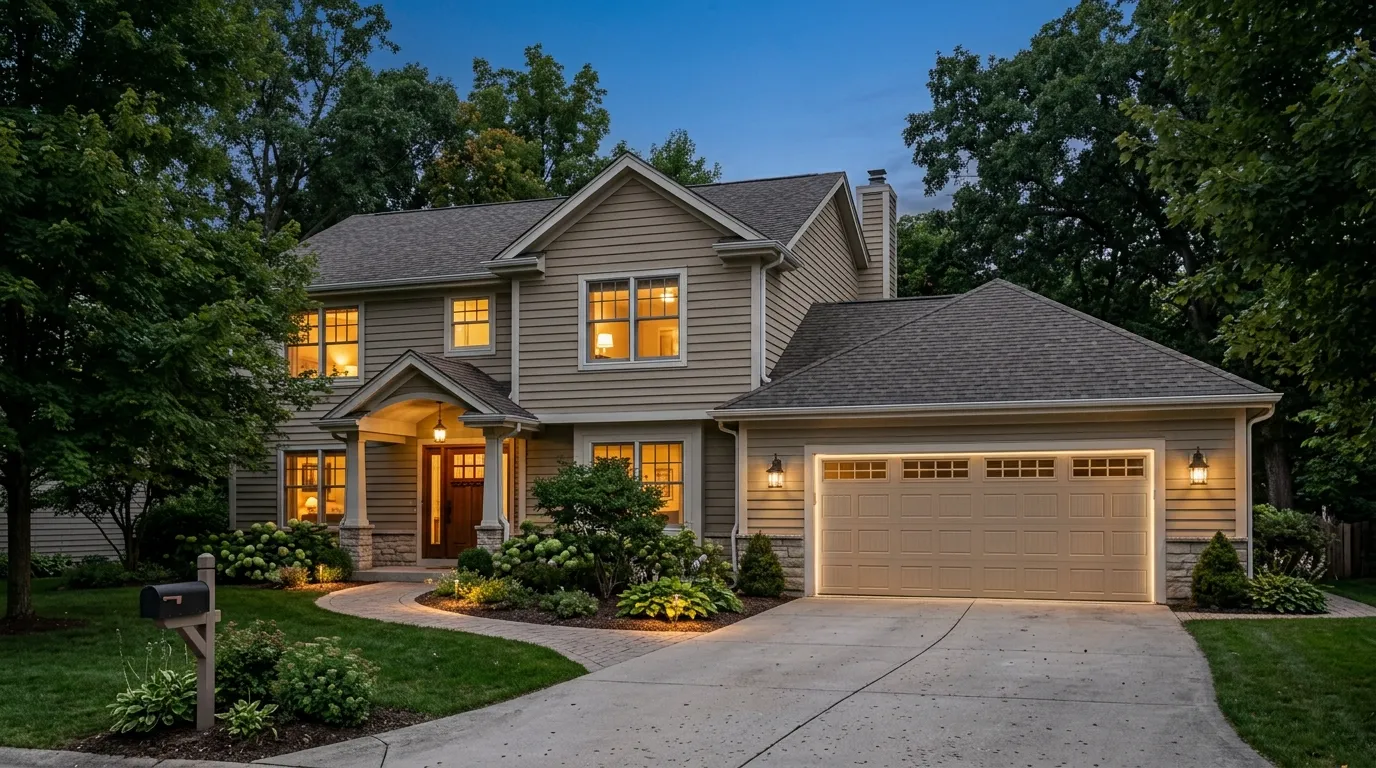
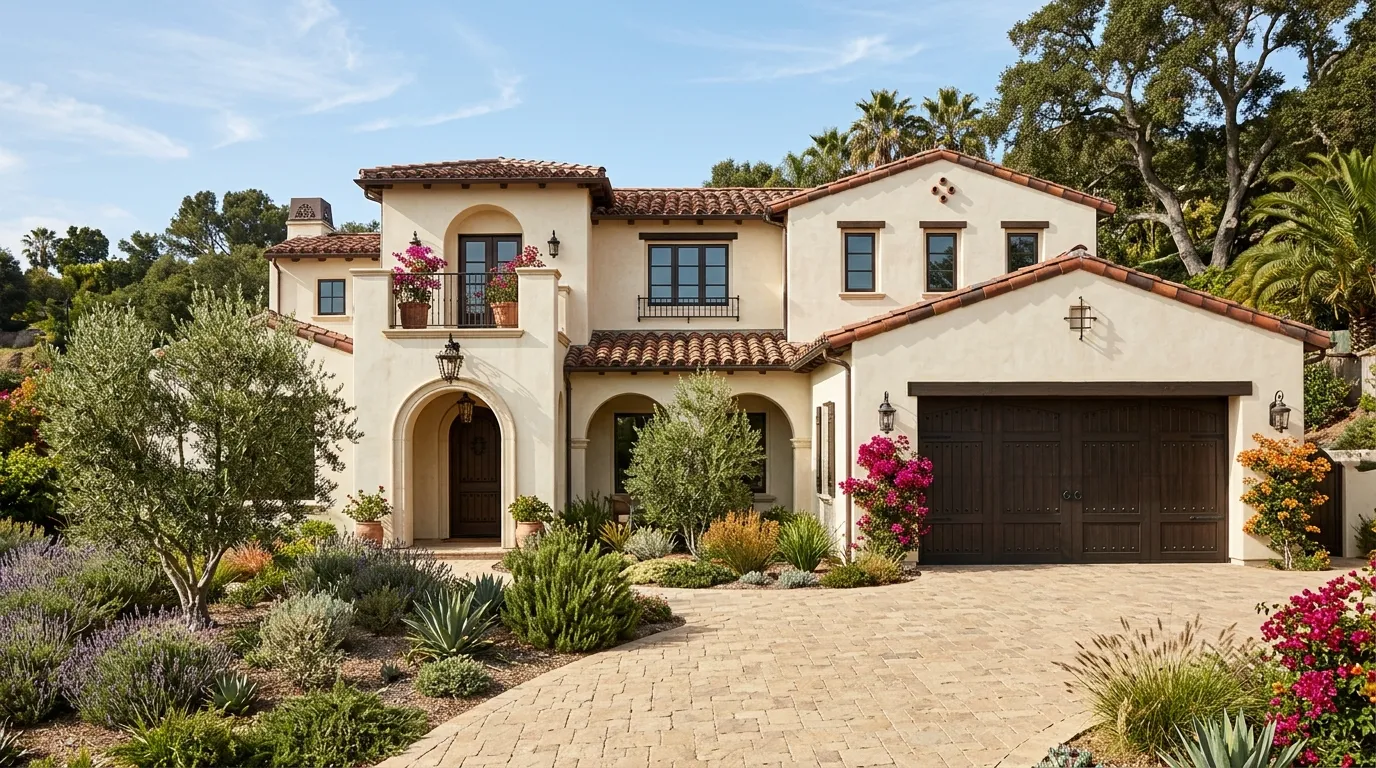
Mountain House is a young community as these things go - most of the housing here dates to around 2010, which puts it at the newer end of the build range across the wider service area, where stock more typically runs 1960s-70s with construction spanning 1956 through 2010. That gap matters. Homes built in this era mostly came with steel sectional doors on standard torsion springs and factory-installed chain or belt-drive openers, not the older extension-spring, one-piece doors that show up on the pre-1970s side of the service area.
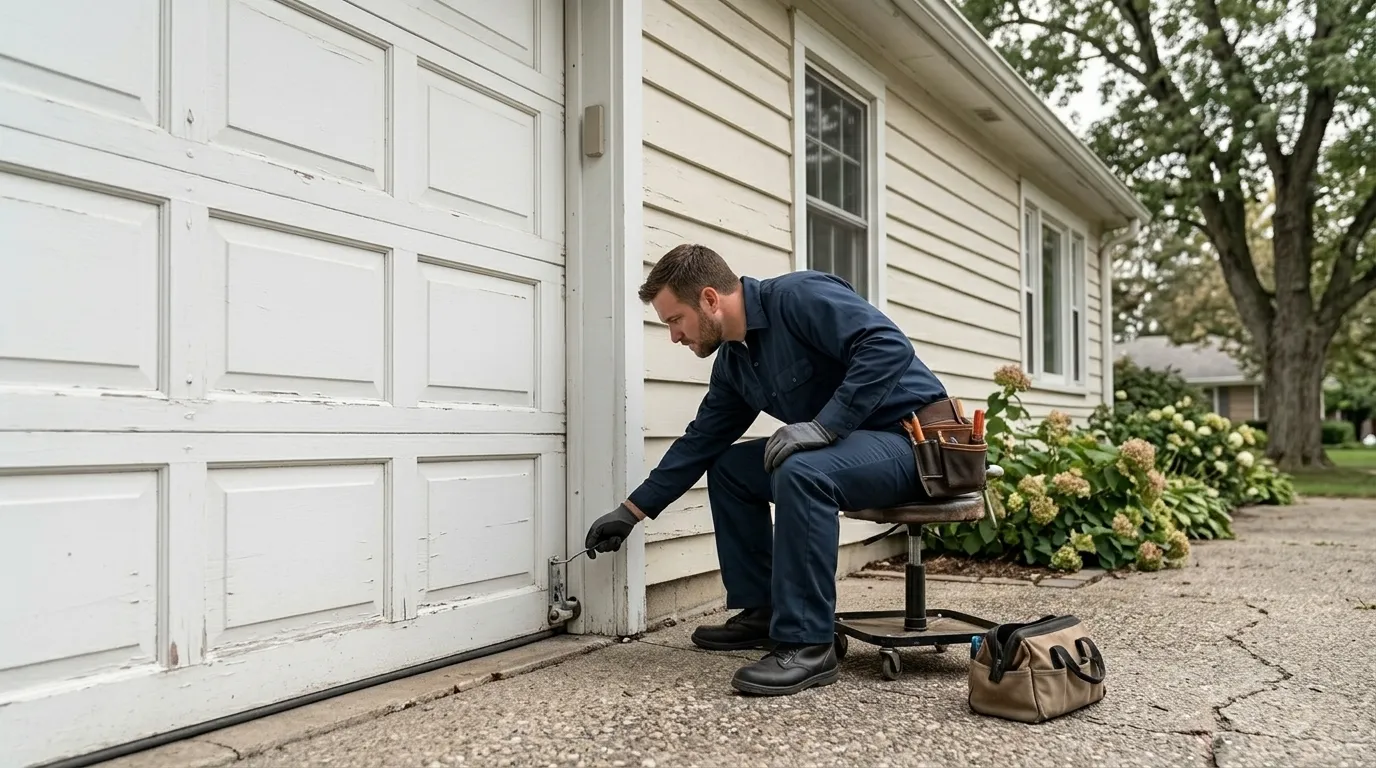
The common calls we get from newer construction like this are different from what we see on older stock: opener circuit boards and sensor wiring going bad before the door itself wears out, nylon rollers cracking on tracks that are otherwise still true, and springs rated for the original builder-grade door struggling once an owner adds insulation or a heavier panel. It's less about hardware that's obsolete and more about factory parts hitting the end of their duty cycle around the same time across a lot of houses built in the same short window.