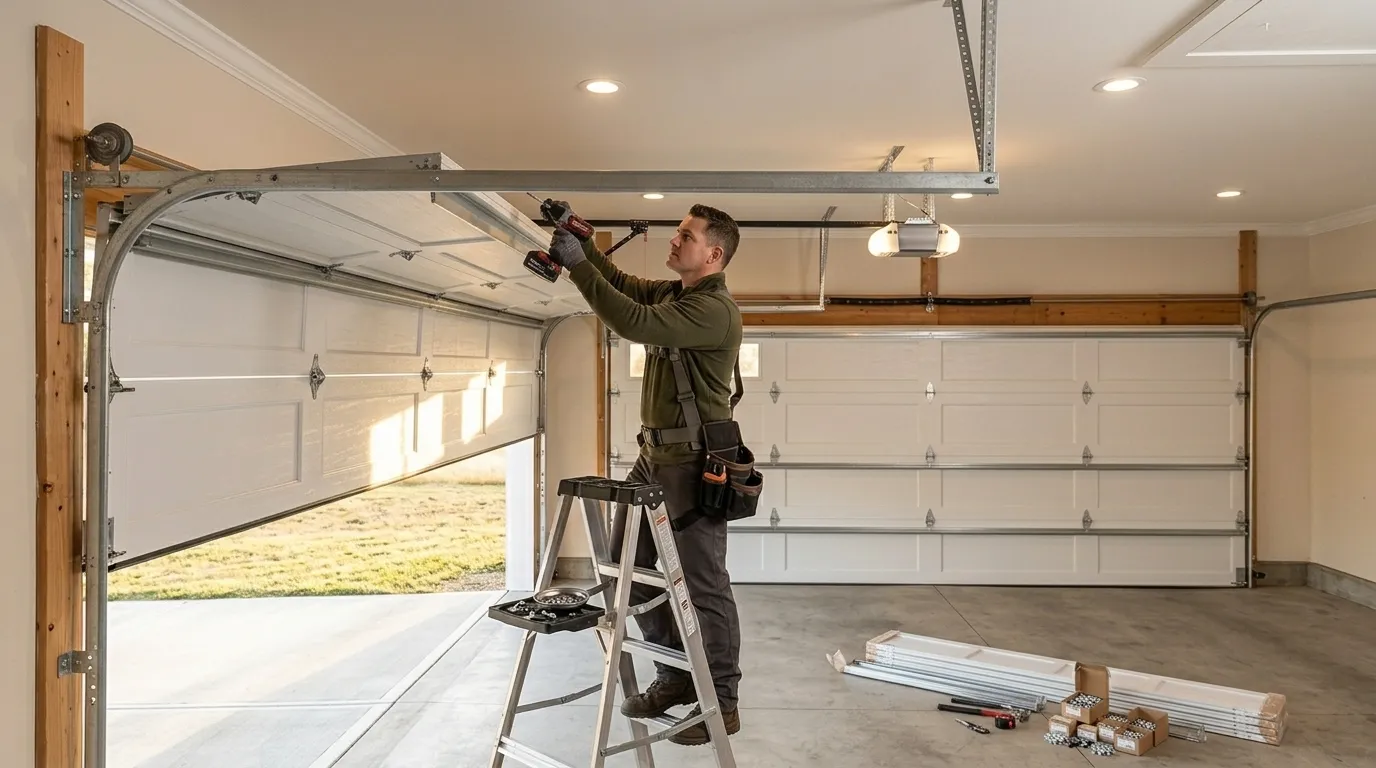
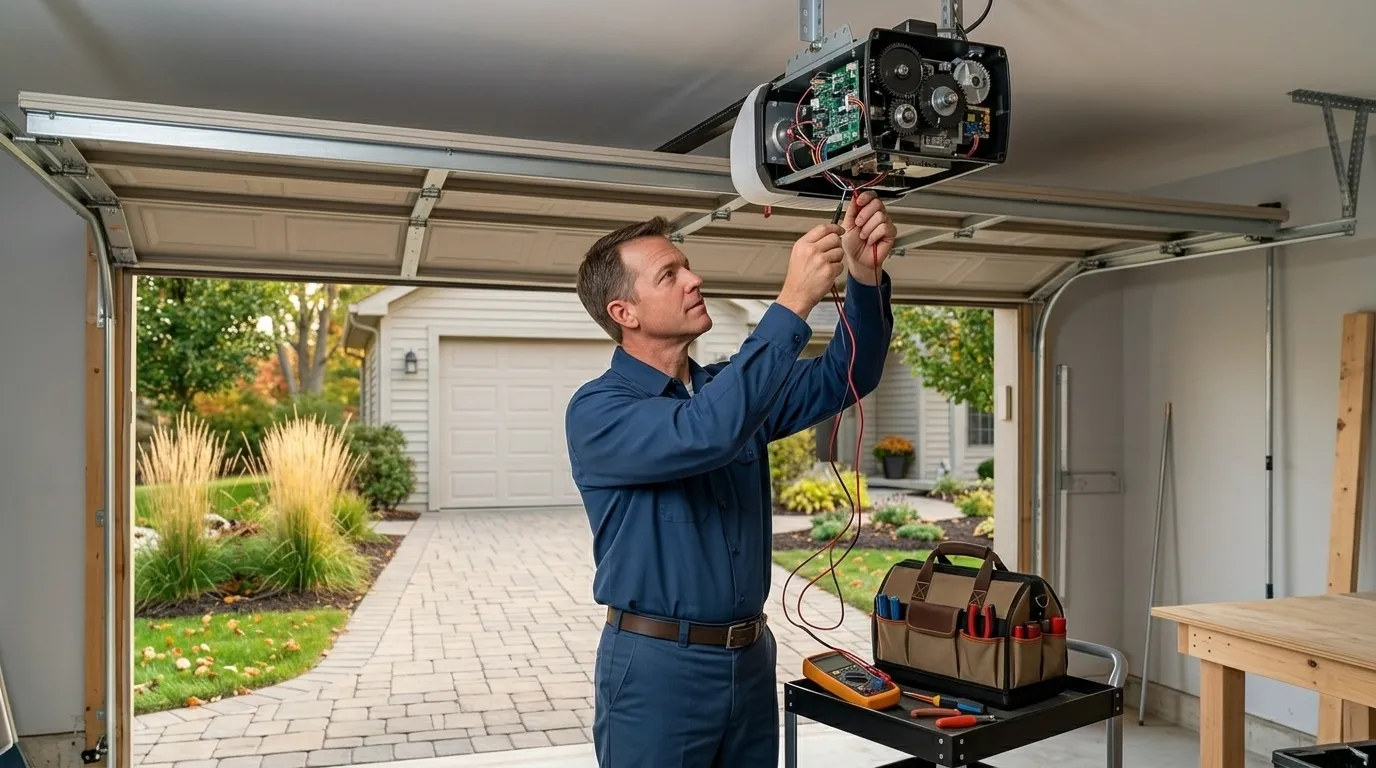
Tracy homes built mostly in the 1960s-70s still run original torsion springs and tracks. We service the hardware that came with the house, not a generic swap-out.
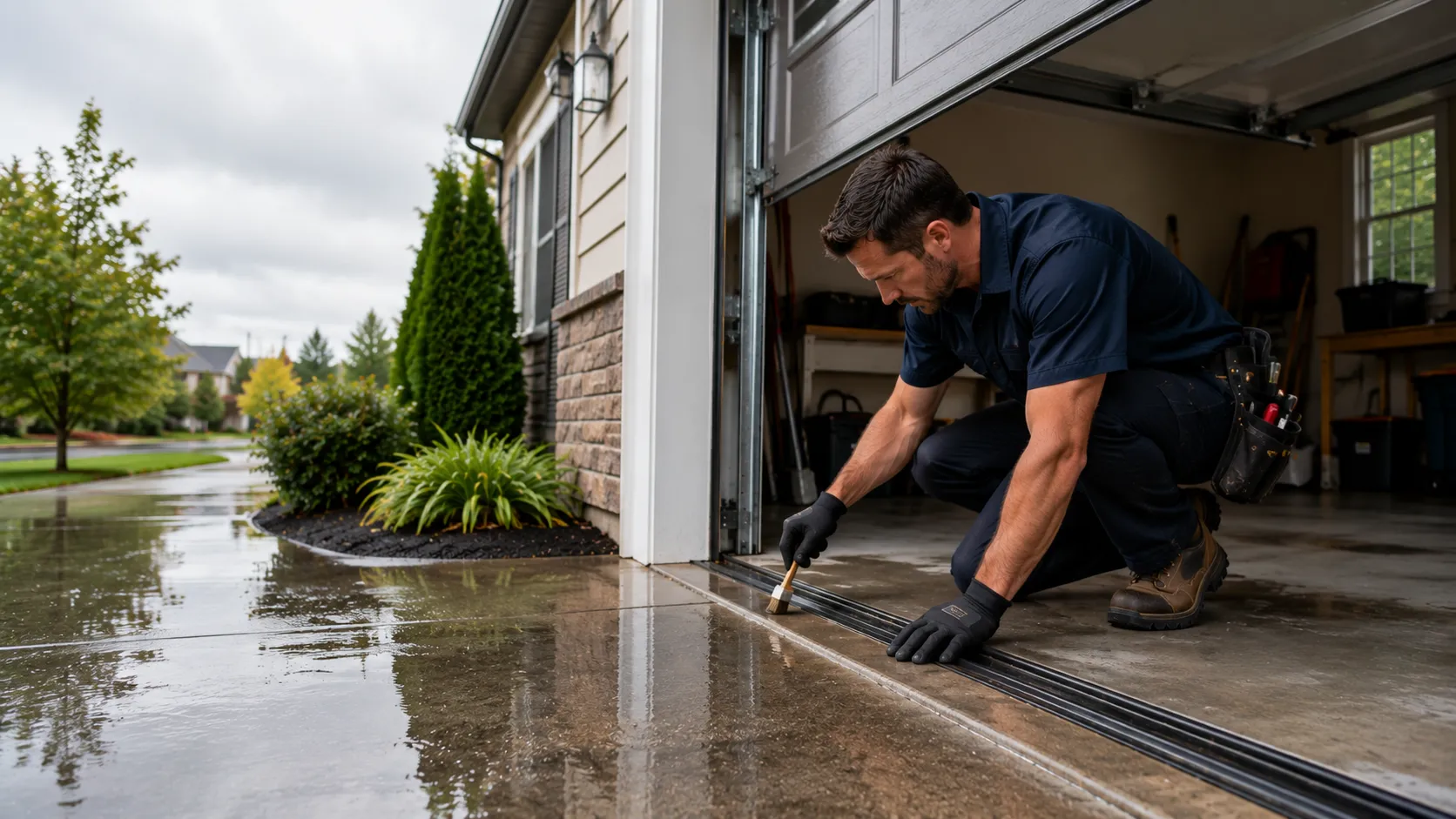
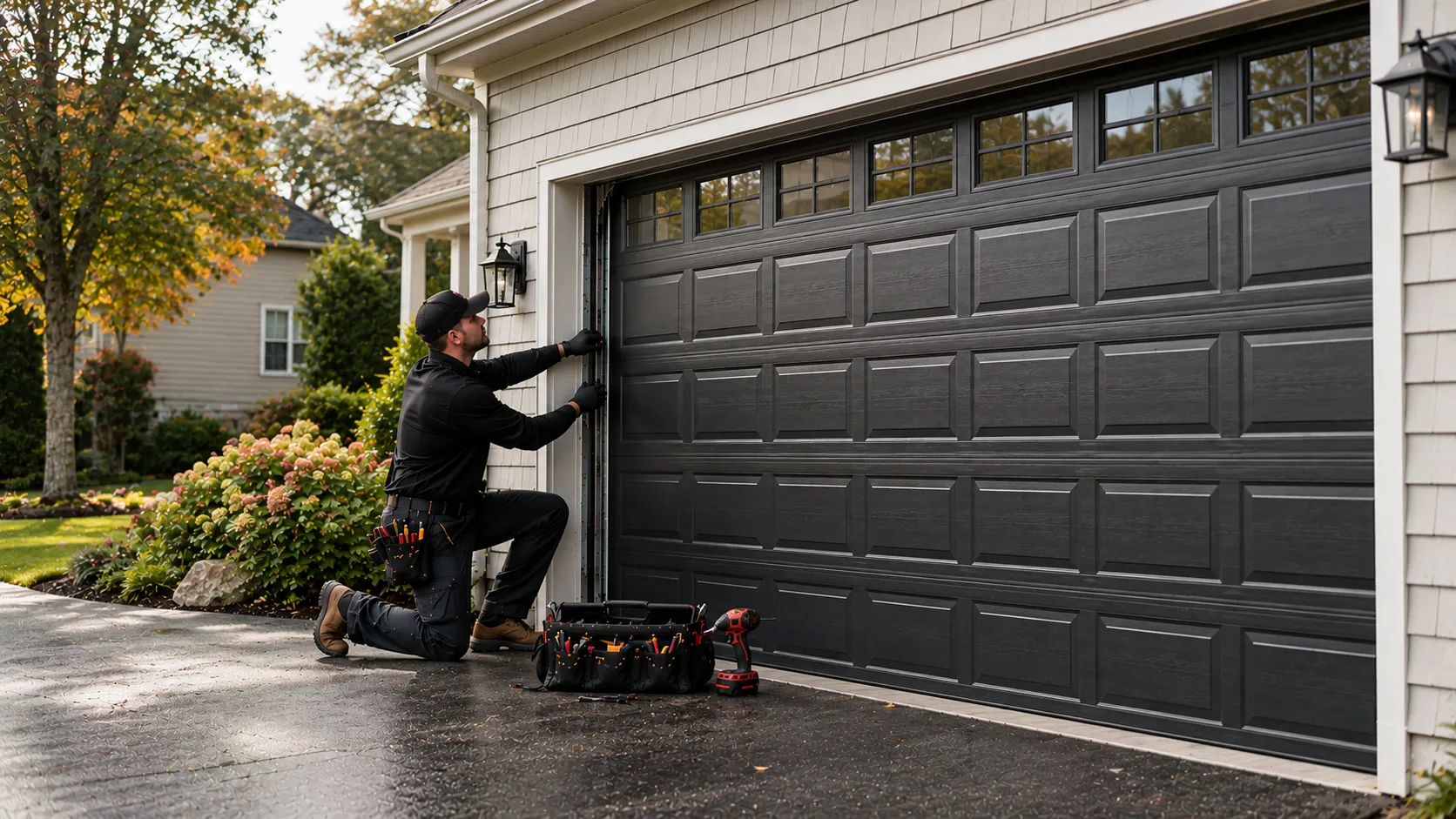
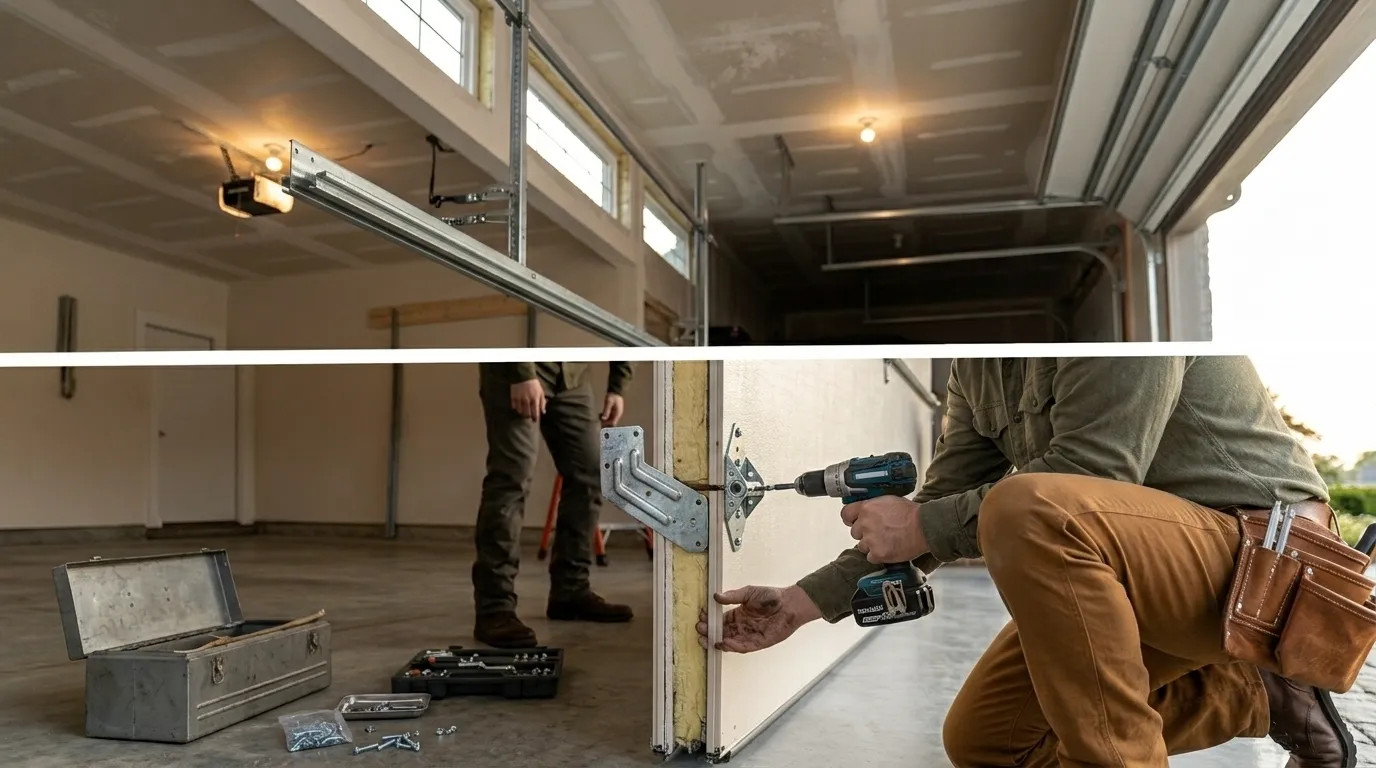
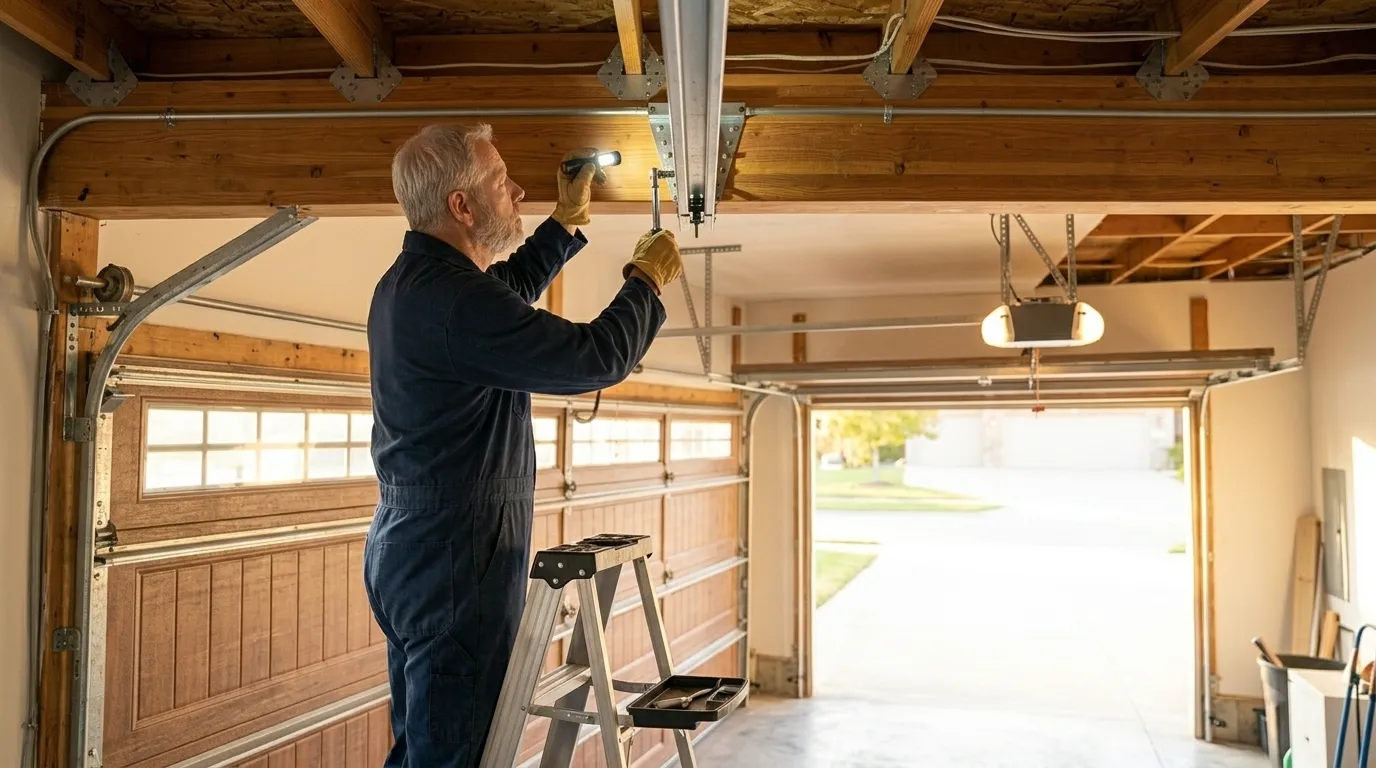
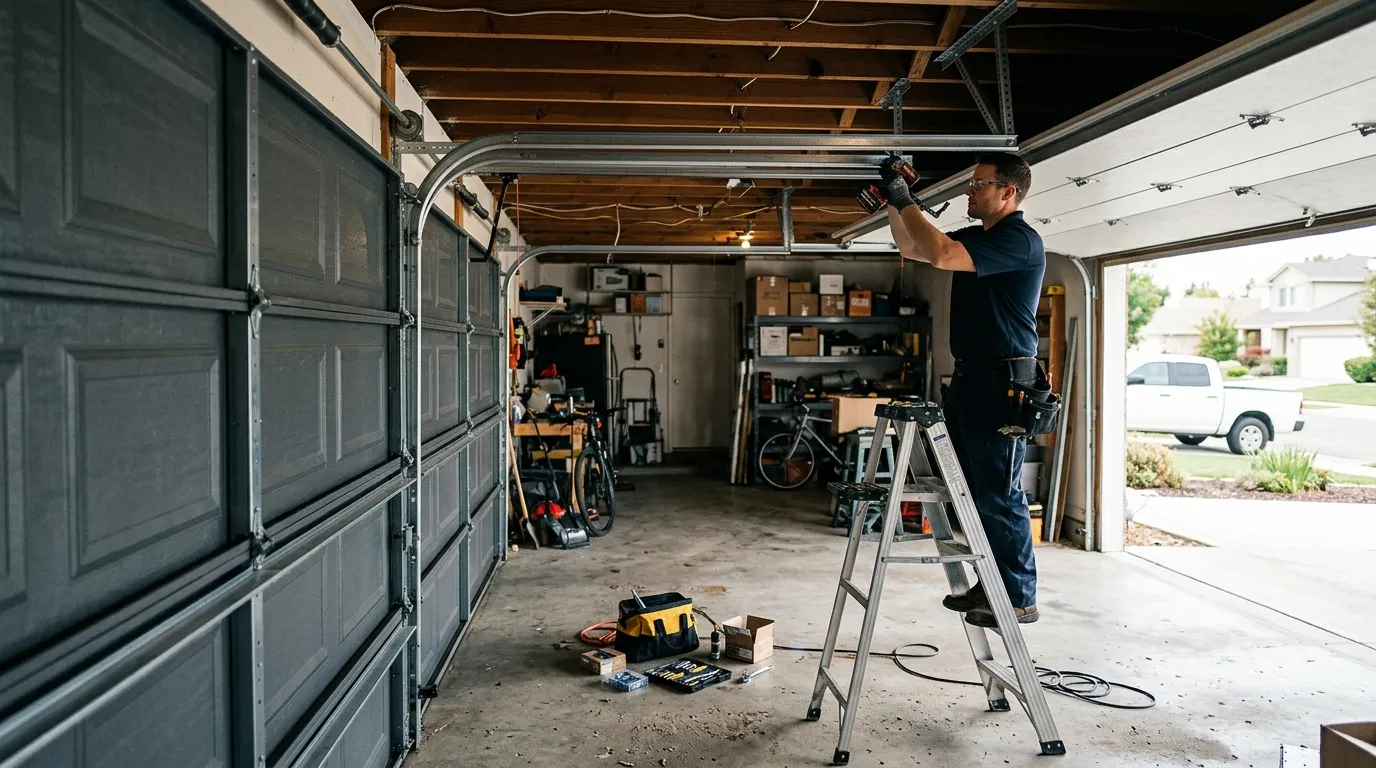
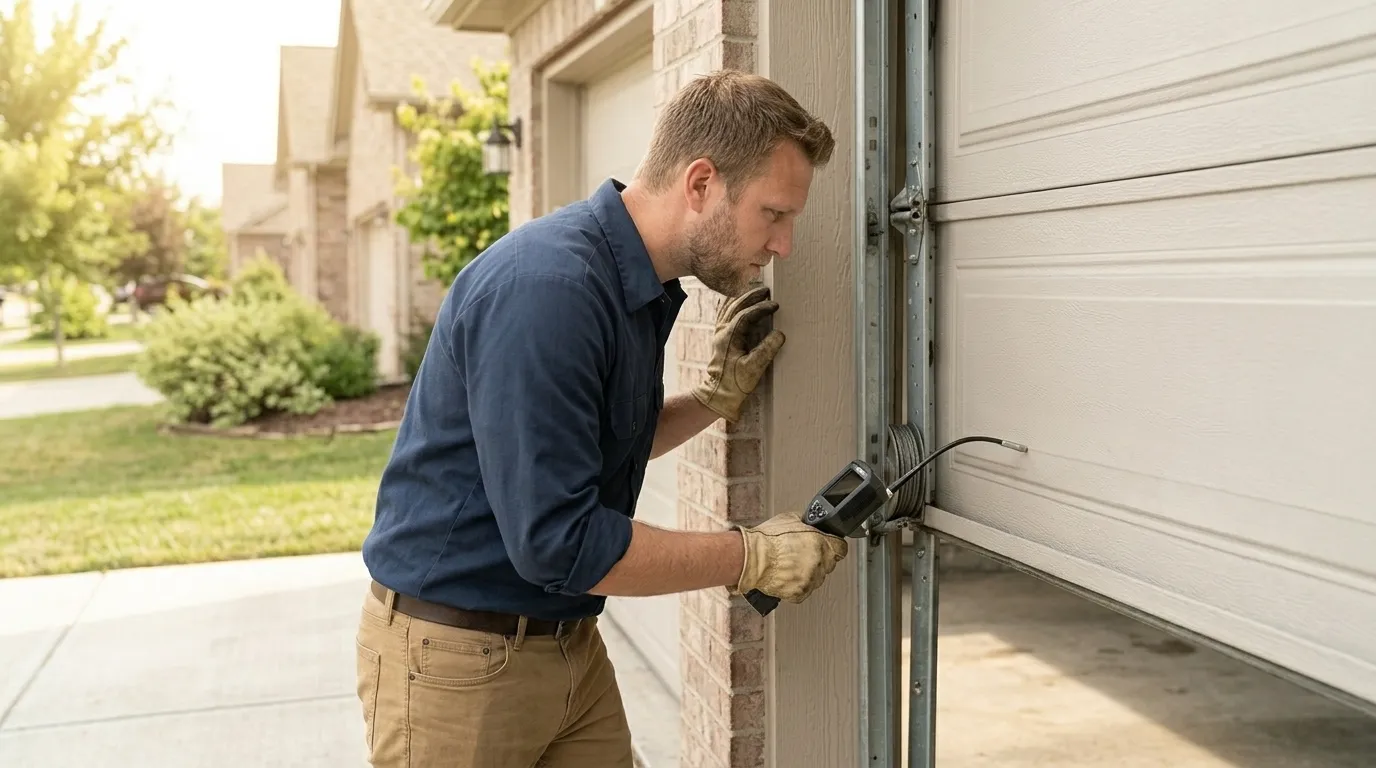
A service call on a door that's been running since the 1970s isn't the same job as one on a five-year-old opener. We start by pulling the door off auto and running it by hand, because that tells you more about a torsion spring's real condition than any opener sensor will. On the older stock common across this area - homes built between 1956 and 2010, with the heaviest concentration in the 1960s and 70s - that hand-cycle test usually turns up worn end bearings, a stretched cable, or a spring that's lost coil tension long before it snaps outright. We check the track alignment next, since original steel tracks in that era tend to be lighter gauge than what goes in today, and forty-plus years of small impacts leaves them slightly bowed even when the door still looks like it's working fine. Once we know what's actually failing, we tell you straight whether it's a part swap or something bigger. We don't pad the visit out. If the fix is a lube job and a bearing, that's what you get charged for, and that's the whole call.
Why This Fails Locally
The reason this shows up so often in Tracy specifically comes down to what's actually installed here. With most of the service area's housing built between 1956 and 2010 and the bulk of it dating to the 1960s and 70s, a huge share of the 23,168 owner-occupied houses in the area are still running spring and track hardware that was never designed to last five decades. That's not a knock on the builders - it's just math. Steel torsion springs have a rated cycle life, and a door opened twice a day for fifty years has burned through it. Add in the moderate heat band this area sits in, and you get metal that expands and contracts on a seasonal cycle year after year, which fatigues springs and loosens fasteners faster than a mild, stable climate would. None of that is dramatic on any single day. It's cumulative. A door that worked fine last summer can be the one that drops a cable this summer, not because anything changed, but because the hardware finally hit its limit.
Doing It Yourself
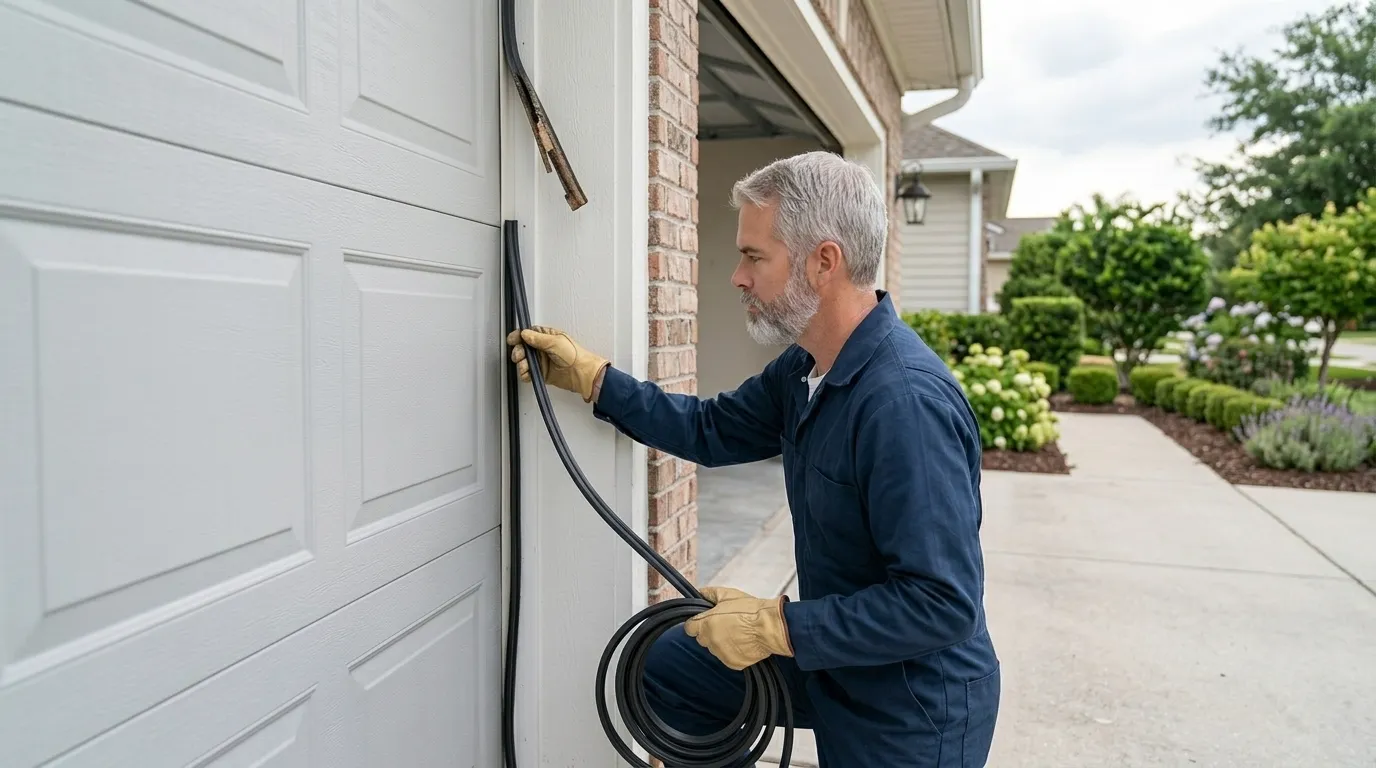
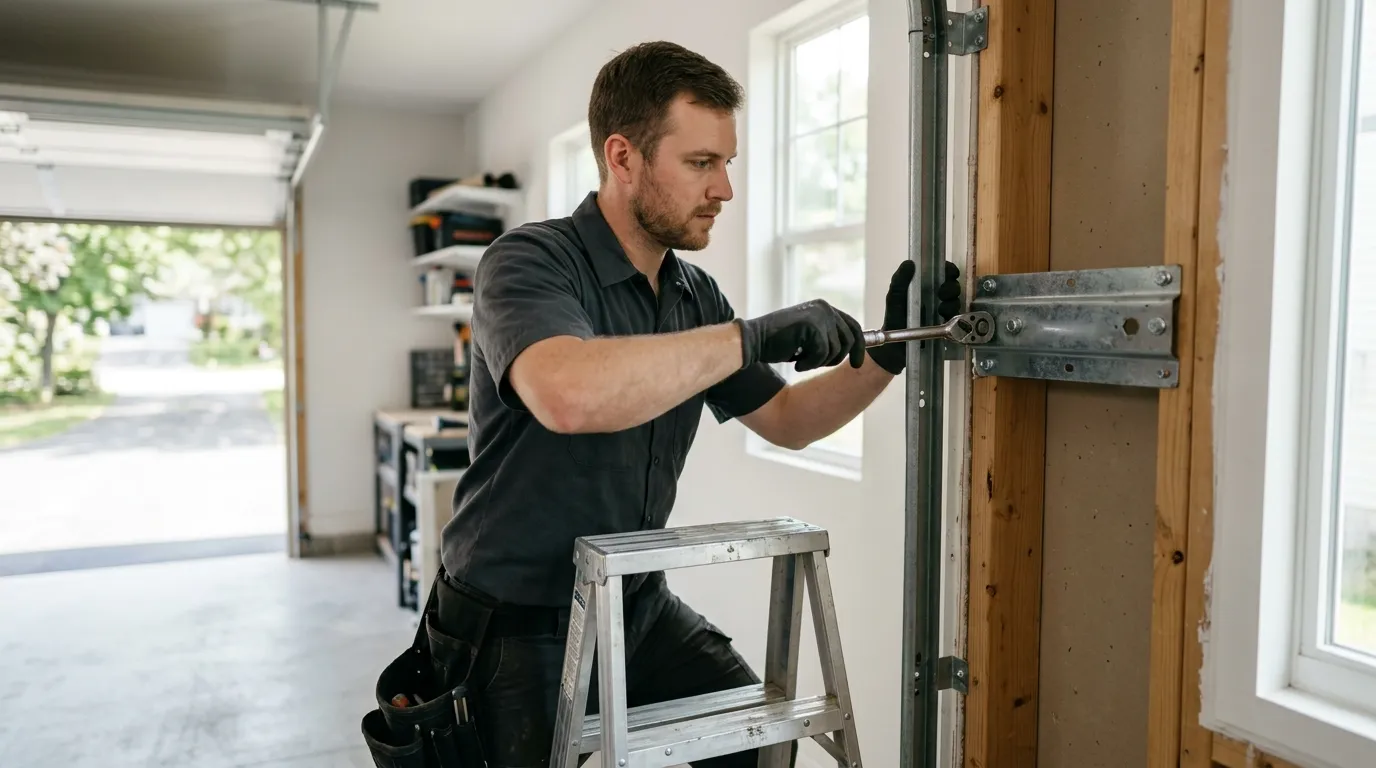
There's plenty here you can handle yourself. Tightening loose track brackets, cleaning and lubricating rollers, and checking that the photo-eye sensors aren't knocked out of alignment are all reasonable weekend jobs, and they'll extend the life of hardware that's already decades old. What you shouldn't touch is the torsion spring itself. A wound spring on a standard residential door holds enough stored force to break bones or worse if the winding bar slips, and on original hardware from the 1960s or 70s, you often can't tell how much life is left in it just by looking. We'll also say plainly: if a door's tracks, springs, and opener are all original and all near end of life at once, replacing piece by piece usually costs more in labor over a year than doing the door as one job. We'll tell you which situation you're in before we quote anything.
The Symptom
The complaint we hear most from this stretch of homes is a door that's suddenly heavier to lift by hand, or an opener that strains and reverses partway up. Both usually trace back to the same root cause: a torsion spring that's lost tension gradually, so the opener has been quietly picking up the slack for months before it finally can't anymore. On the original 1960s-70s stock, this often pairs with a track that's drifted slightly out of parallel, which adds friction the spring then has to fight in addition to the door's weight. Homeowners sometimes assume the opener motor is dying, when really the motor's fine - it's just been doing a spring's job for longer than it should have. Catching this before the cable snaps or the door comes down hard is the difference between a spring replacement and a much bigger repair.
How it works
From “it’s stuck” to “it’s fixed”
A quick, honest process - no guesswork and no surprises, start to finish.
Disconnect the opener using the manual release and lift the door by hand. If it feels heavy, jerky, or wants to fall rather than stay put partway up, the spring has lost tension. If it lifts smoothly and evenly, the problem is more likely in the opener or the track.
Why does my door feel worse in summer?
Heat causes metal parts, springs and track brackets included, to expand slightly. On hardware that's already decades old, that seasonal expansion and contraction adds up over the years and tends to make marginal problems more noticeable during the hottest stretches.
Is it worth fixing an original door from the 1970s, or should I replace it?
It depends on how much of the hardware is original. If the springs, track, and opener are all near the end of their life at the same time, doing the whole door as one job is often more cost-effective than replacing pieces one at a time over a year.
Ready to get your garage door sorted?
Tell us what it’s doing and where you are in Tracy - we’ll take it from there.