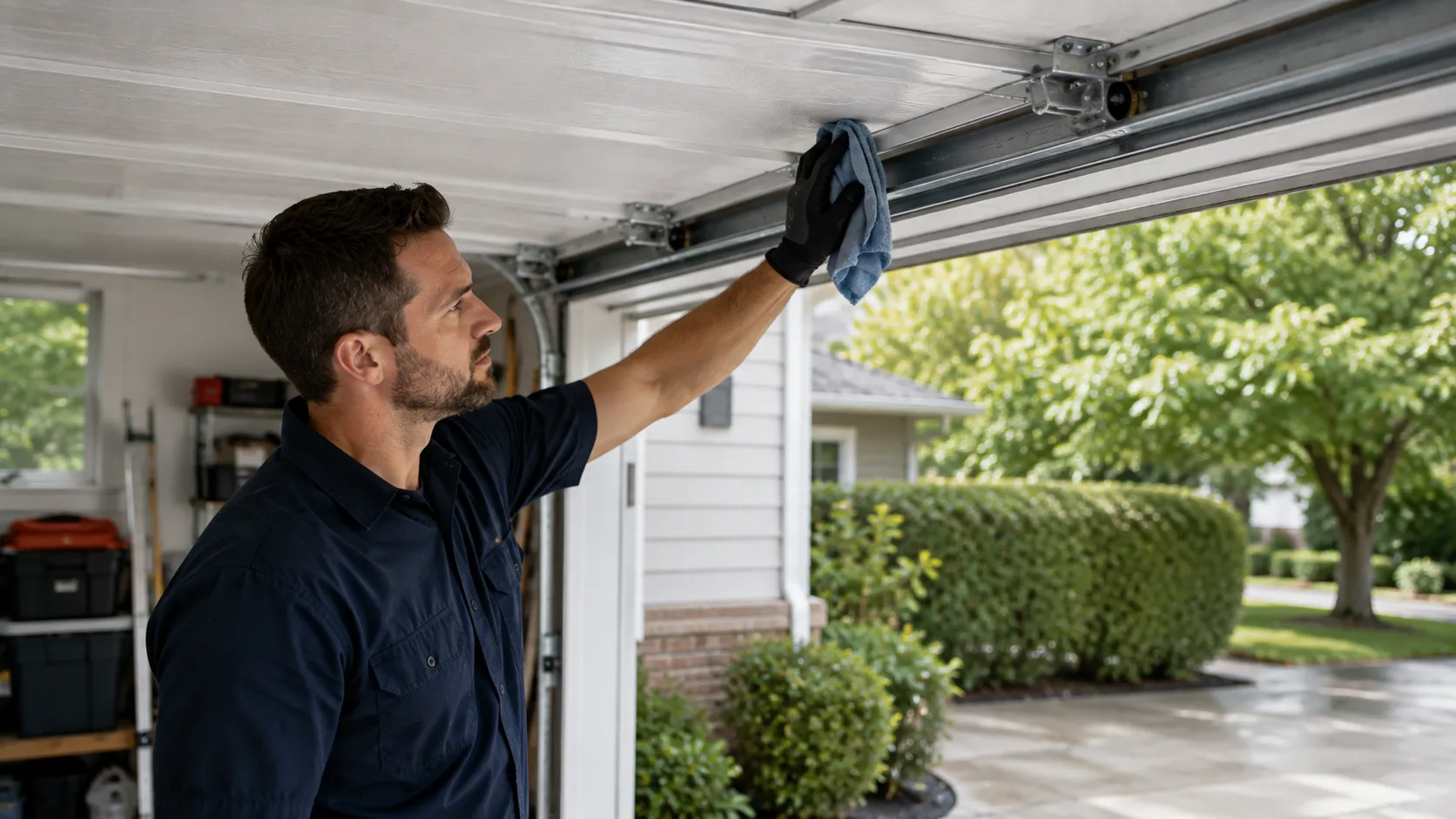
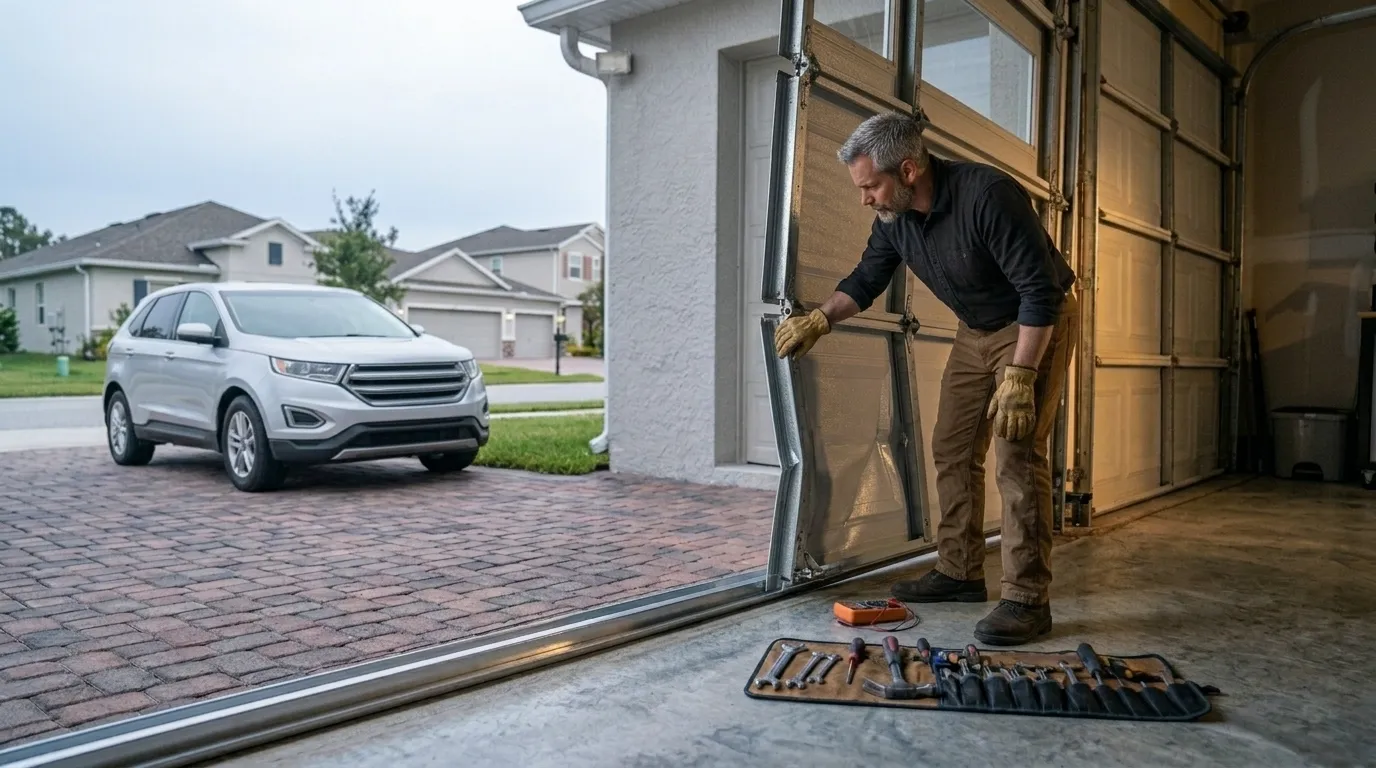
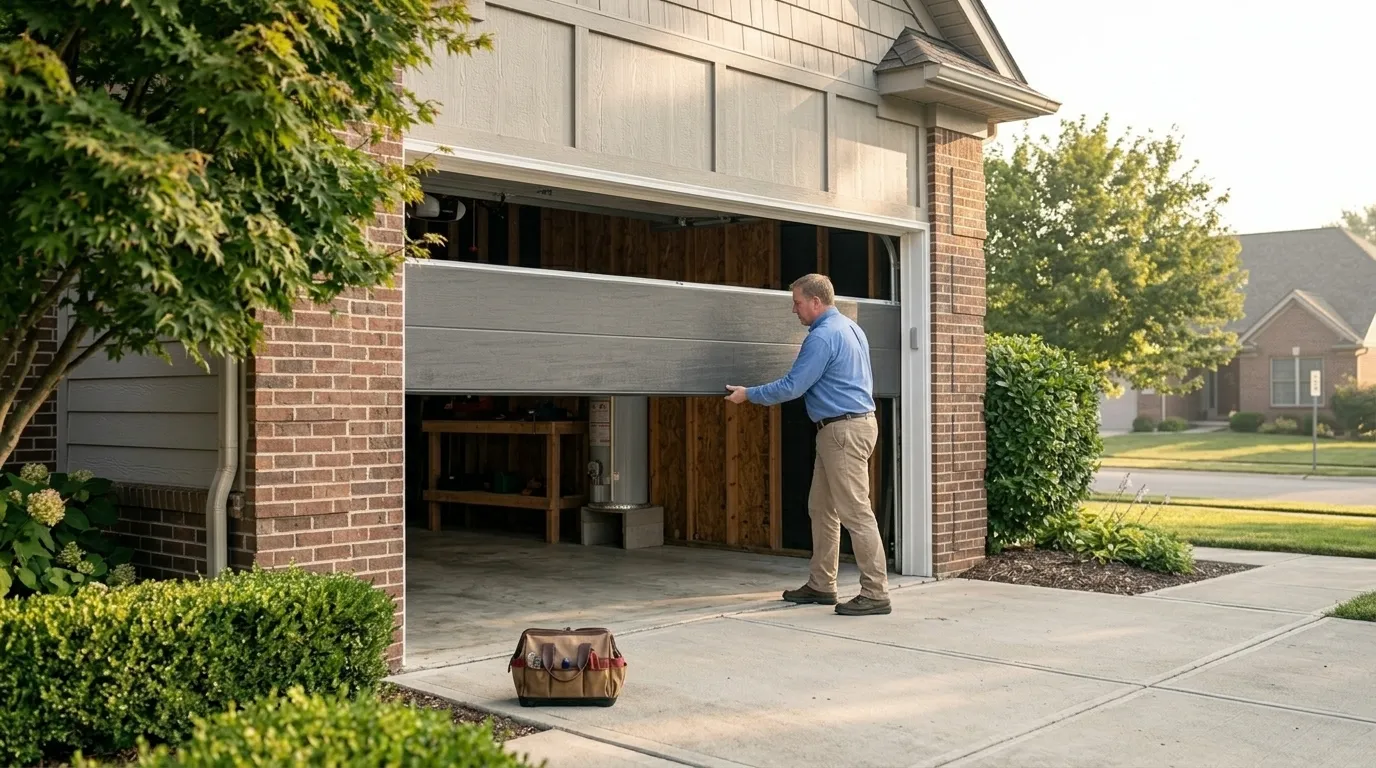
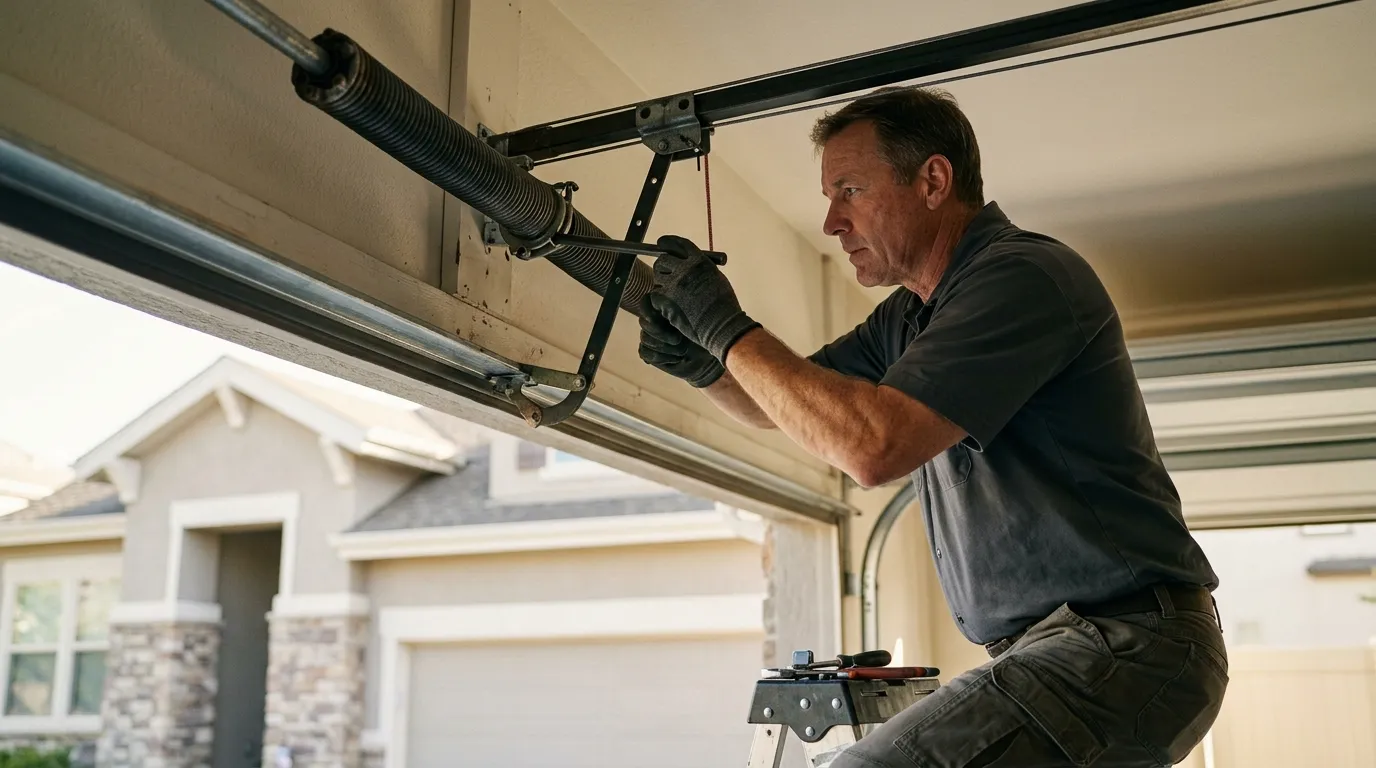
Kennedy sits about 18 miles from our shop in Tracy, which puts it on the outer edge of where we run trucks. We don't keep a crew or a van staged in Kennedy, and we're not going to pretend otherwise - every job here starts with a drive. What that means in practice: we're not the call for a door that's about to fall on someone's car in the next ten minutes. We are the call when you want the job done right and you can work with us on scheduling around the drive time. If you need same-hour emergency work, tell us that up front so we can be honest about whether the trip makes sense that day. Most repair and replacement work isn't actually urgent in the way it feels - a spring that's already broken isn't going anywhere, it just needs the right coil and the right bar length. We'd rather set an appointment that gets a tech to Kennedy with the correct parts already loaded than rush out with a guess and have to come back.
What We Do Not Do
We don't stock a satellite inventory in Kennedy, so anything outside common spring, roller, and cable sizes may mean a return trip once we've confirmed the exact part on-site. We don't do same-day glass or custom panel replacement - those get special-ordered no matter where you are. And we won't tell you a 1966-era door with a cracked track just needs a patch when the housing underneath it has already flexed; sometimes the honest answer is a new section or a full door, not a repair bill that just delays the real fix. If your opener is original to the house, we may recommend replacing it outright rather than chasing parts for a unit that old - that's not us upselling, that's just what the math looks like on a motor built before most of the electronics we service today existed.
What That Means for Doors
Kennedy's homes cluster around 1966 - noticeably older than the 1979 median across the wider Tracy service area covered by F1 and F2. That matters more than it sounds like it should. Doors and openers installed on houses from that mid-1960s wave tend to run older extension-spring setups instead of the torsion systems common on newer builds, and the track gauge is often lighter than what gets installed today. Openers from a later retrofit are usually chain-drive units bolted onto original header framing that was never sized for a heavier insulated door. With 802 households in the area and a median income of $58,859, we see a lot of owners choosing a straightforward spring or cable repair over a full door swap, and that's often the right call on hardware this old - as long as the track and header are still sound underneath it. The moderate heat band here doesn't stress springs the way extreme desert heat does, but it still shortens the life of old lubricant and rubber seals faster than owners expect.
This Area's Housing
At $58,859, median household income in Kennedy runs well below the $106,064 median for the broader service area we cover out of Tracy, and that gap shapes what kind of job makes sense here. We try to price repairs so a working spring or a re-aligned track doesn't turn into a full replacement conversation unless the door genuinely needs it. With around 802 households in the immediate area, most of the doors we'd expect to see are original builders' units from the mid-1960s or early replacements from the following decade - not the newer insulated steel doors going up on later infill construction elsewhere in the wider Tracy footprint. If you're not sure whether your door is original, the giveaway is usually the spring type: extension springs mounted along the horizontal track, rather than a torsion bar over the header, point to hardware that's been on the house since it was built.
How it works
From “it’s stuck” to “it’s fixed”
A quick, honest process - no guesswork and no surprises, start to finish.
No. We run out of Tracy and cover Kennedy from there, about 18 miles out. We schedule the trip rather than staging equipment locally, so booking ahead gets you a tech with the right parts instead of a guess-and-return visit.
Is my old opener worth repairing?
Depends on the unit, but if it's original to a 1960s-era house, parts for it are often harder to source than a new motor costs. We'll look at the specific model before recommending anything, not just the age of the house.
Why does my door use different springs than my neighbor's newer house?
Houses built around 1966 in this area commonly used extension springs mounted along the horizontal track, while newer builds in the wider Tracy area use torsion bar systems over the header. They're not interchangeable, and the repair approach differs.
Can you match the exact panel on an older door?
Sometimes, sometimes not - original 1960s panel profiles aren't always still manufactured. We'll check what's available before quoting a panel-only repair versus a full door replacement.
Ready to get your garage door sorted?
Tell us what it’s doing and where you are in Tracy - we’ll take it from there.