What We Do Not Do
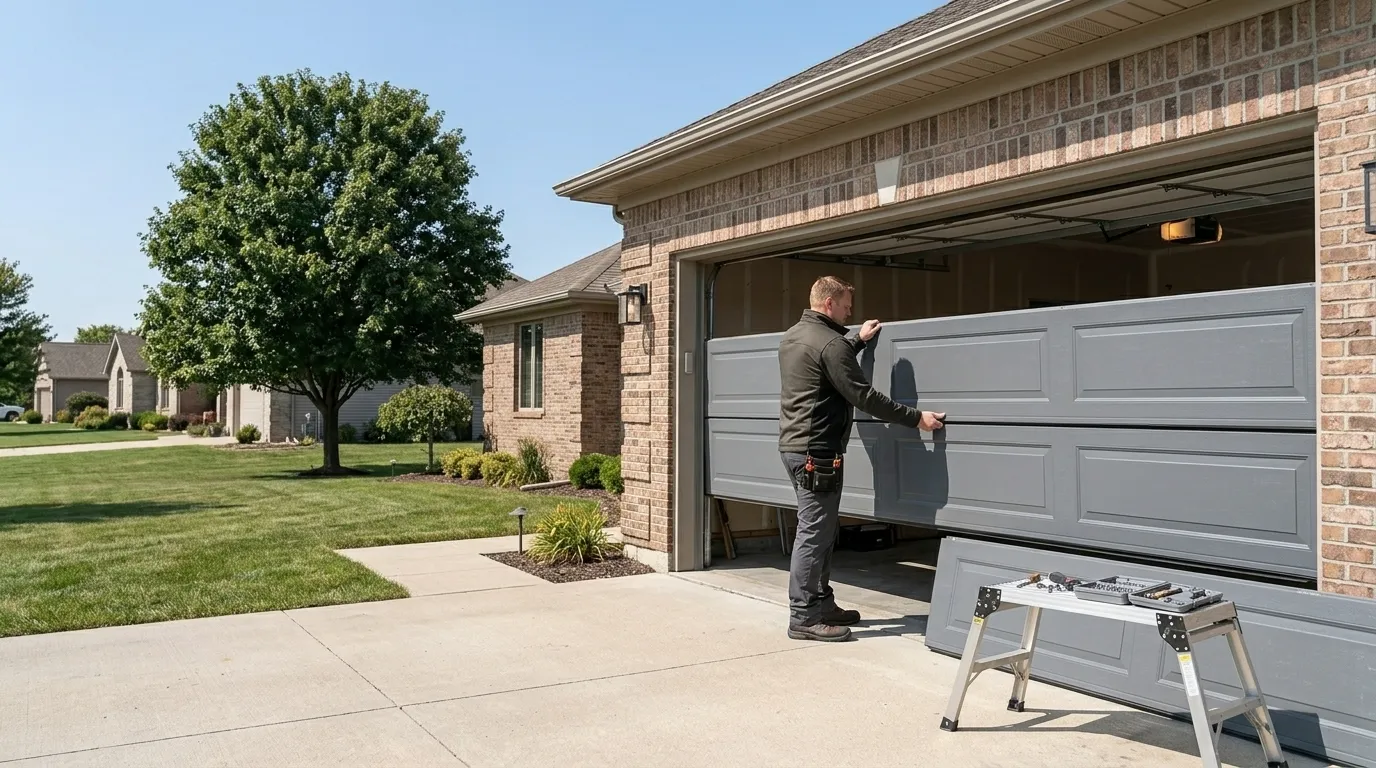
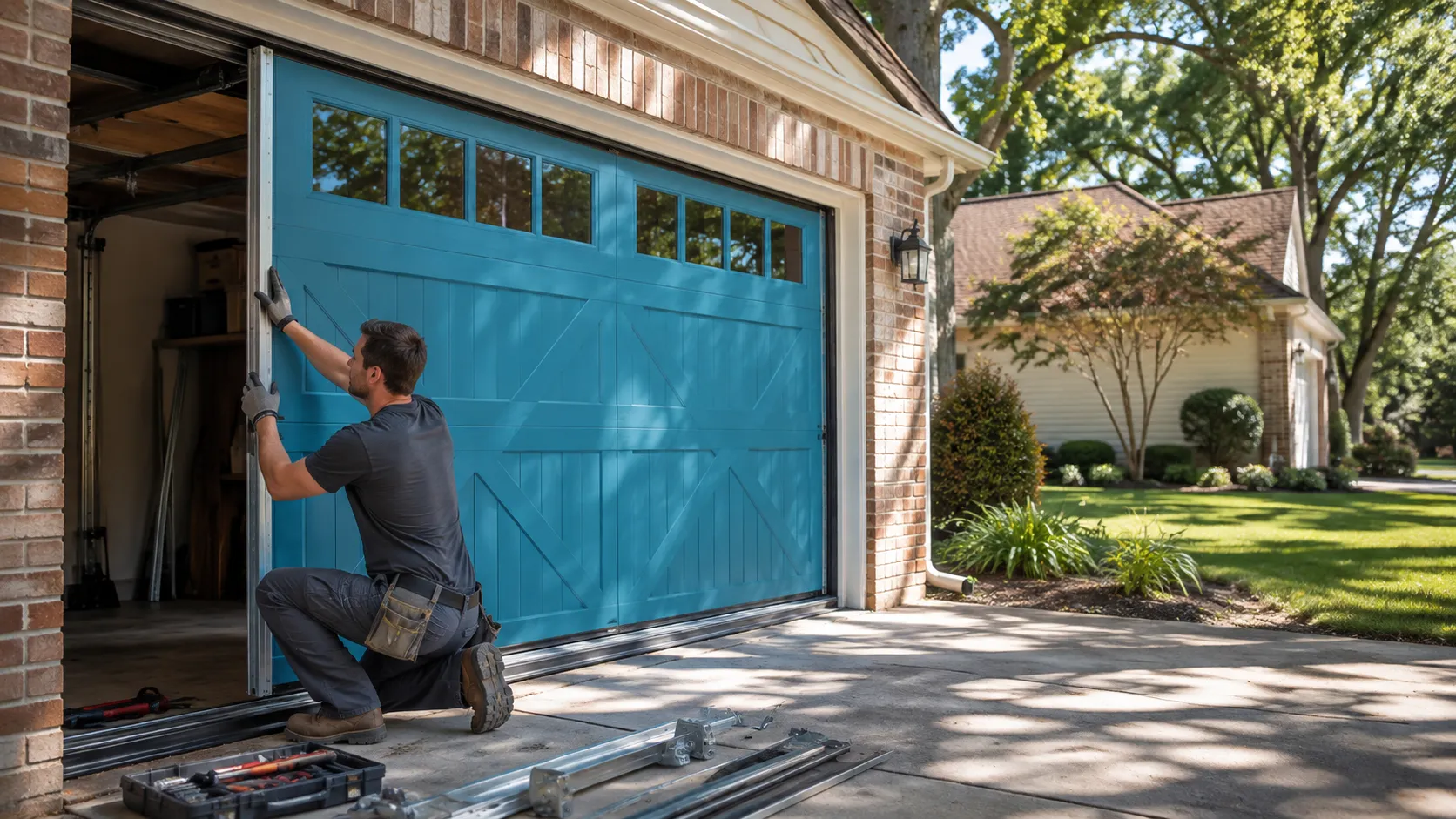
We don't stock every obsolete panel or track profile for doors that are pushing sixty years old, and on a street of houses built around 1968 that comes up more than you'd think. If a door needs a part that's been out of production for two decades, we'll tell you that instead of jury-rigging something that fails again in six months. We also don't do same-day glass or custom wood panel replacement - those are special-order items with lead times outside our control. And we won't quote a full opener swap over the phone without seeing the header and the rail, because a bad guess costs you more than the drive out. None of this is unique to French Camp, but it matters more here because the housing stock skews older than what you'd find in the newer subdivisions closer to Tracy.
What That Means for Doors
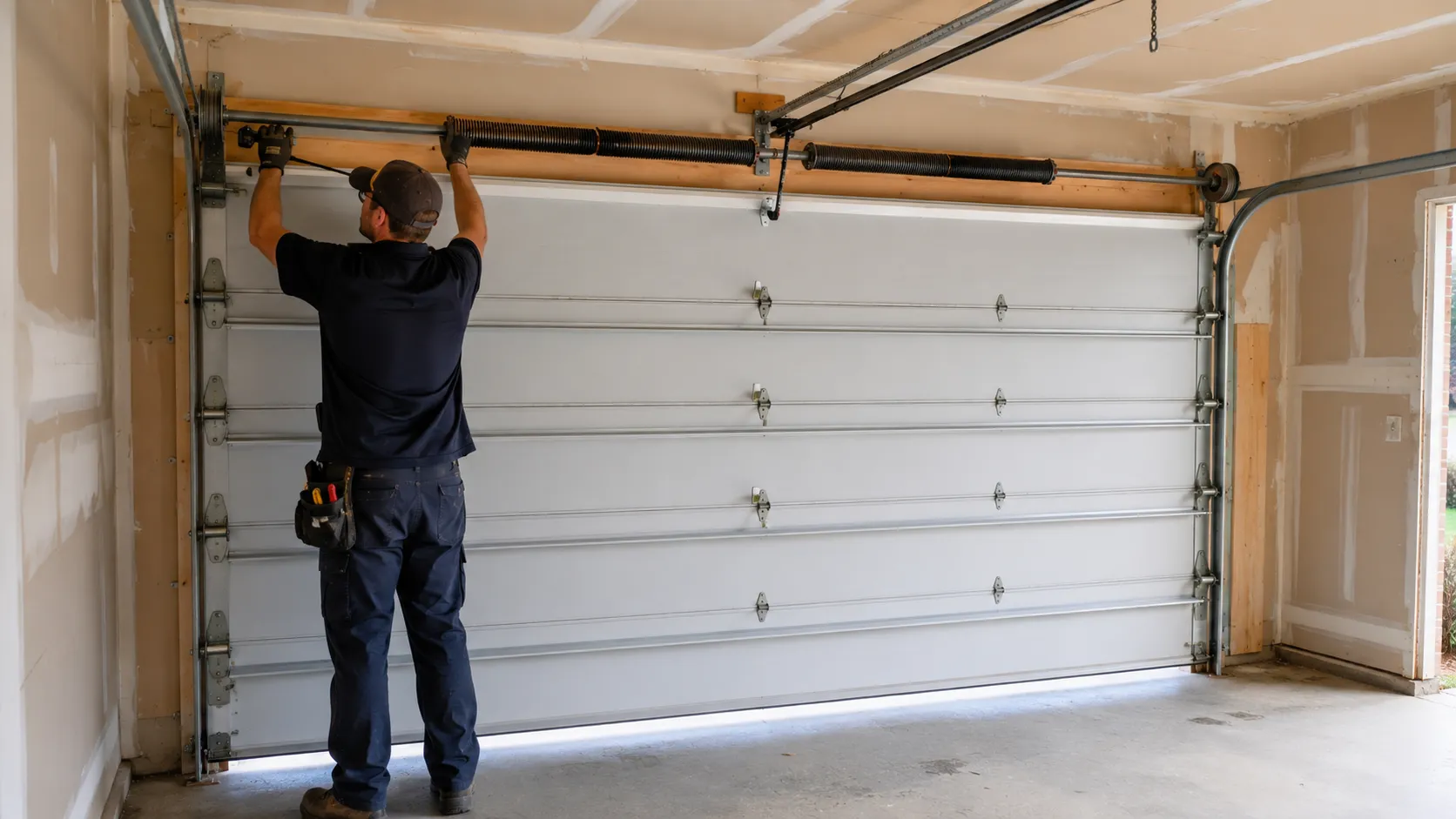
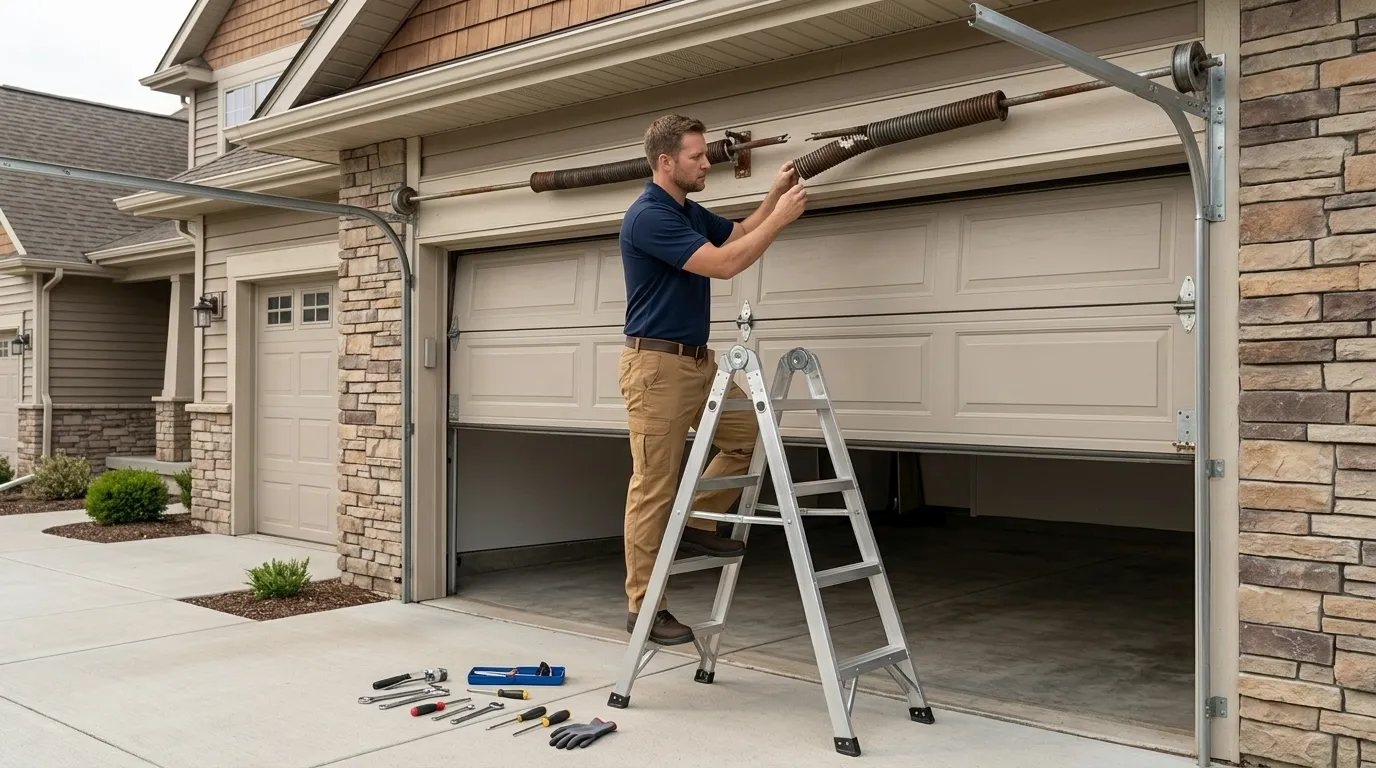
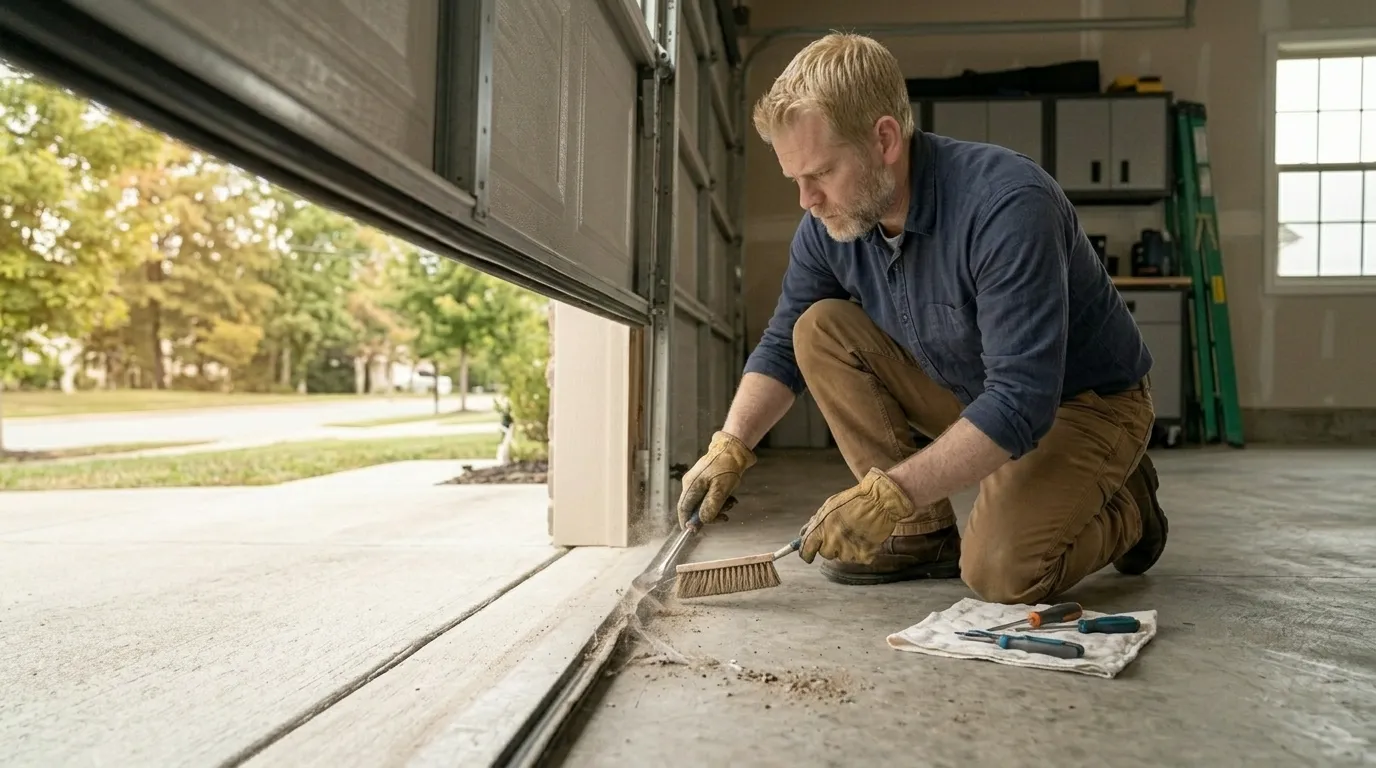
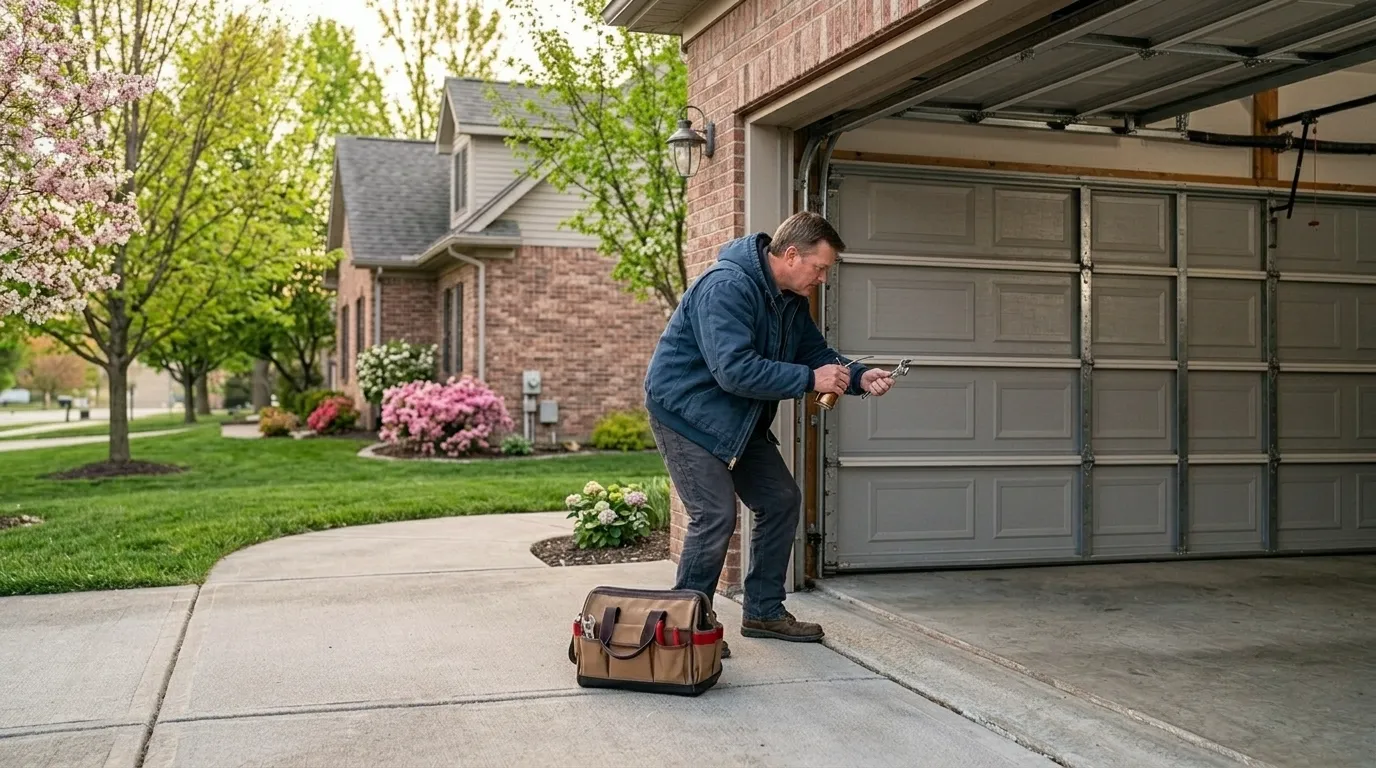
French Camp's homes run older than the surrounding service area - median build year here is 1968, well ahead of the broader area's 1956-2010 range and its 1979 midpoint. That decade of construction means a lot of these garages still have the original steel sectional doors on extension springs rather than the torsion setups that came standard later. Extension spring systems wear differently: the pulleys and safety cables go first, often years before the springs themselves give out, and a lot of homeowners don't know those cables exist until one snaps. Openers in these garages, if they've been swapped at all, are usually a second or third replacement rather than original equipment, so the wiring behind the wall switch can be a mismatch of eras. None of this shows up the same way in a newer part of the service area, which is exactly why treating French Camp like a copy of the city center is the wrong approach. A door here needs someone who checks the spring type before quoting, not after.