What We Do Not Do
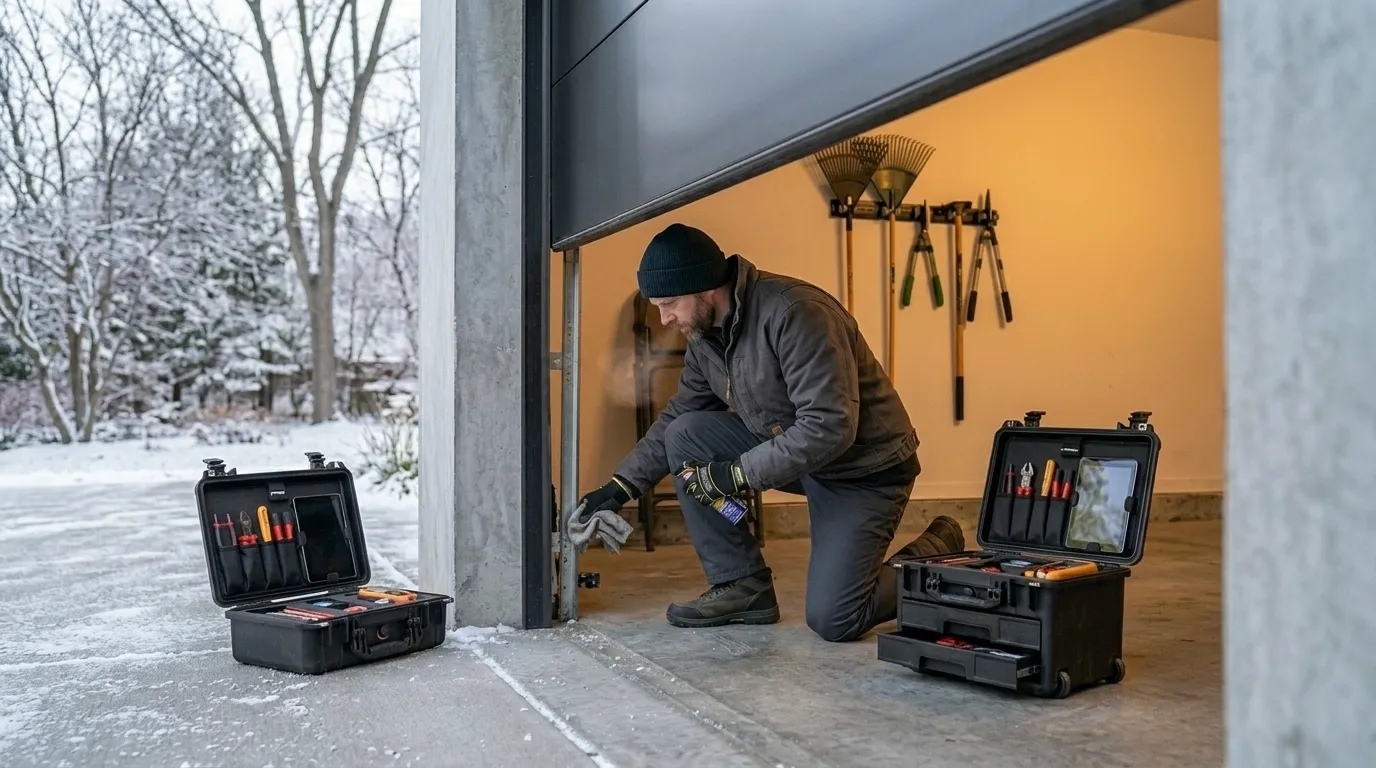
We don't stock every opener logic board on the truck, and if your unit needs a part that has to be ordered, that's a second trip - we'll tell you that up front instead of pretending otherwise. We don't do new home construction installs as a standing service, and we don't touch gate operators or commercial rolling steel; that's a different trade with different hardware. On older torsion setups where the drum, cable, and spring are all original and mismatched, sometimes the honest answer is that the repair costs more in parts and labor than a full replacement, and we'll say so instead of stacking a repair bill on a door that's done.
What That Means for Doors
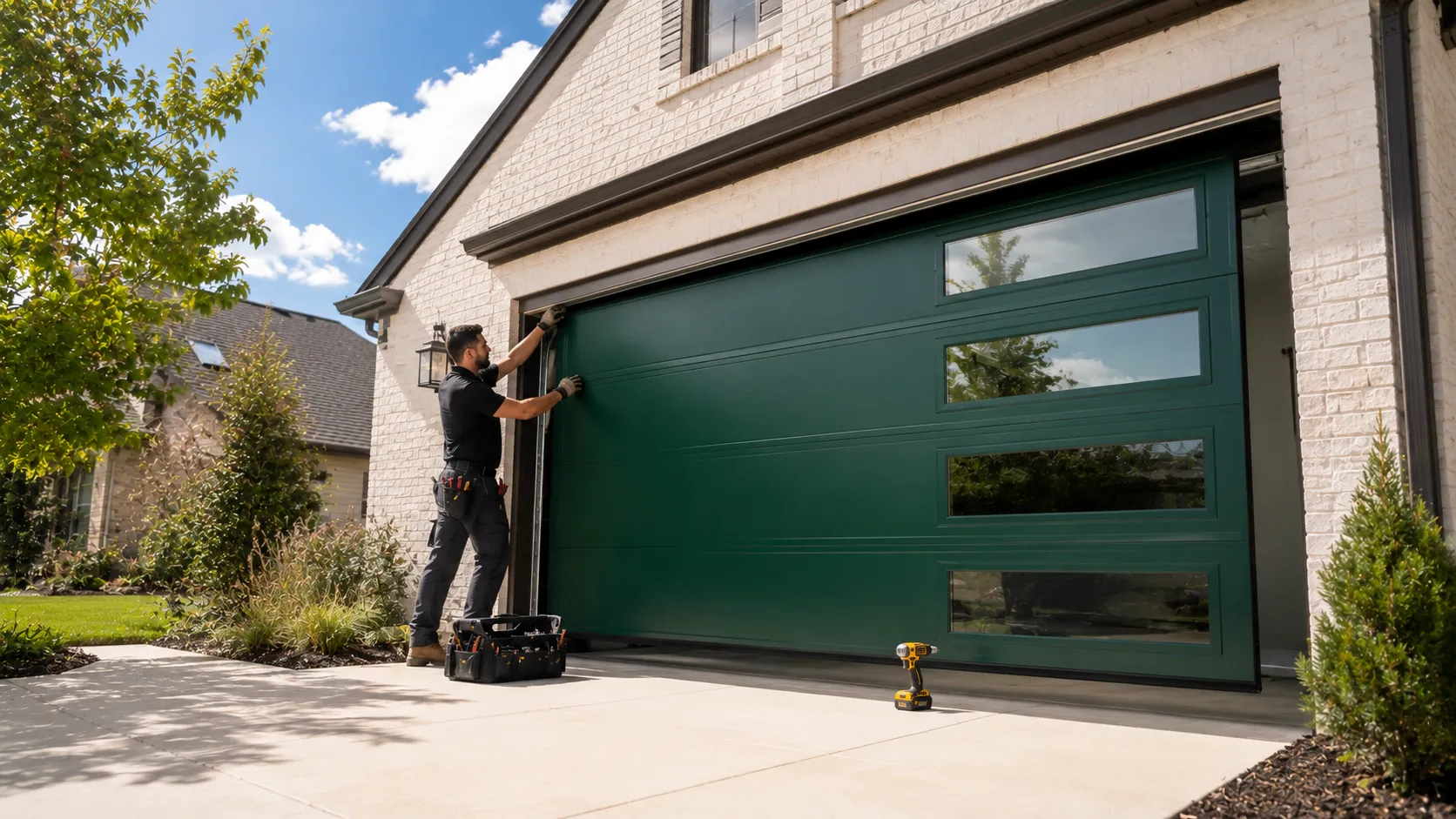
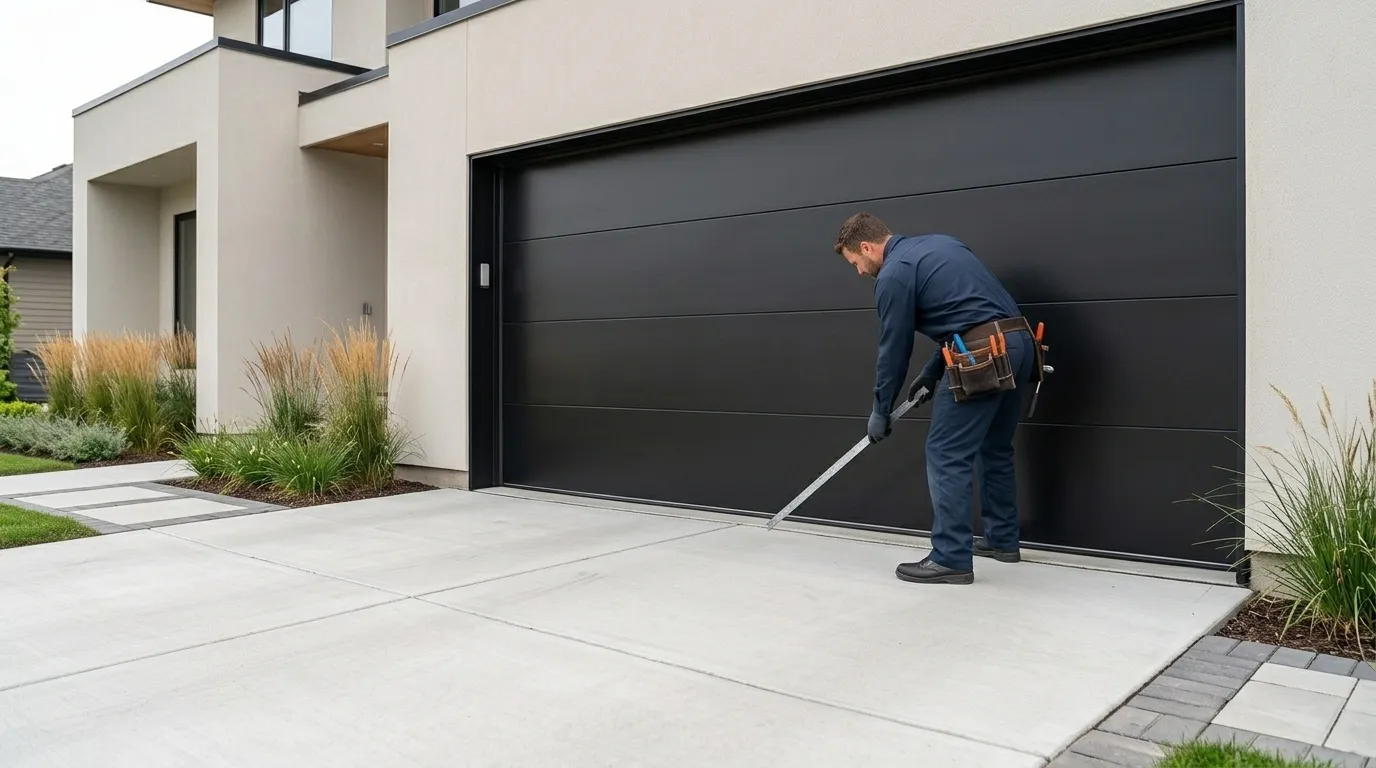
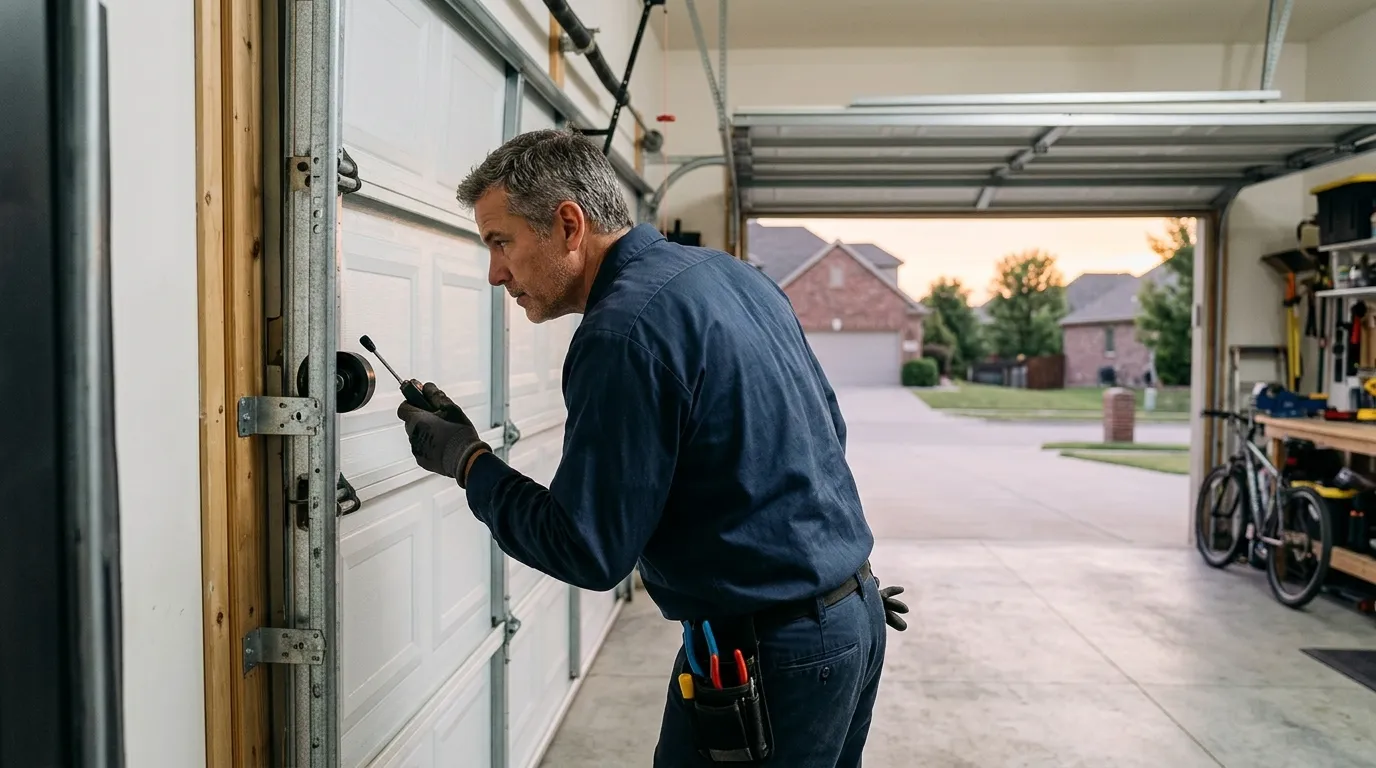
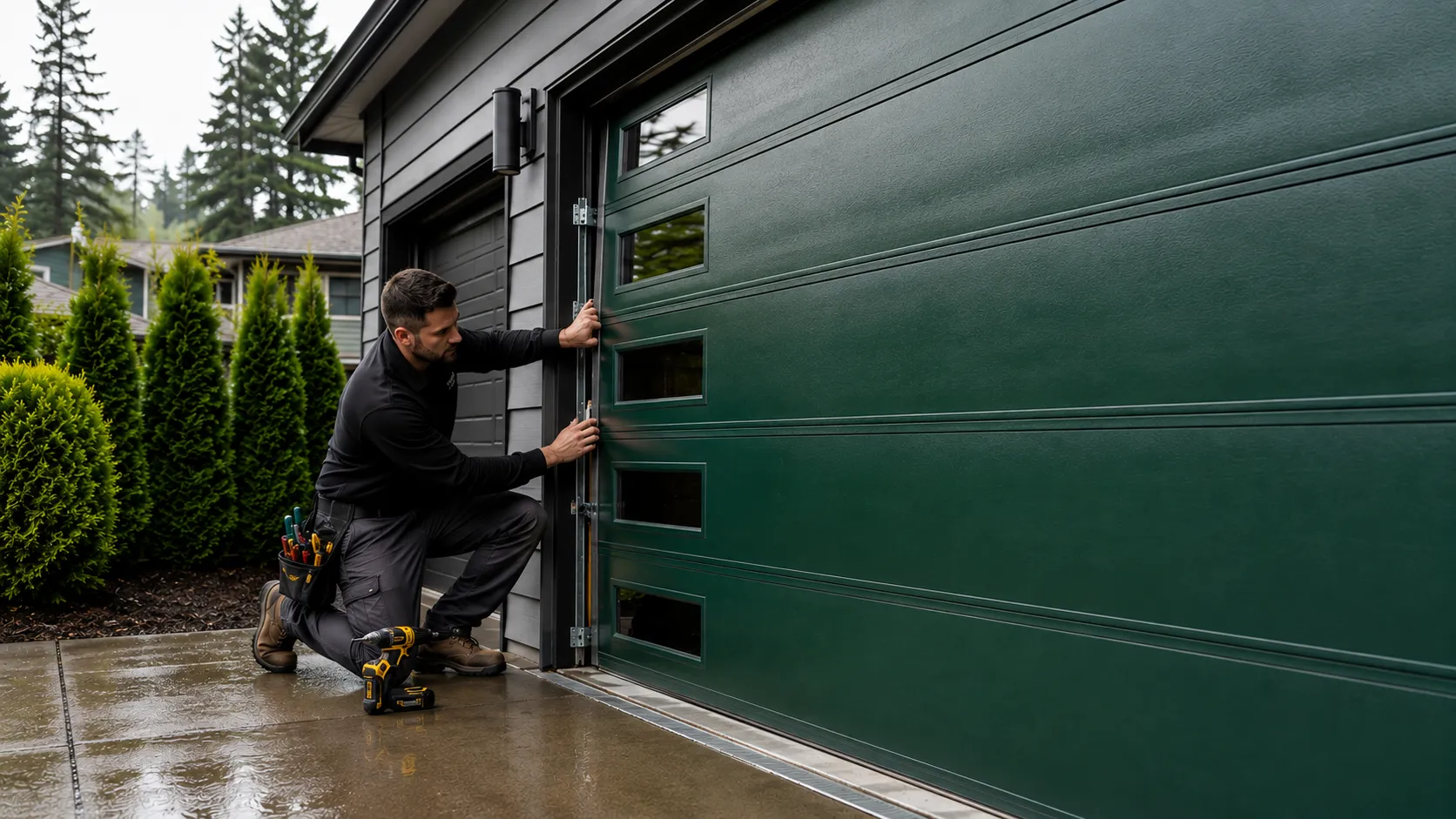
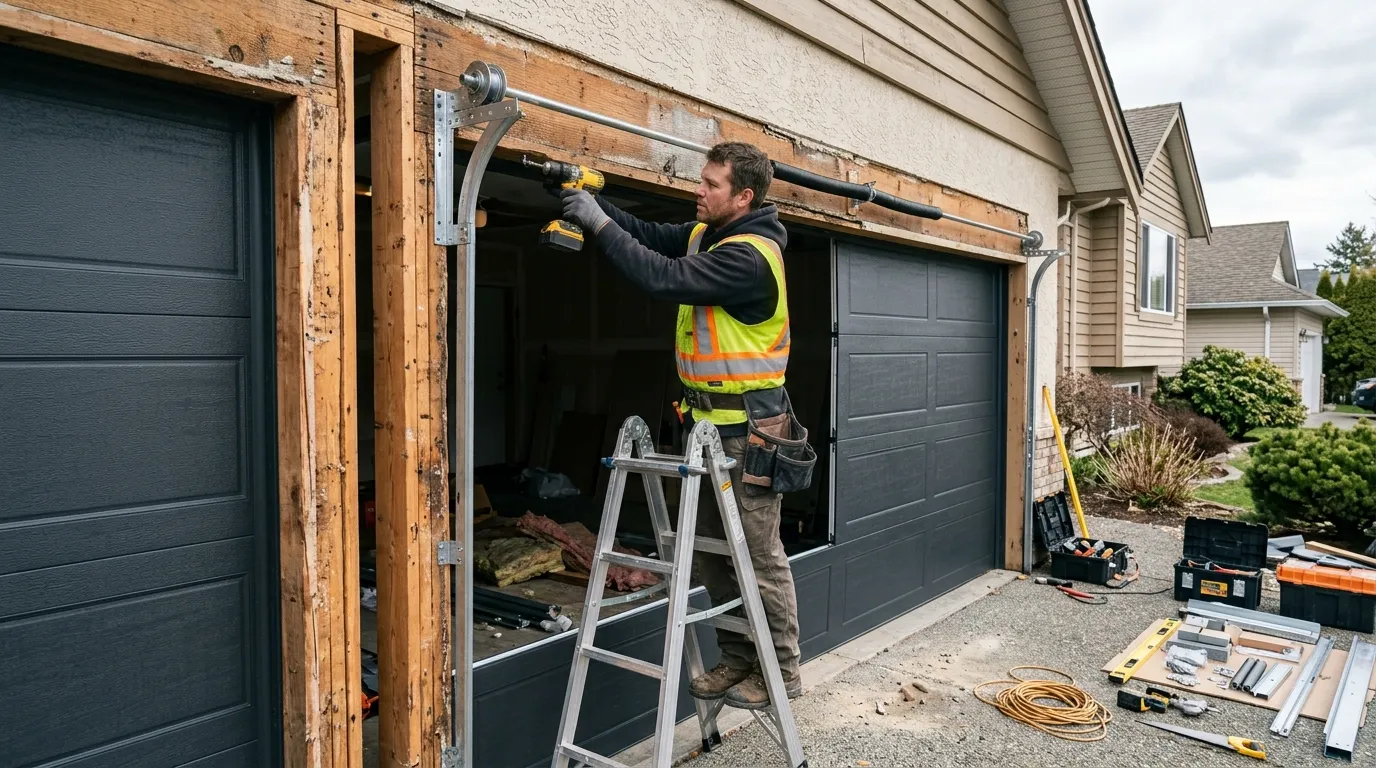
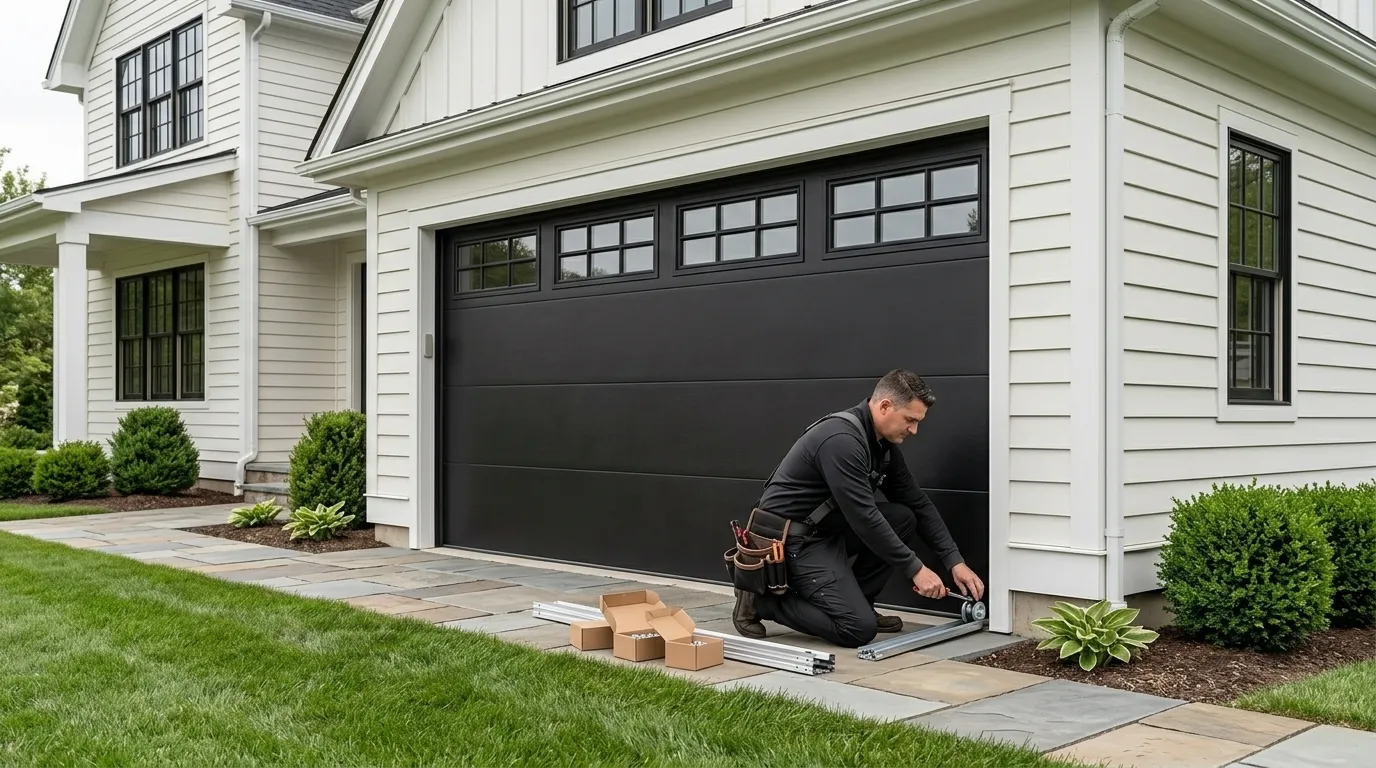
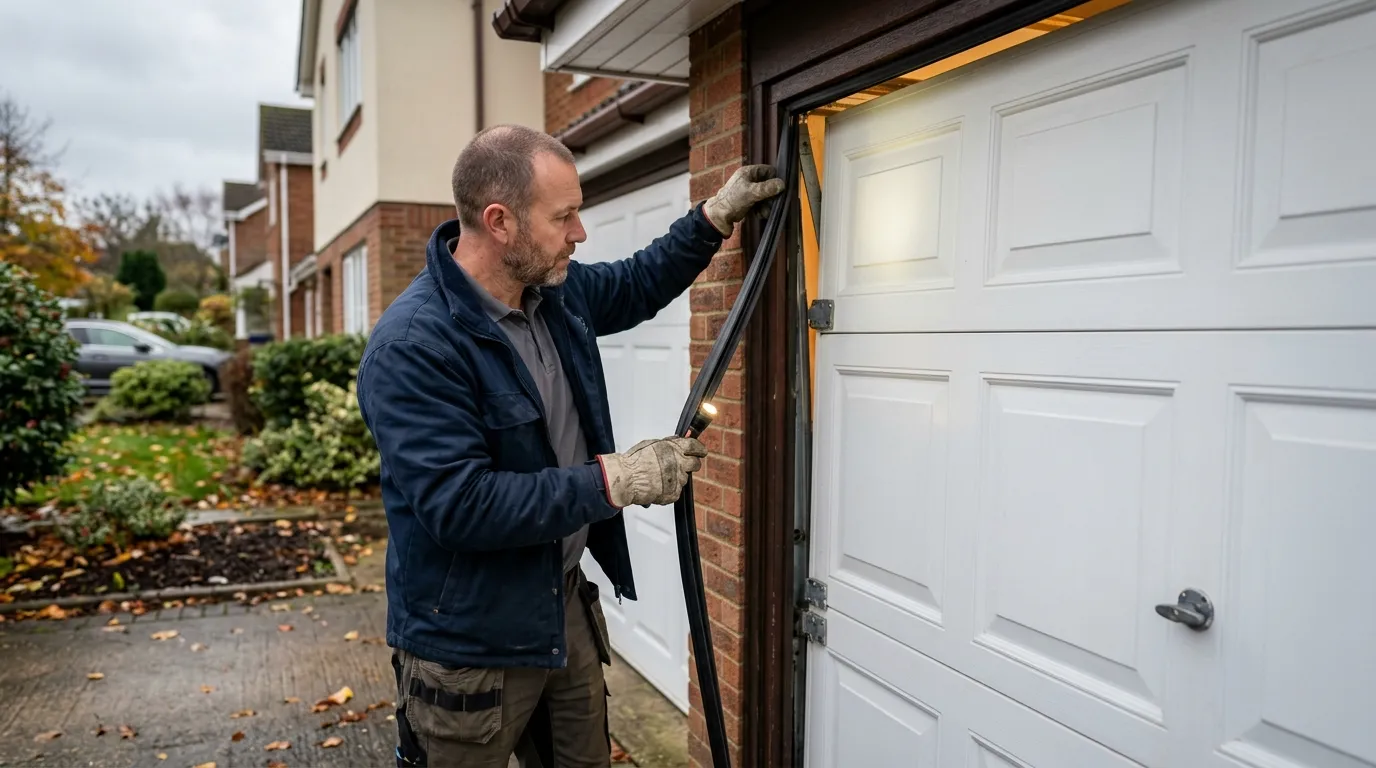
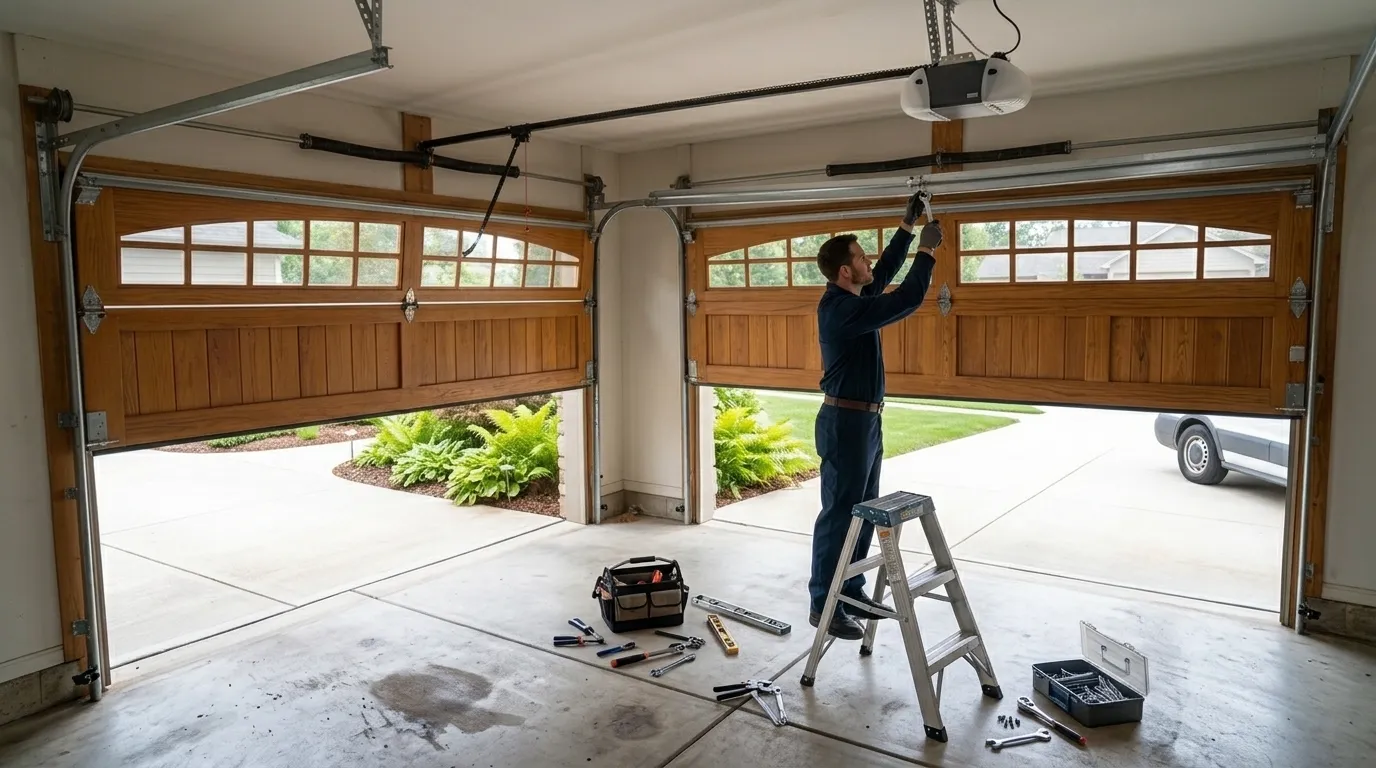
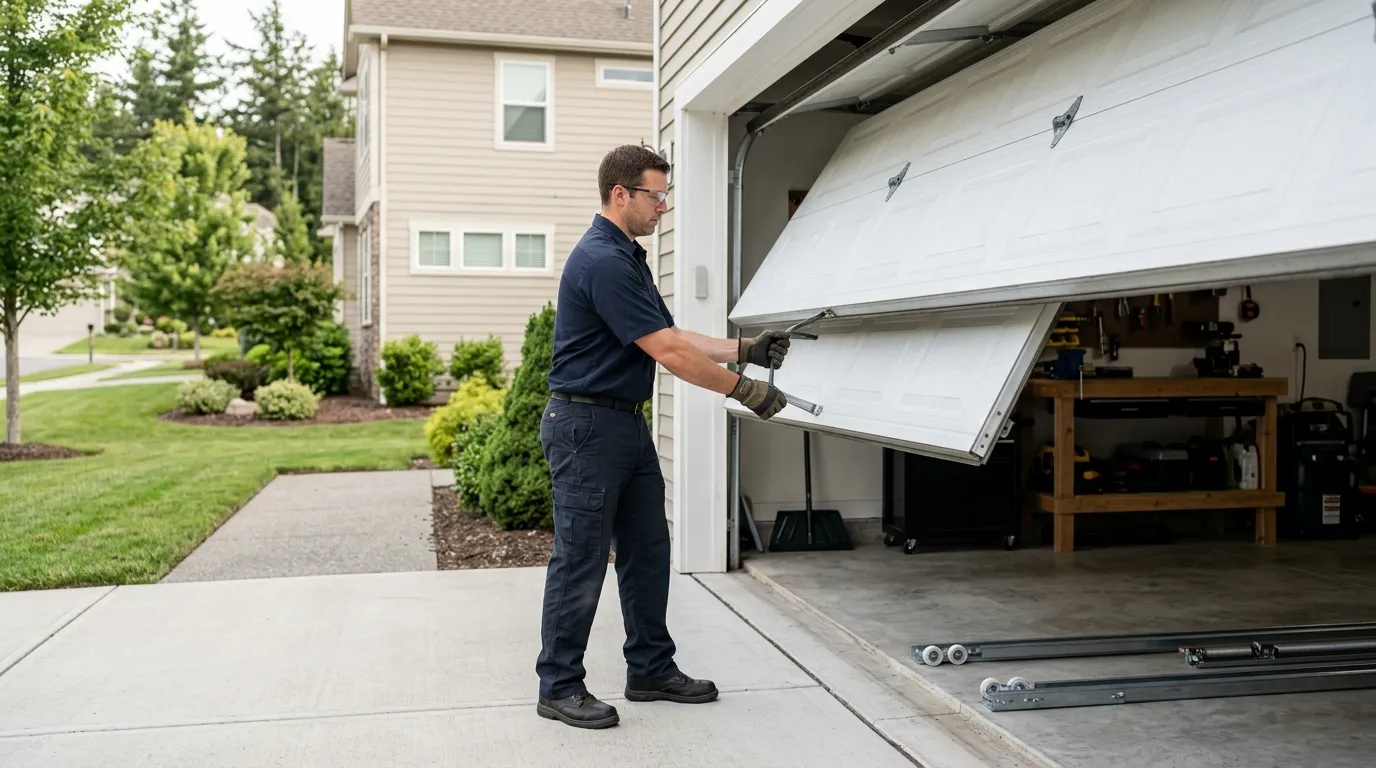
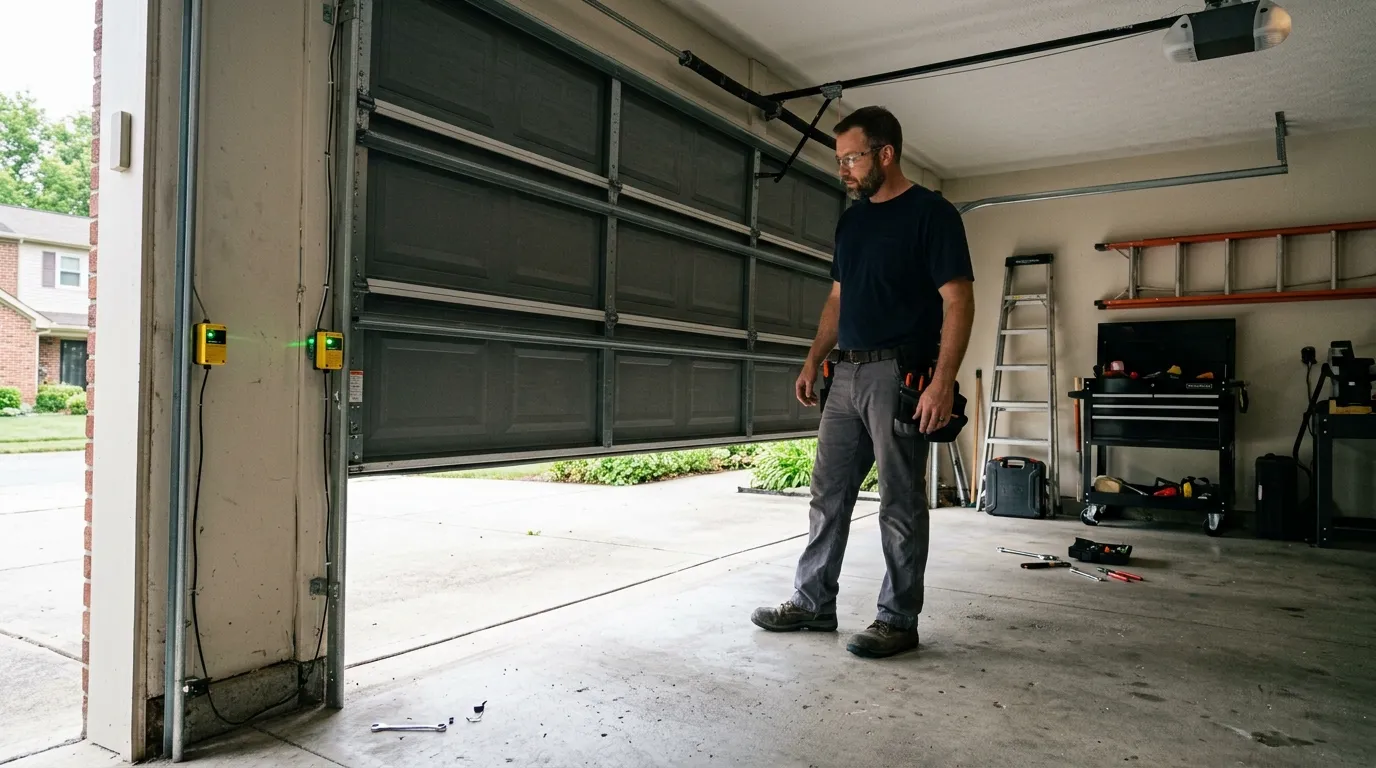
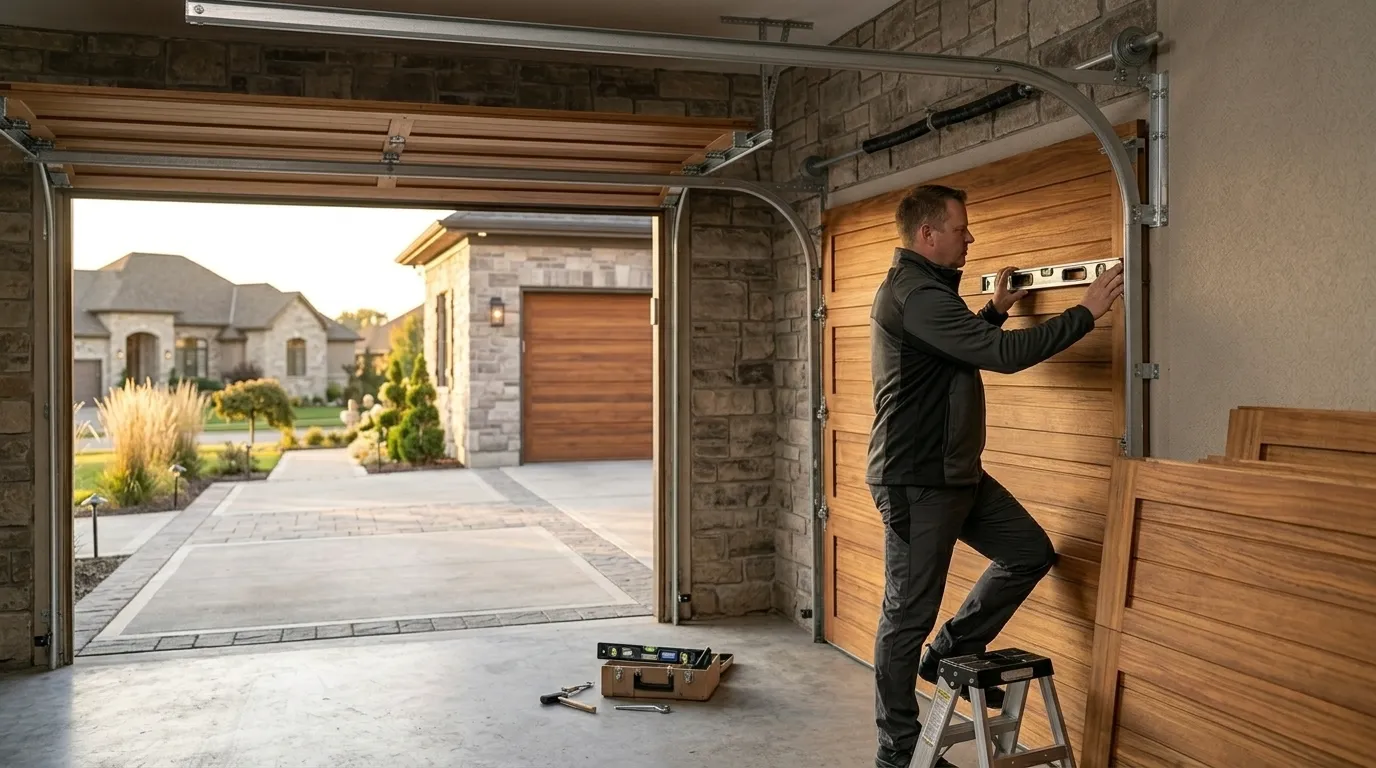
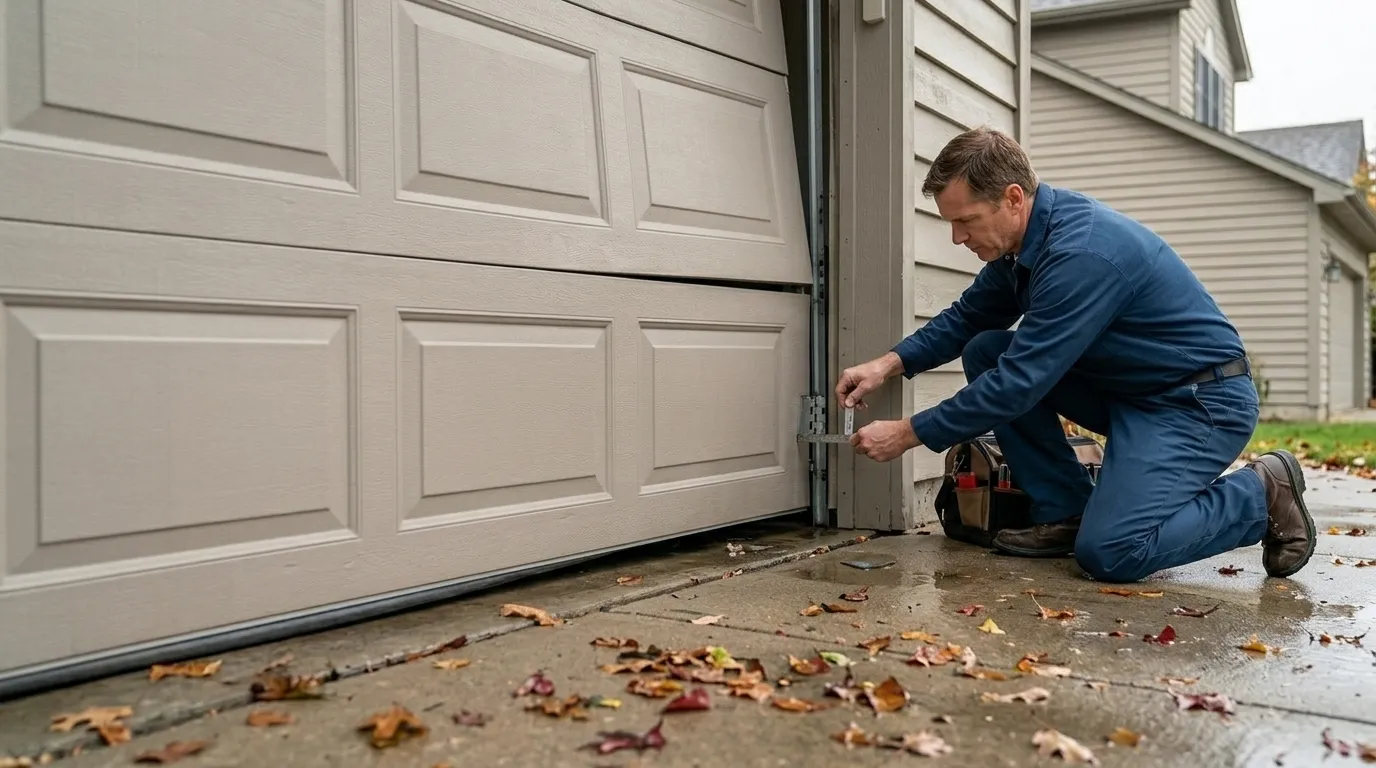
Lathrop's housing runs newer than a lot of the towns we cover - median build year here lands around 2005, which is well past the 1979 median for the wider service area. That matters more than it sounds like. A 2005-era door almost always means factory-installed extension or torsion springs sized correctly for the panel weight, a steel roll-up section instead of an older wood or hollow-core one, and a chain or belt-drive opener with photo-eye sensors already wired in from the start - no retrofit safety brackets bolted on later. The common calls we get from this vintage of house are opener logic board failures, worn nylon rollers on tracks that have simply run their mileage, and photo-eye sensors knocked out of alignment, not the spring-drum mismatches or hand-me-down hardware we see on 1960s and 70s stock elsewhere in the area. The moderate heat band this region sits in doesn't stress these newer doors the way it does older wood-panel units, so panel warping is rarer here than the age of the neighborhood might suggest.