Why This Fails Locally
Byron has 535 households, a fraction of the 31,889 across the full service area. That matters for parts, not just population - a small, spread-out market like this one didn't get the same volume of bulk hardware that a big tract development gets when a builder orders five hundred identical doors at once. The doors here are more likely to be whatever the original installer had on the truck in 1978, which means torsion bar diameters and stationary cone styles vary more house to house than they would in a newer subdivision.
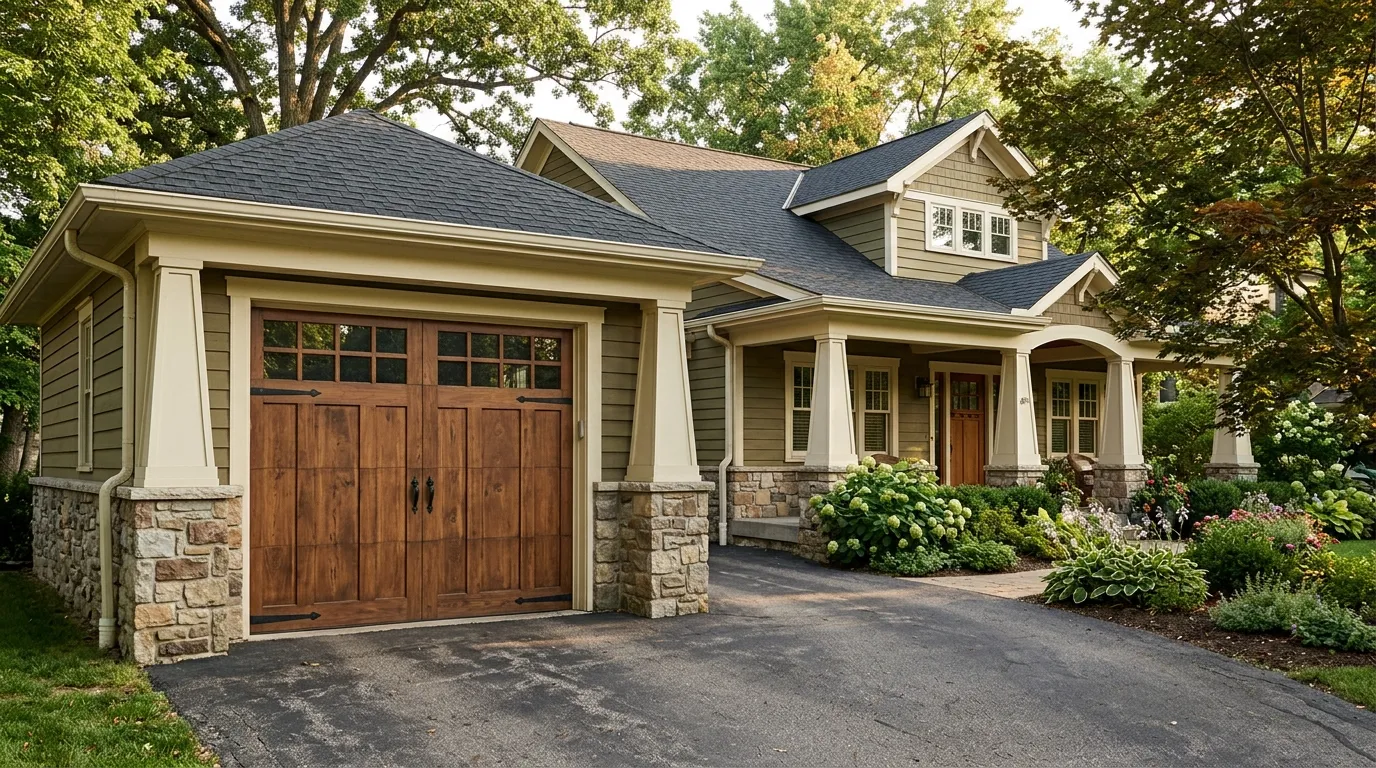
Byron's median household income runs $92,813, lower than the $106,064 median across the wider service area. That doesn't cause spring failure, but it does show up in which doors got upgraded and which didn't - heavier original steel panels are still common here instead of the lighter insulated doors that became standard once prices dropped in the 2000s. A heavier door works the spring and the opener harder over the same number of cycles, so failures show up sooner relative to age than they would on a lighter replacement door.
Stocked Parts
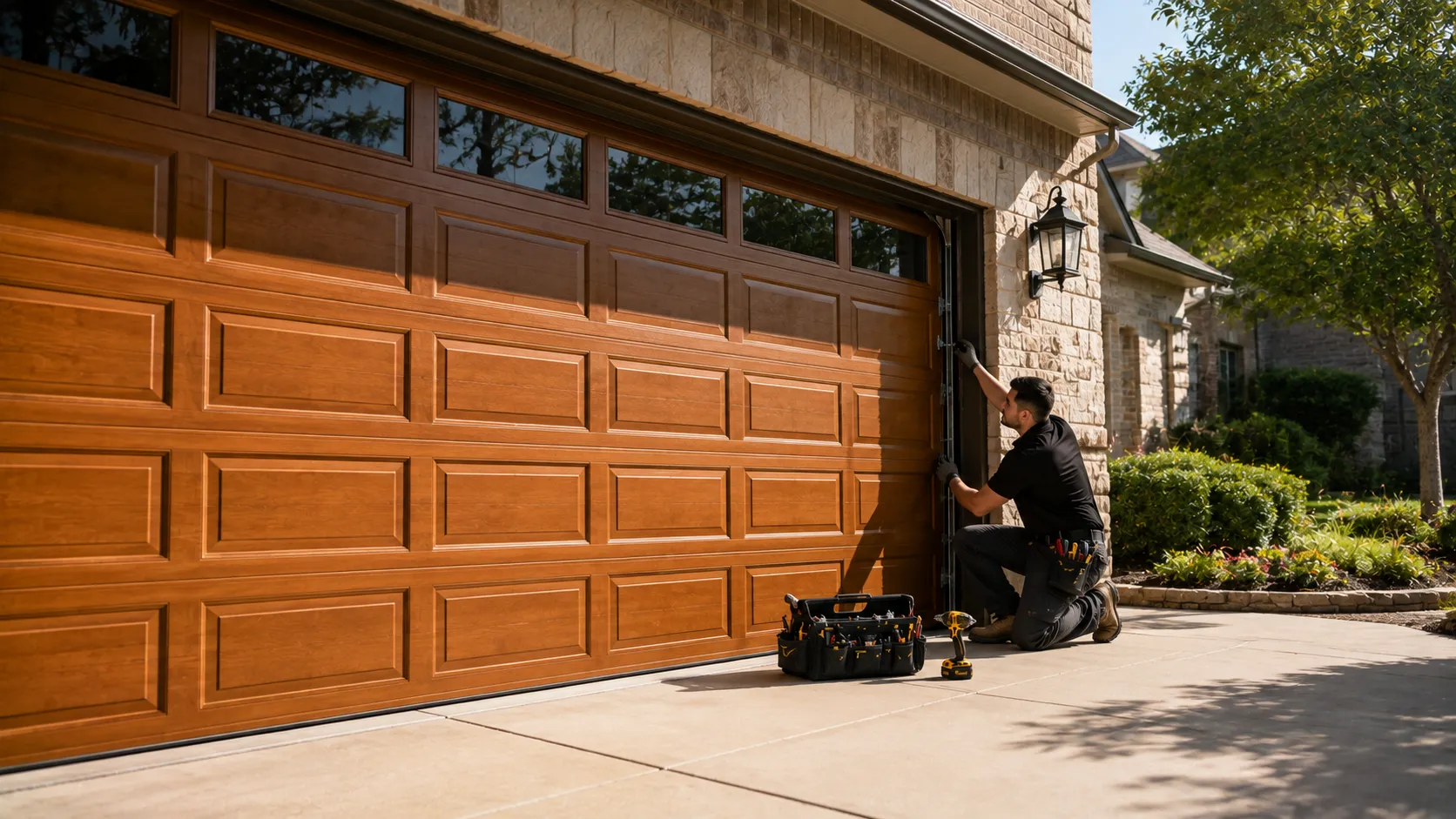
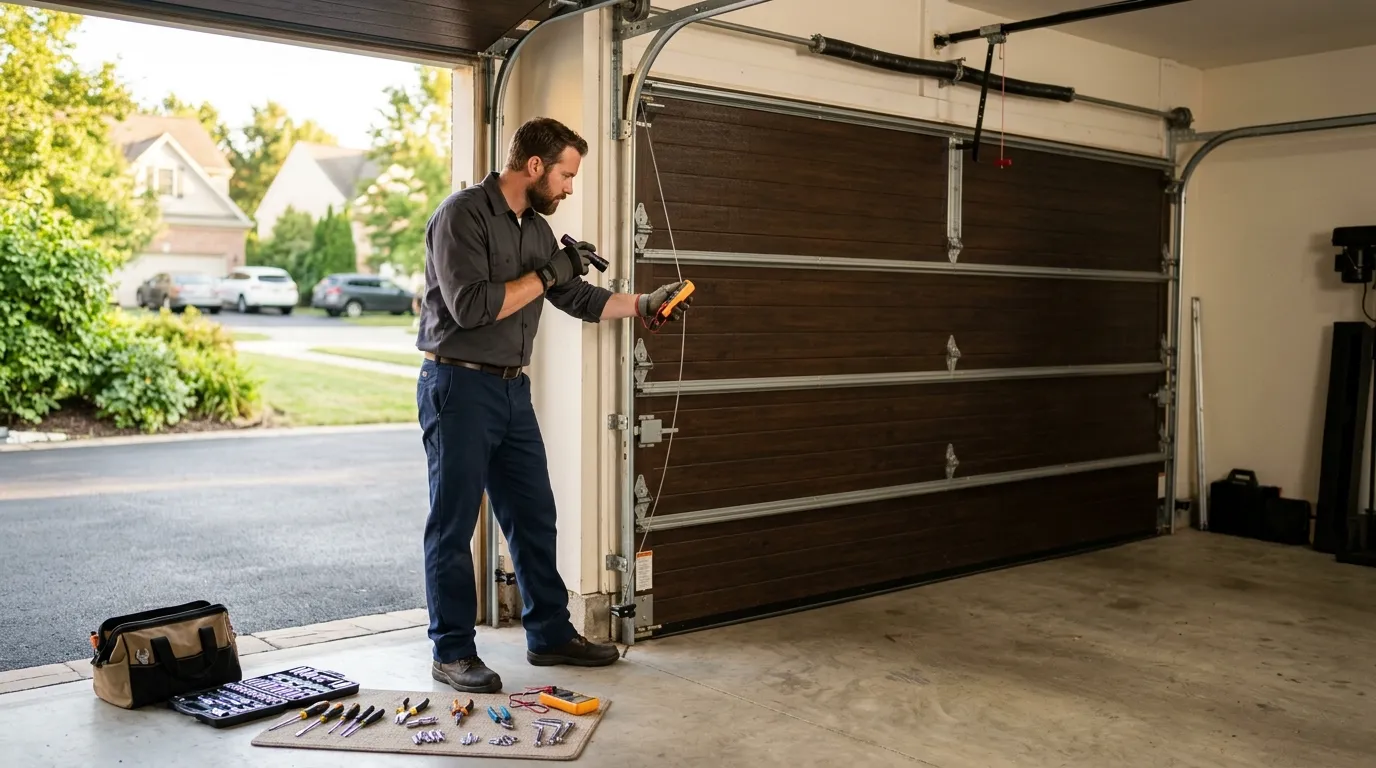
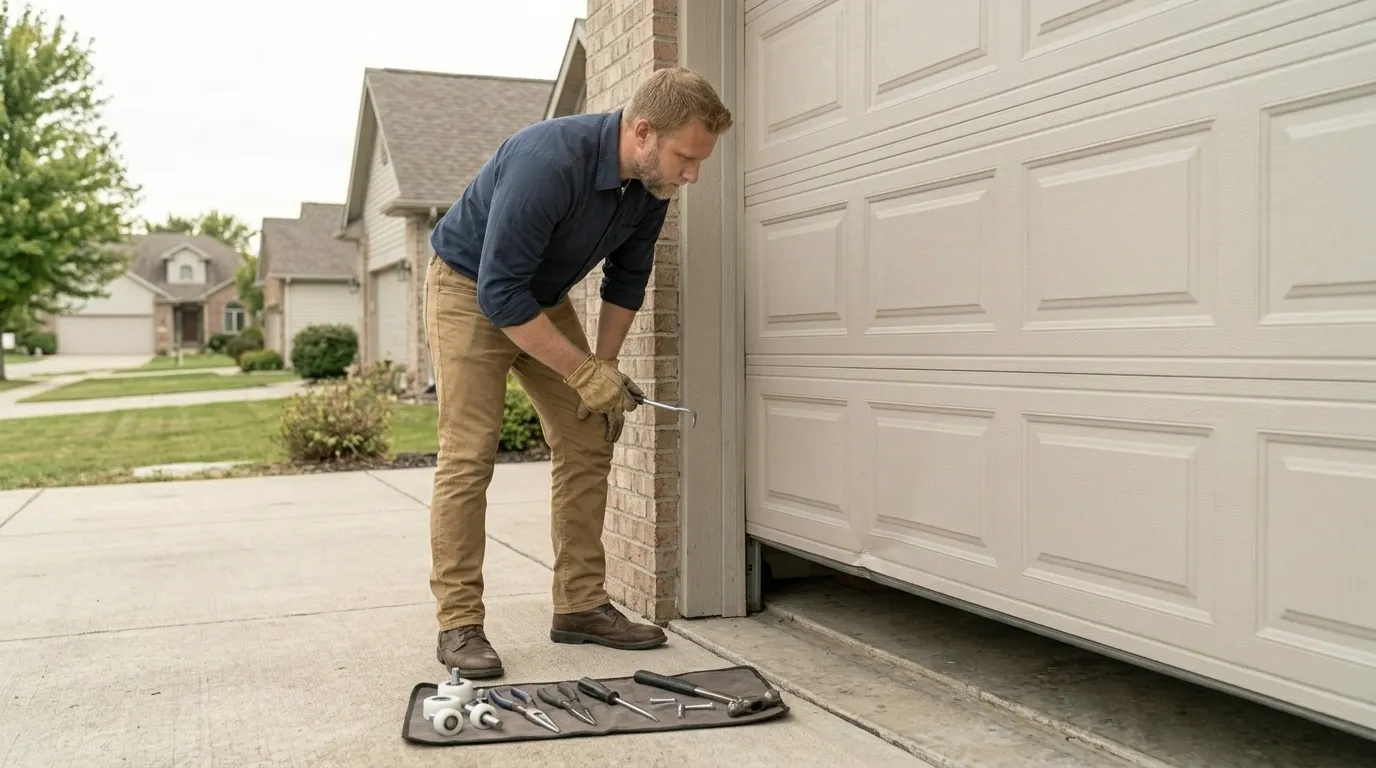
For doors from this era, the truck carries standard torsion springs sized for common residential door weights, extension springs with safety cables, nylon and steel rollers, lift cables, and drums in the sizes that show up most often on 1970s and 80s doors. Openers and their gear kits are stocked too, since a chain-drive unit installed in the 80s or 90s on one of these doors is usually the next thing to fail after the spring.
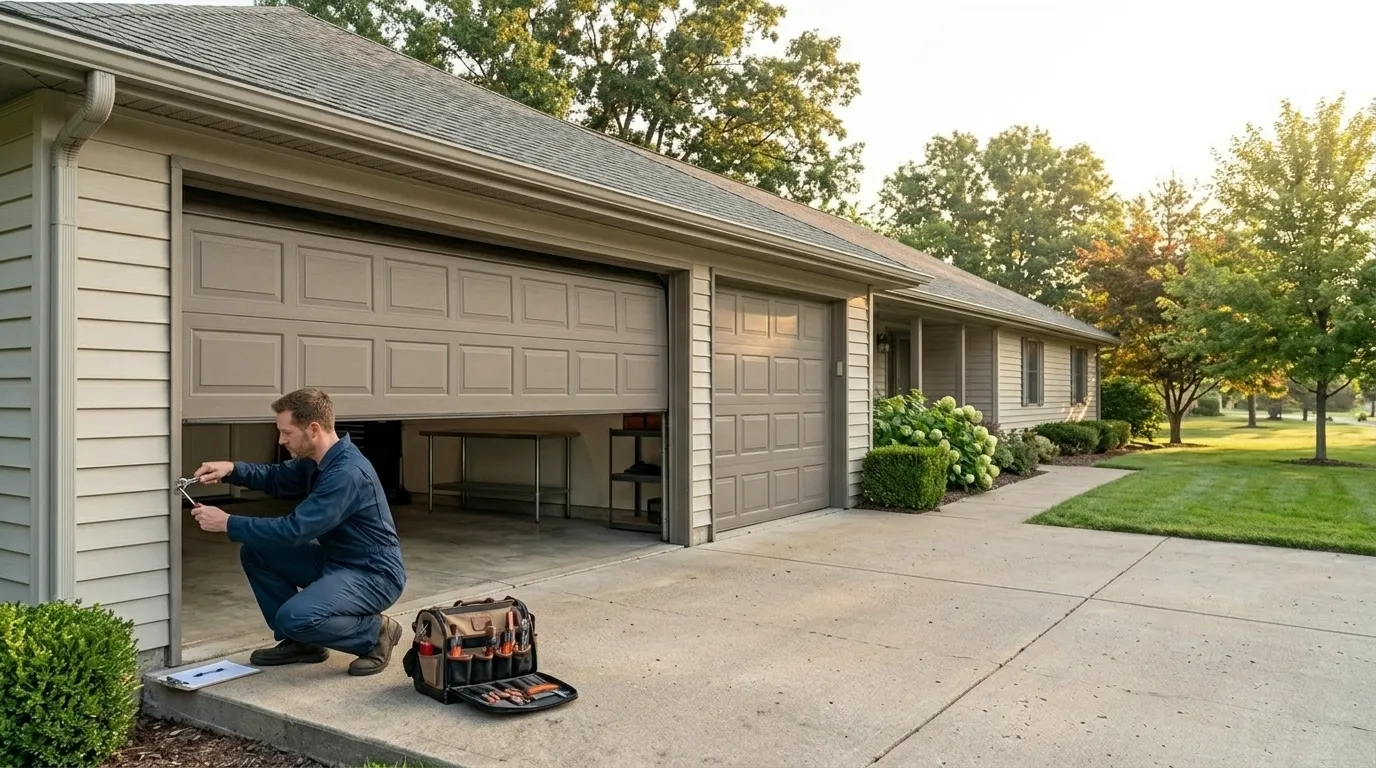
Here's the honest limit: some torsion bar diameters and less common cone styles from this period aren't something we carry on the truck for every visit, especially on a door that was hand-fit rather than a standard builder-grade unit. If that's what's on your garage, the first visit is a diagnosis and a measurement, and the part gets ordered rather than swapped same-day. It's worth knowing that going in rather than being told it on the driveway.
What the Fix Involves
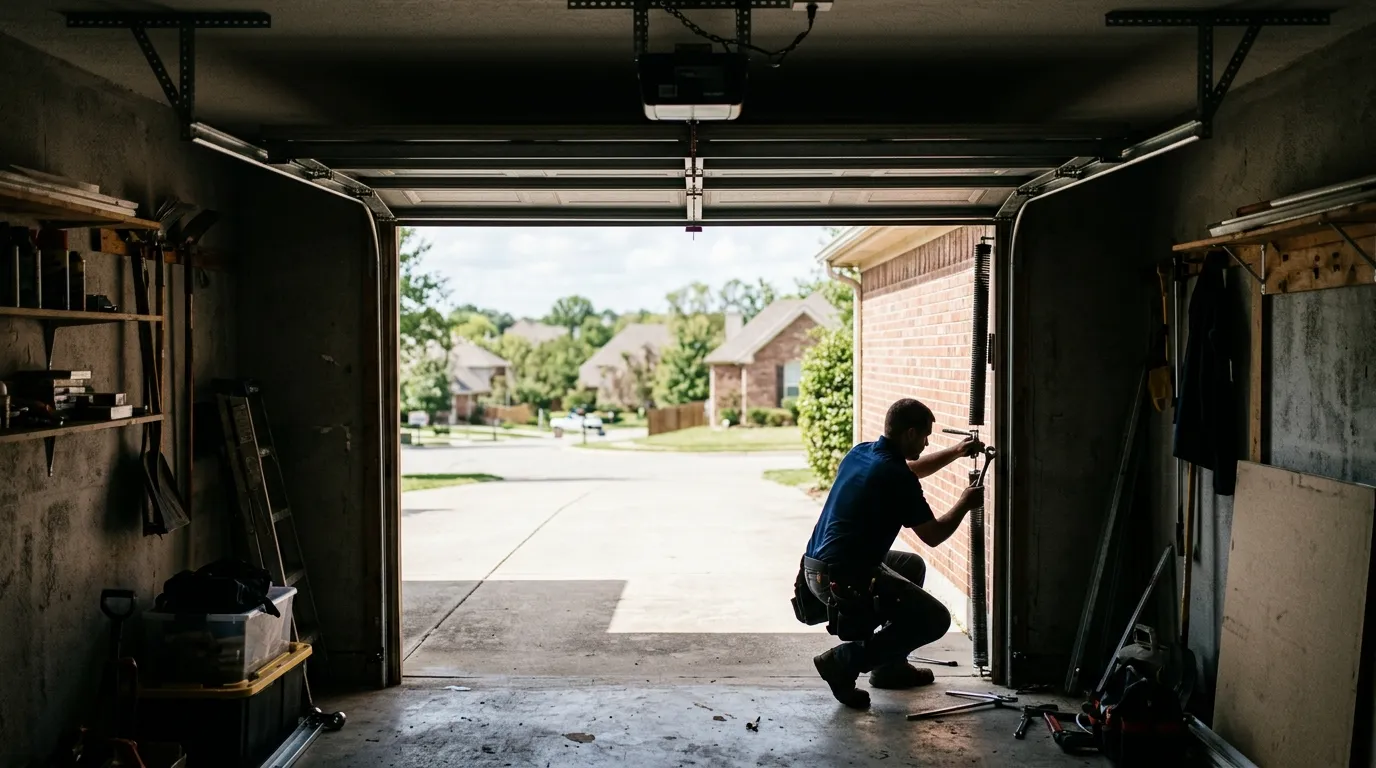
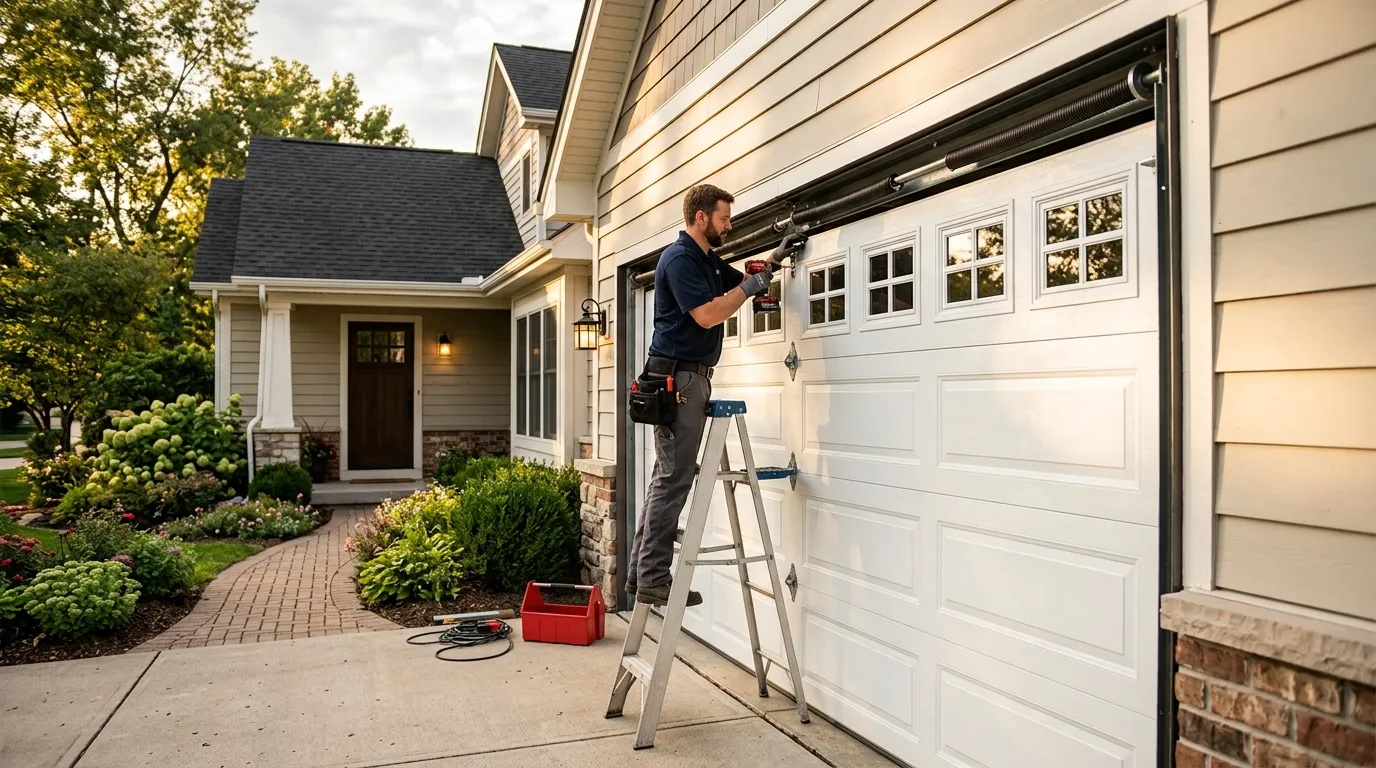
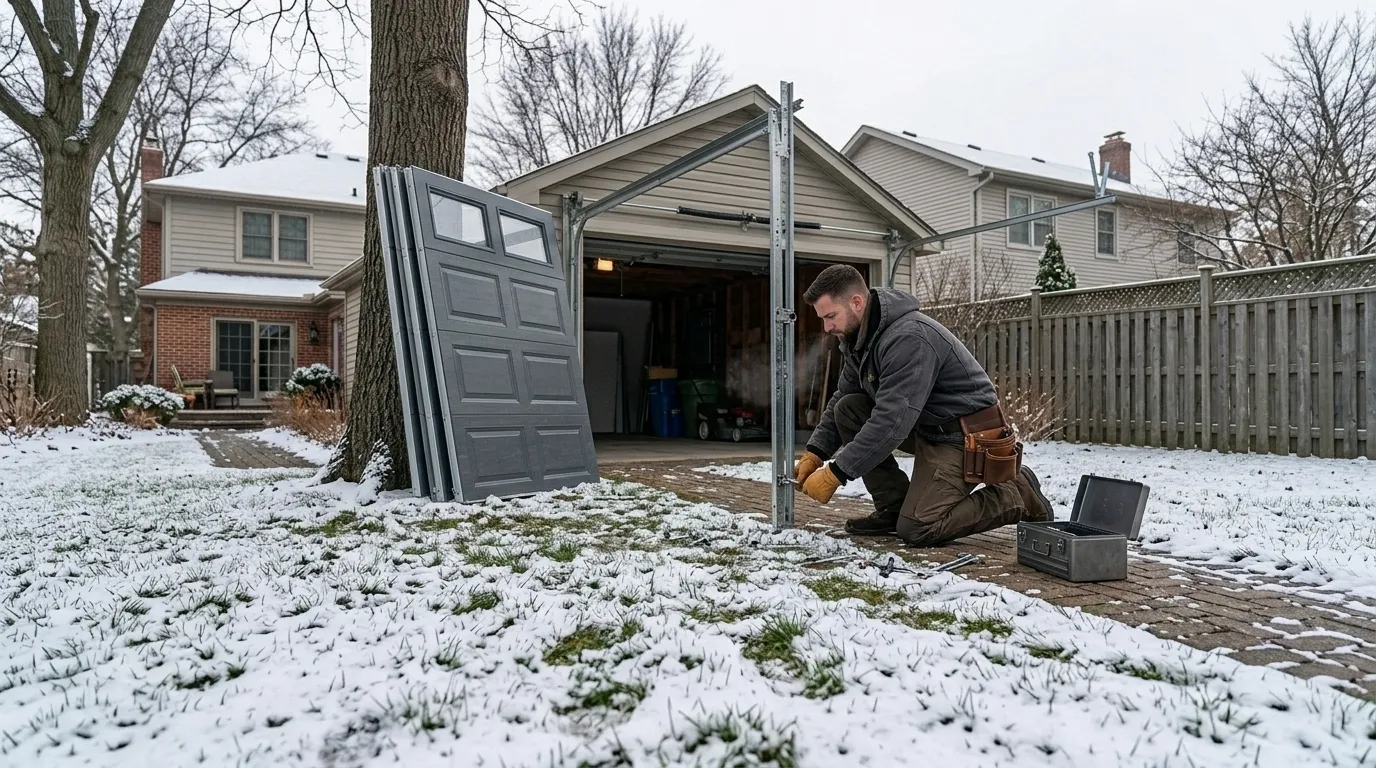
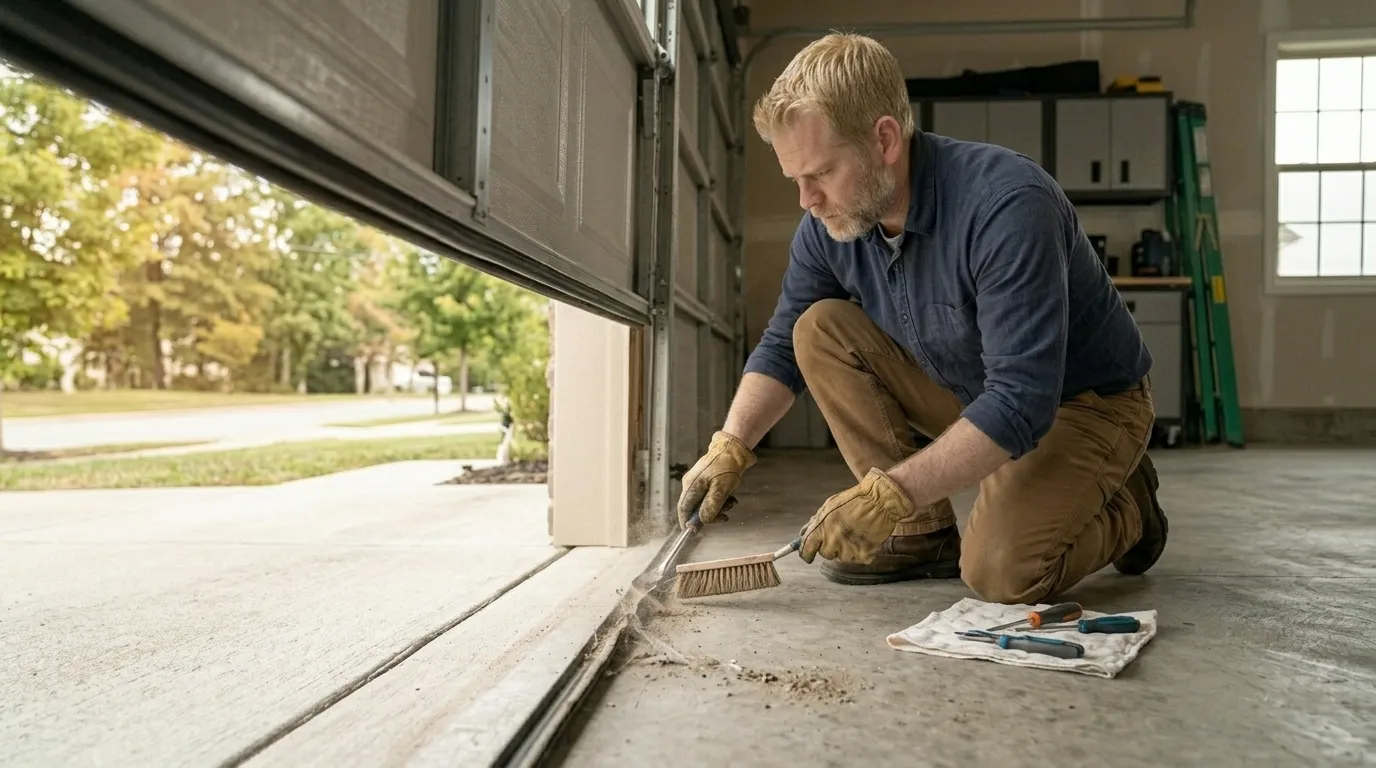
A torsion spring replacement starts with releasing tension safely, pulling the old spring off the bar, and matching wire size, coil diameter, and length to the door's actual weight - not just swapping in whatever's closest. On a 1978-era door, that often means measuring rather than assuming, since these weren't always built to a standard spec. Cables, drums, and end bearings get checked at the same time, since a spring failure often takes a cable or bearing down with it.
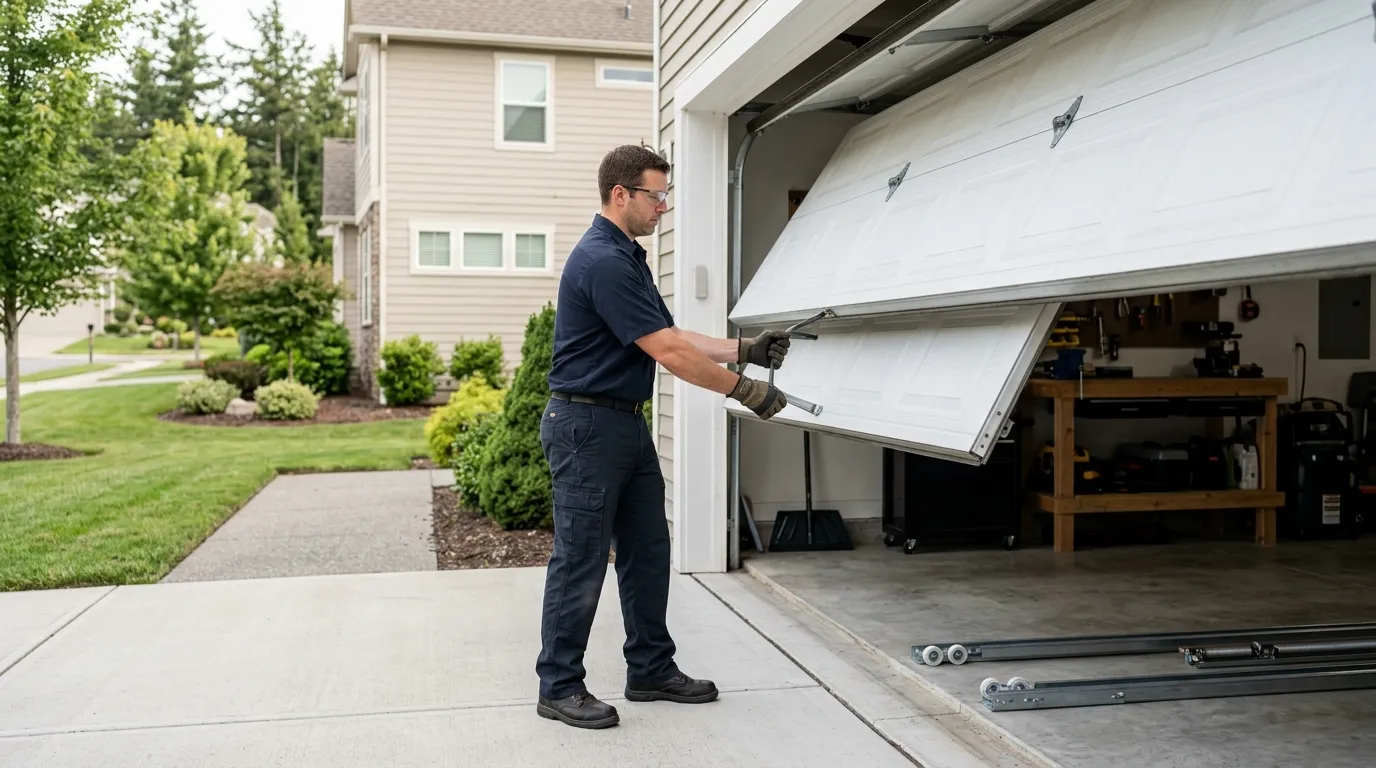
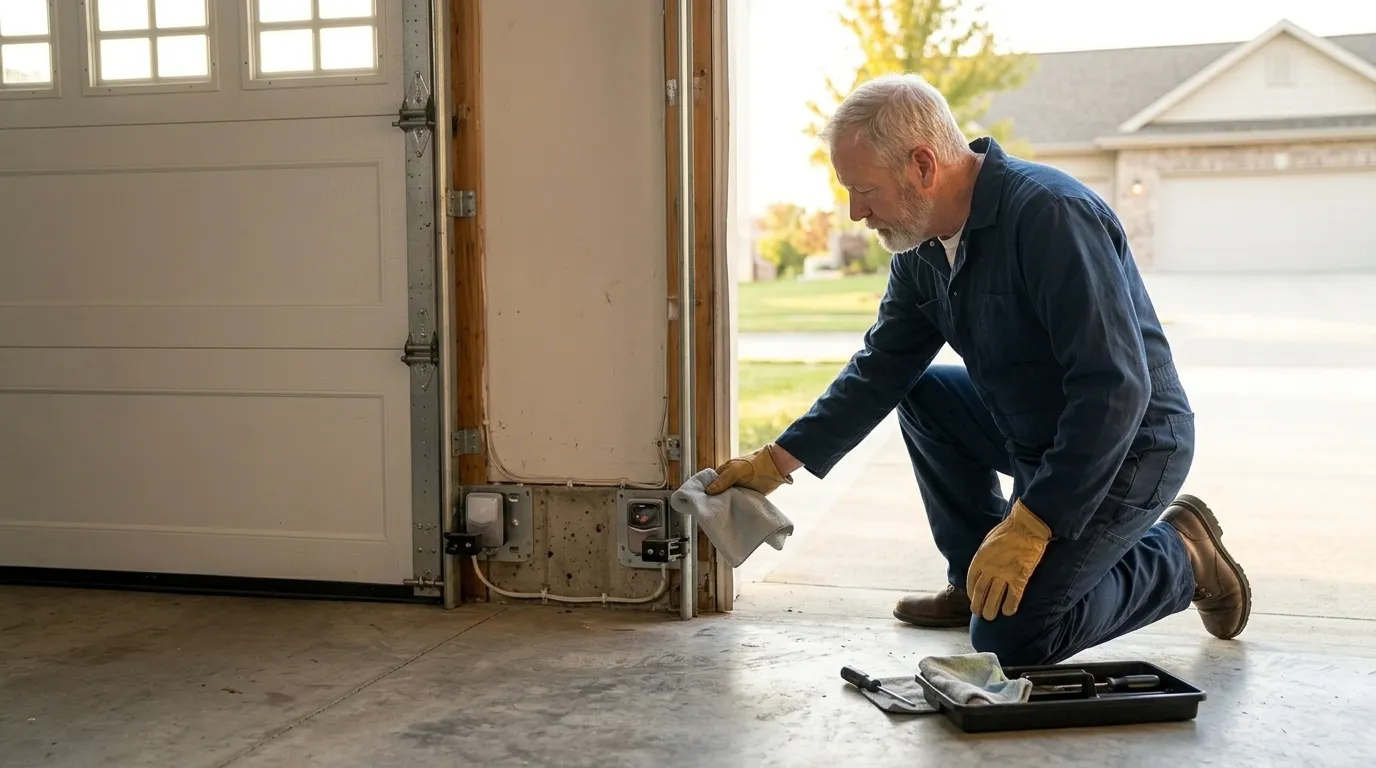
If the door is an original extension-spring setup without safety cables, part of the fix is adding those cables, not just replacing the spring - running that system without them again isn't something we'll do. For openers, a failed gear or capacitor gets replaced if the unit is otherwise sound; if the motor itself is going and parts for that specific age of unit aren't available, replacement is the honest answer instead of a repair that won't hold.