Why This Fails Locally
Byron sits in a climate band on the moderate end for heat, but moderate still means real seasonal swing, and that swing works on old lubricant and old wood the same way everywhere it happens: grease dries out, jambs and stop moulding expand and contract, and any slack in the hardware gets a little worse each cycle. On a door built in 1978, that cycle has run more times than on newer stock elsewhere in the service area, where median build year sits closer to 1979 anyway - so this isn't a Byron-versus-everywhere problem, it's an age problem that shows up wherever the housing is this old. What makes it a local issue is scale: with roughly 535 households in Byron, the number of doors from that same construction window is high relative to the town's size, so when one starts failing, it's rarely the only one on the street quietly doing the same thing. Heat doesn't cause the failure. It just runs the clock a little faster on hardware that was already thirty-plus years past its dust-free factory tolerances.
Stocked Parts
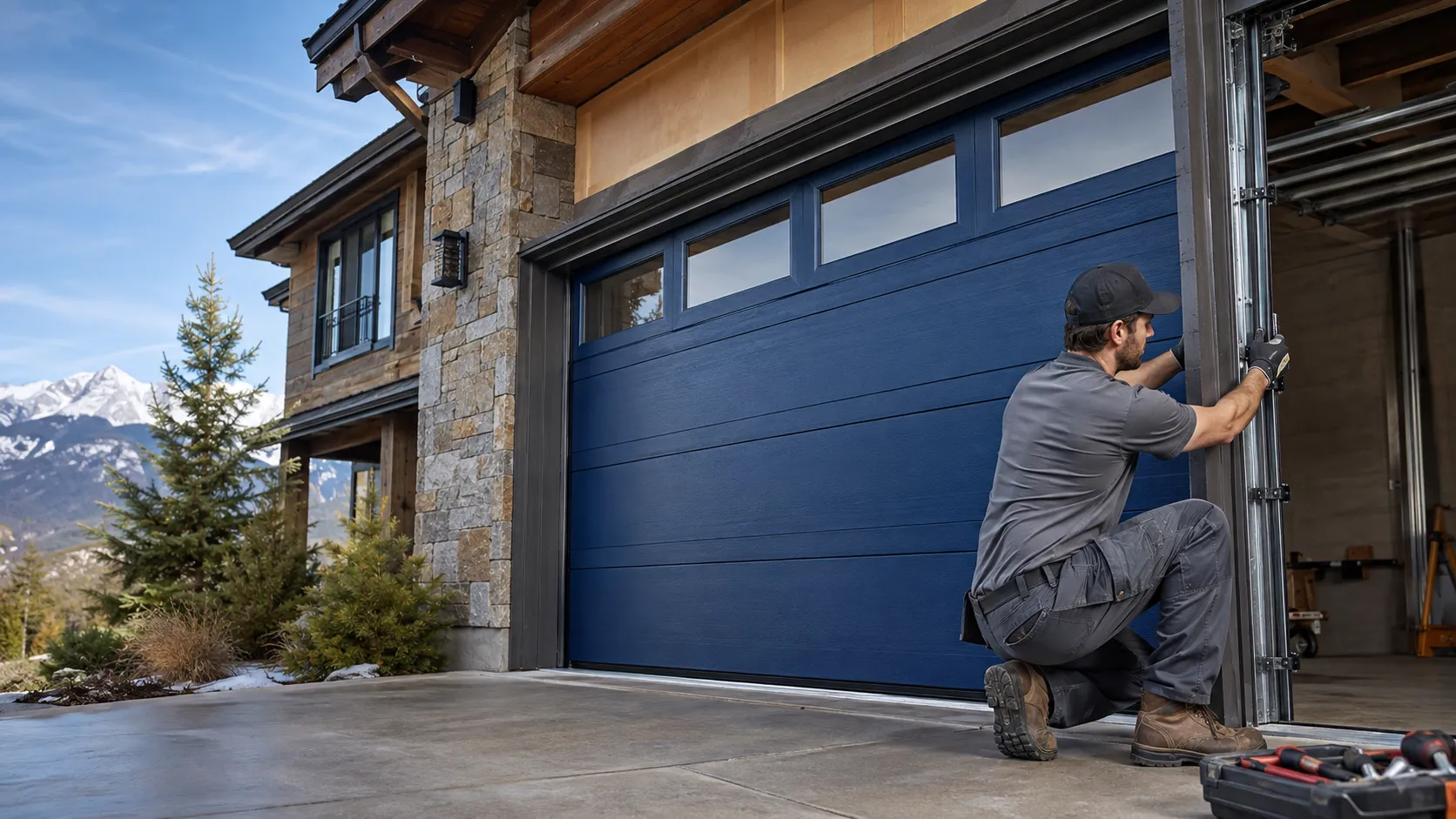
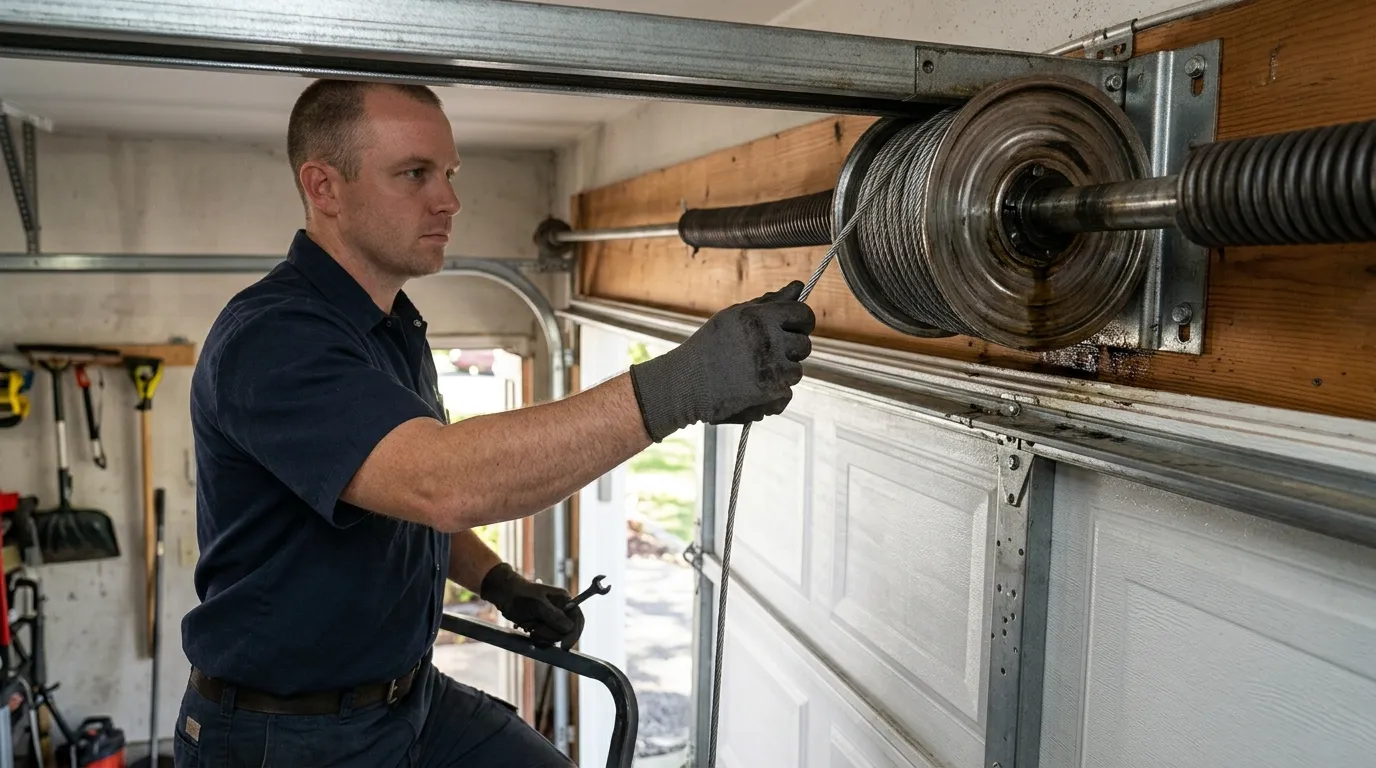
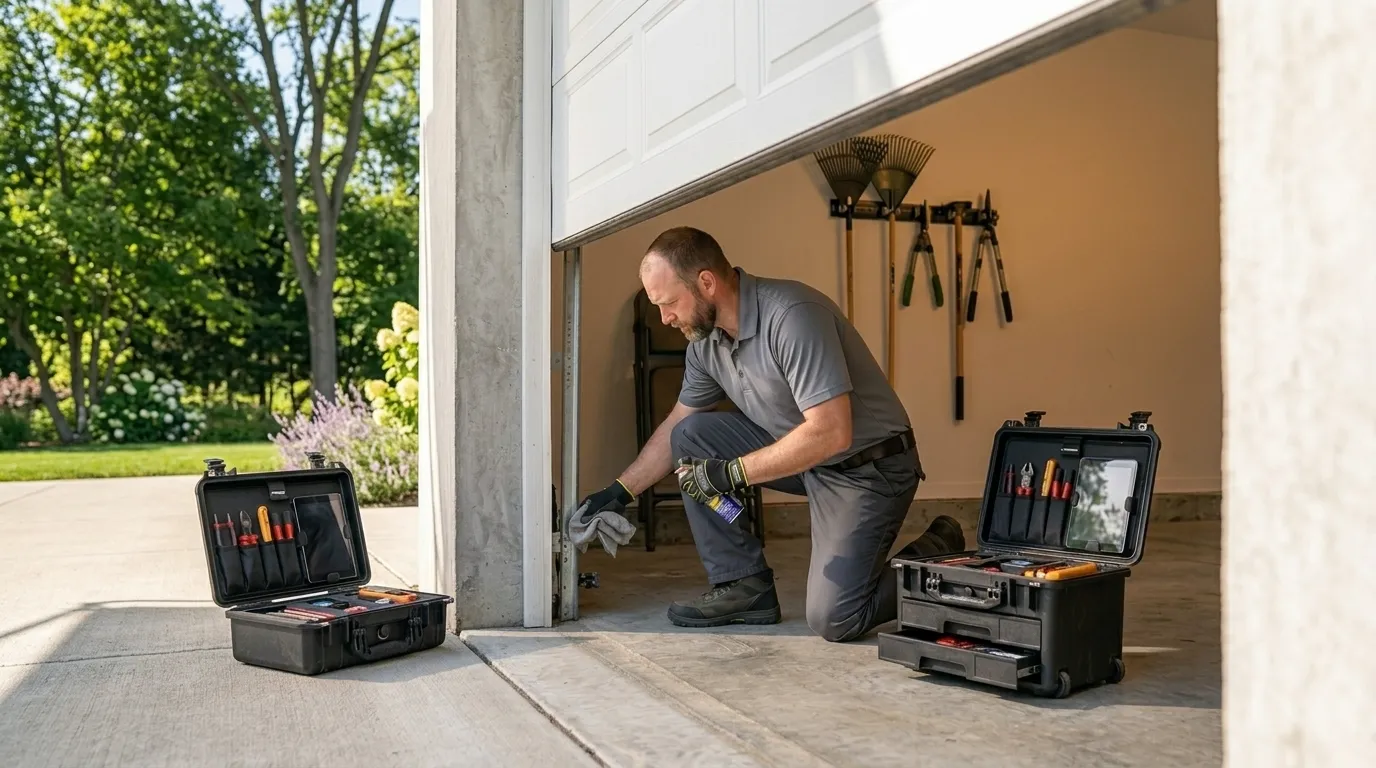
We don't keep a branch in Byron - the truck runs the 15 miles out from Tracy - so what matters is what's already on it before we knock. For a town built out mostly in the late 1970s, that means standard-lift torsion springs sized for single and double residential doors, steel rollers, end bearing plates, and the lift cables that match older drum sizes rather than the newer low-headroom hardware you'd stock for a 2000s build. We also carry general-purpose openers and drive gear kits, since a chain-drive unit installed alongside a 1978 door is often on its second or third motor by now, even if the door itself is original. What we don't carry on the truck is anything custom - odd-width doors, specialty panel styles, or openers tied to a smart-home system that needs an order placed first. On a 1978-era door, that's rarely the issue. Most Byron calls end with parts we already had.
What the Fix Involves
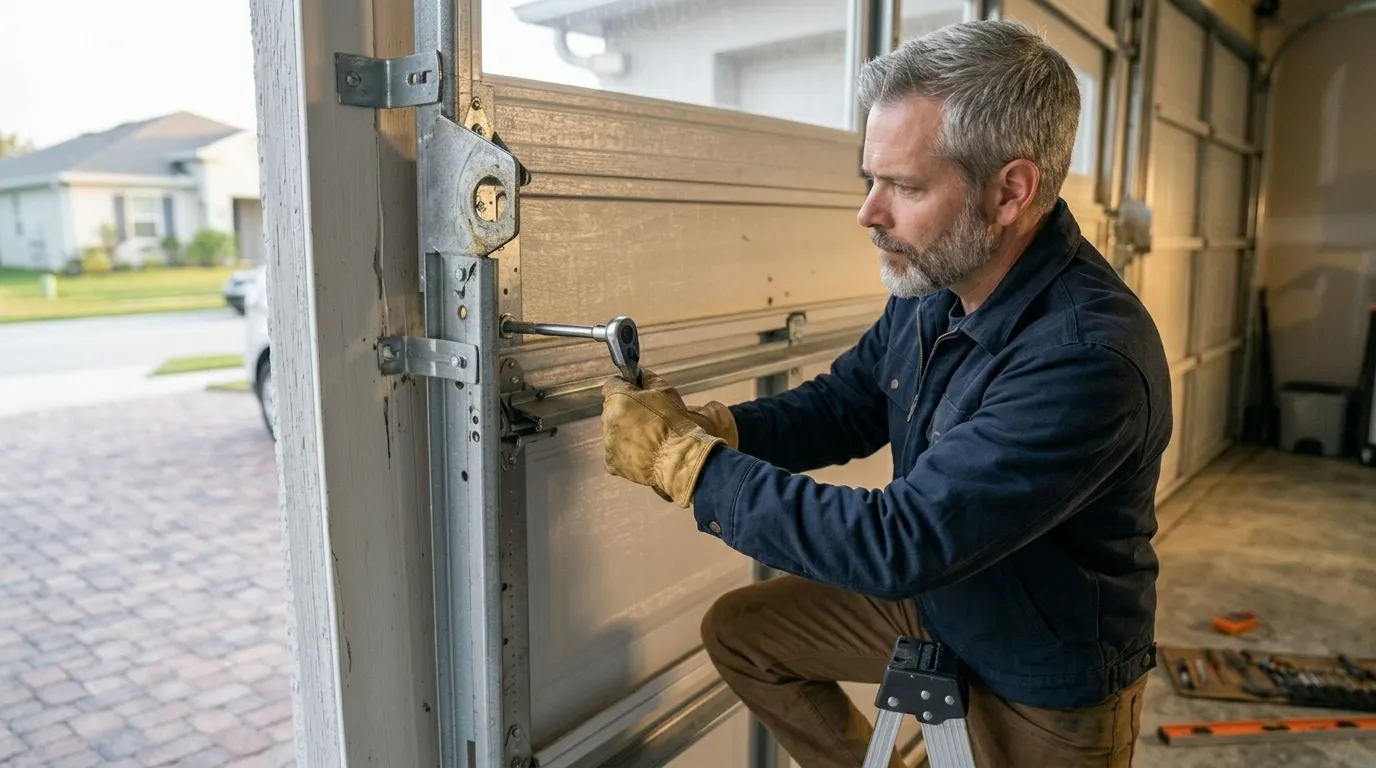
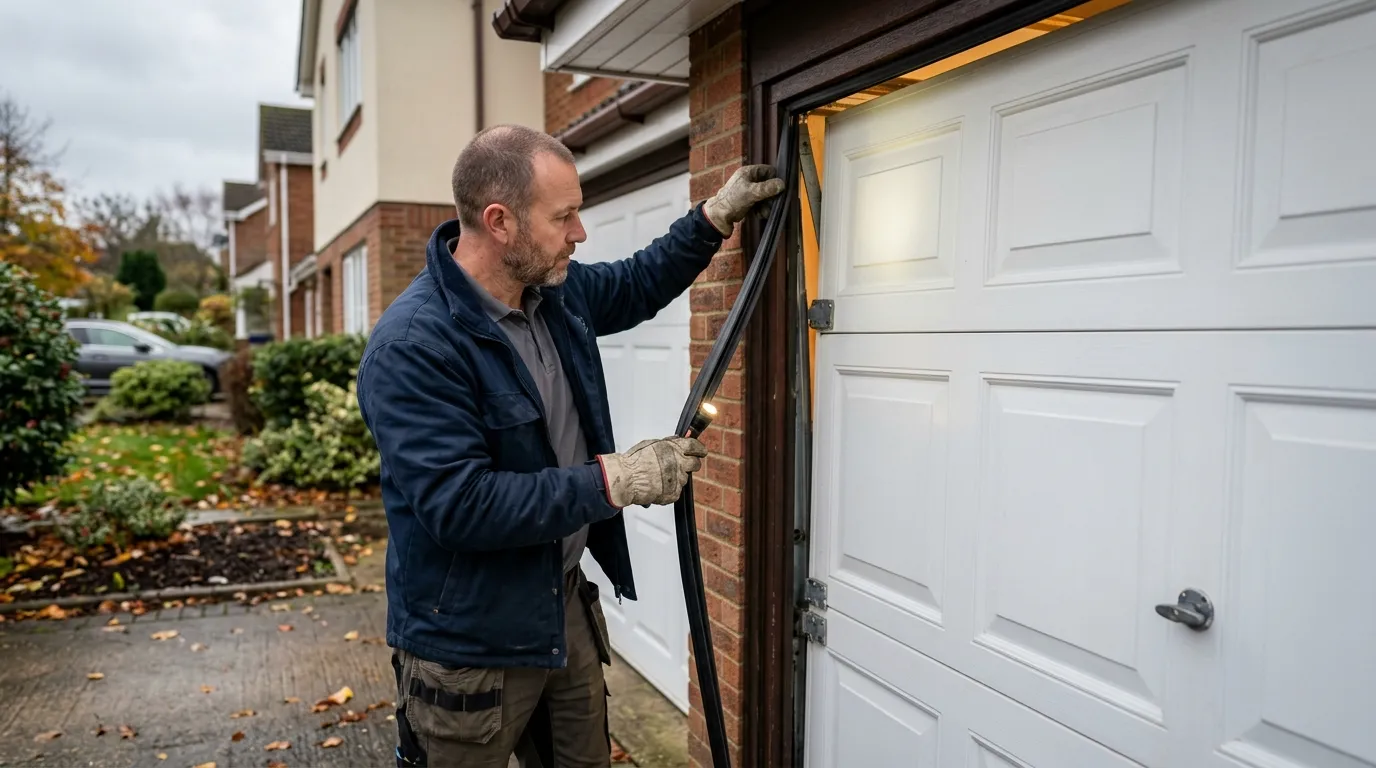
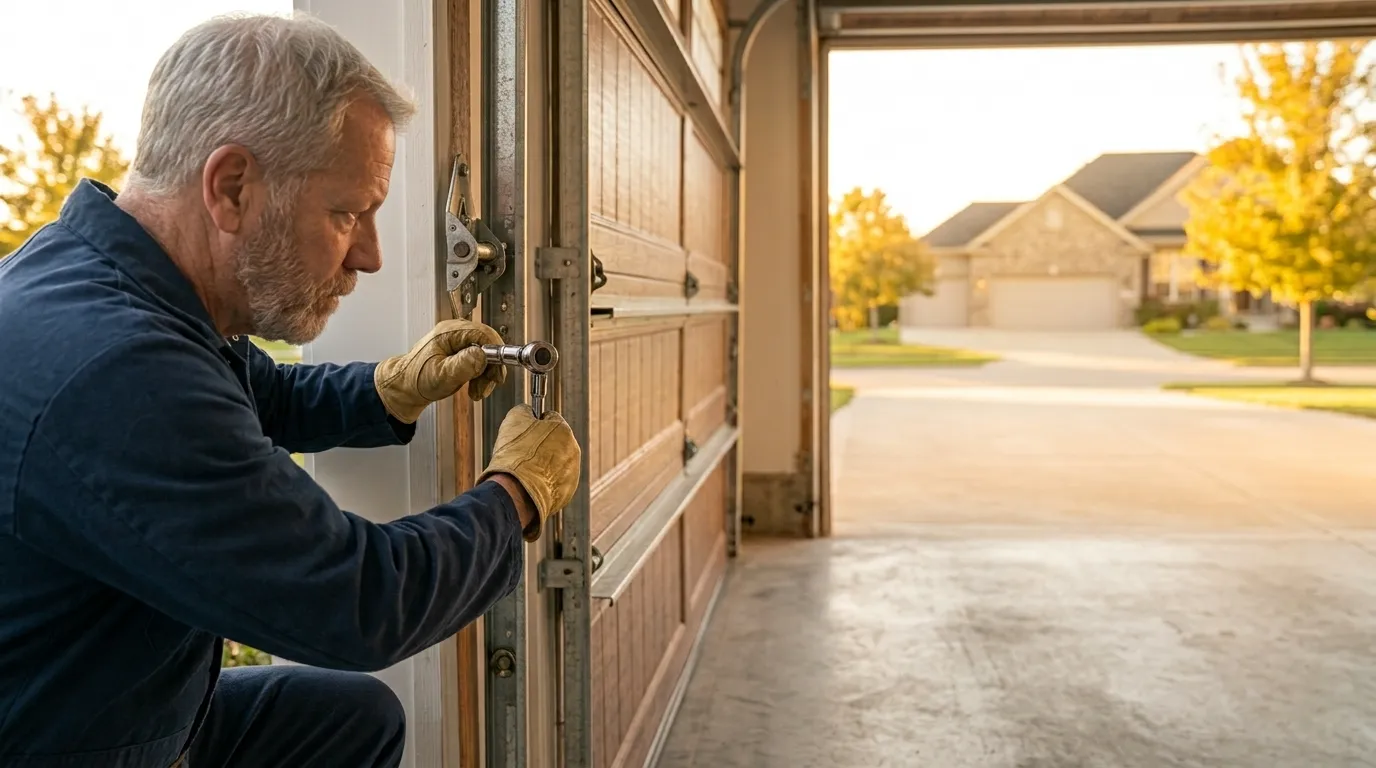
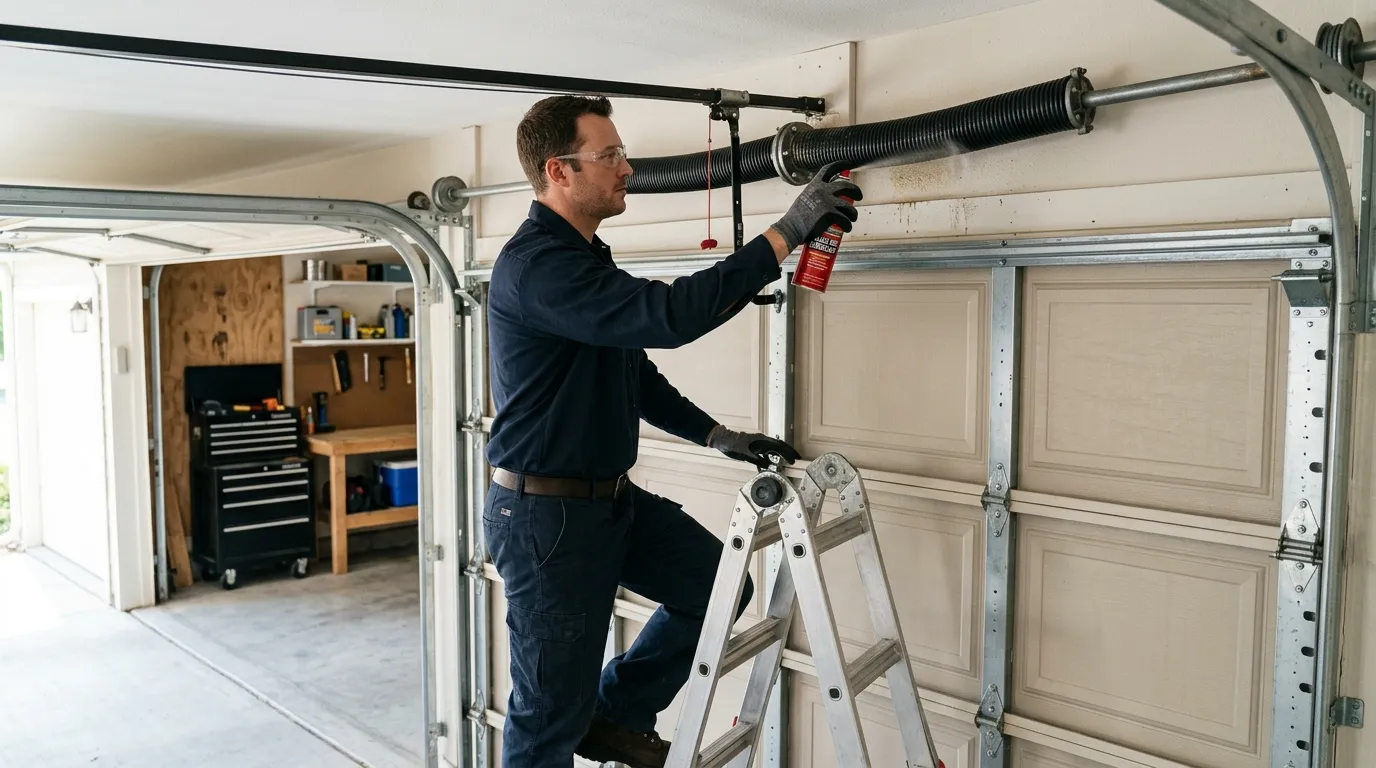
A maintenance visit on a 1978-built door starts with a full hardware check rather than a repair: spring tension, cable wear, roller condition, and how square the door sits in the track. Given the age of most Byron stock, we're often finding the first real wear on original springs - not failed yet, but showing the kind of fatigue that means the next hot stretch or the next few hundred cycles could take it out. Where that's the case, we replace the spring set and rebalance the door on the spot rather than waiting for it to snap on its own schedule. Rollers get swapped if they're worn oval instead of round, since that's what causes the binding owners describe as the door