Why This Fails Locally
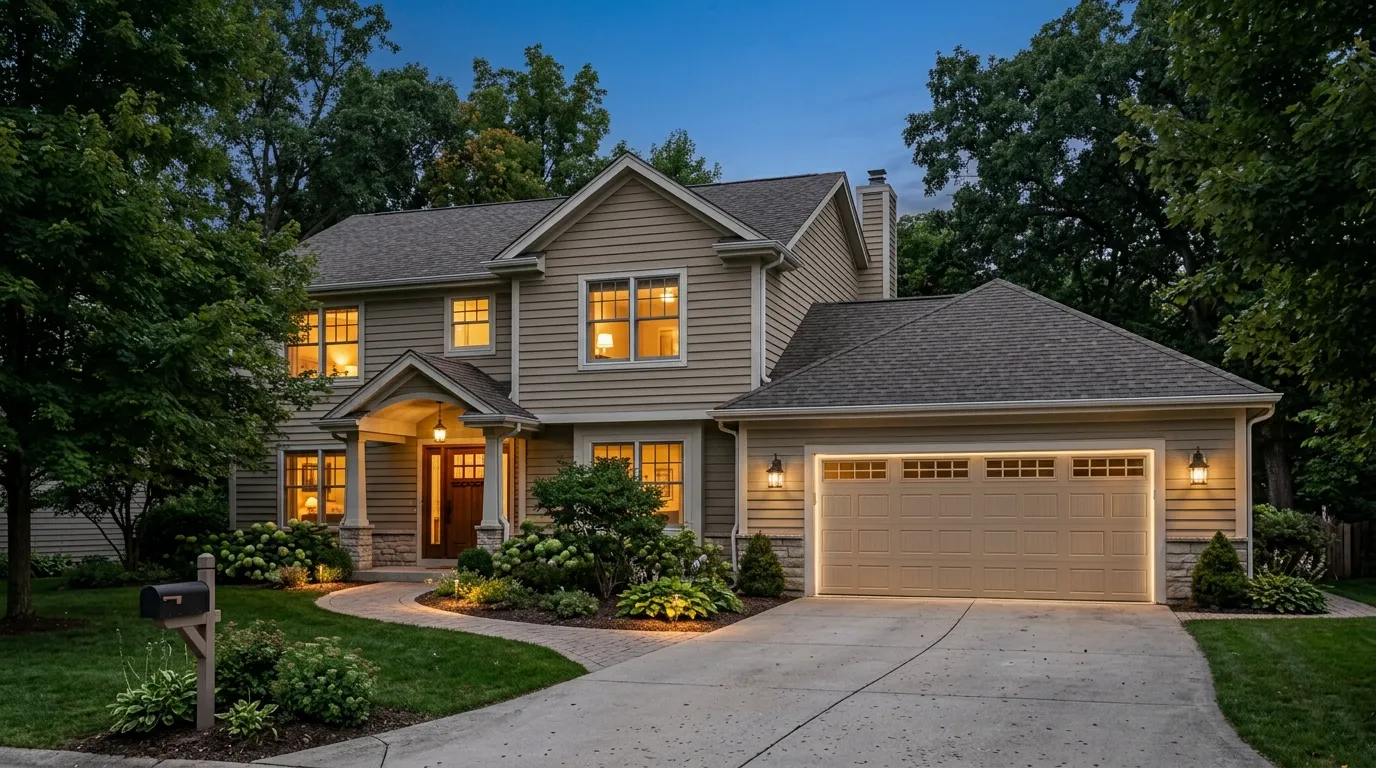
Byron's housing stock centers on 1978, which puts most doors squarely in the era of single-layer roll-formed steel sections, non-insulated, with hinges spaced to a panel height that isn't always what's sold off the shelf today. The service area as a whole runs 1956 to 2010 with a median around 1979, so Byron sits right at that midpoint rather than the newer end. That matters because panel height, section count, and hinge spacing all shifted over the decades, and a mismatch means the new panel won't seat right against the old ones even if it's the same width.
The climate here is on the moderate end of the heat band, so panels aren't failing from extreme thermal cycling the way they might somewhere with harsher swings. What you're dealing with instead is straight material fatigue: forty-plus years of steel that's thinner than what's made now, and paint that's chalked and lost its flex. When one panel goes, the others near it aren't far behind, which is worth knowing before you commit to a single-panel patch.
Stocked Parts
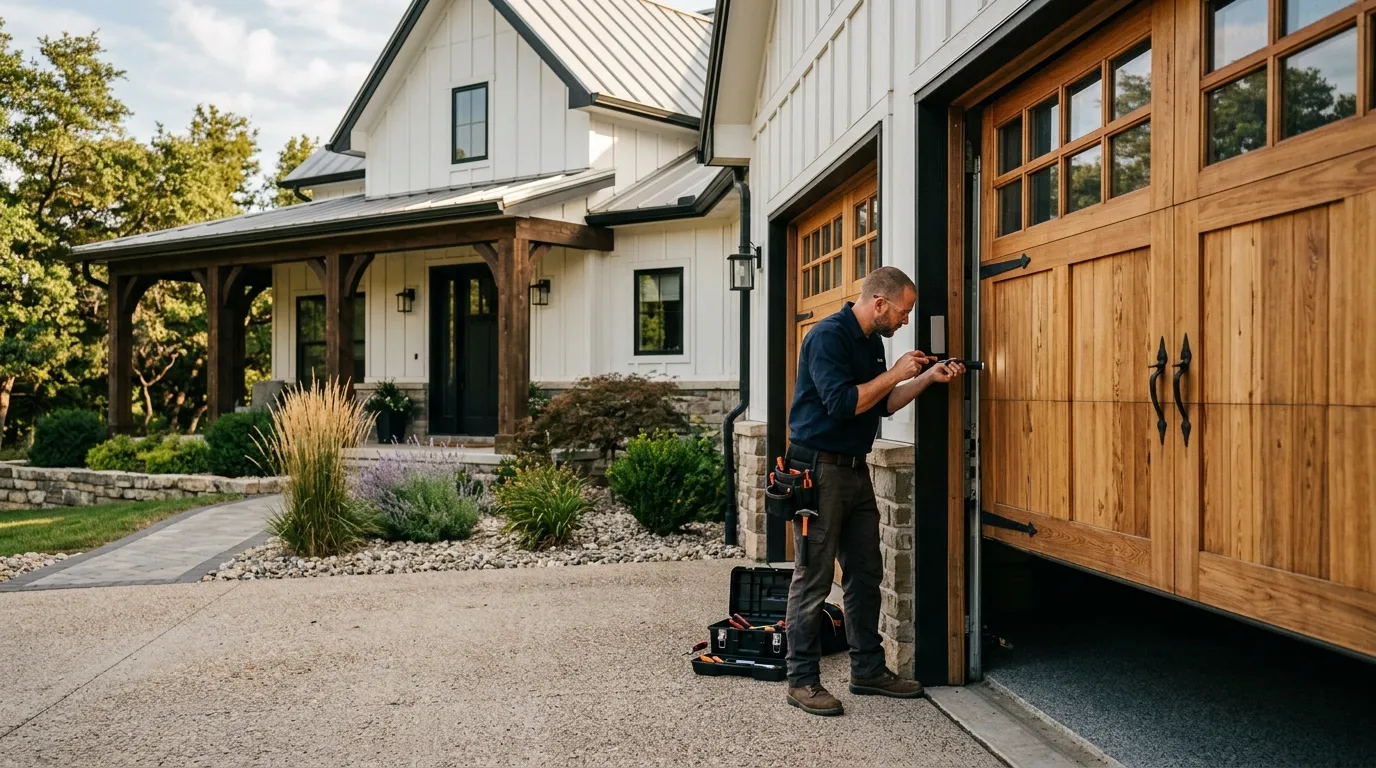
We carry panel sections and hardware sized to match the door heights and section counts common across the 1960s-70s stock that makes up most of this service area, which covers the range Byron's 1978 median falls into. That means we can usually match an existing steel sectional door without ordering a custom run and waiting on a factory.
Where it gets harder is discontinued colors and embossing patterns from that era. If your door has a wood-grain texture stamp or a color that hasn't been made in twenty years, the new panel will be the same size and gauge but it may not be an exact color match until it's painted. We're upfront about that before we quote the job, not after.
What the Fix Involves
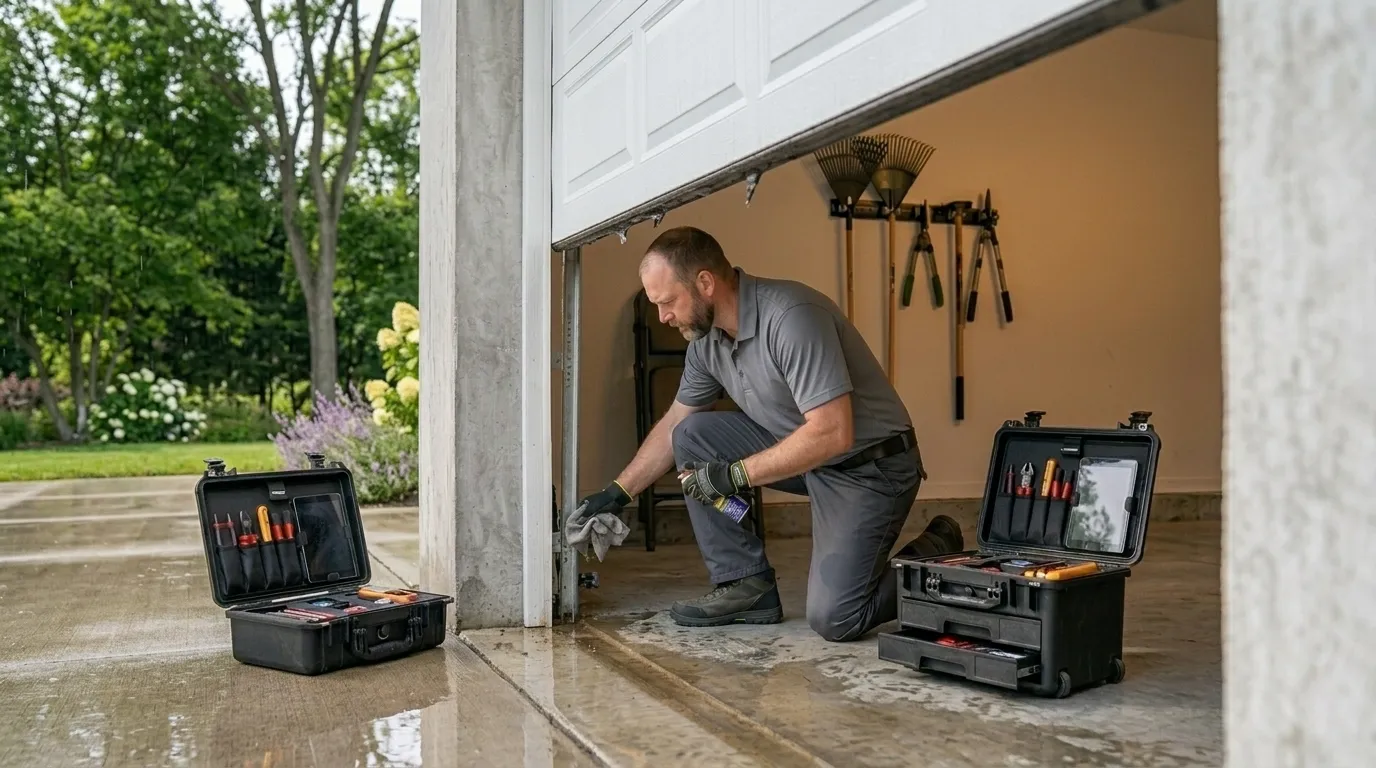
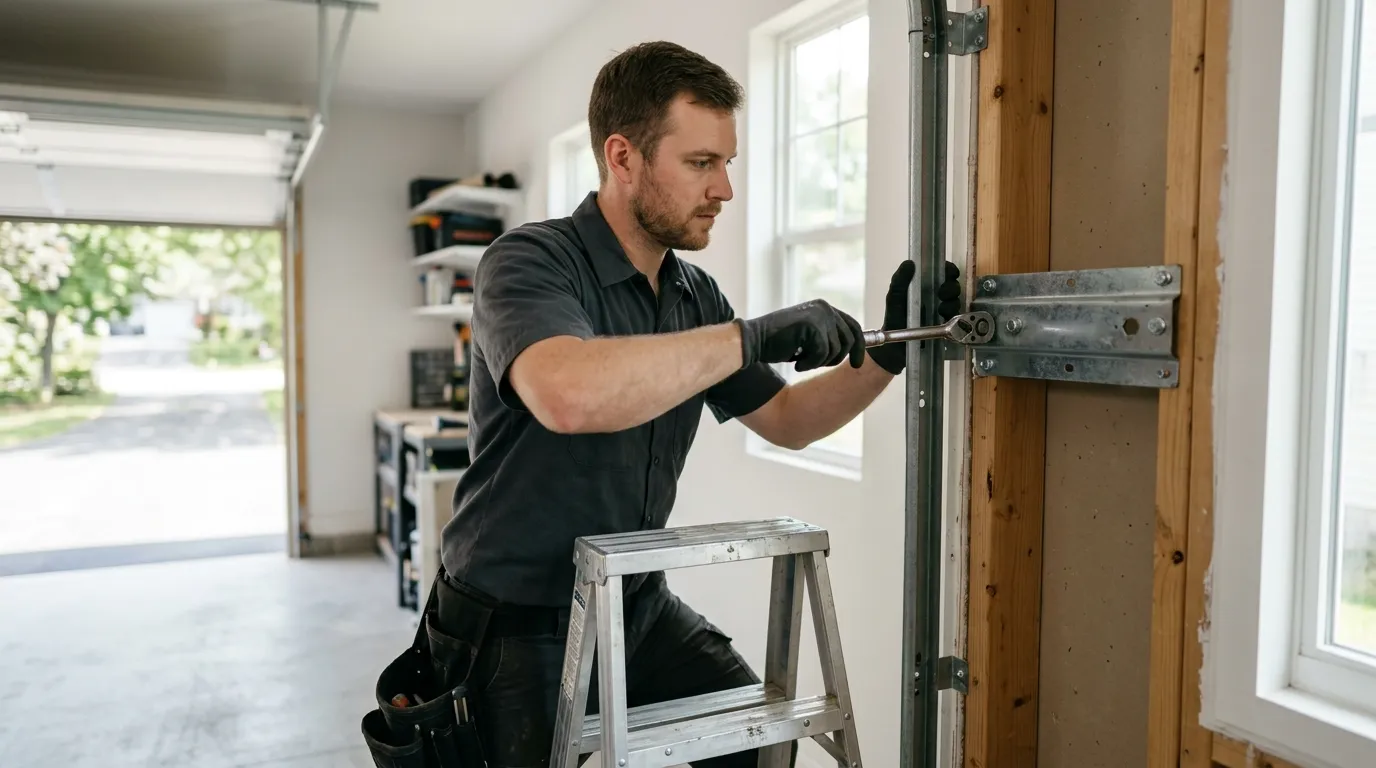
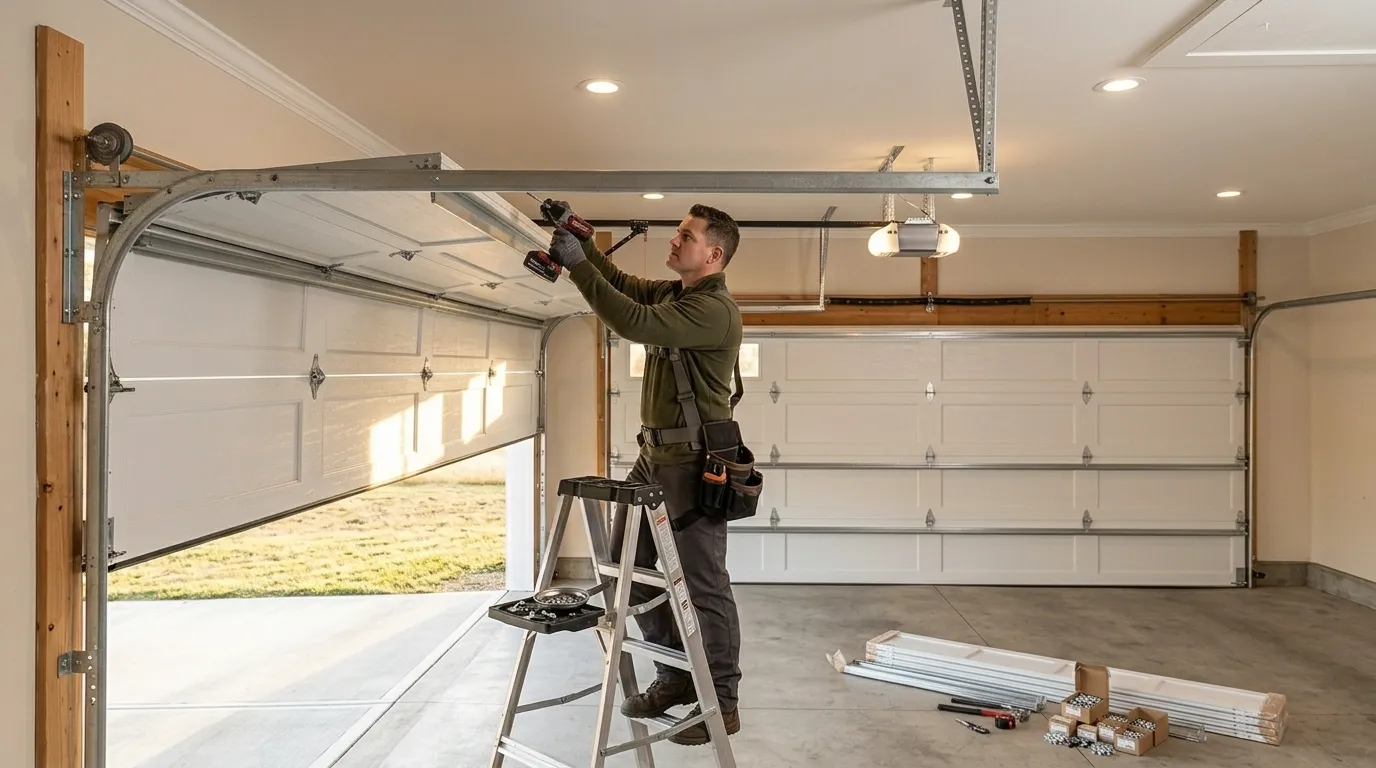
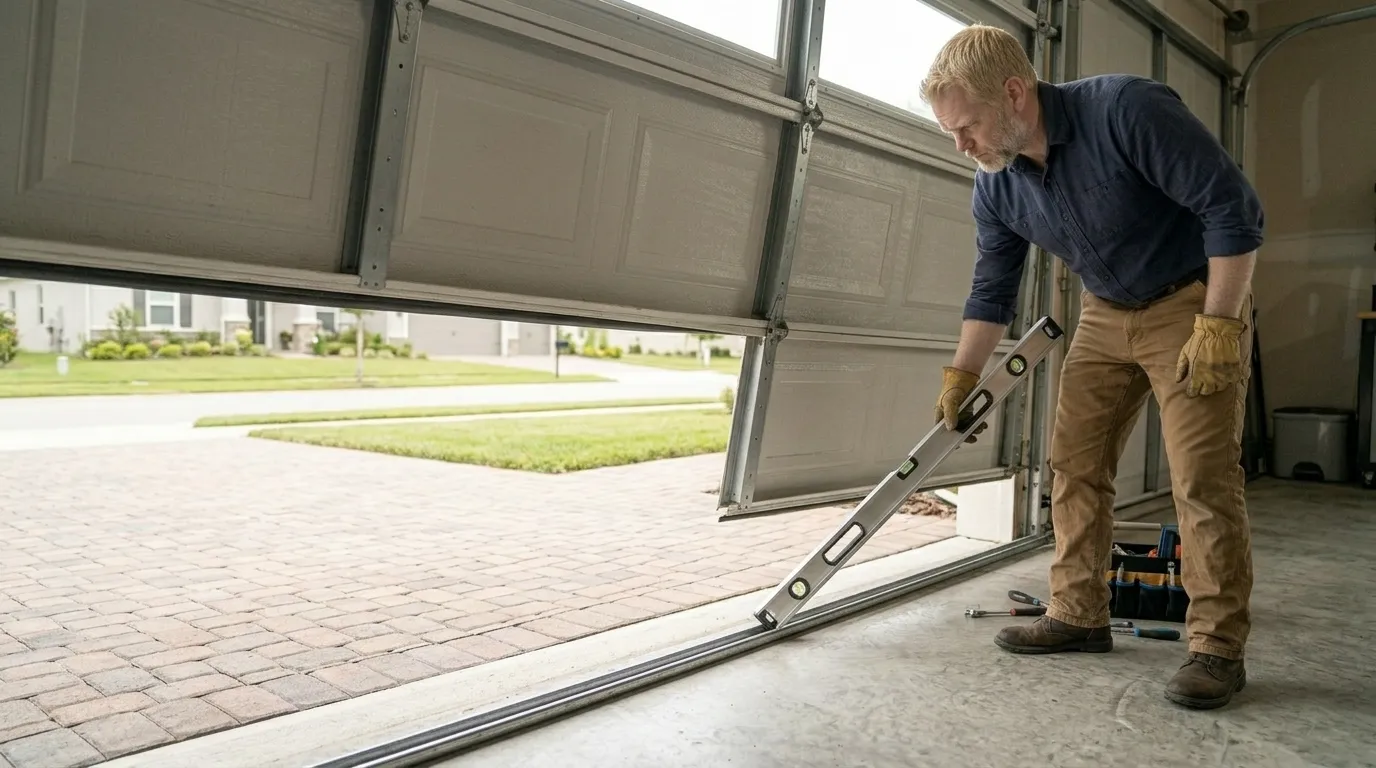
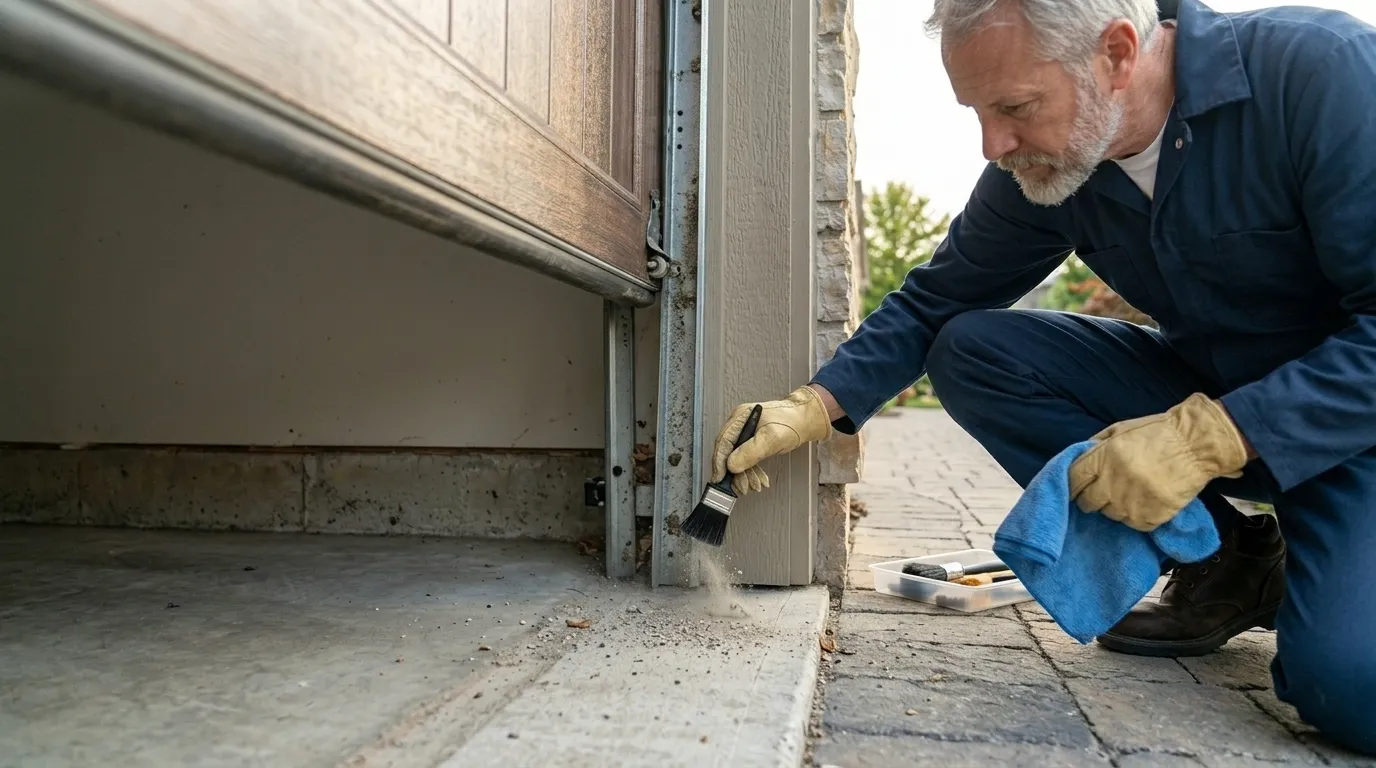
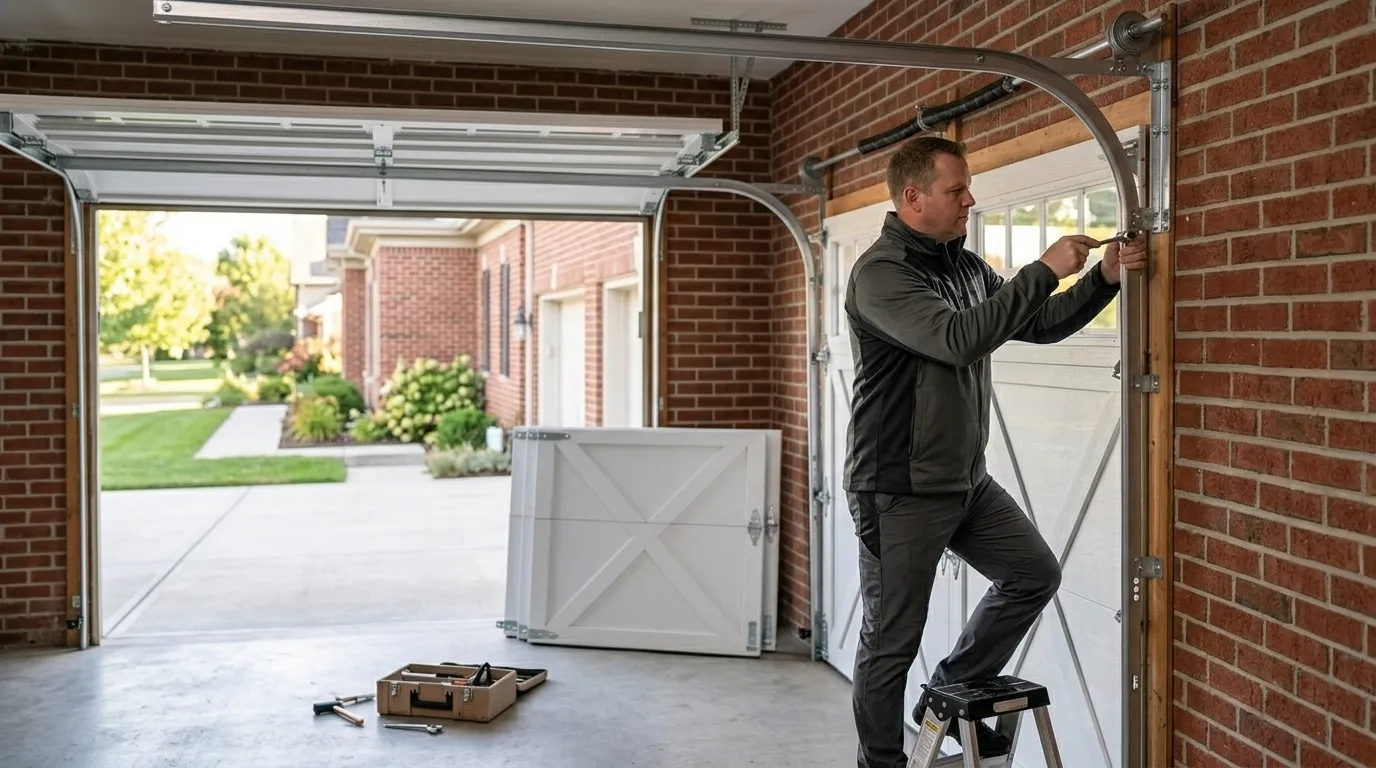
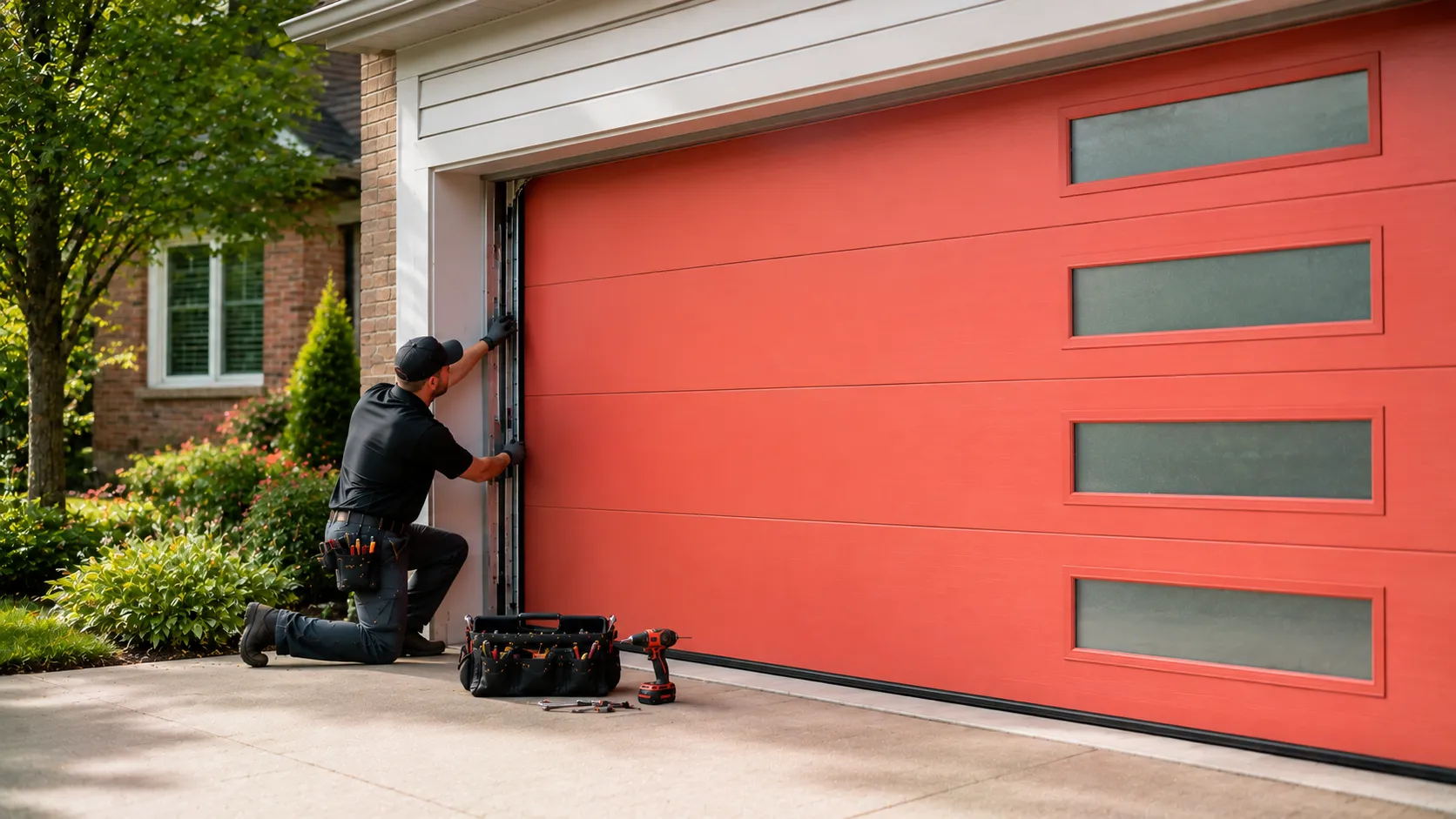
We start by measuring the existing section height and hinge spacing against what's in stock, since a door built around 1978 doesn't always match today's standard sizing. If it matches, we swap the damaged section, reset the hinges, and check the track alignment the bent panel likely knocked out. If it doesn't match closely enough, we'll say so rather than force a panel that'll bind.
Once the new section's in, we run the door through a full cycle a few times and check the rollers on either side of the swap for wear, since a bent panel often takes a roller or two with it. For a household in this income range, a single panel swap is usually the more sensible move over a full door replacement, provided the rest of the door and the opener are sound.