Why This Fails Locally
Byron's housing runs to a median build year of 1978, which lines up with the broader service area's 1956-2010 range and its 1960s-70s core. That matters because doors and openers from that era were built to specs nobody uses now - steel gauges are thinner, torsion spring wire sizes are different, and a lot of these openers predate the safety-reversal sensors required on newer units.
With 535 households in Byron, this isn't a huge market, but it's a consistent one: original hardware still doing its job 40-plus years later, right up until a spring finally fatigues or a track bracket that's been slowly bending finally gives out. The climate here runs moderate on heat, so we're not chasing the kind of extreme thermal cycling that cracks nylon rollers fast - the failures we see are closer to plain old metal fatigue and lubrication that dried out a decade ago, not weather damage.
Stocked Parts
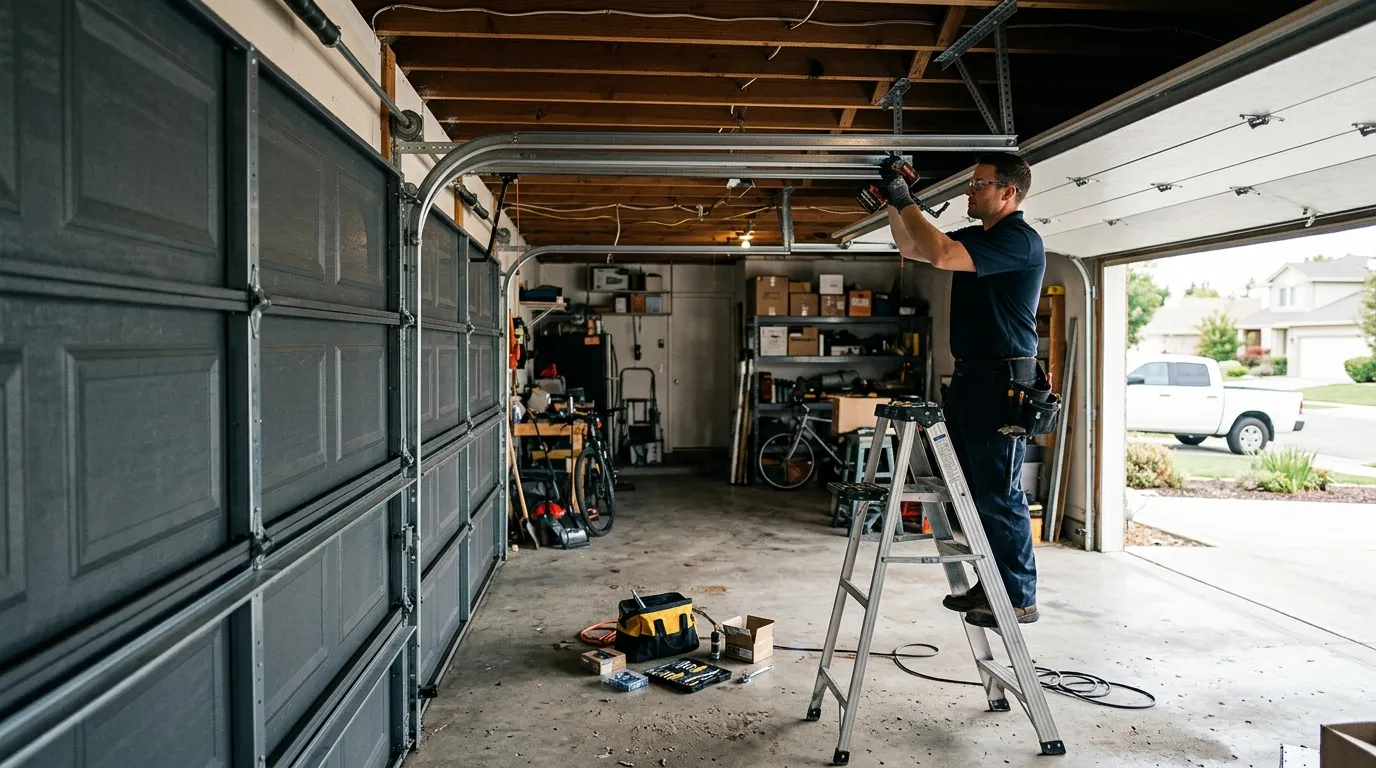
Because the drive from Tracy takes real time, we load the truck for what a house built around 1978 is likely to need, not for whatever's newest. That means standard torsion springs sized for the older wire gauges, steel rollers and hinges to match original tracks, and replacement cables sized for doors that predate the lighter modern panel weights.
What we don't carry standard are parts for openers already swapped to newer smart models or unusual custom door sizes - those sometimes mean a second trip if the first one turns up something the truck wasn't stocked for. We'd rather tell you that up front than pretend every part exists in the truck bay before we've seen the door.
What the Fix Involves
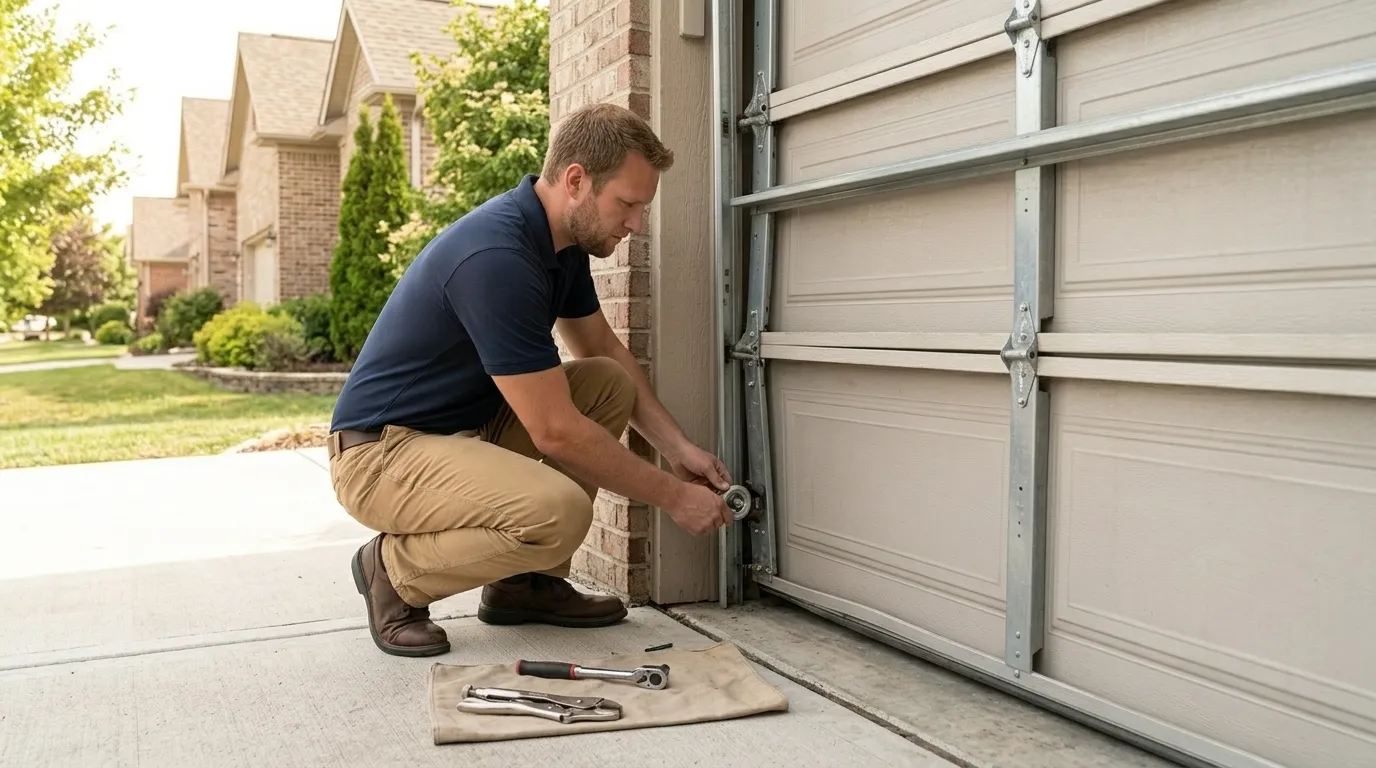
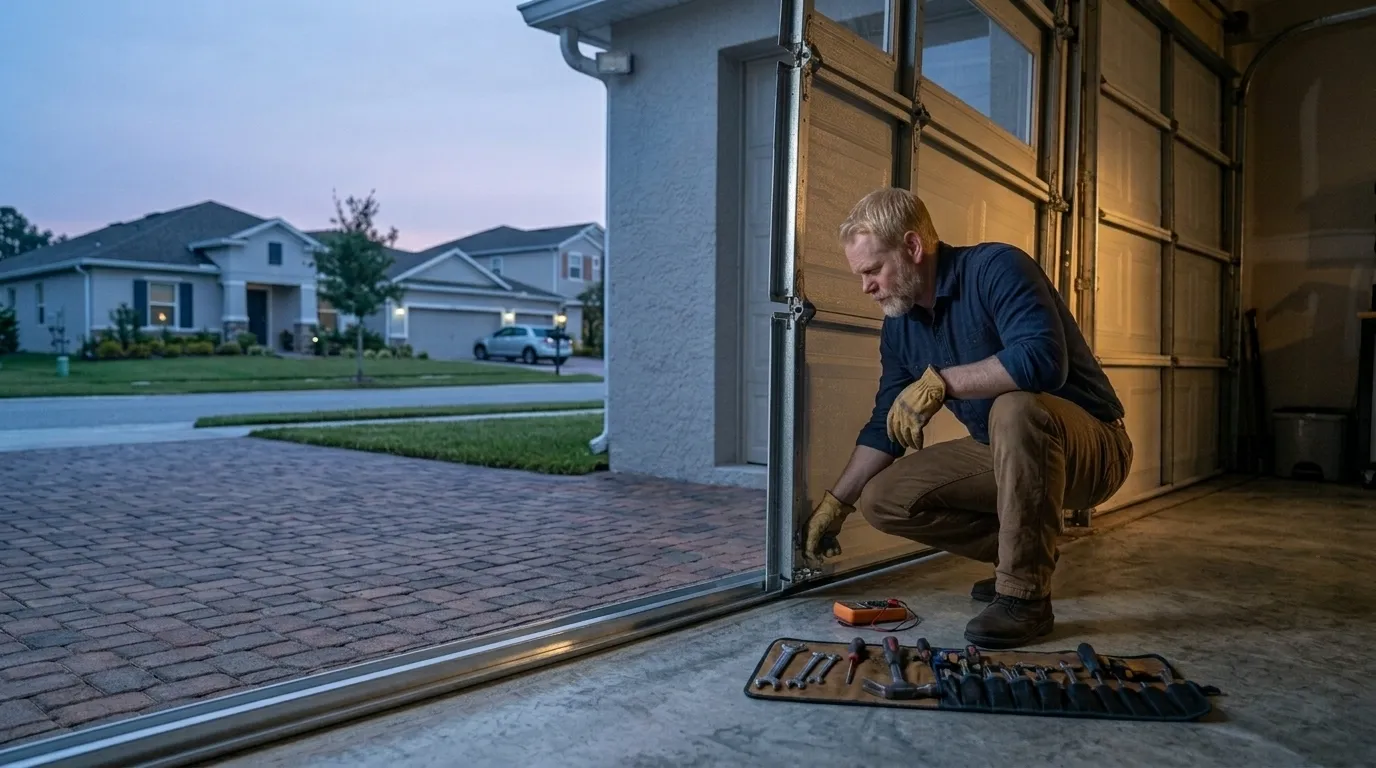
On a house from the late 1970s, a spring replacement usually means matching the original torsion setup rather than converting to something newer, unless you tell us you want the upgrade. We measure the existing wire size and drum, since guessing wrong on a 40-year-old system means a return trip nobody wants after driving out from Tracy.
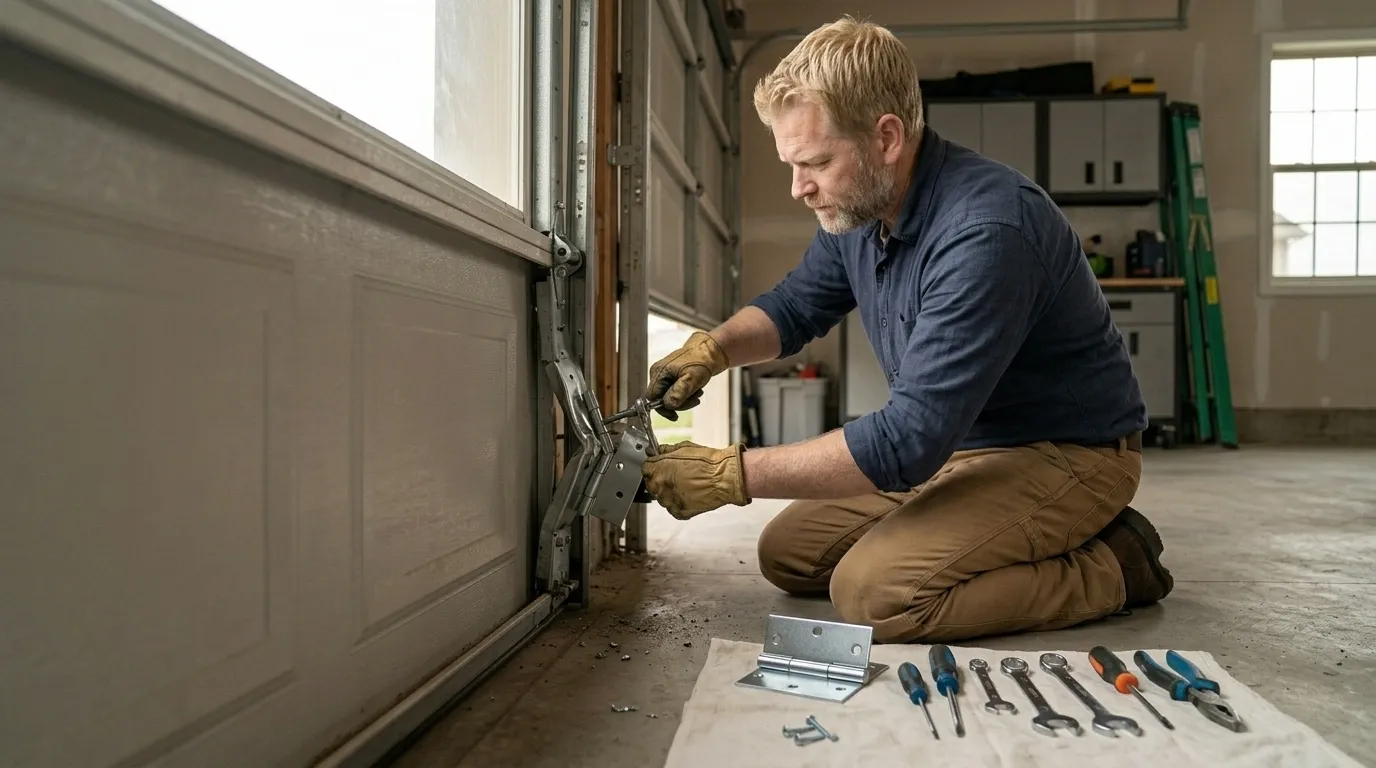
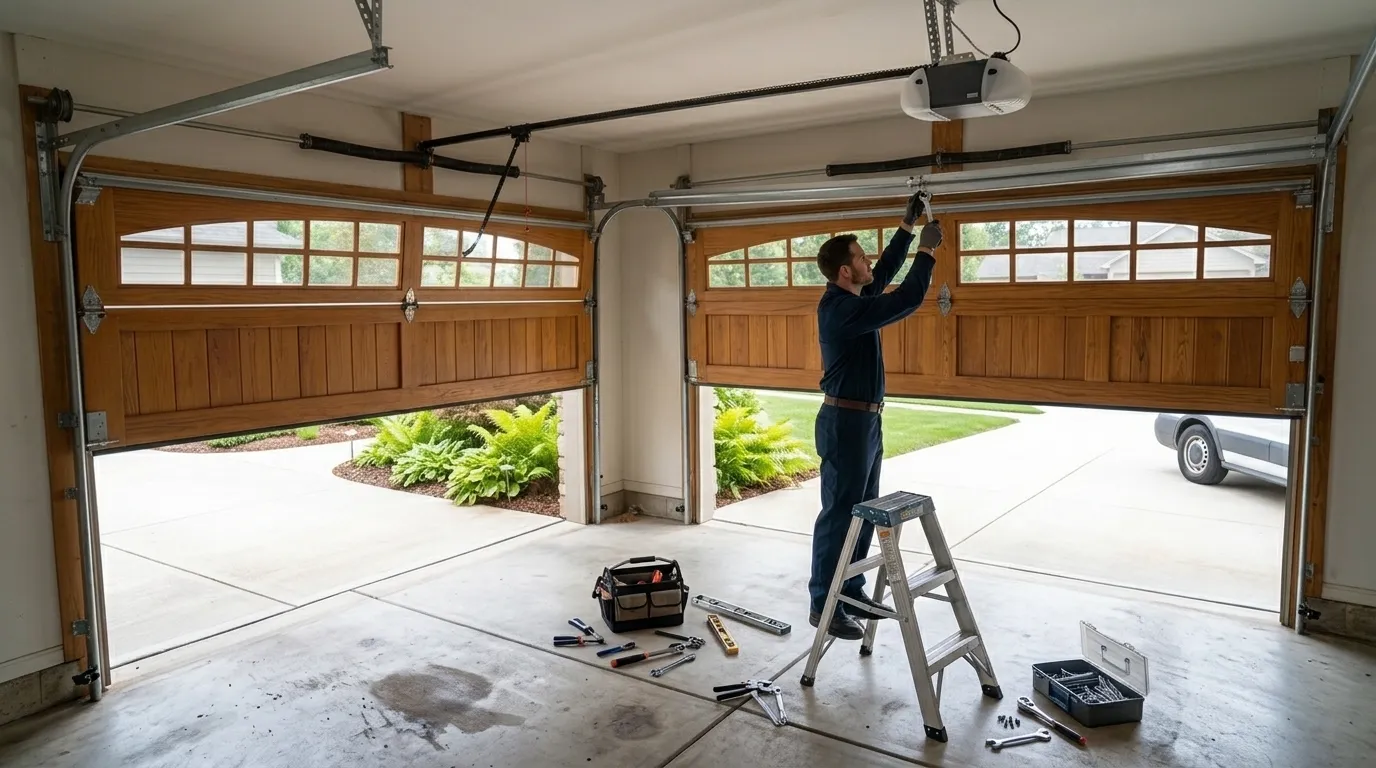
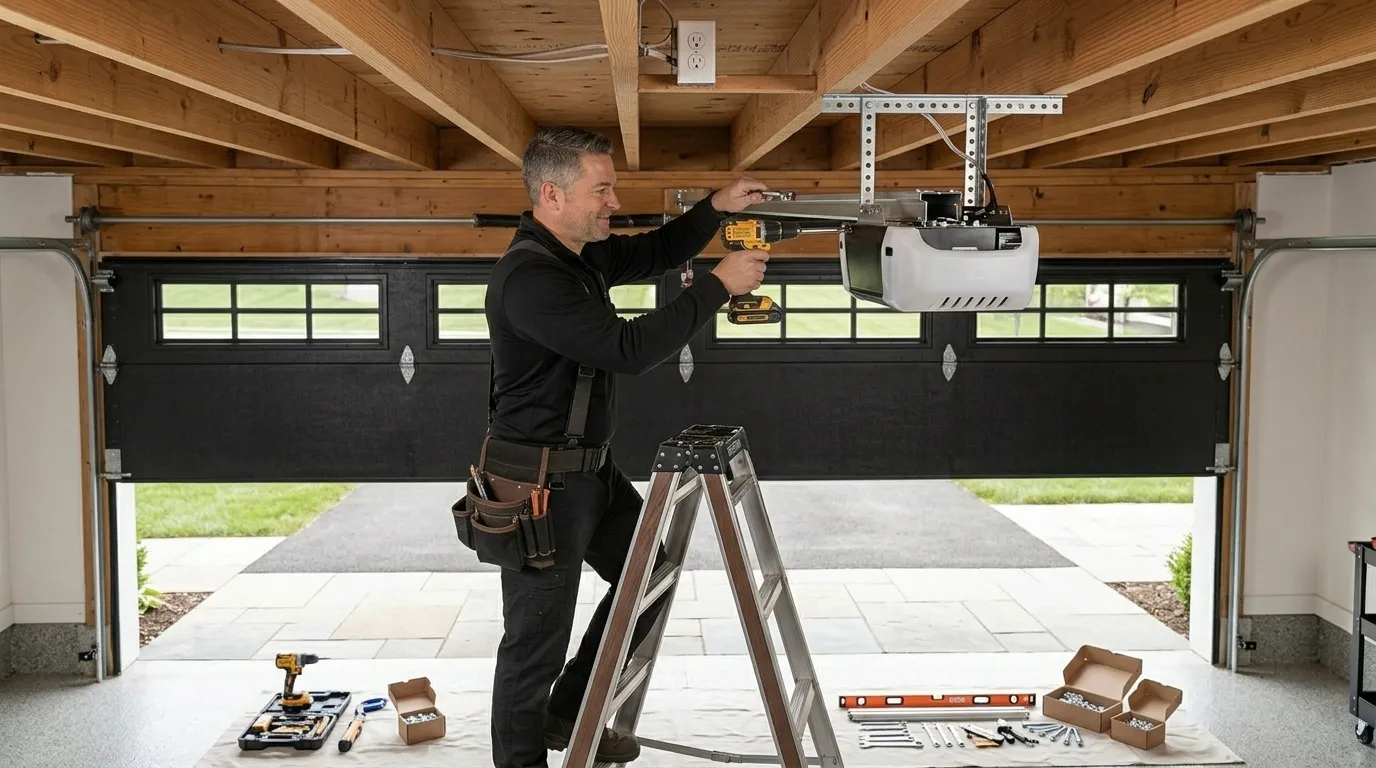
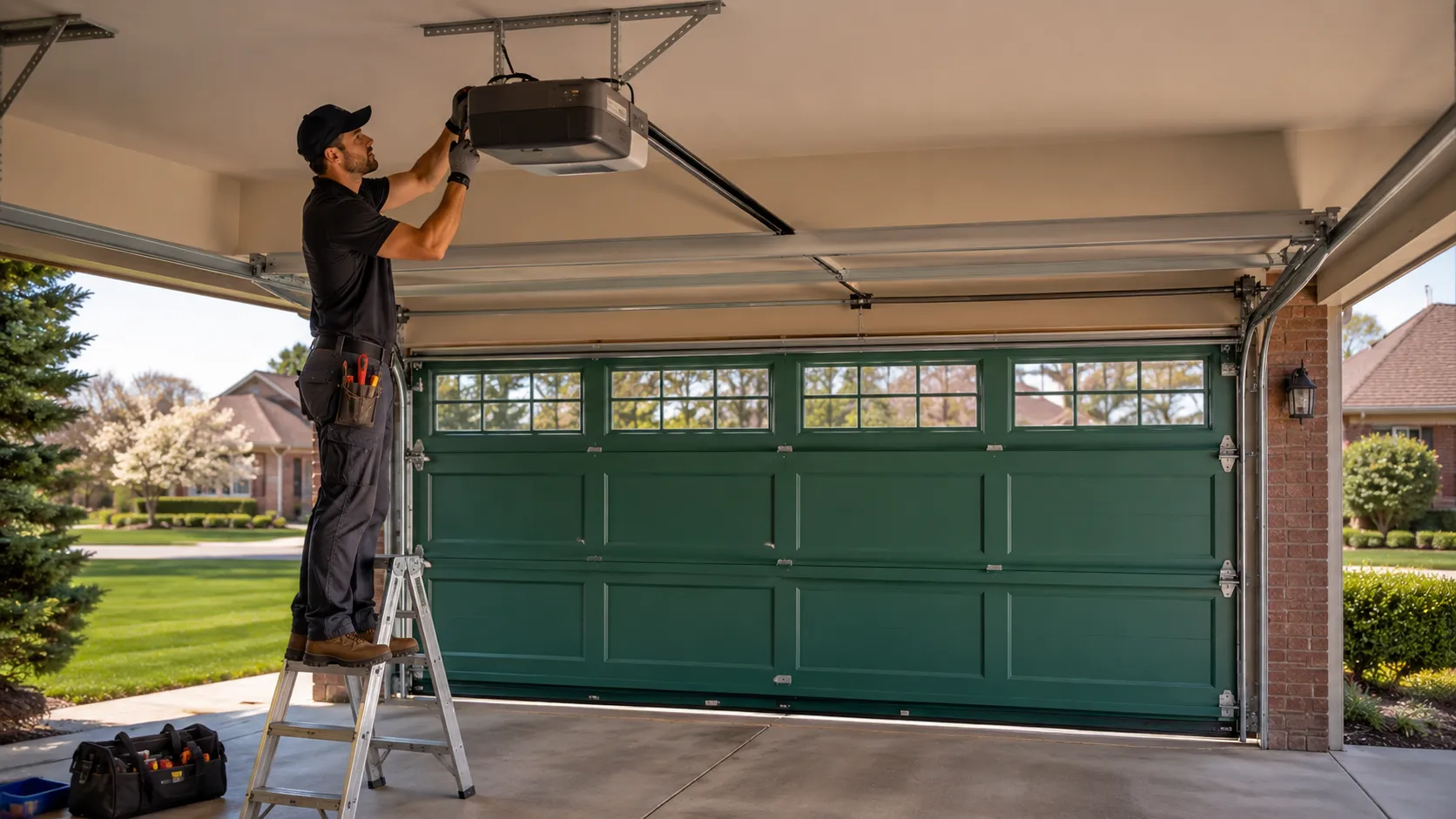
For opener issues, the honest answer is sometimes that the unit is old enough that repairing it costs close to what a new one runs, especially once you factor in that replacement parts for these older openers are getting harder to source. We'll tell you when that's the case instead of billing you for a patch that won't last. Track and roller work is usually the most straightforward call - realign, replace what's bent, and the door runs quiet again.