
Serving Tracy, CA & nearby
(209) 309-1726
Tracy, CA

Opener Installation for Byron's Late-1970s Garage Doors

Byron homes date to about 1978, and a lot of them are still running the opener that came with the house. We install new units matched to that door, out of our Tracy shop.

Opener Installation for Byron's Late-1970s Garage Doors
Tracy, CA
8 services
8 service areas
Diagnosis first, then the fix

The Symptom

Most garage doors in Byron are steel sectional units hung on houses built around 1978 - plain flush or short-raised-panel steel, no insulation core, usually a single wide door on the older ranch-style lots out here rather than two singles. That's a heavier door than what goes up today, and the opener bolted to the ceiling above it is very often the same age as the house.

The symptom shows up as a grinding or straining sound when the door starts to lift, a chain that slaps against the rail, or a unit that runs for a second and then just stops. Sometimes the door reverses itself halfway up for no clear reason. None of that is really an opener problem on its own - it's a motor built for a lighter door, or for a chain-drive era before plastic idler pulleys were standard, finally giving out after four decades of lifting something it was never quite sized for.

A remote that only works from three feet away, or a wall button that has to be held down, points the same direction: the drive mechanism is worn, not the electronics.

Why This Fails Locally

Byron's housing stock centers on 1978, which sits right in the middle of the wider 1956 to 2010 build range across this service area. That means a lot of these openers are original equipment or a single replacement generation old - chain-drive units with steel gears that have been running two, sometimes three decades past when the internal drive gear typically strips.

With only about 535 households in Byron, there isn't the churn you'd get in a subdivision built in the last ten years. Houses change hands less often, openers get replaced reactively - after they fail - rather than as part of a remodel. So the installed base out here skews older than newer construction pockets closer in.

The moderate heat here also plays a role over that many years: repeated summer heat cycling dries out the lubricant in an old gear kit and makes the nylon drive gear brittle, which is usually the actual point of failure, not the motor windings themselves. It's a slow failure, which is why most people don't notice until the door won't open at all.

Stocked Parts

We carry chain and belt drive gear kits, standard 1/3 and 1/2 HP motor units, and safety sensor pairs on the truck, since that covers the range of doors we see across a service area built mostly between 1956 and 2010. For a Byron door from the late '70s, the common fix is a straight swap: pull the failing unit, match horsepower and rail length to the actual door weight, and mount new hardware on the existing bracket points where they're still sound.

What we don't carry on the truck is every specialty rail length or a motor for a commercial-grade or unusually oversized door - those get ordered, and that can add a day or two to the job. If your door is a nonstandard width or has been retrofitted with a heavier insulated panel since the house was built, tell us that up front so we bring the right unit the first trip out from Tracy rather than the second.

Doing It Yourself

There's a fair amount here a homeowner can check before calling anyone. Wipe down the photo-eye sensors near the floor on each side of the track - a film of dust or a spider web is enough to make a door reverse or refuse to close, and it's a two-minute fix. Swap the remote batteries. Check that the wall button wire hasn't come loose at the unit.

What you shouldn't do yourself is anything involving the torsion spring above the door or trying to re-tension an old chain drive under load - that's how people lose fingers, and it's not worth the risk to save a service call. If the opener runs but the door doesn't move, or moves and then reverses every time, that's a mechanical or safety-sensor issue past the point of a home fix.

What the Fix Involves

The job starts with weighing the door, or at least sizing it up against the panel material and dimensions, since a 1978-era steel door without insulation is lighter than it looks but often wider than modern single-car doors. That determines whether a 1/3 HP or 1/2 HP unit is the right call - undersizing it just means you're back here in a few years.

From there it's removing the old motor and rail, mounting the new bracket, running fresh wiring rather than reusing brittle old wire nuts, and setting the travel limits so the door seats fully without slamming the floor. We install and align the photo-eye sensors as part of the job, then test the auto-reverse function before we call it done. We travel out from Tracy for every Byron job, so we bring the parts with us based on what you describe on the phone - see our <a href="/byron-garage-doors/">Byron garage door page</a> for the door-side work, or the <a href="/garage-door-opener-installation-tracy-ca">Tracy opener installation page</a> for how we handle it closer to base.
How it works

From “it’s stuck” to “it’s fixed”

A quick, honest process - no guesswork and no surprises, start to finish.

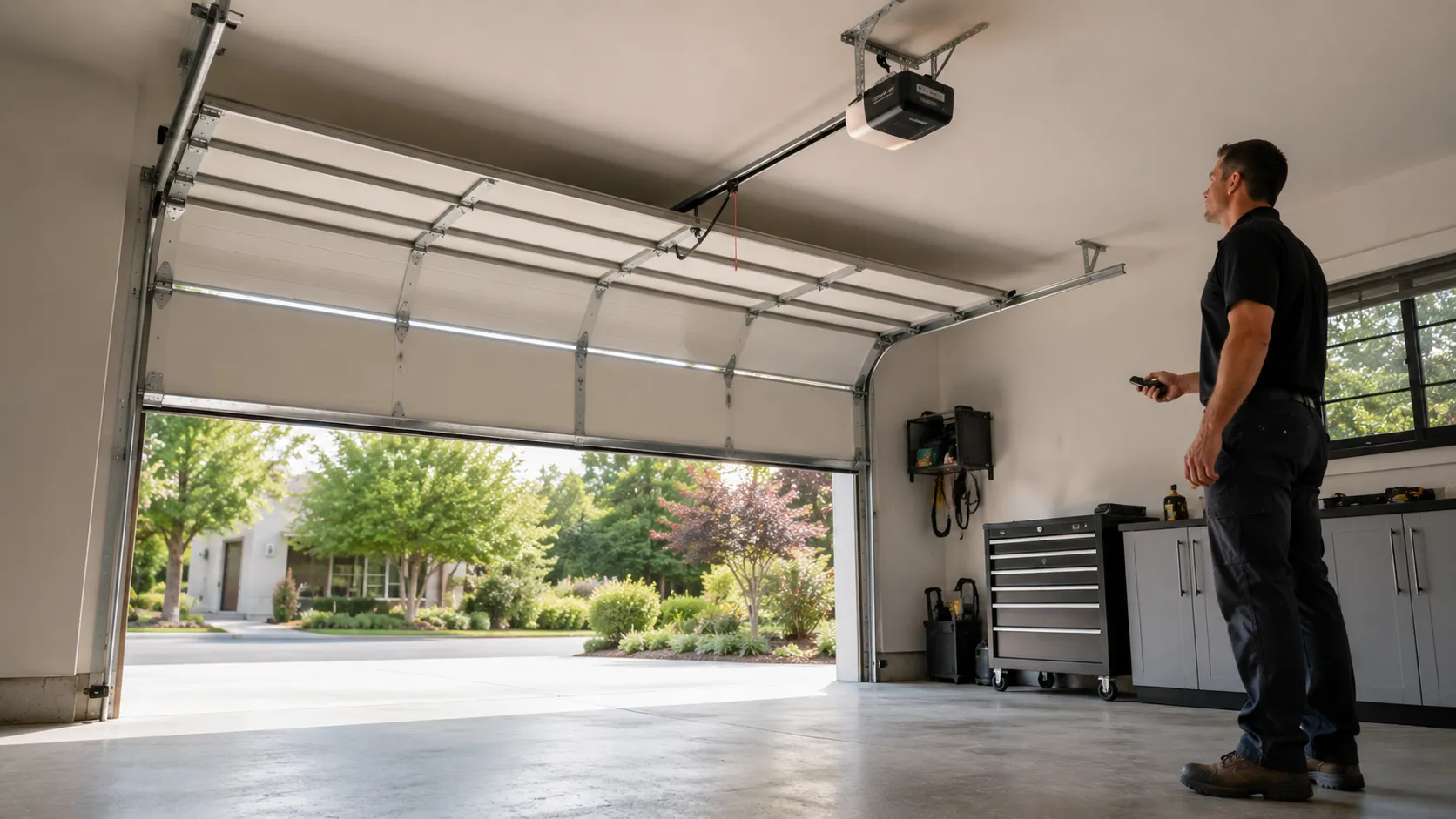
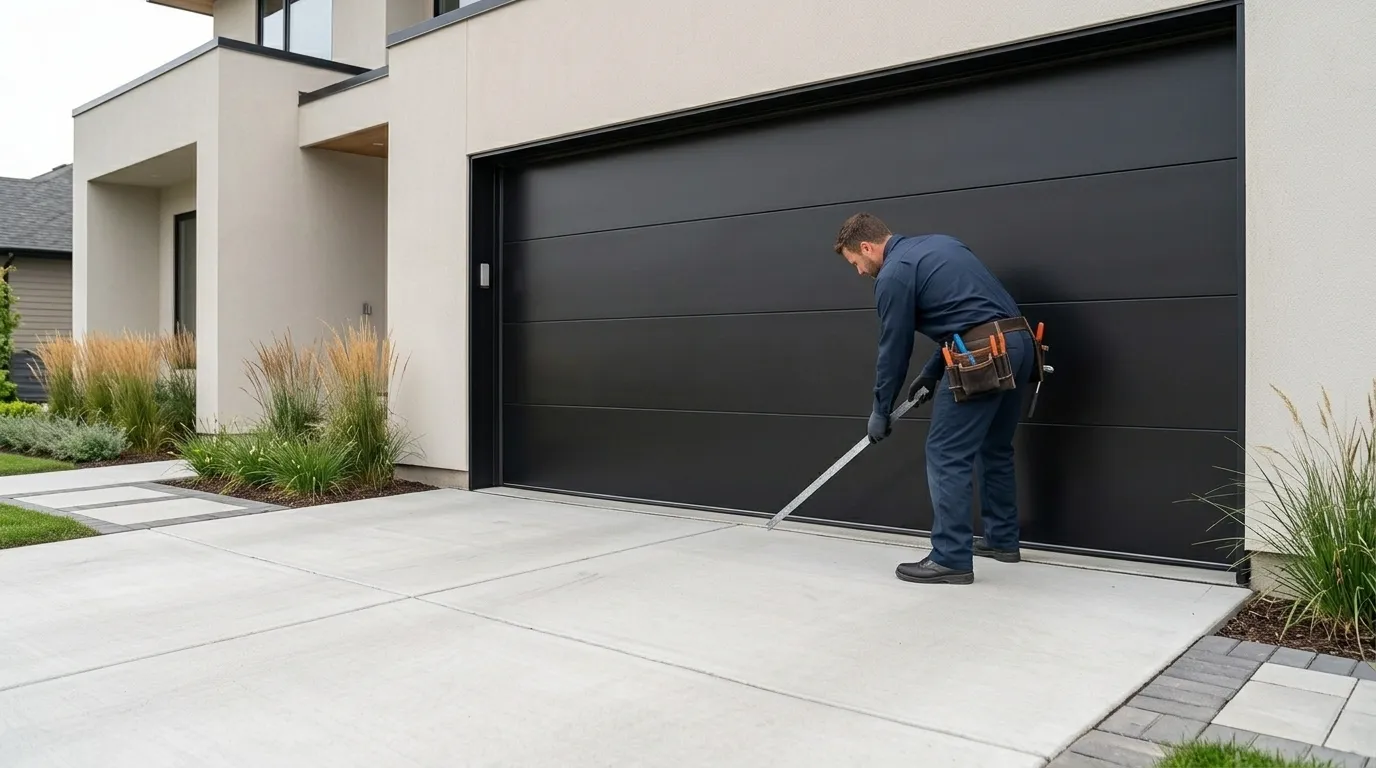
  1. 1
    Tell us what’s wrong - Tracy garage door service

    Tell us what’s wrong

    Describe the symptom - won’t open, loud bang, opener runs but the door won’t move.

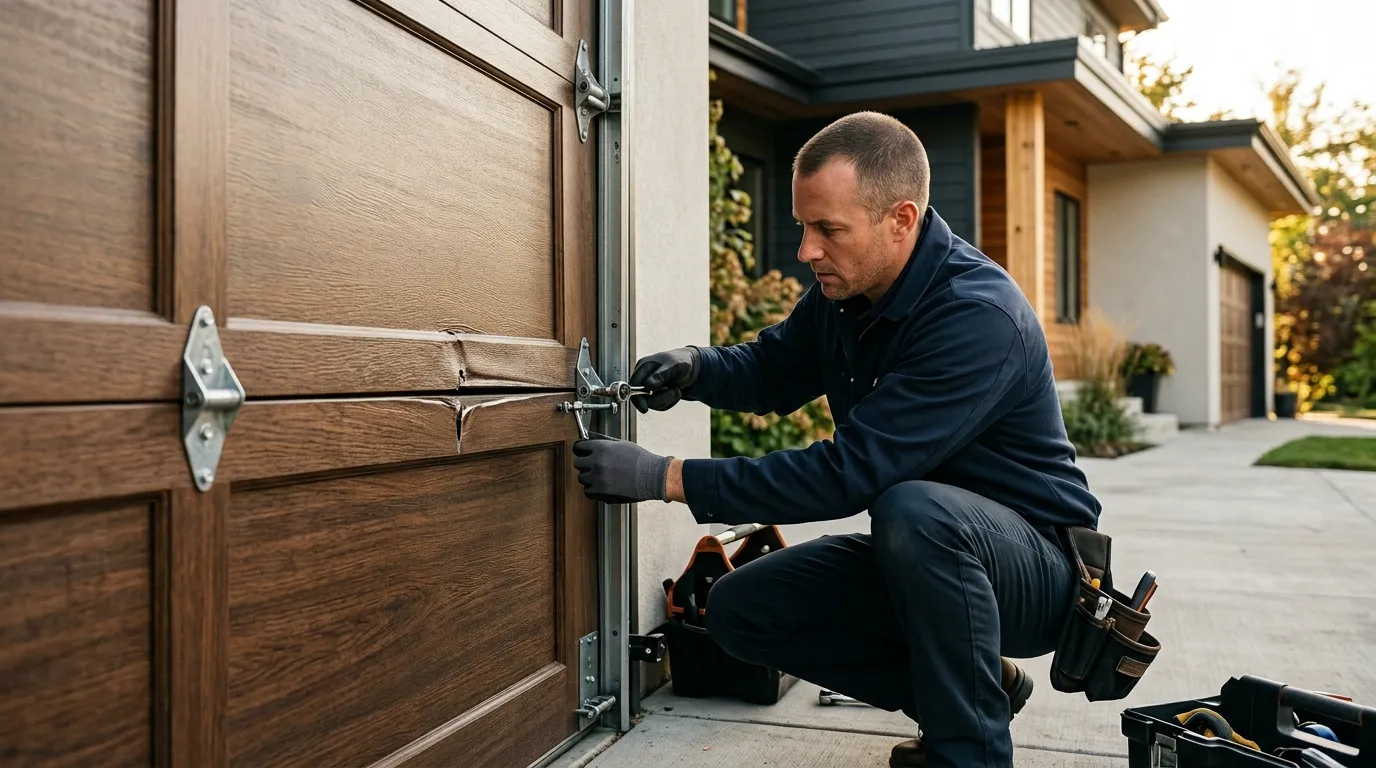
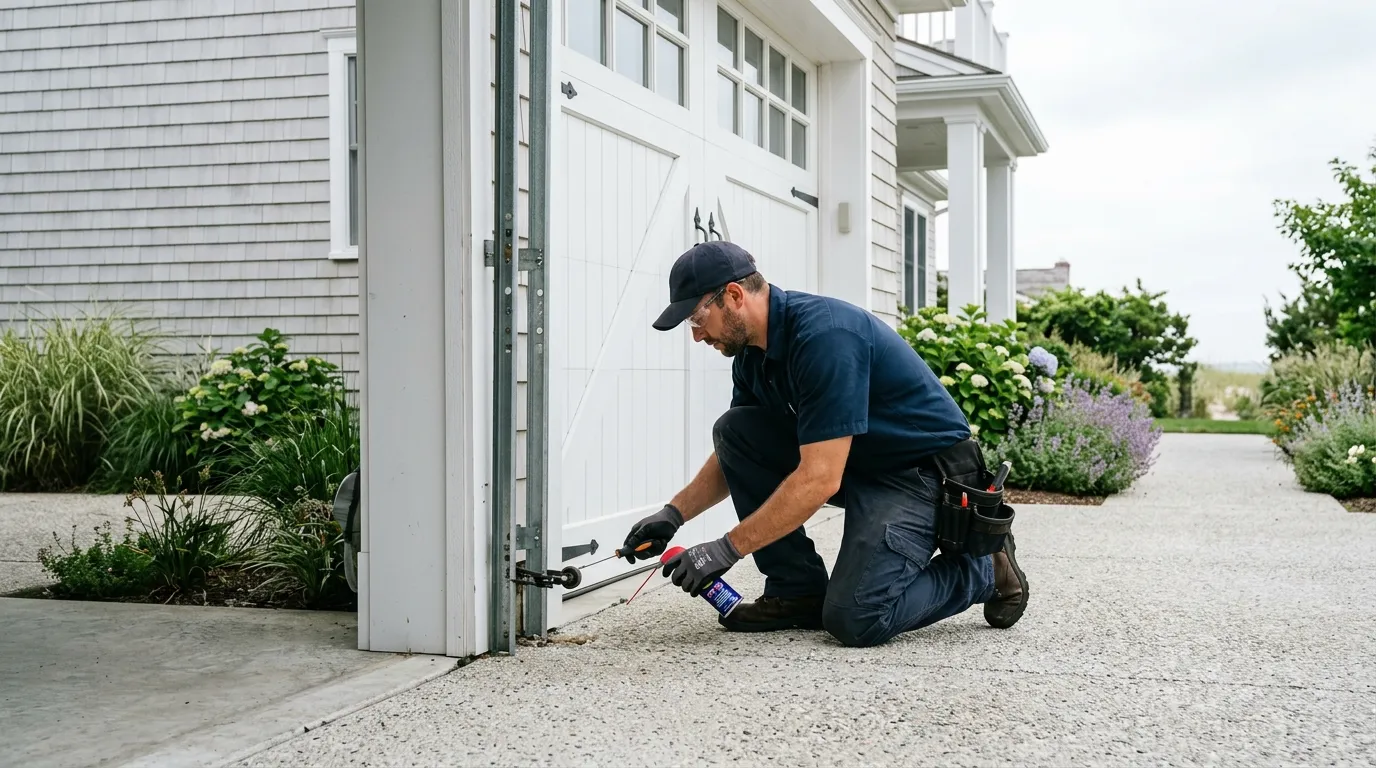
  2. 2
    On-site diagnosis - Tracy garage door service

    On-site diagnosis

    A technician tests the door under power and by hand and finds what actually failed.

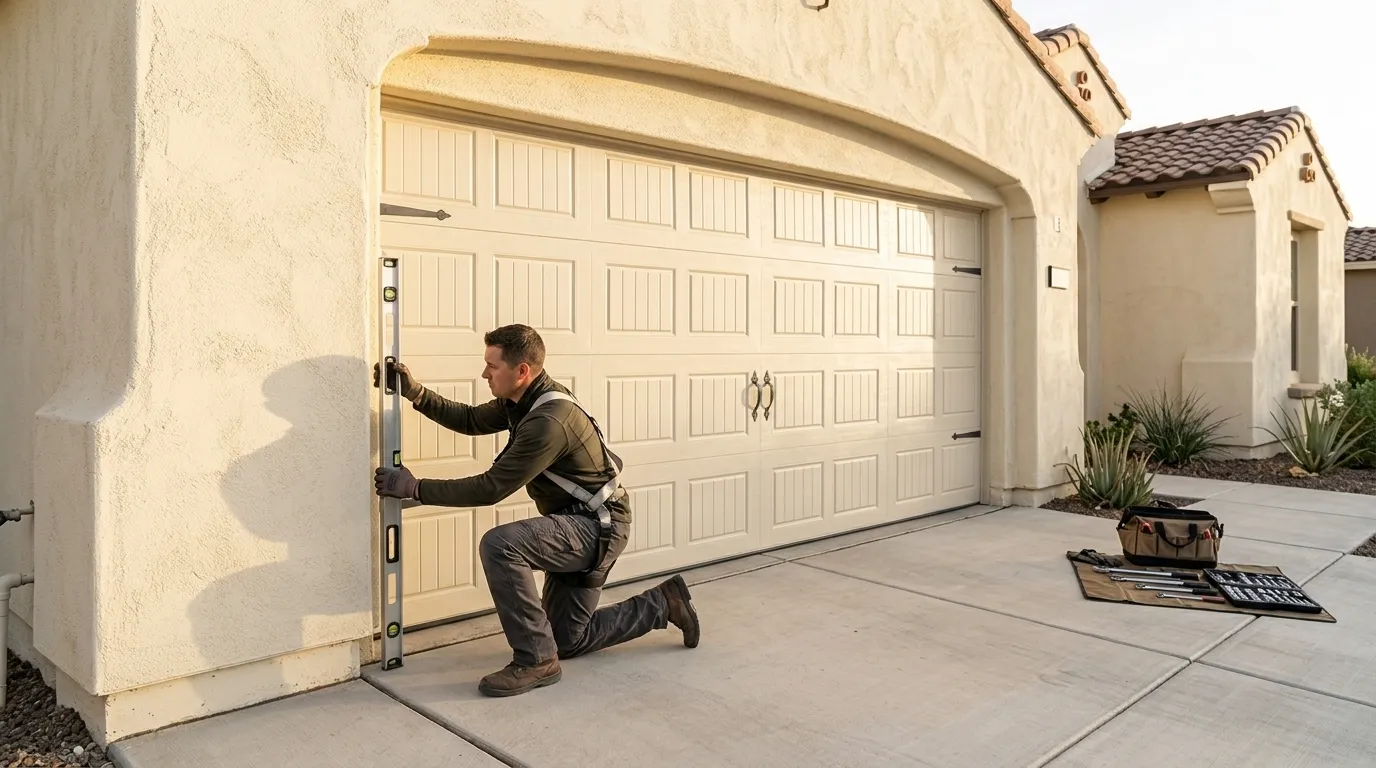
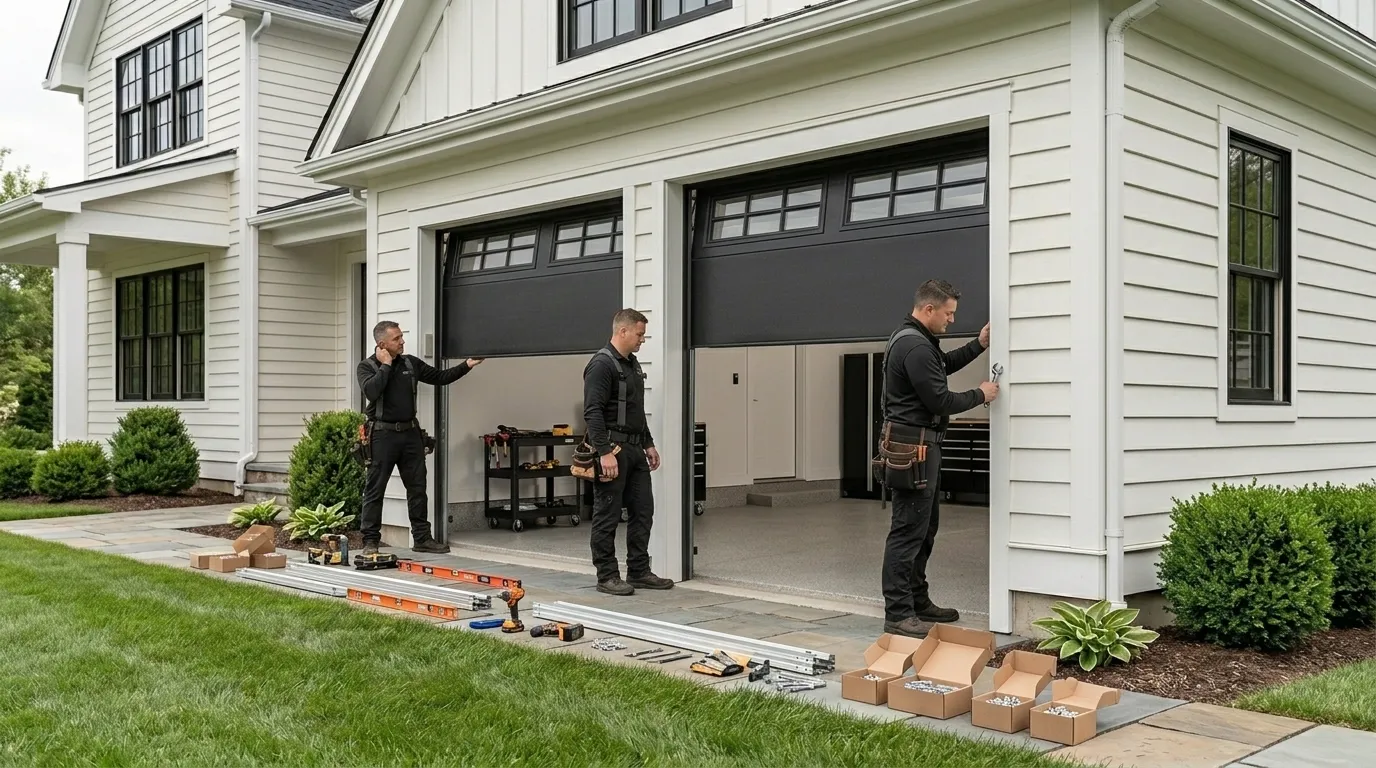
  3. 3
    Clear, up-front plan - Tracy garage door service

    Clear, up-front plan

    You get the fix that’s needed and what drives the cost - before any work starts.

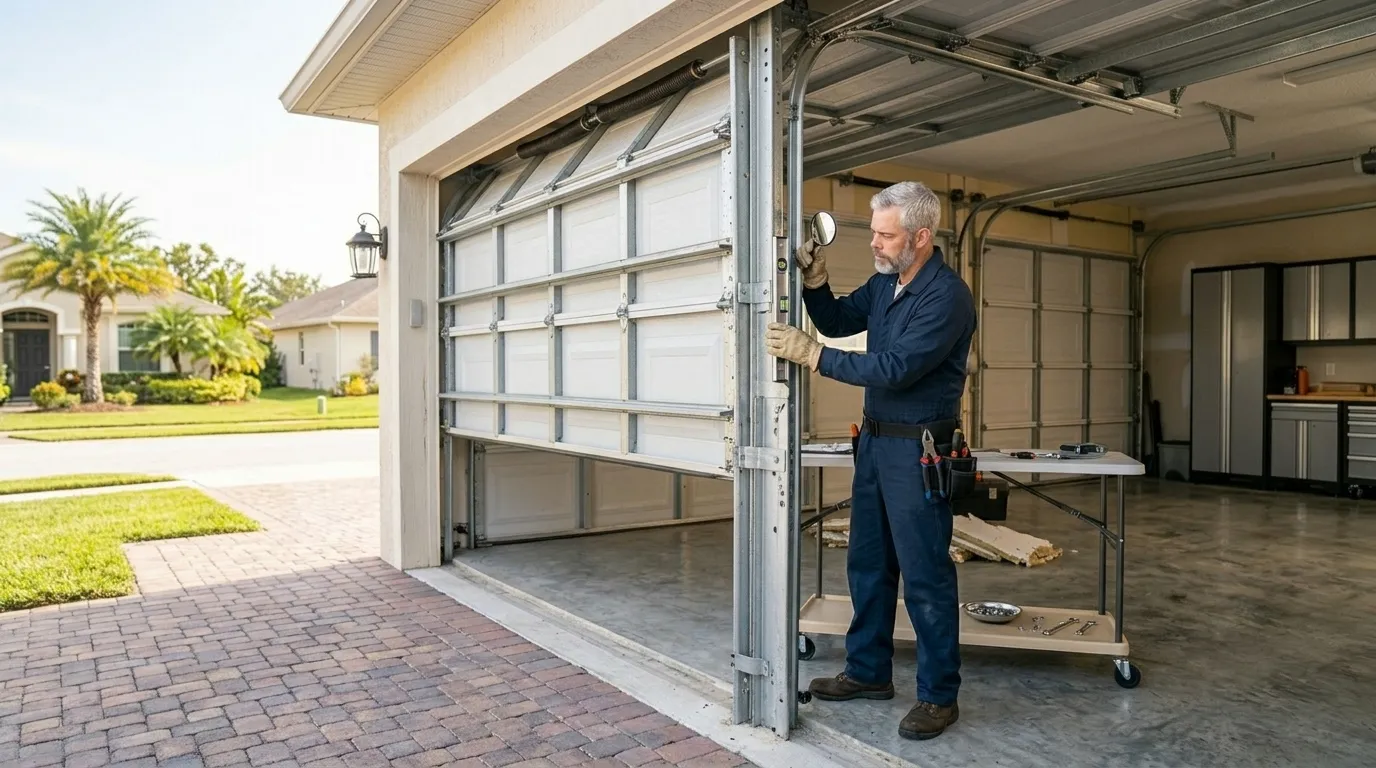
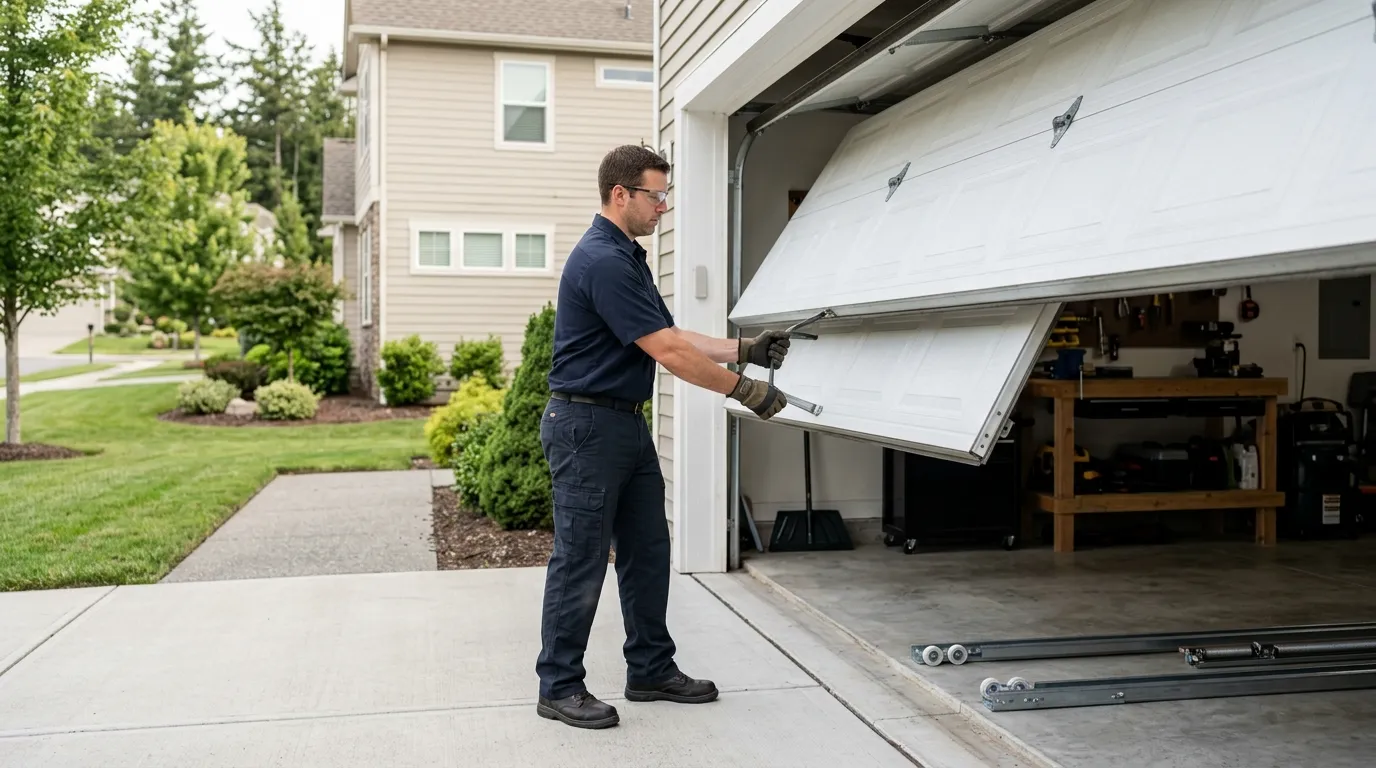
  4. 4
    Repaired & tested - Tracy garage door service

    Repaired & tested

    The repair is done, the door is set true and tested, and the work area left clean.

Serving Tracy, CA - tell us what your door’s doing and we’ll take it from there.

8areas covered
How we work

What to expect

Diagnosis firstEvery visit starts by finding what actually failed - not a pre-written parts list.
The right part for the doorSprings and openers matched to the door’s weight and age, so the fix holds up.
Straight answersWhen a repair makes more sense than a replacement - or the reverse - you hear it plainly.
Clean, careful workTension released safely, hardware set true, the door tested under power before we leave.
87,075
Residents in Tracy
8
Garage door services
8
Neighborhoods & suburbs
CA
Serving Tracy, CA
Questions

Frequently asked

Straight answers about garage door repair in Tracy. Still unsure? Ask us directly.

How old is a typical garage door opener in Byron?

Byron's housing dates mostly to around 1978, and a lot of openers out here are original or one replacement old - often 25 to 40 years. If yours has never been swapped, worn gears and dried-out lubricant are the most common cause of grinding noise or a door that stalls partway up.

Do you keep a branch in Byron?

No. We're based in Tracy, about 15 miles out, and we bring opener stock and hardware with us on the truck for Byron jobs. Tell us the door size and symptom on the phone so we bring the right unit the first trip.

Can you match a new opener to my old steel door?

Yes, that's most of the job. We size the new motor to the door's actual weight and width rather than guessing, since a lot of Byron's late-1970s doors are wider single units, not the narrower doubles common in newer builds.

Is it worth replacing an opener instead of repairing it?

Often yes, once the drive gear has stripped or the circuit board is original. A new unit with modern auto-reverse safety sensors is usually a similar cost to patching a 40-year-old motor, and it comes with a fresh gear set instead of one already worn down.

Ready to get your garage door sorted?

Tell us what it’s doing and where you are in Tracy - we’ll take it from there.

Request a QuoteCall