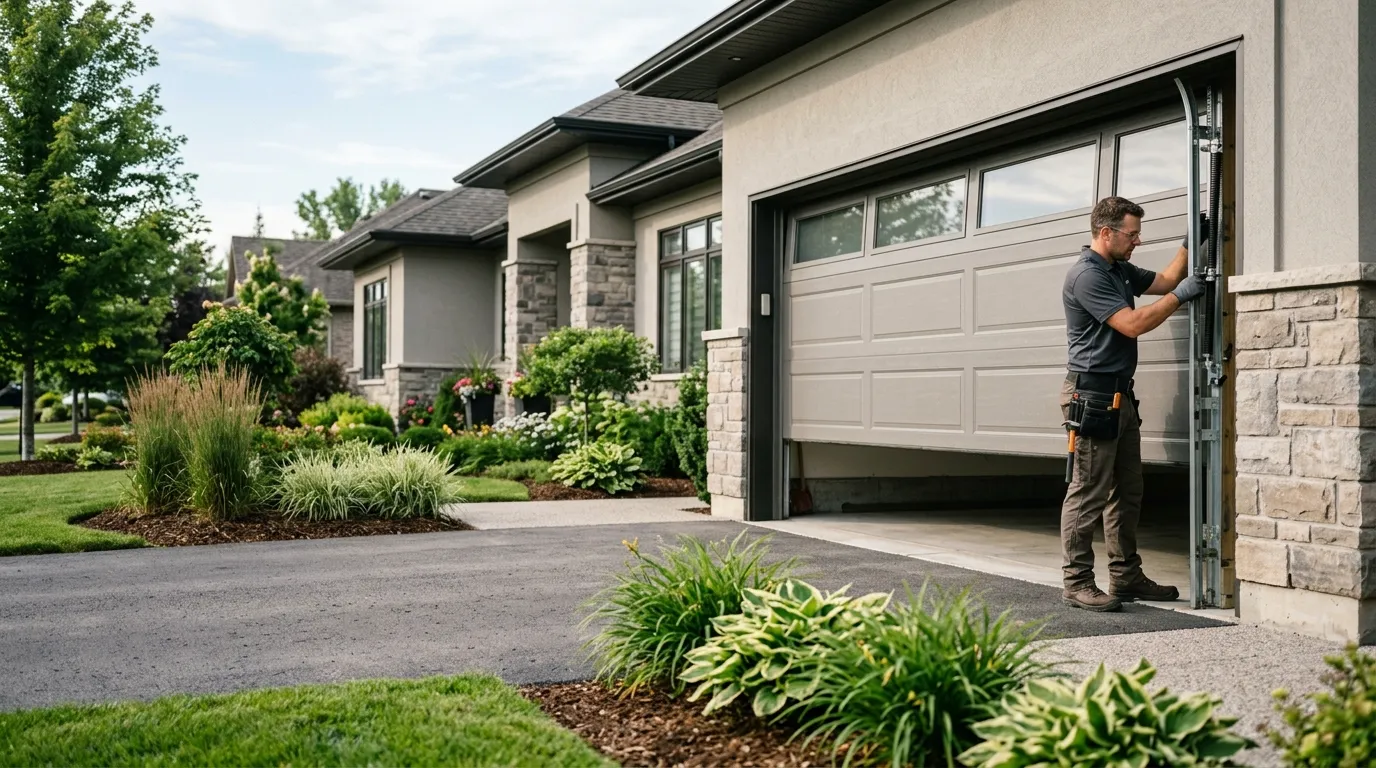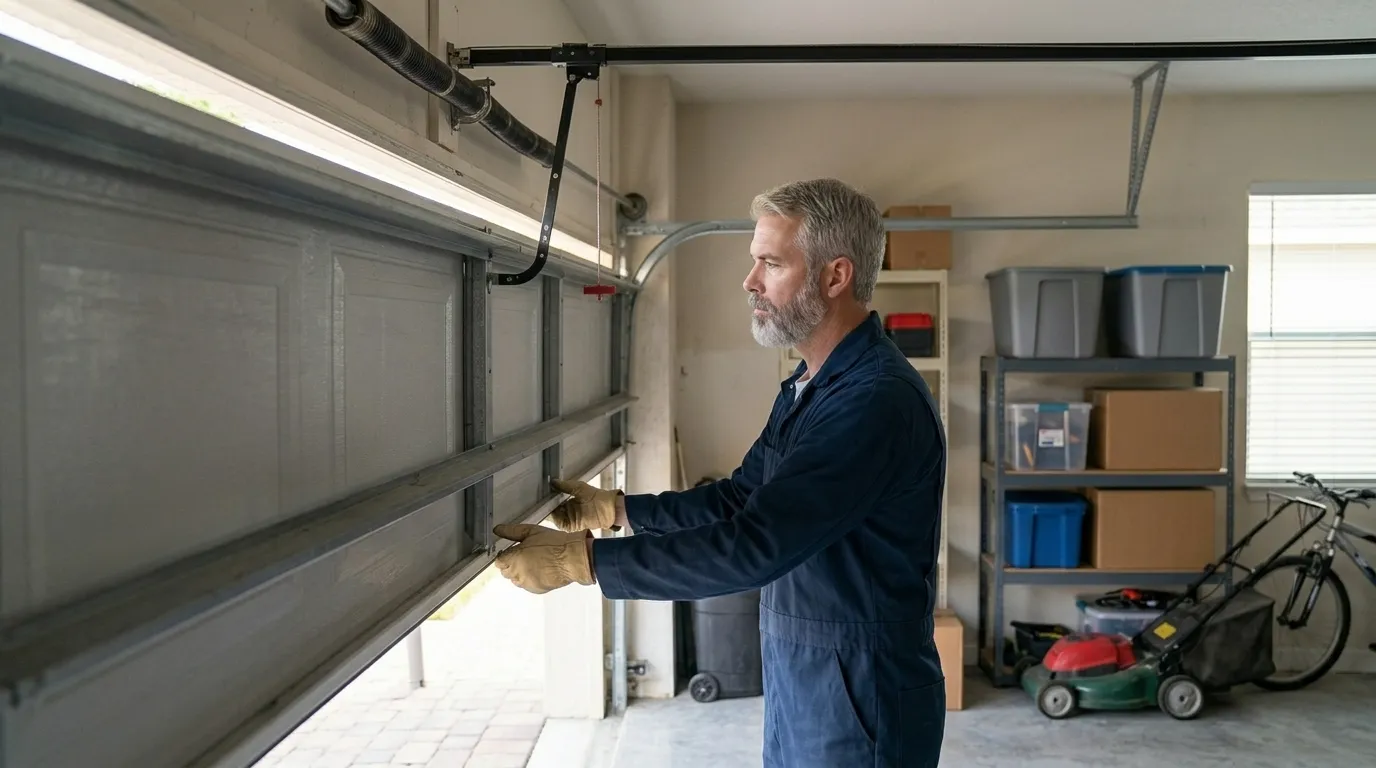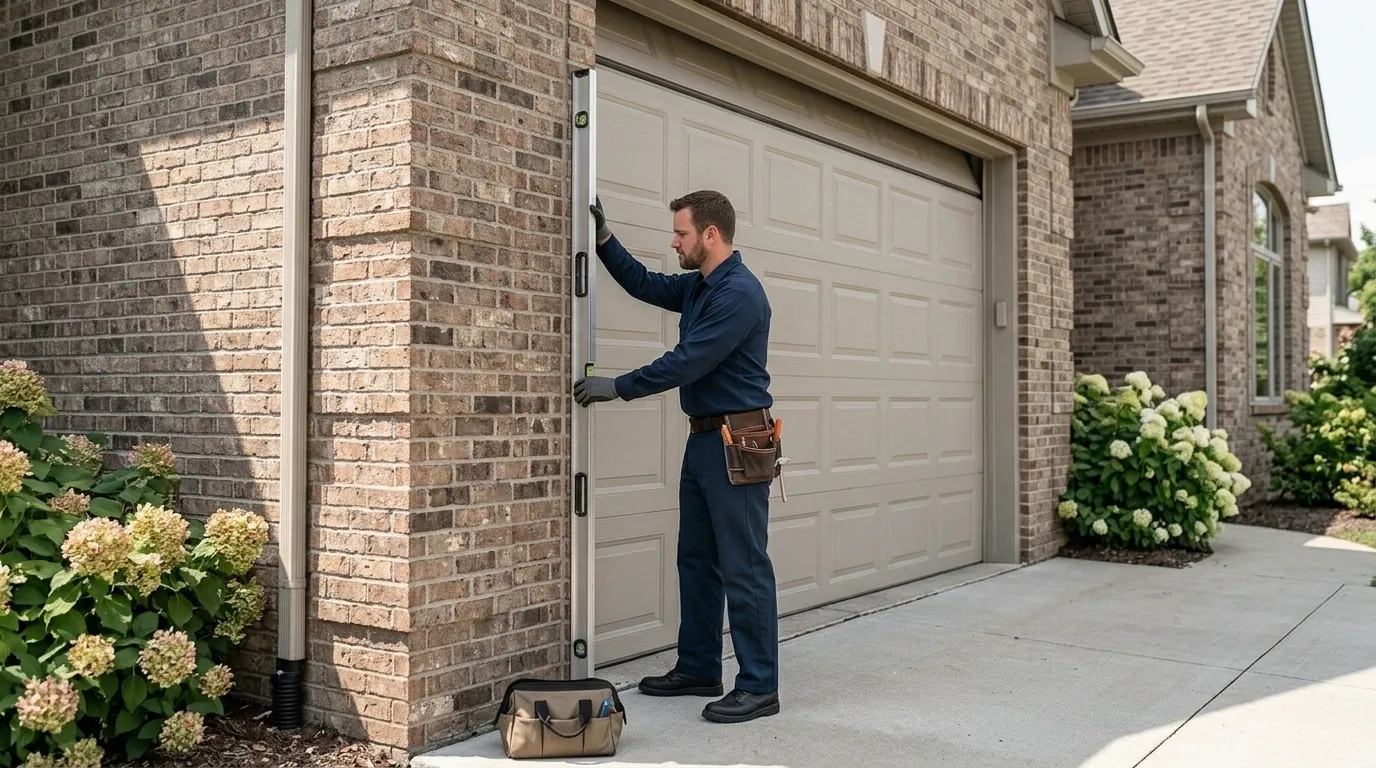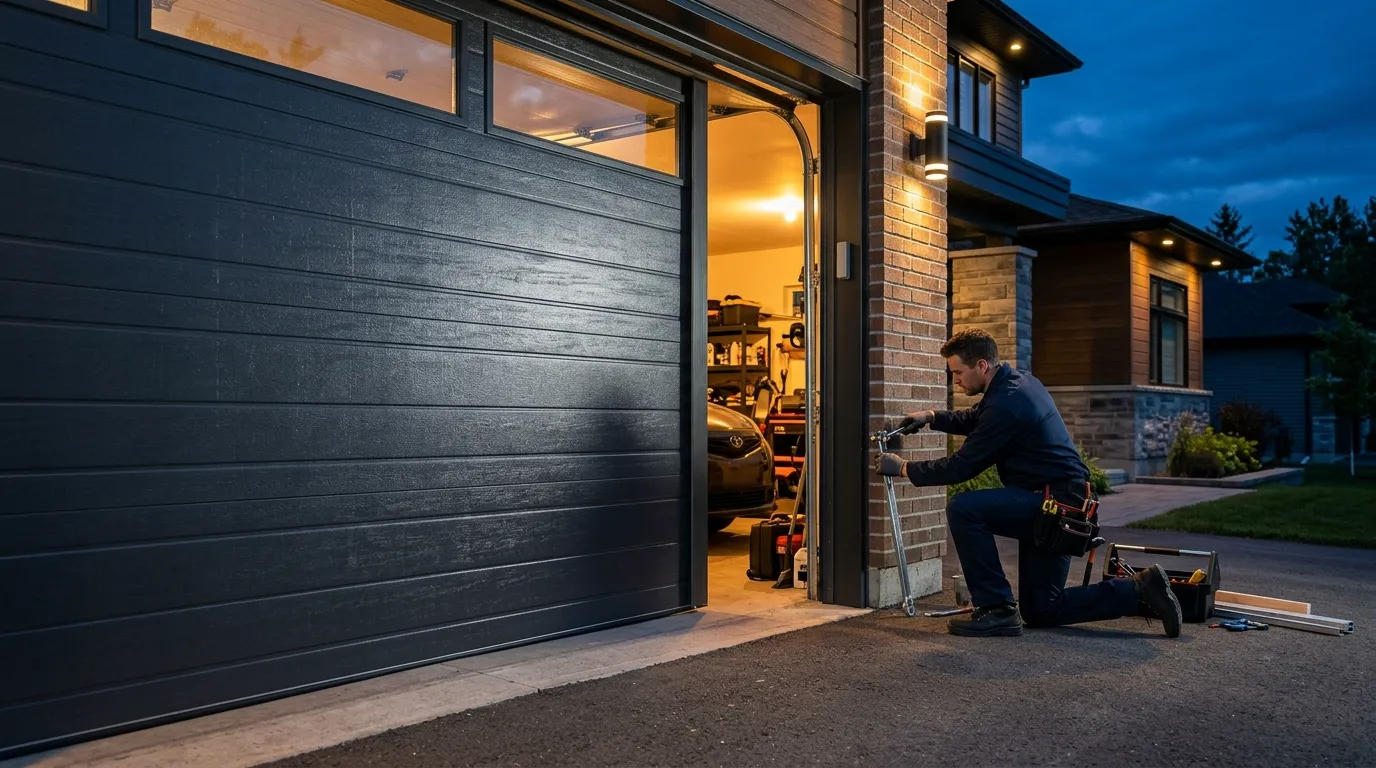
Why This Fails Locally
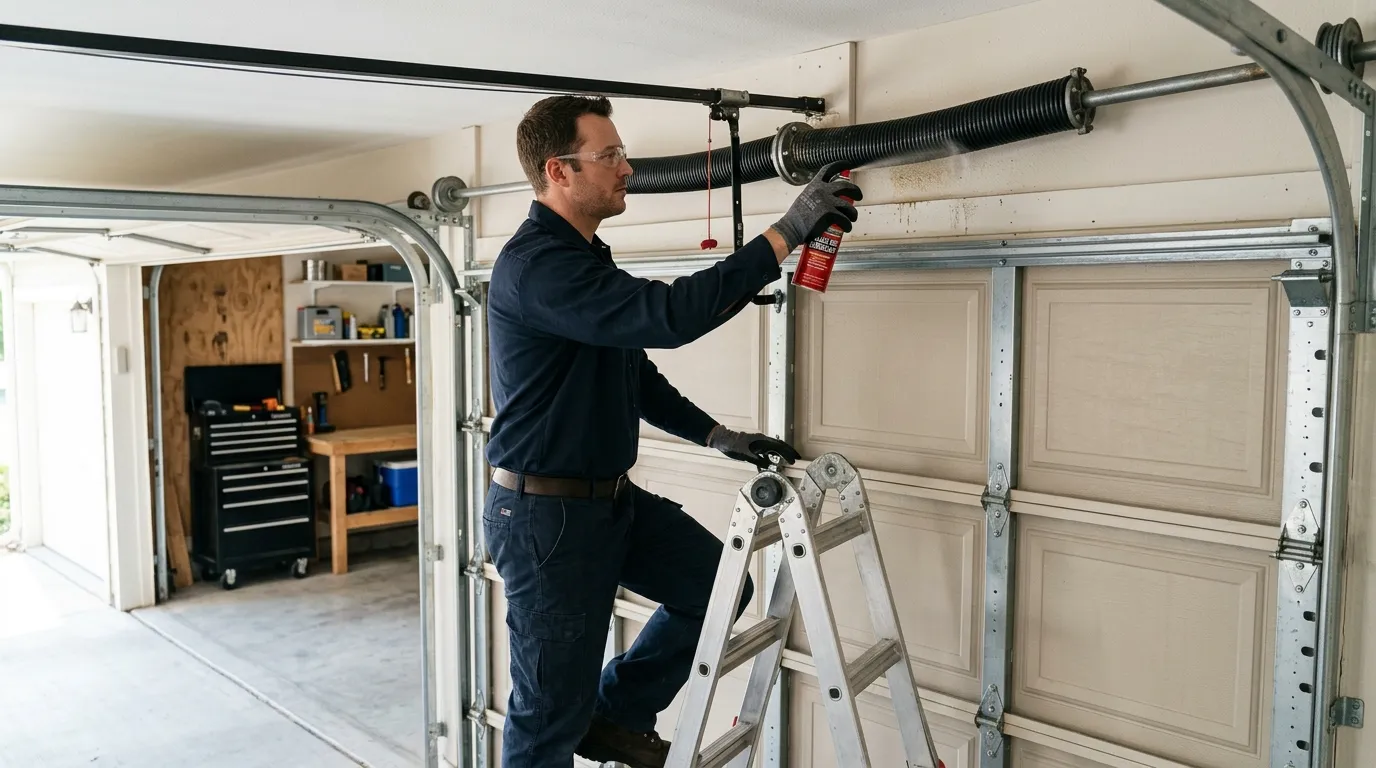
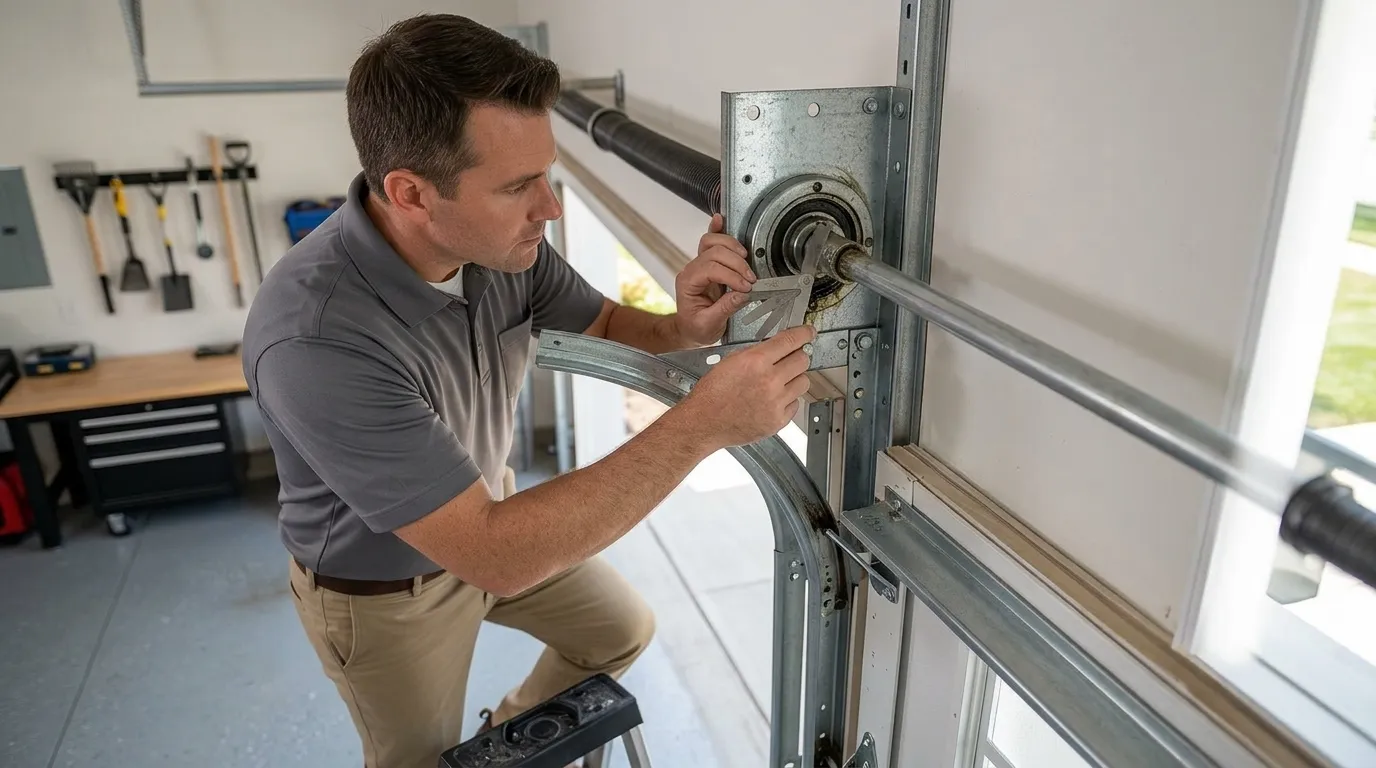
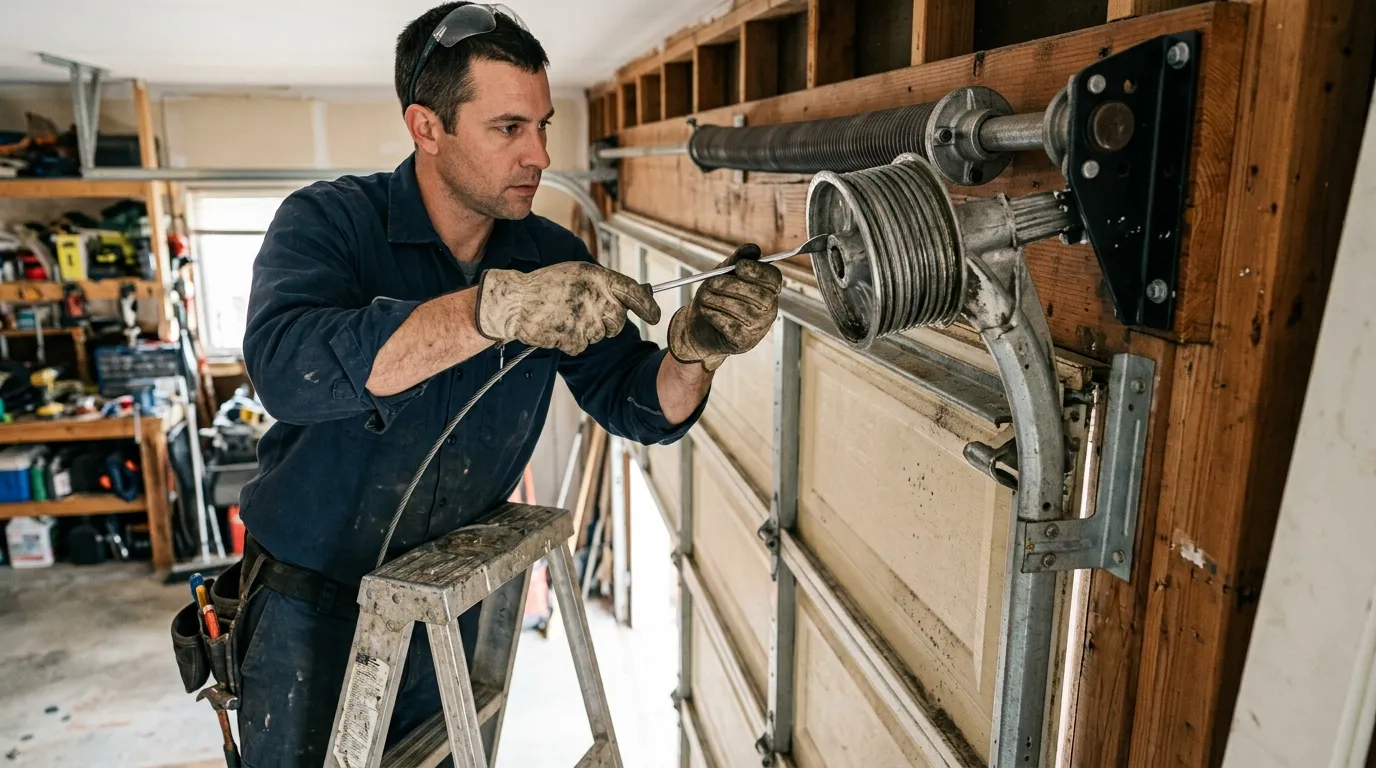
Byron's houses have a median year built of 1978, which lands right in the middle of the region's 1956-2010 housing span but skews toward the older end of it. A door installed when a 1978 house was framed is a steel door on extension springs, hung on a frame that was never built with an insulated panel's extra weight in mind. Extension-spring setups age worse than torsion setups - the springs stretch, lose tension unevenly, and eventually snap without much warning.
The area's climate band runs moderate heat, and moderate heat still means a garage that bakes through long stretches of the year. Non-insulated steel panels from that era flex more with heat cycling than modern doors do, and the flex works metal fatigue into hinges and track brackets faster than a shaded, cooler climate would. None of this is dramatic - it's slow wear, which is exactly why so many of these doors get patched two or three times before anyone calls about a full swap.
Stocked Parts
We drive the 15 miles out from Tracy with parts picked for the housing stock we actually find in Byron, not a generic inventory. That means extension springs sized for the standard 7-foot openings common in 1970s construction, replacement rollers rated for steel-panel weight, and track sections that match older bracket spacing rather than newer stud patterns.
What we don't carry on the truck is anything custom - a non-standard opening size or a specialty panel finish means a special order, and that's a lead time we can't shorten no matter how far we've already driven. If your door is an odd width or a custom wood-look panel, expect the quote visit to end with a parts order, not a same-day swap. For the standard sizes that match most Byron construction, the truck usually has what the job needs.
What the Fix Involves
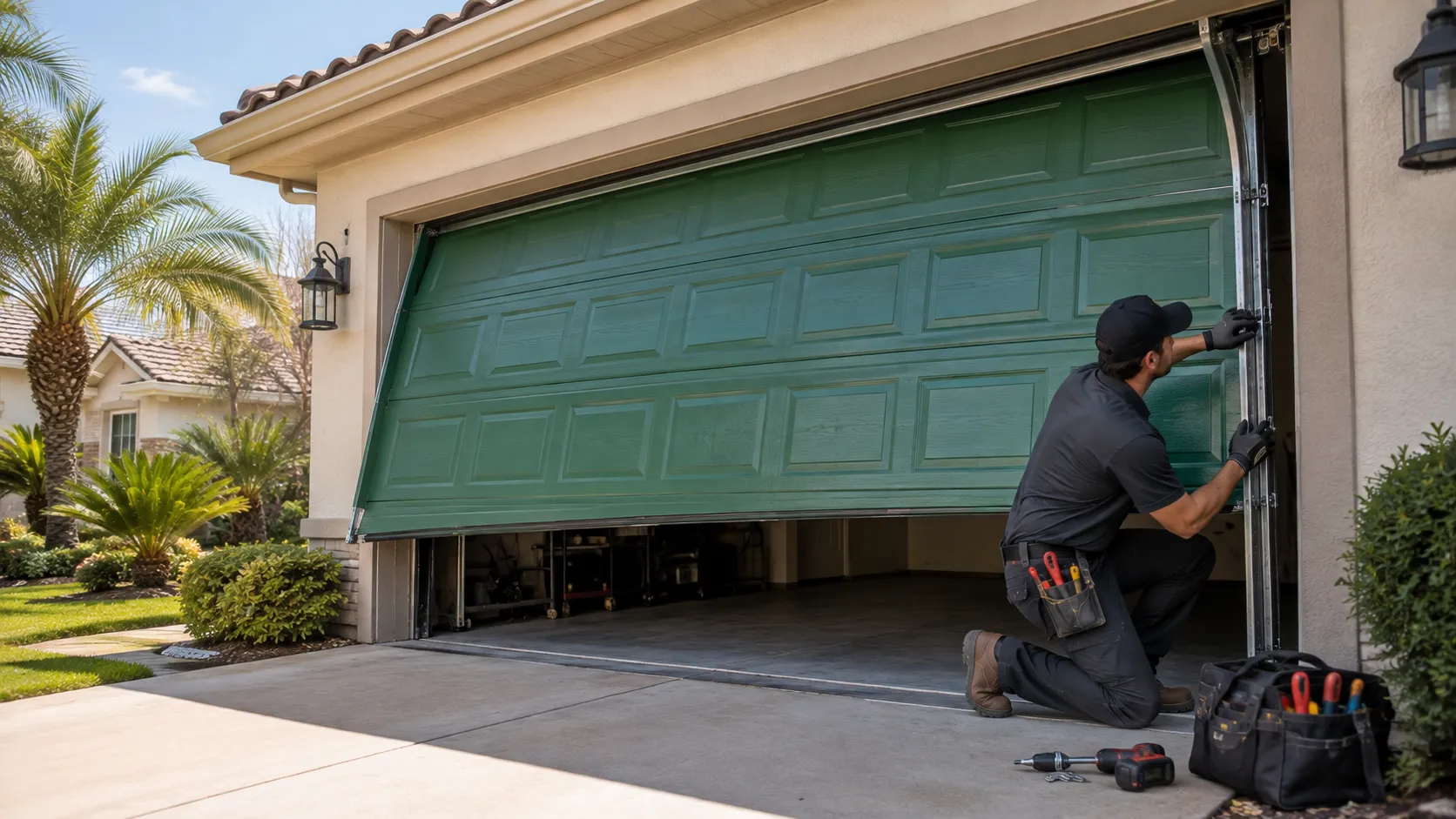
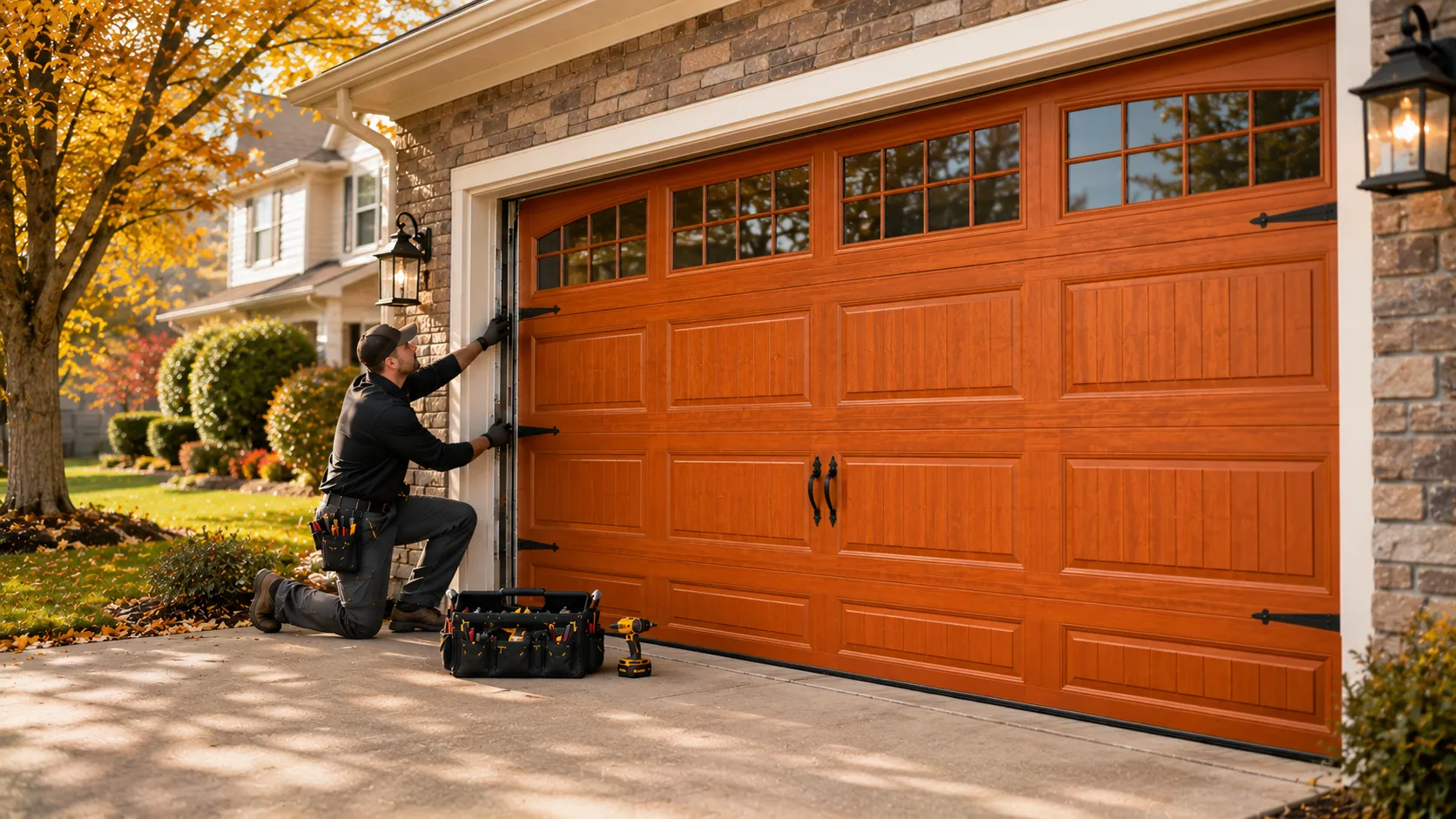
A full replacement starts with pulling the old door and checking what's underneath it - track, jamb brackets, and header - because on a house with a 1978-era frame, the hardware holding the old door is often as worn as the door was. We reset or replace track to match the new panel's spec, since original 1970s bracket spacing doesn't always line up with current door sizes.
Given the moderate heat this area sees, we typically talk through insulated panel options at this point, since an insulated door handles that heat cycling better than the bare steel most of these houses started with. The opener gets checked against the new door's weight - an original opener sized for a lighter, non-insulated panel can end up overworked pulling a heavier insulated one, and that's a conversation worth having before the new door goes up, not after. Full details on how we run these jobs from Tracy are on the Tracy Garage Door Pros page; this page covers what changes when the job is in Byron specifically. See more on garage doors in Byron.